



What can you eat in Hanoi for a day on a budget of about 300,000 dong?
Three hundred thousand dong is not a fixed figure for every occasion, but it is enough to plan a day of eating in Hanoi with breakfast, lunch, a light bite and dinner — provided you pick modest places, order within your appetite and keep something in reserve.
Divide the budget before choosing dishes
You might allow about a fifth for breakfast, close to a third for lunch, a small amount for drinks or a snack, and the rest for dinner. Actual prices vary by neighbourhood and by time of day, so look at the menu before ordering.
Bottled water, parking, surcharges and extra orders easily push a plan off course. Keeping ten to fifteen per cent in reserve means you will not have to skip the last meal. If a place does not display prices, ask politely before sitting down.
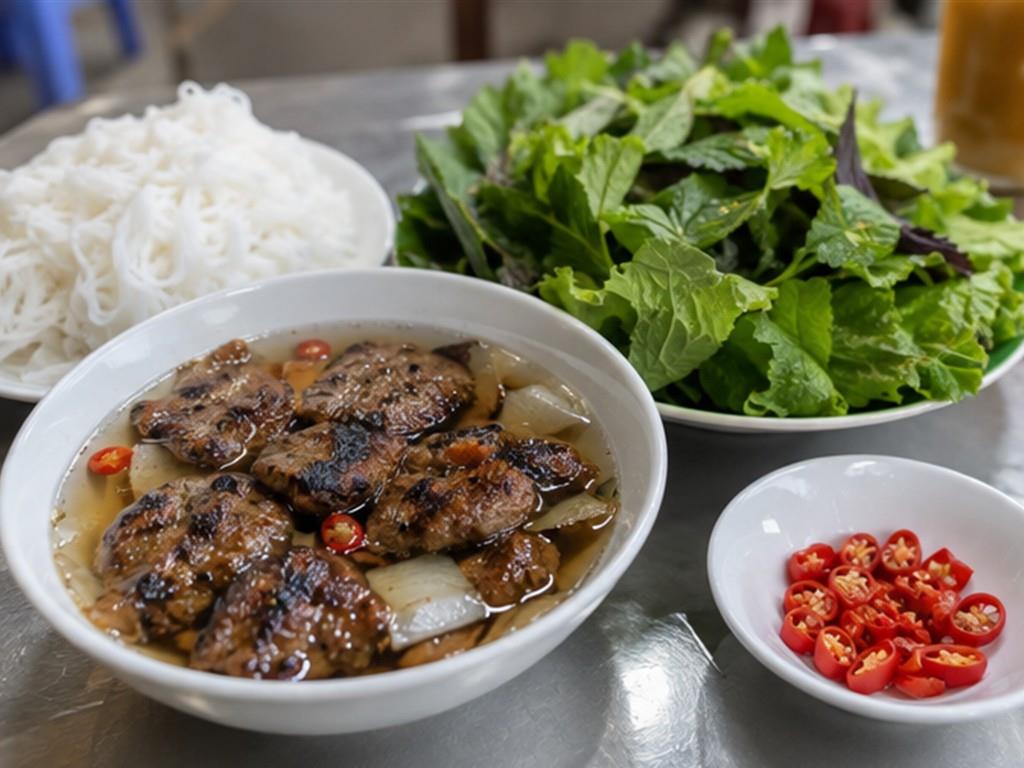
A suggested rhythm from morning to midday
For breakfast you might choose pho, a noodle soup, steamed rice rolls or sticky rice at a place busy with local customers. At lunch, bun cha or a plain rice meal lets you control the portion. Do not order lots of extra spring rolls or drinks simply because the seller suggests it.
Between meals, a cup of tea, a coffee or a small cake suits better than trying to sample many dishes. Walking between eating areas gives the body time to rest and lets you see the rhythm of the streets, instead of moving only to tick addresses off a list.
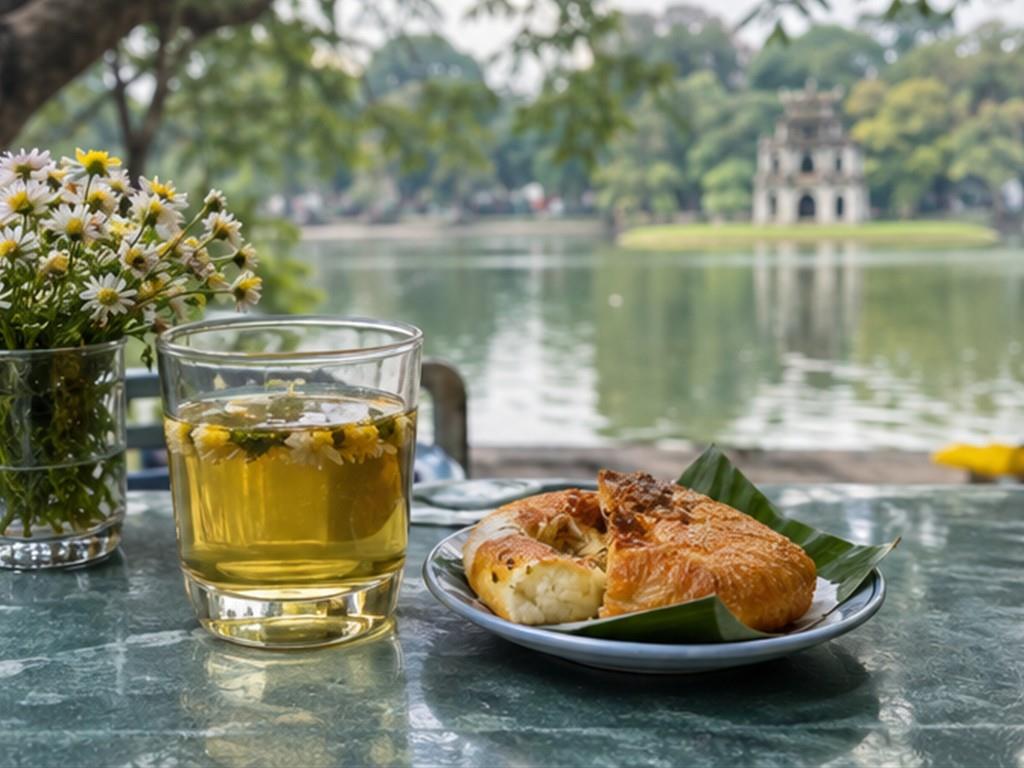
Dinner, and how to choose a place
In the evening, choose something from a different group than lunch: congee, a noodle soup, glass noodles or a plate of fresh rolls, for variety. Prefer a place with a clear menu, clean tables and hot food finished as each round of customers arrives.
A famous address is not always the right choice for a budget. A place down an alley or outside the tourist area may suit better, though you should still look at the hygiene and the number of customers. There is no need to travel far to save a few thousand dong if the fare costs more.
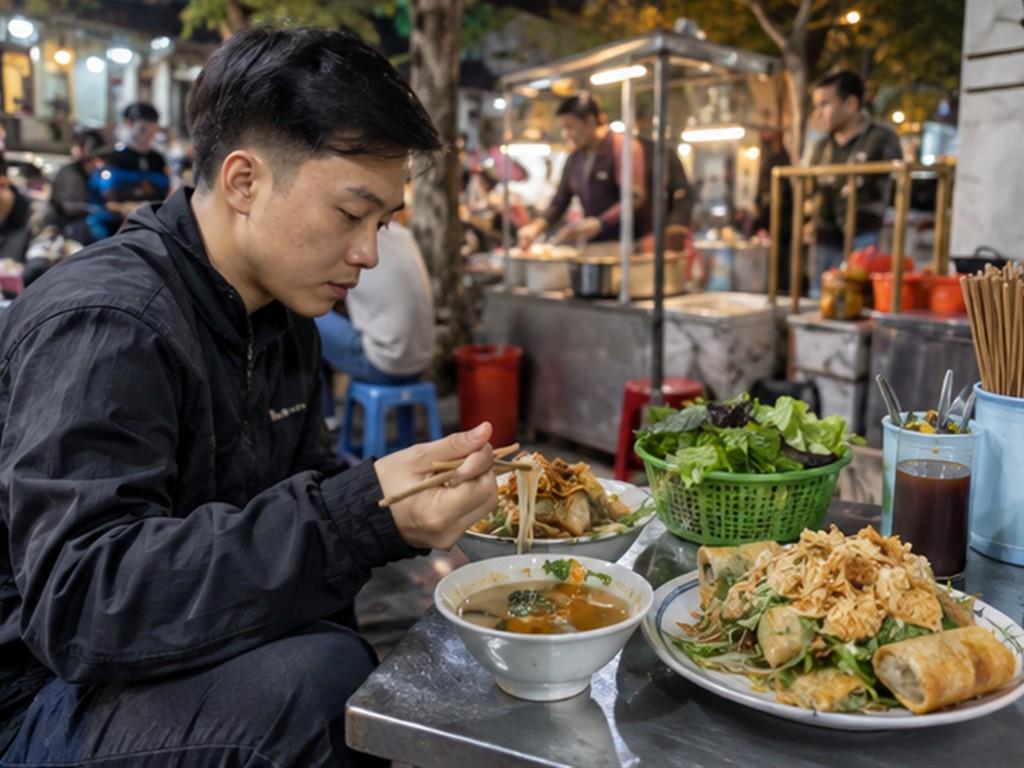
Eating well while keeping a clear head
A good food experience does not require ordering a great deal. Watch how much your group actually eats, order in rounds and ask about portion sizes. At an unfamiliar place, prefer one where ingredients are covered, the preparation area is reasonably clean, hot food is served hot and the seller has a steady stream of customers. Anyone with allergies or a particular diet should ask what is in a dish rather than guessing from its name.
Prices vary by neighbourhood, by time and by the size of the place, so any figures are only a rough guide. The effective way to hold a budget is to put most of it into the main meals and keep a small amount aside for drinks, parking and unplanned extras. Do not haggle aggressively with small vendors; if a price does not suit you, ask first and then choose somewhere else.
Respecting the food and the people who cook it
When you write or share, name the place, the time and the version you actually ate. One personal experience does not represent a whole region. Salty, sweet, hot or rich should be described rather than judged. If you photograph a vendor or a kitchen, ask permission and avoid blocking the way at busy hours.
Local food exists thanks to a whole chain of labour: the people who grow, fish, transport, sell at market and stand at the stove. Finishing what you order, favouring seasonal ingredients and cutting down on single-use plastic are small but real contributions from the person eating. Good food is kept alive not only by praise but by choices that are fair to the people who make it.
A manageable way to begin
Before you go, set up four budget slots and save only two options for each meal. When you arrive, look at the prices before deciding. If one meal went over plan, cut the side dishes rather than skipping a main meal.
What matters is choosing an approach that fits your actual circumstances, watching how it goes and adjusting. A good plan does not have to be perfect the first time; it needs to be clear enough to start and flexible enough to keep going.
Eating cheaply in Hanoi is not about chasing the lowest price. It is about using a budget to feel the full rhythm of morning, midday, afternoon and evening while still respecting the quality and the people selling it.


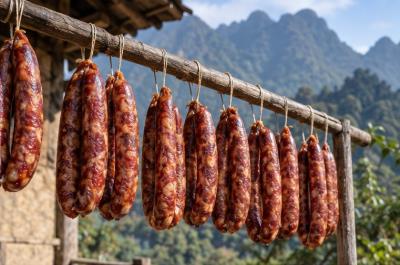 Cao Bang cured sausage: mountain sun, spices and a kitchen in the cold season
 How to cook mung bean and aloe sweet soup: refreshing, with crisp aloe and no bitterness
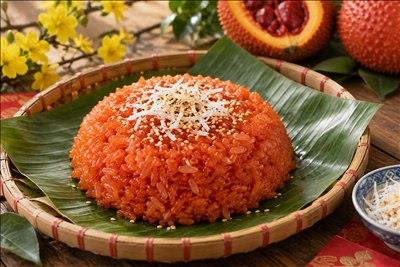 How to cook xoi gac: a beautiful red, chewy separate grains and never claggy
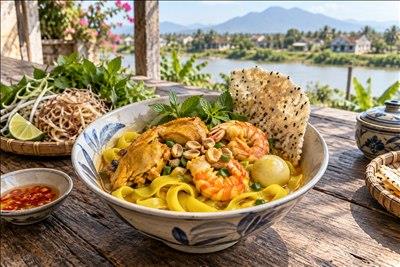 Mi Quang and the kitchens of Quang Nam: a bowl with little broth and a great deal of memory
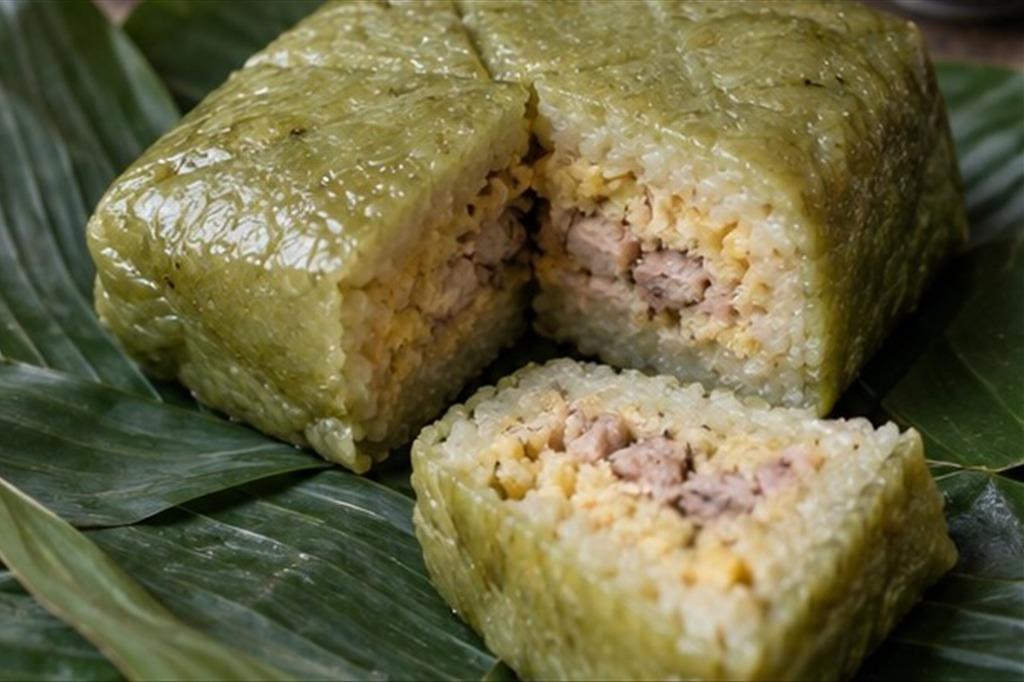 Bo Dau banh chung: the green square cake at the crossroads into Thai Nguyen
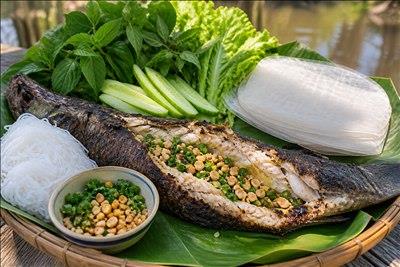 How to cook ca loc nuong trui: evenly done, juicy flesh and no taste of ash
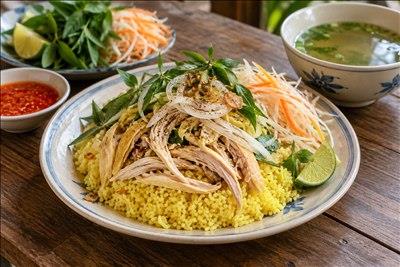 How to make Hoi An chicken rice: fluffy grains, juicy chicken and a crisp onion salad
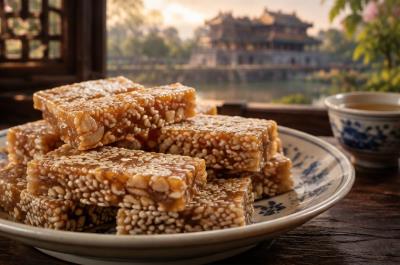 Me xung from Hue: chewy malt, toasted sesame and the slow rhythm of tea
Đăng nhập để bình luận: / Sign in to comment: