



Fish sauce on the table across the three regions: from how it is mixed to what it is eaten with
Fish sauce is both a seasoning in the kitchen and a dipping bowl on the table, but the proportions, the additions and the dishes it goes with change by region, by season and by household.
The dipping bowl is part of the dish's structure
Some dishes call for neat fish sauce with chilli, others for a version thinned with water, sugar and something sour. Garlic, ginger, pepper or pickles are added according to the main ingredient. There is no single formula for every table.
Tasted on its own, the sauce can be stronger than expected, because it was designed to go with greens, noodles, rice sheets or rice. Take one complete mouthful before judging, and adjust only how much you dip.
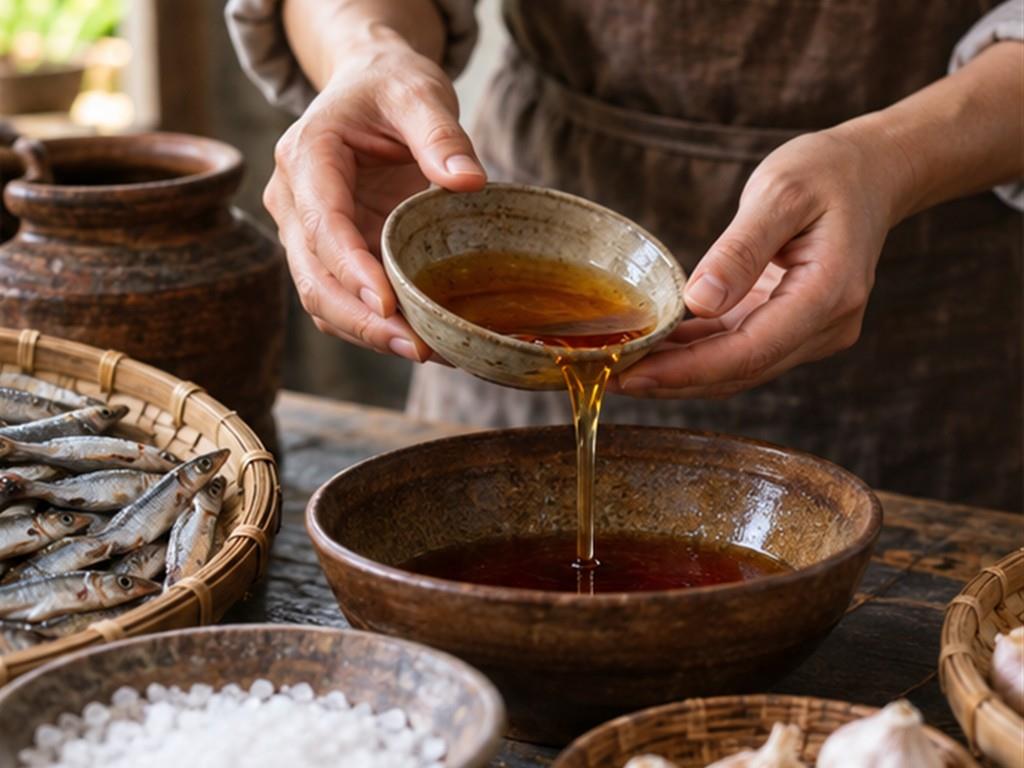
Regional differences are not absolute borders
The north is usually described as light, the centre as strong and hot, the south as leaning sweet-and-sour, but these are only tendencies. Provinces, families and types of dish produce countless exceptions.
Boiling liquid, coconut water, pineapple, tamarind, lime or vinegar can change how round the taste is. Naming the ingredients and the setting precisely is more useful than fastening every bowl of fish sauce to one of three fixed labels.
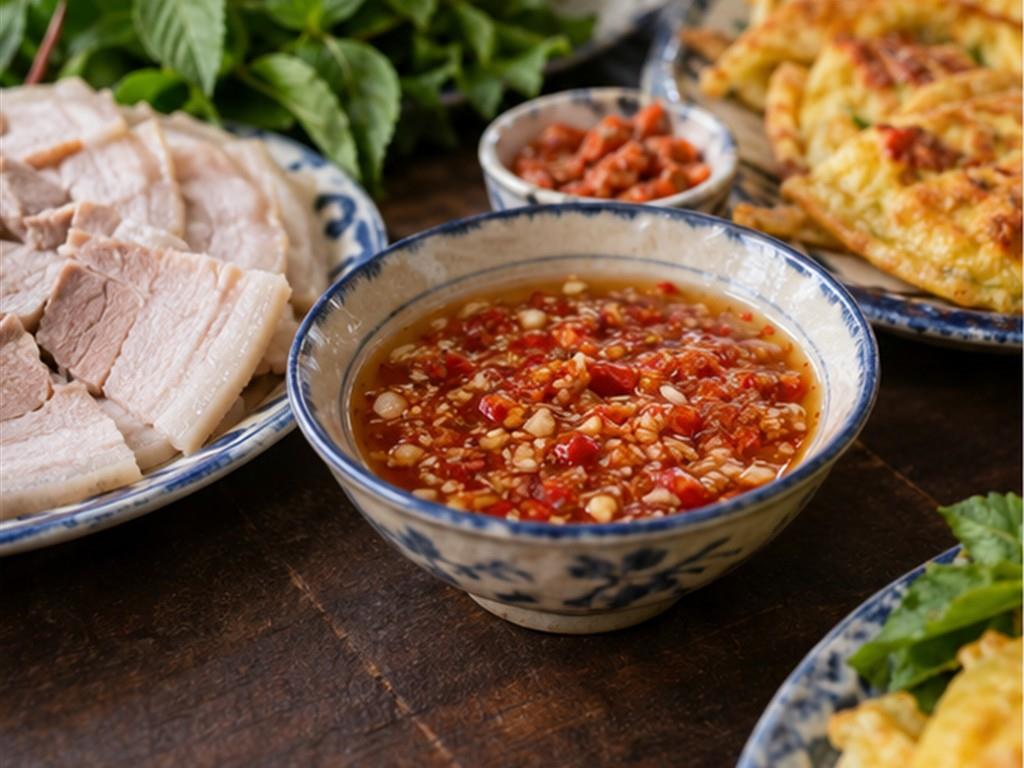
Mix just enough, to keep the taste and waste less
Start with a small amount, dissolve the sugar first and only then adjust the salt, the sourness and the heat. Garlic and chilli floating prettily does not mean the taste is balanced. Clean utensils and fresh ingredients matter more than appearance.
What has been used at the table should not be poured back into the bottle or kept too long. Anyone on a low-salt diet needs to watch how much they dip and to ask a medical professional where there is a prescription, rather than trusting word-of-mouth tips.
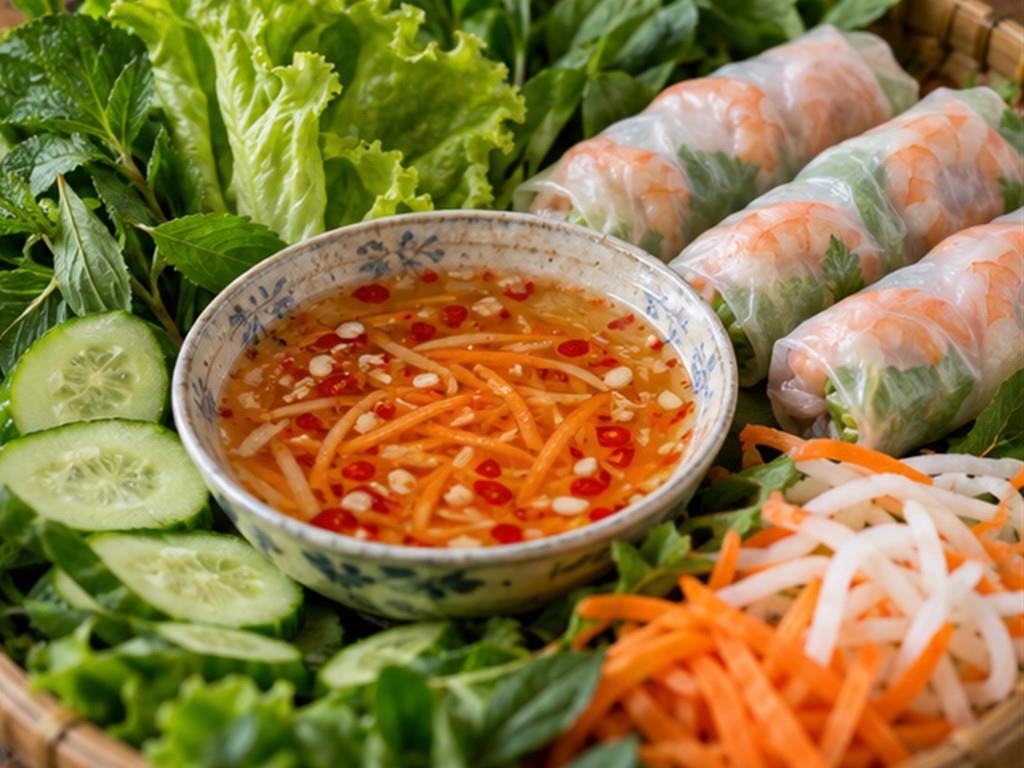
How to eat so as to understand a dish better
A local dish should be eaten in its proper structure: the main item together with the greens, the dipping sauce, the pickles or the rice, rather than pulling each element apart to judge it. Every household and every shop seasons differently, so one visit does not represent a whole region. A writer should describe the salt, the sweetness, the sourness, the heat, the aroma and the texture rather than simply saying whether it was good.
When choosing a place to eat, look at how the ingredients are kept, how clean the utensils are, the rhythm of service and whether hot dishes are made to order. Anyone with an allergy needs to ask exactly what is in things, the broth and the dipping sauce included. Prices change with the season, the location and the portion; asking beforehand is being prepared, not being rude.
Eat just enough, and respect the people who cook
Ordering in rounds keeps the food hot, cuts waste and gives you the chance to adjust. If you want to photograph a kitchen or a seller, ask permission and avoid blocking the way at busy times. Do not ask someone at work to repeat a movement just for a good picture while they are serving customers.
Food is sustained by the people who grow it, fish for it, transport it, sell it at market and stand at the stove. Favouring what is in season, cutting down on single-use items and giving specific feedback are small ways of keeping a visitor's experience from becoming a burden on the place they visit.
A practical way to begin
At a meal with rolls or boiled dishes, mix three small bowls at different levels of sourness, sweetness and heat. Eat them with the complete dish and note down the proportions that work, rather than just tasting the sauce.
Treat a plan as a frame of reference, check the details close to the date, and adjust it to your health, your budget and your actual circumstances. A good experience does not have to be perfect from the start; it needs to be clear enough to carry out and flexible enough not to become a pressure.
A small bowl of fish sauce shows the fineness of the Vietnamese kitchen: a taste never stands alone but is balanced by the whole table.


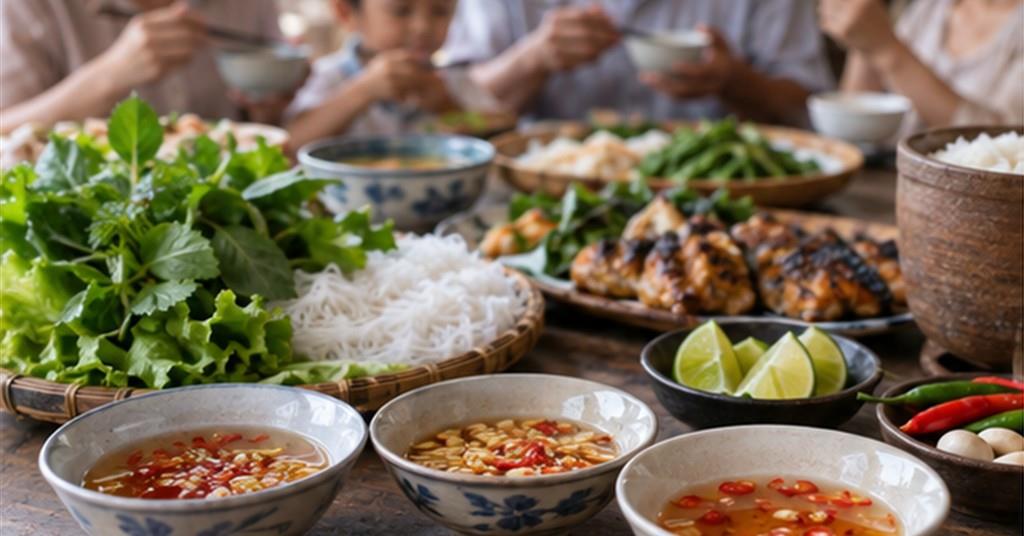 Fish sauce on the table across the three regions: from how it is mixed to what it is eaten with
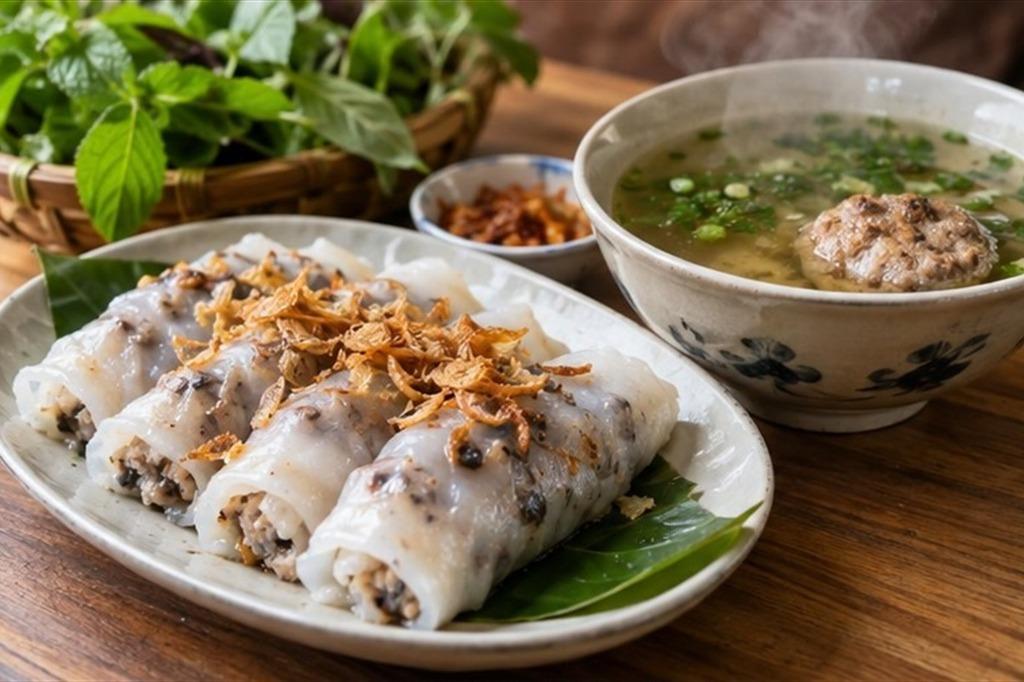 Cao Bang banh cuon: a thin rice sheet eaten with a bowl of hot broth on the frontier
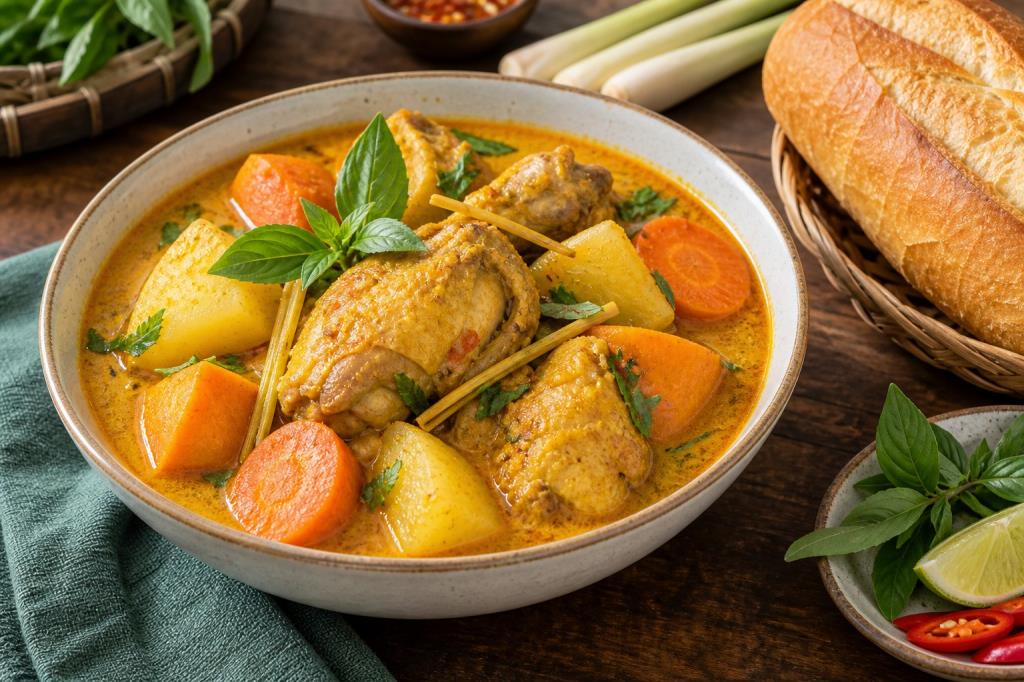 How to cook Vietnamese chicken curry: gently rich, tender meat and potatoes that hold together
 The coastal kitchen of central Vietnam: grilled fish, fermented sauce and getting through the storm season
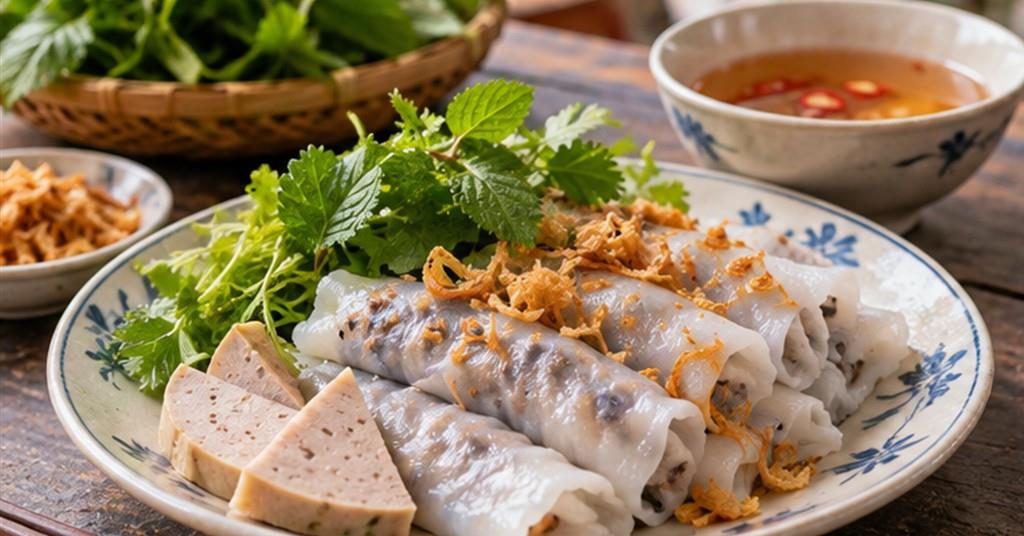 Bánh cuốn across the three regions: the same thin sheet, a different way of eating it
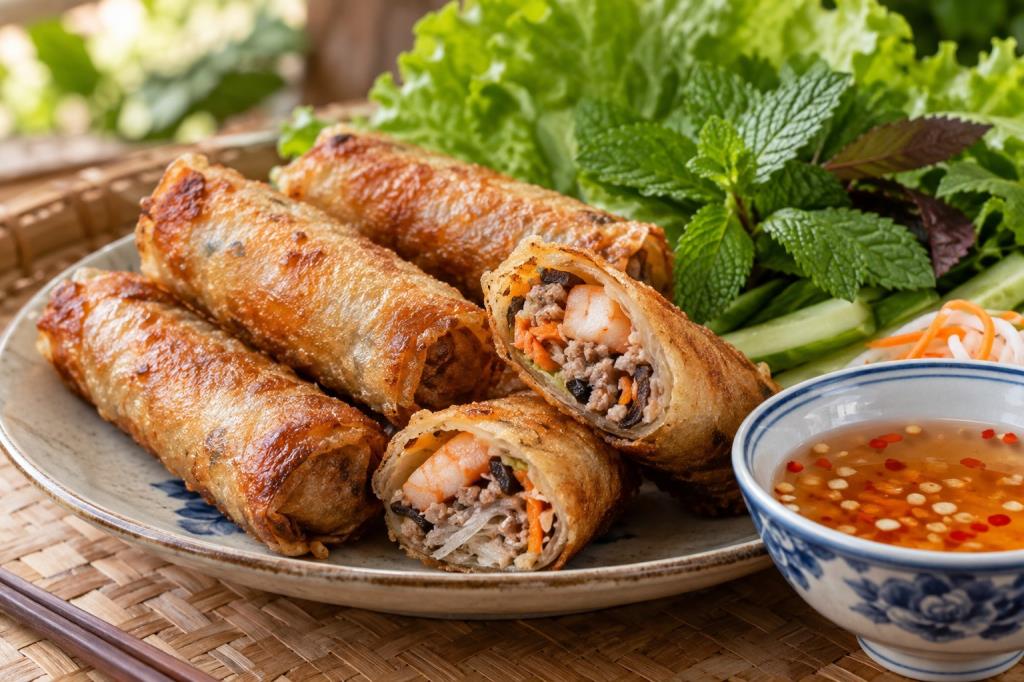 How to make cha gio that stays crisp, with an evenly cooked filling and no split wrappers
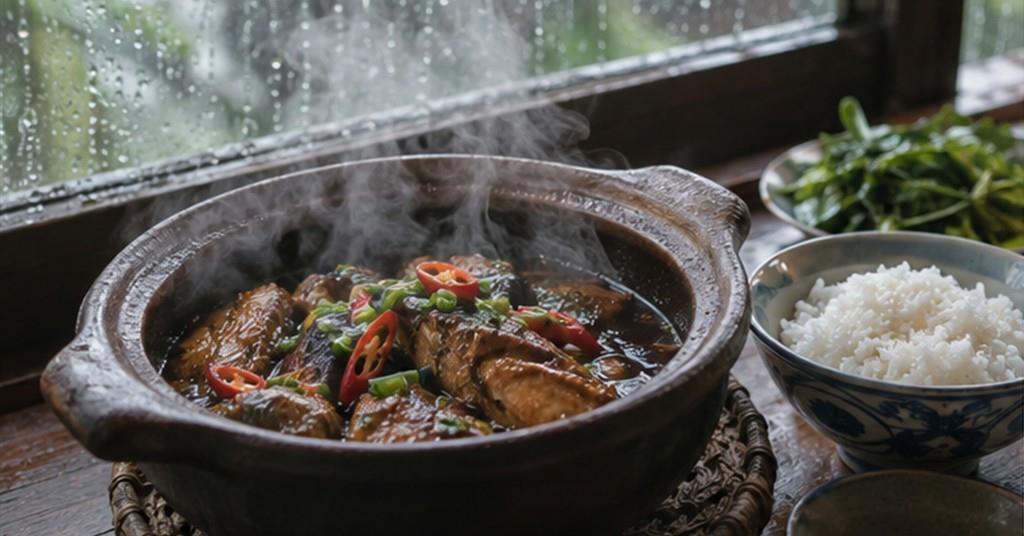 What is it about a Vietnamese rainy-season meal that people far from home never forget?
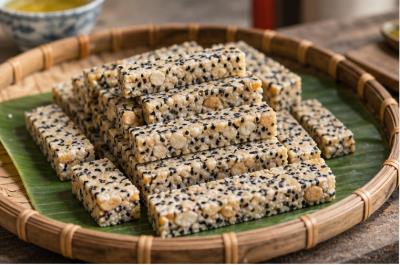 Banh cay from Thai Binh: from toasted sticky rice and malt syrup to a sweet beside the teacup
Đăng nhập để bình luận: / Sign in to comment: