



How do home meals differ across Vietnam's three regions in what is chosen and how it is seasoned?
Saying that the north is delicate, the centre bold and the south sweet is only a very rough generalisation. Real meals change with the province, the season, the household and its means; the more interesting difference lies in how the dishes support one another.
The north: the season, and balance
Many northern meals are organised around rice, a savoury dish, vegetables and soup. Sourness from seasonal fruit, pickles or vinegar balances the braised and fried dishes. But the tastes of the delta, the mountains and the coast differ a great deal.
Winter brings hot dishes, braises and pickles; summer brings more vegetables, soup and cooling sourness. Eating with the season shows that a meal is a response to the weather, not a fixed menu.
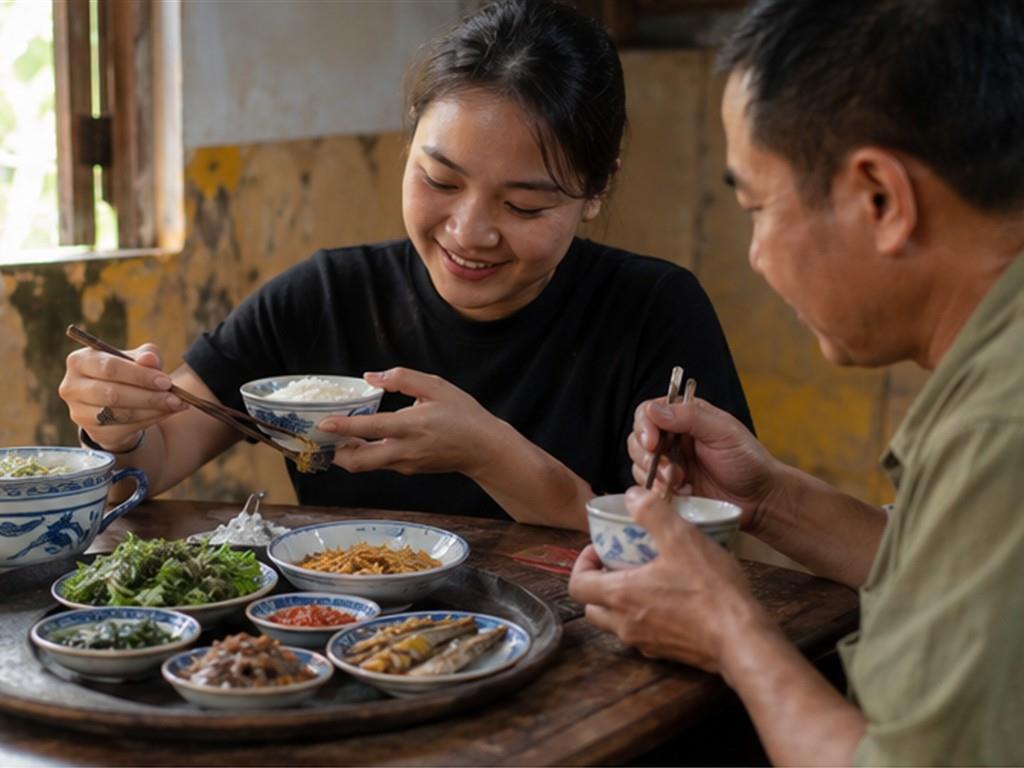
The centre: fewer ingredients, sharper flavours
This long strip of land holds many sub-regions, from the kitchens of Hue to Quang, Nghe and the coast. Dishes can be strongly flavoured to go with rice, and chilli is common in many places, but not every household eats the same way.
Fermented fish sauces, braised dishes, garden vegetables and seafood show both preserving skill and the ability to make the most of what is available. The tray is often compact: each dish in a modest amount but with a distinct flavour.
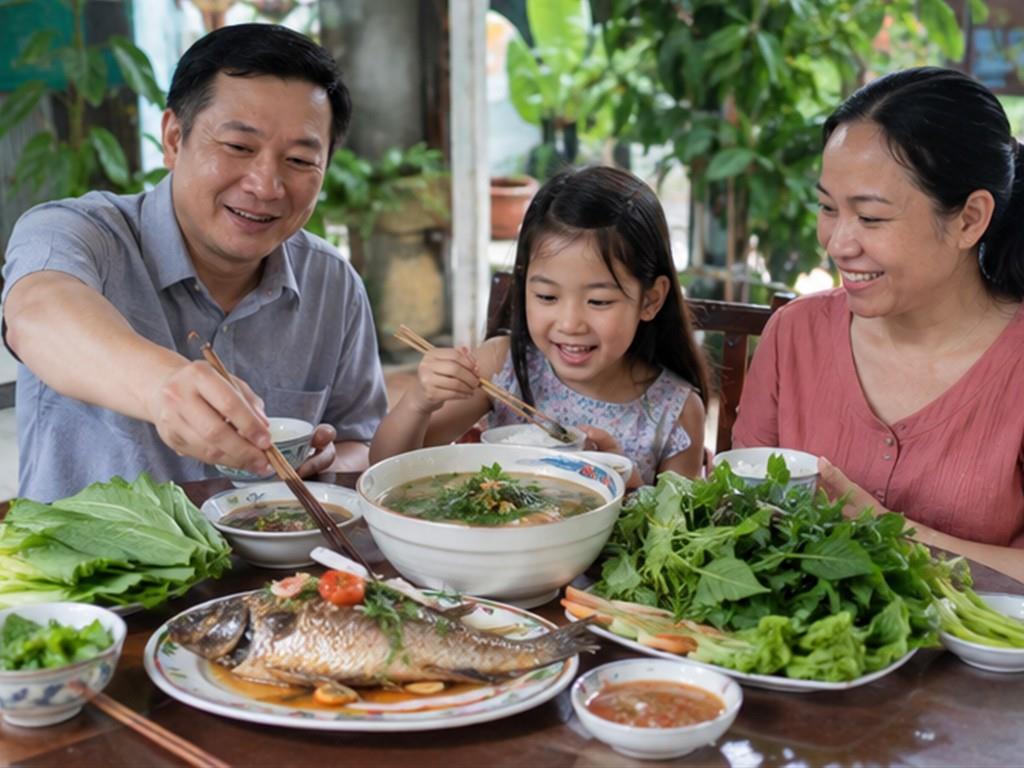
The south: abundant produce and an openness
Soup, fish, fresh greens, braised dishes and seasonal fruit make up many southern meals. Sweetness can appear, but how much varies by household; a single spoonful of sugar should not be used to explain all of southern cooking.
Khmer, Chinese and Cham influences, along with waves of migration, have helped make southern cooking diverse. Under the same dish name, the western delta, the south-east and the large cities still cook it differently.
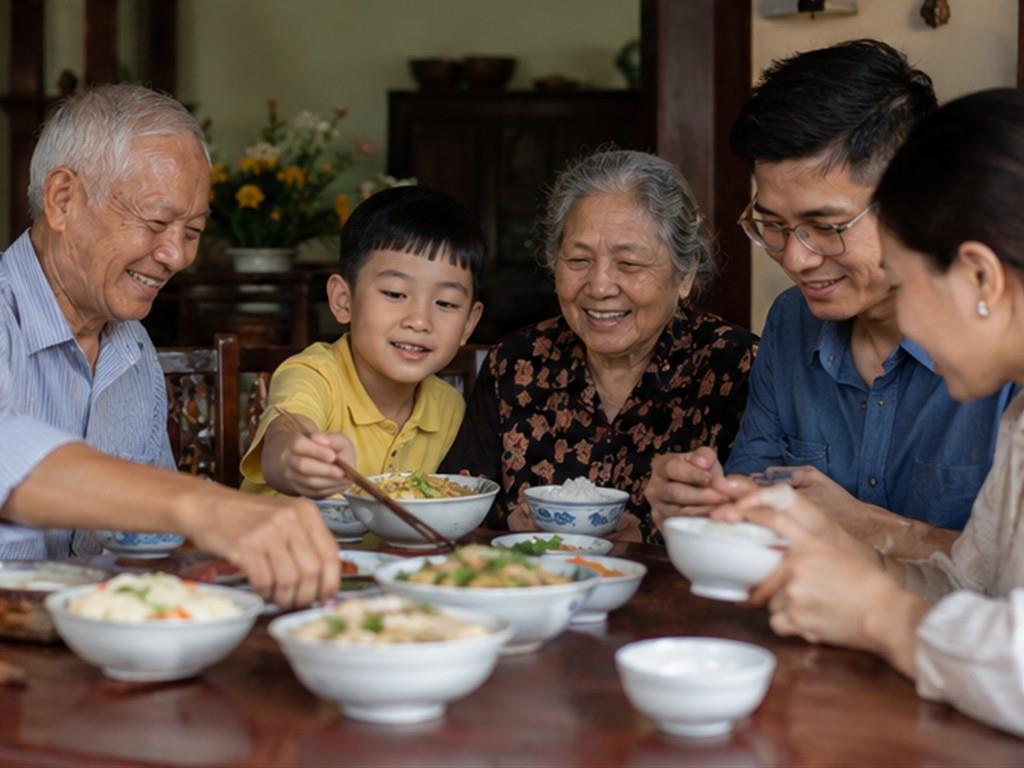
Eating well while keeping a clear head
A good food experience does not require ordering a great deal. Watch how much your group actually eats, order in rounds and ask about portion sizes. At an unfamiliar place, prefer one where ingredients are covered, the preparation area is reasonably clean, hot food is served hot and the seller has a steady stream of customers. Anyone with allergies or a particular diet should ask what is in a dish rather than guessing from its name.
Prices vary by neighbourhood, by time and by the size of the place, so any figures are only a rough guide. The effective way to hold a budget is to put most of it into the main meals and keep a small amount aside for drinks, parking and unplanned extras. Do not haggle aggressively with small vendors; if a price does not suit you, ask first and then choose somewhere else.
Respecting the food and the people who cook it
When you write or share, name the place, the time and the version you actually ate. One personal experience does not represent a whole region. Salty, sweet, hot or rich should be described rather than judged. If you photograph a vendor or a kitchen, ask permission and avoid blocking the way at busy hours.
Local food exists thanks to a whole chain of labour: the people who grow, fish, transport, sell at market and stand at the stove. Finishing what you order, favouring seasonal ingredients and cutting down on single-use plastic are small but real contributions from the person eating. Good food is kept alive not only by praise but by choices that are fair to the people who make it.
A manageable way to begin
Try putting together three meals from the three regions over three different weeks, but get the recipes from cooks who belong to a specific locality. Note the place and the household that the version came from, rather than calling it “the regional standard”.
What matters is choosing an approach that fits your actual circumstances, watching how it goes and adjusting. A good plan does not have to be perfect the first time; it needs to be clear enough to start and flexible enough to keep going.
Home meals differ across the three regions, yet they share one fine logic: use what is close at hand to make a meal that nourishes, tastes right and draws everyone to sit down together.


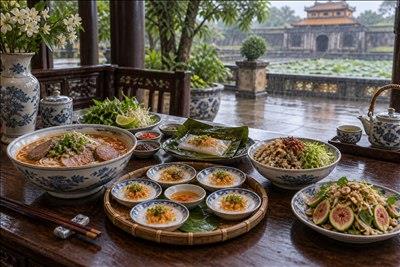 The food of Hue: where the royal kitchen, everyday dishes and small street stalls meet
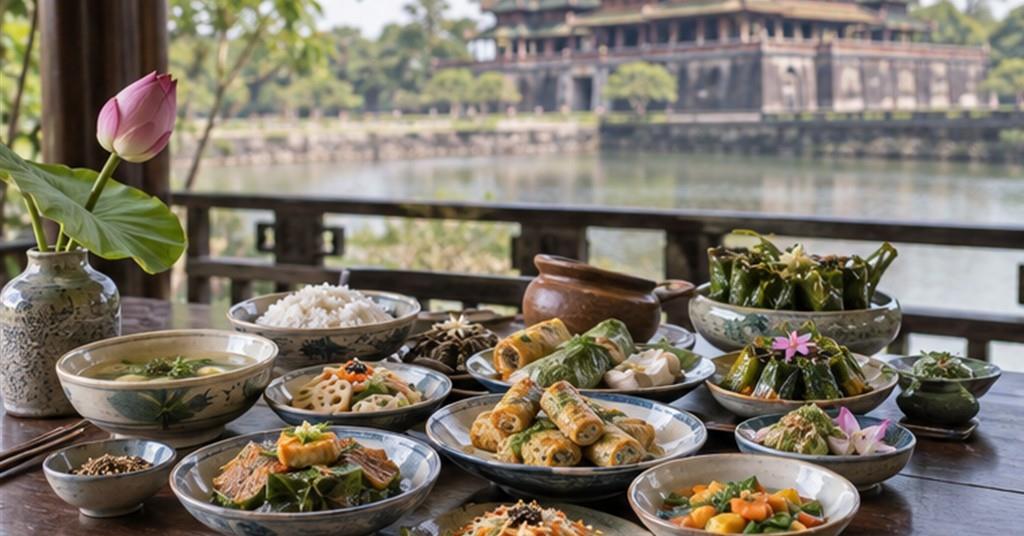 Hue vegetarian food: why is something so plain still so layered in flavour?
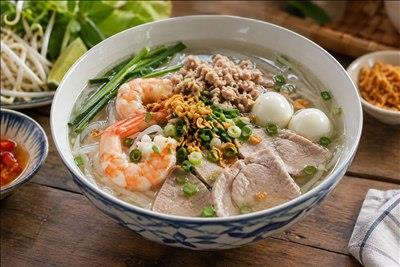 How to cook hu tieu Nam Vang: a clear broth, sweet from the bones, with noodles that hold
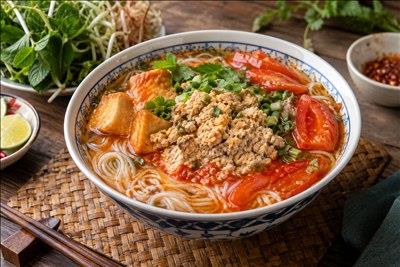 How to cook bun rieu cua: fragrant, with the crab curd in soft clouds and a clear broth
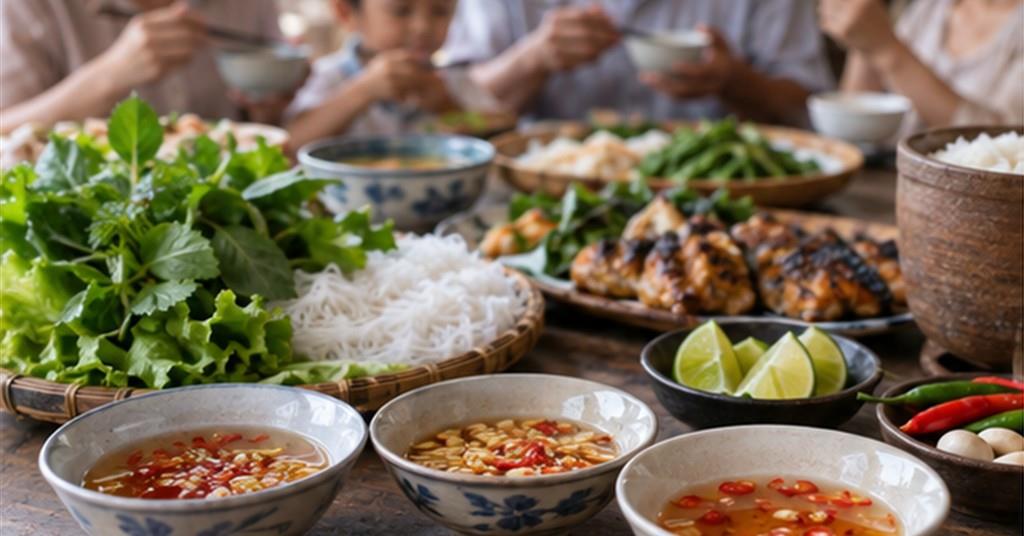 Fish sauce on the table across the three regions: from how it is mixed to what it is eaten with
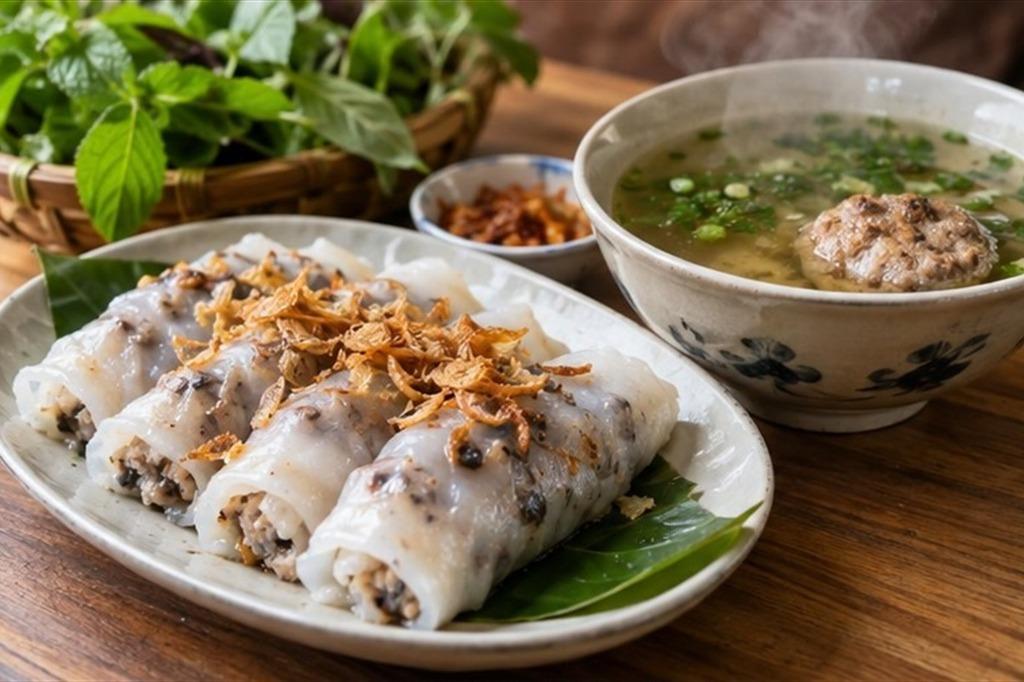 Cao Bang banh cuon: a thin rice sheet eaten with a bowl of hot broth on the frontier
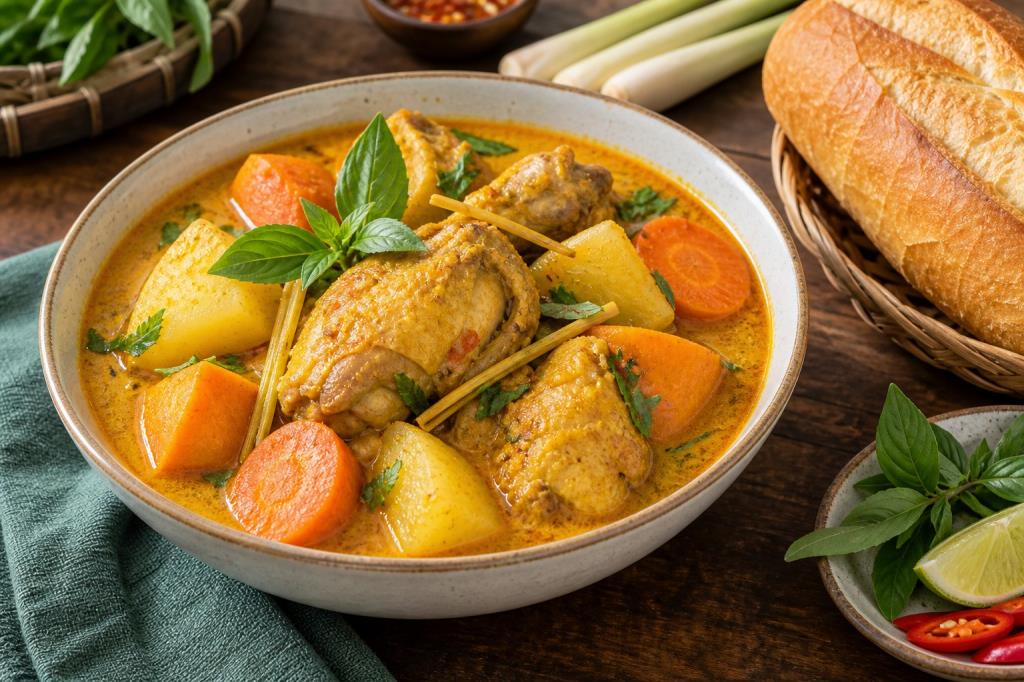 How to cook Vietnamese chicken curry: gently rich, tender meat and potatoes that hold together
 The coastal kitchen of central Vietnam: grilled fish, fermented sauce and getting through the storm season
Đăng nhập để bình luận: / Sign in to comment: