



Cao Bang cured sausage: mountain sun, spices and a kitchen in the cold season
Cao Bang cured sausage appeals through its deeply savoury meat, its measured amount of translucent fat and the smell of smoke or sun that belongs to the mountain climate. Behind each sausage lies a chain of steps — choosing the meat, seasoning, filling, drying and storing — and one uncontrolled step affects both flavour and safety.
The names lap xuong and lap suon cover many highland products, and not every place uses the same recipe. The type of wine, the spices, the ratio of lean to fat, the drying method and the degree of smoking all differ by household, by workshop and by weather. So read the specific label rather than drawing conclusions from a red colour or a smoky smell.
Quick facts
- Associated area: Cao Bang and the north-eastern mountains.
- Common ingredients: pork, fat, salt, sugar, wine and spices.
- Techniques: filling the casing, drying the surface, hanging, sun-drying or smoking.
- How to use it: steam, grill or pan-fry, then slice.
- Storage: follow the label exactly; do not guess, because the degree of drying varies.
The meat ratio decides the slice
The lean gives grain and meatiness, the fat keeps it succulent when heated. Chopping too finely makes the texture crumbly; pieces that are too large fill the casing unevenly. The ingredients must be kept cold throughout preparation; spices and wine build aroma but cannot rescue meat past its best or take the place of hygiene.
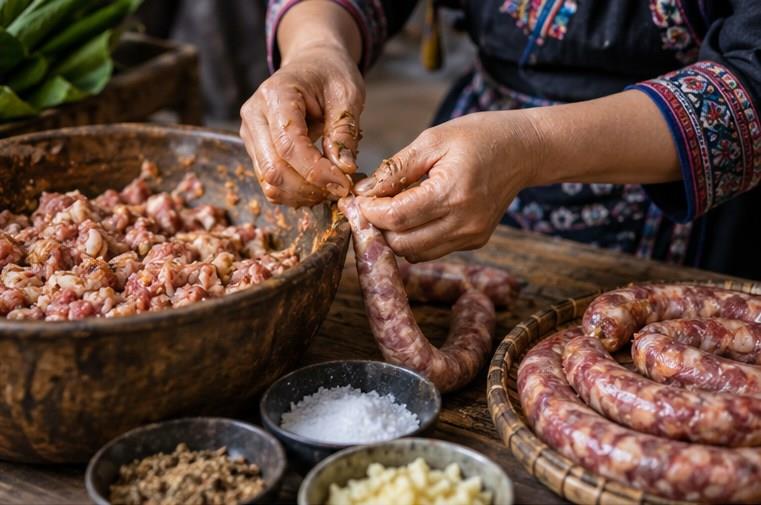
Filling and drying
The casing is cleaned and filled firmly enough to limit air pockets without splitting. The links are tied evenly and the surface dried. Cold dry weather suits hanging, but commercial production needs a controlled process rather than relying entirely on feel. A good colour does not by itself prove that the product has reached a safe state.
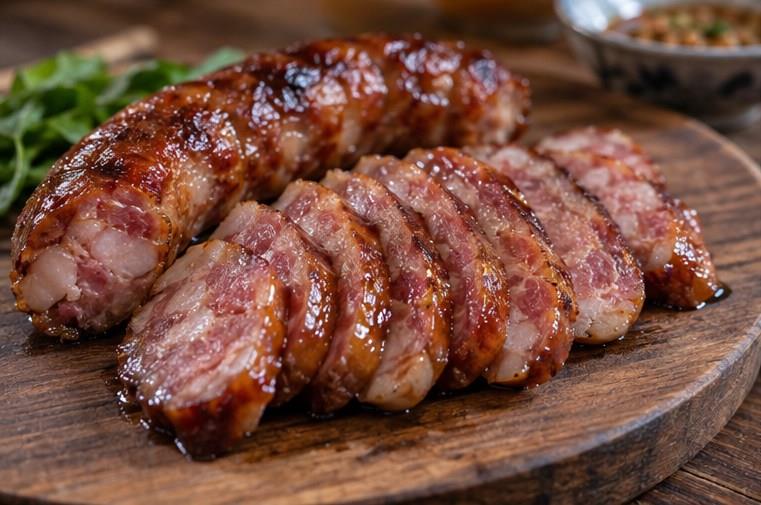
Smoke is a seasoning, not a screen
Clean smoke in moderation brings a woody aroma and helps the surface dry, while heavy smoking turns it bitter and can carry unwanted substances. Never use painted wood, treated wood or unfamiliar fuel. A good product should still smell of meat and spices, not only of an overpowering smokiness.
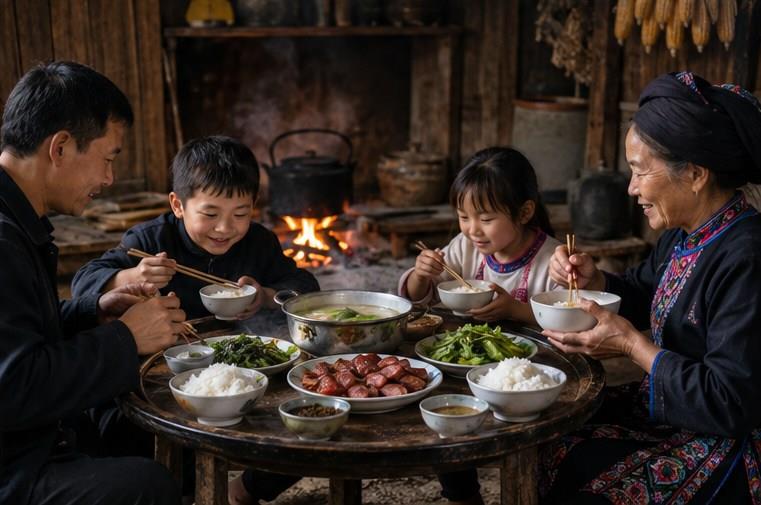
Cooking it through to open the aroma
Steaming first and then pan-frying heats the inside evenly and renders just enough fat; grilling needs indirect heat so the casing does not burn while the centre is still cold. Because products, sizes and processes differ, follow the instructions on the label and make sure the middle is fully cooked before eating.
Buying it as a gift, responsibly
Choose a producer with an address, an ingredient list, a production date and storage instructions. Vacuum-packed goods still need the right temperature if the label says to keep them cold. For a long journey, use an insulated bag and do not leave them for hours in a hot car. An unusual sour smell, a slimy surface or a swollen pack are reasons to throw it away.
How to look at a living tradition
No region or community should be reduced to a single recipe. Ingredients, names and ways of serving shift with the season, the family, religion, occupation and patterns of migration. What is shared shows a history of exchange; what differs shows the capacity to adapt.
When you go and try it, use the right name for the dish and the region if you know them, listen to the people making it, ask before photographing private spaces, and avoid treating the word “authentic” as an absolute stamp. A new version still has value as long as it says what has changed and respects the people who keep the craft alive.
Common misunderstandings
The more smoke, the more highland the flavour
Smoke is only one part of the technique; too much of it masks the ingredients and turns the flavour harsh.
Vacuum-packed means it can sit out indefinitely
Vacuum packing does not replace the cold chain or the use-by date on the label.
Practical suggestions and things to try
- Read the ingredient proportions and the cooking instructions.
- Choose a pack that is not swollen, torn or leaking.
- Keep it cold when the label says so.
- Steam it or heat it through evenly before eating.
- Slice it after a short rest.
- Eat it with vegetables to balance the richness.
- Do not eat anything that smells sour or feels slimy.
Observation checklist
- What context, season and audience is being talked about?
- Which details are facts, and which are impressions or personal choices?
- How do the ingredients, tools or setting affect the outcome?
- Are there any safety, allergy, cost or privacy risks to check?
- What small thing could you try today and review later?
Important note
This is processed meat containing sodium and fat, so keep portions moderate. Buyers should follow the cooking and storage instructions that come with the particular product.
Conclusion
Cao Bang sausage is not good because of smoke or strong spices alone. Its value lies in reading the weather, keeping the ingredients clean and waiting patiently for each link to settle — kitchen technique adapted to a cold mountain season.



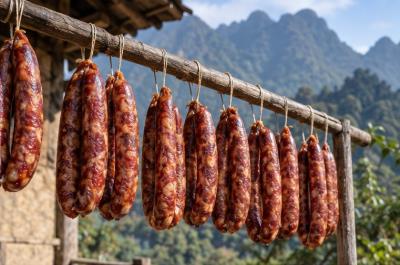 Cao Bang cured sausage: mountain sun, spices and a kitchen in the cold season
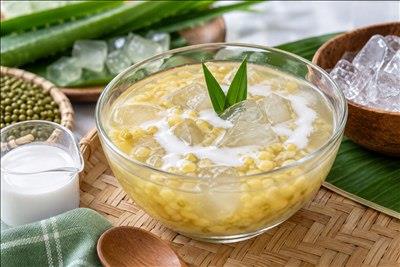 How to cook mung bean and aloe sweet soup: refreshing, with crisp aloe and no bitterness
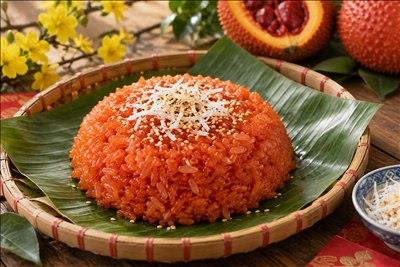 How to cook xoi gac: a beautiful red, chewy separate grains and never claggy
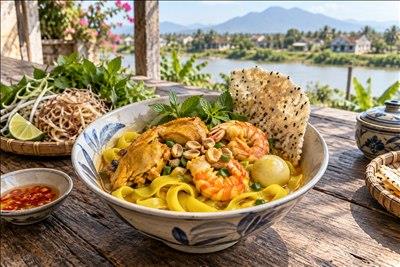 Mi Quang and the kitchens of Quang Nam: a bowl with little broth and a great deal of memory
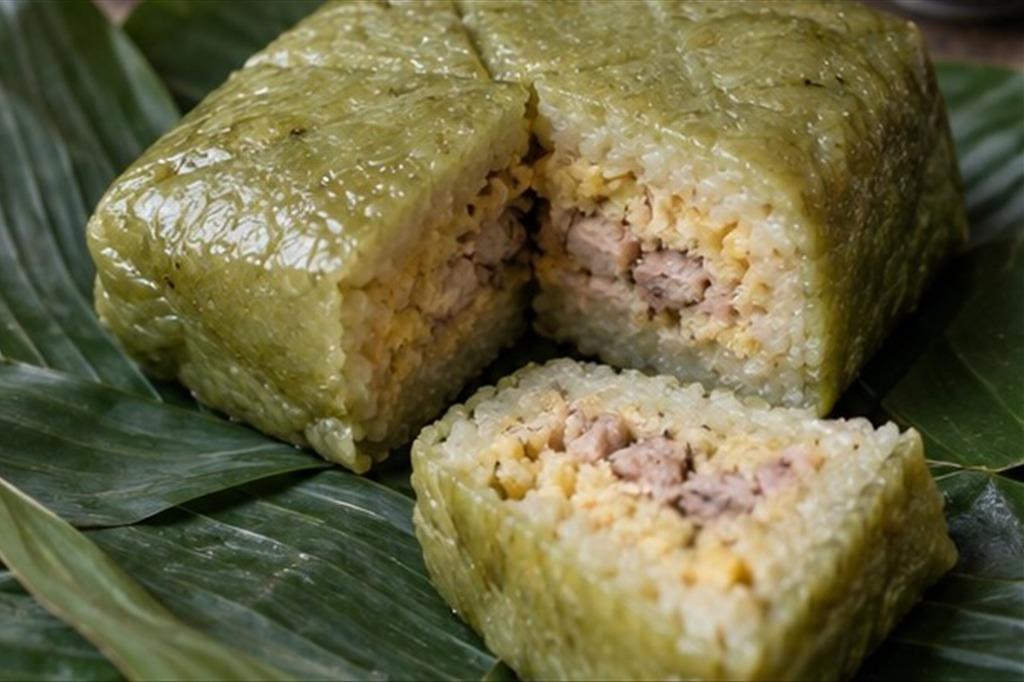 Bo Dau banh chung: the green square cake at the crossroads into Thai Nguyen
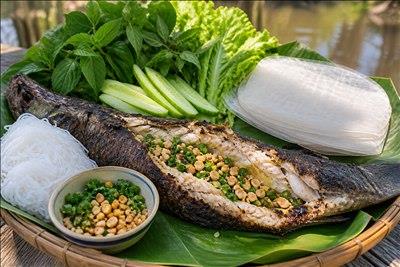 How to cook ca loc nuong trui: evenly done, juicy flesh and no taste of ash
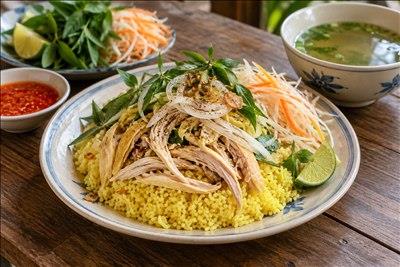 How to make Hoi An chicken rice: fluffy grains, juicy chicken and a crisp onion salad
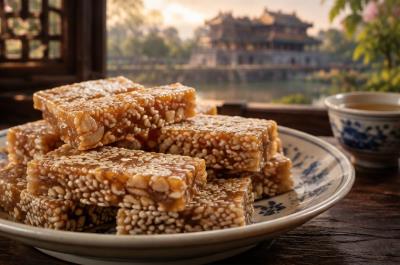 Me xung from Hue: chewy malt, toasted sesame and the slow rhythm of tea
Đăng nhập để bình luận: / Sign in to comment: