



Following a Saigon breakfast: from banh mi to cloth-filter coffee
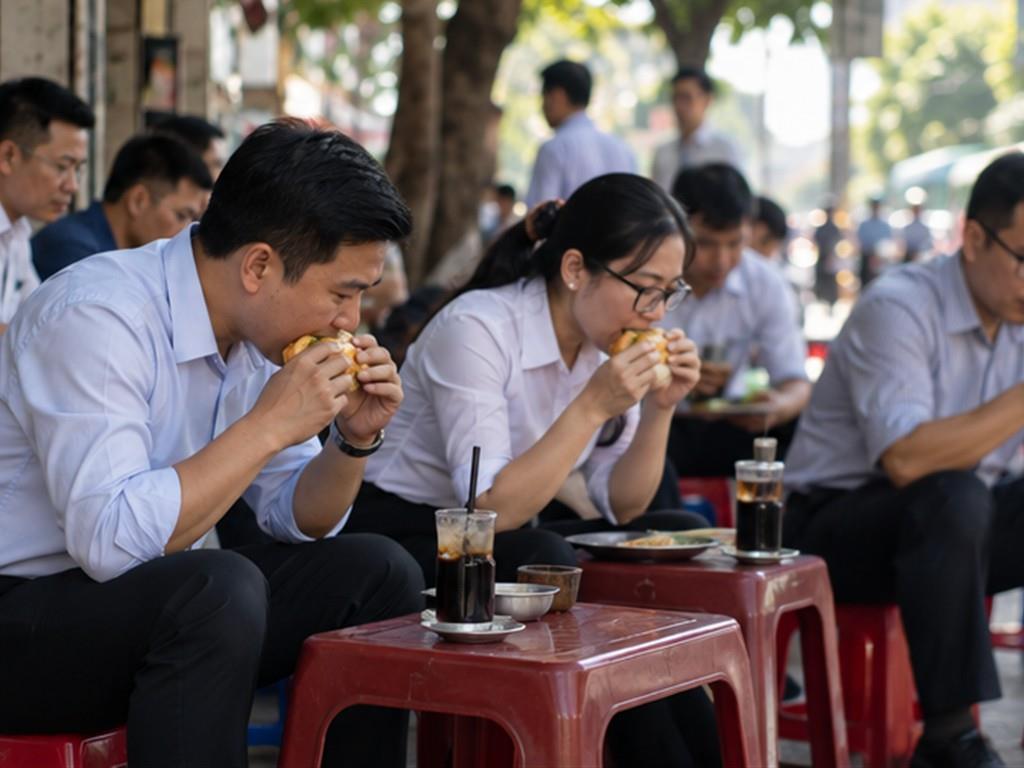
Breakfast in Saigon happens fast but is not careless: a banh mi finished in a few minutes, a cup of cloth-filter coffee dripping from years of practised rhythm, and a low stool that is enough for a pause before work.
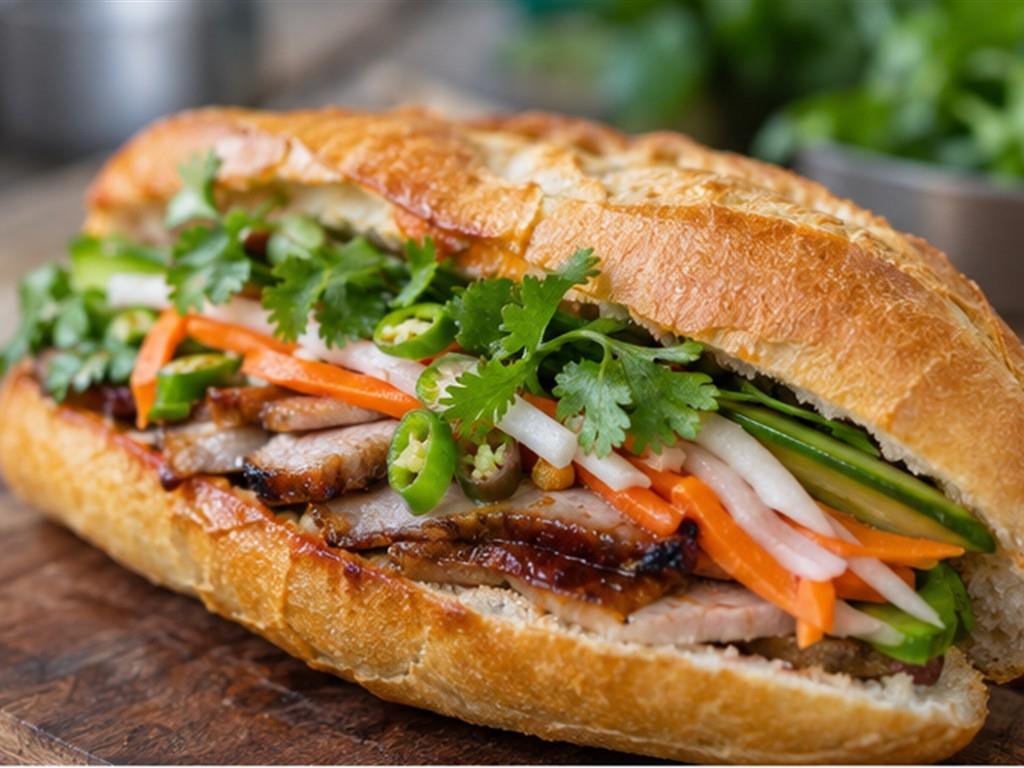
Banh mi is a structure of layers
A crisp crust, a light crumb, a savoury filling, fresh herbs and pickles create the balance. Every cart combines them differently, from meats and pate to egg. One sandwich you have eaten should not be taken as the standard for the whole city.
You can ask for less chilli, less sauce, or for an allergen to be left out. Look for ingredients kept covered, separate tongs and a steady flow of sales. Eating it straight after buying is when the crispness comes through best.
Cloth-filter coffee, and the slow rhythm behind the speed
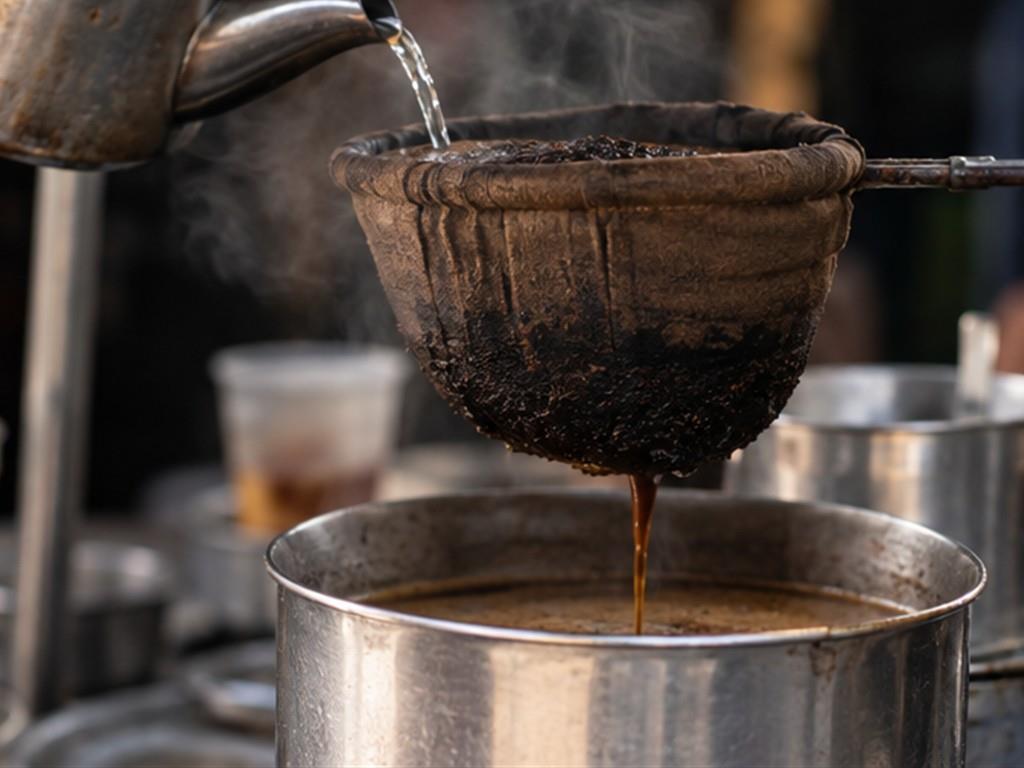
The cloth filter holds the grounds during extraction, giving an aroma and a body different from a phin. Quality depends on the beans, the roast, the water temperature and how the filter is looked after — not simply on how worn the equipment looks.
A long-established shop is a living space for its regulars. A visitor should order, sit compactly and ask permission before filming the person brewing. Do not ask them to repeat the motions several times during a busy hour just to get a video.
Designing a morning that does not chase a list
Choose one main item and one drink, then walk around the same area. Crossing the city to try several addresses can break the rhythm of breakfast and push up the cost.
If you want to try more, share portions with whoever you are with rather than ordering a full serving at each place. Do not leave food half-eaten just to move on. The city has plenty of other mornings; a responsible experience does not have to finish every dish in one go.
Eating well while keeping a clear head
A good food experience does not require ordering a great deal. Watch how much your group actually eats, order in rounds and ask about portion sizes. At an unfamiliar place, prefer one where ingredients are covered, the preparation area is reasonably clean, hot food is served hot and the seller has a steady stream of customers. Anyone with allergies or a particular diet should ask what is in a dish rather than guessing from its name.
Prices vary by neighbourhood, by time and by the size of the place, so any figures are only a rough guide. The effective way to hold a budget is to put most of it into the main meals and keep a small amount aside for drinks, parking and unplanned extras. Do not haggle aggressively with small vendors; if a price does not suit you, ask first and then choose somewhere else.
Respecting the food and the people who cook it
When you write or share, name the place, the time and the version you actually ate. One personal experience does not represent a whole region. Salty, sweet, hot or rich should be described rather than judged. If you photograph a vendor or a kitchen, ask permission and avoid blocking the way at busy hours.
Local food exists thanks to a whole chain of labour: the people who grow, fish, transport, sell at market and stand at the stove. Finishing what you order, favouring seasonal ingredients and cutting down on single-use plastic are small but real contributions from the person eating. Good food is kept alive not only by praise but by choices that are fair to the people who make it.
A manageable way to begin
Pick one neighbourhood, arrive before the rush, eat a banh mi on the spot and then give the coffee some time. Ask the seller how they prepare it rather than only asking how old the shop is.
What matters is choosing an approach that fits your actual circumstances, watching how it goes and adjusting. A good plan does not have to be perfect the first time; it needs to be clear enough to start and flexible enough to keep going.
A Saigon breakfast stays with you because it shows how the city works: fast, adaptable, and yet full of techniques repeated patiently over many years.


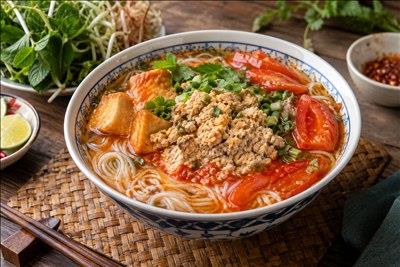 How to cook bun rieu cua: fragrant, with the crab curd in soft clouds and a clear broth
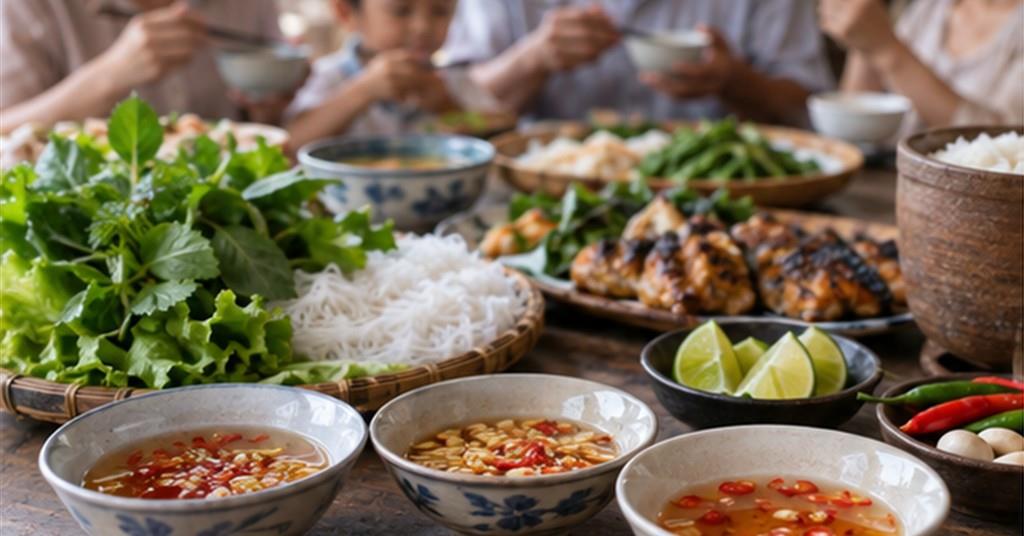 Fish sauce on the table across the three regions: from how it is mixed to what it is eaten with
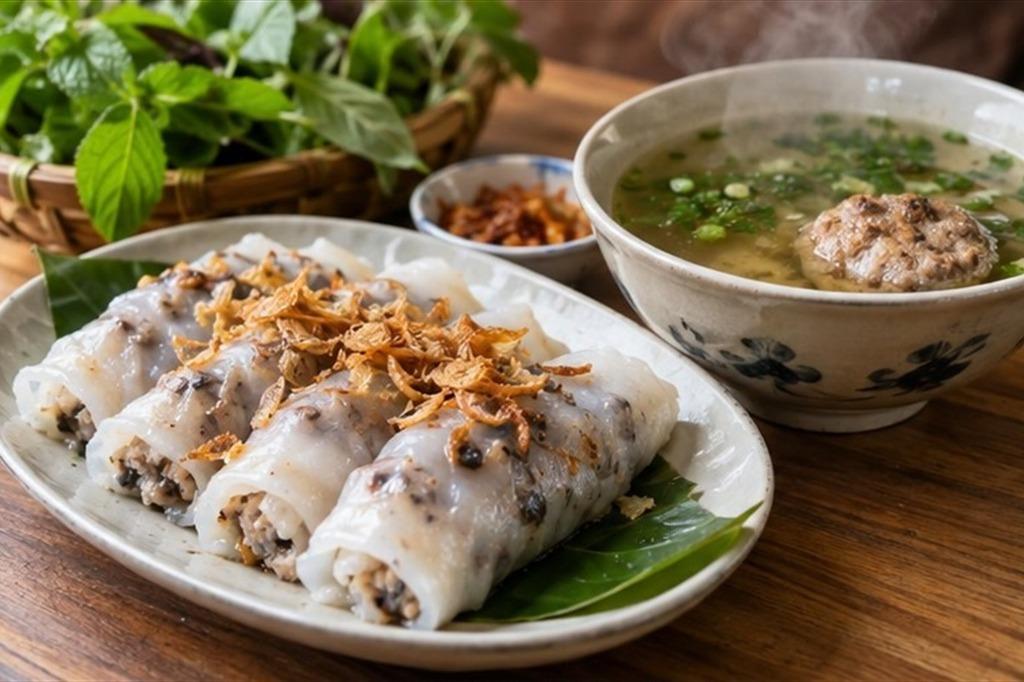 Cao Bang banh cuon: a thin rice sheet eaten with a bowl of hot broth on the frontier
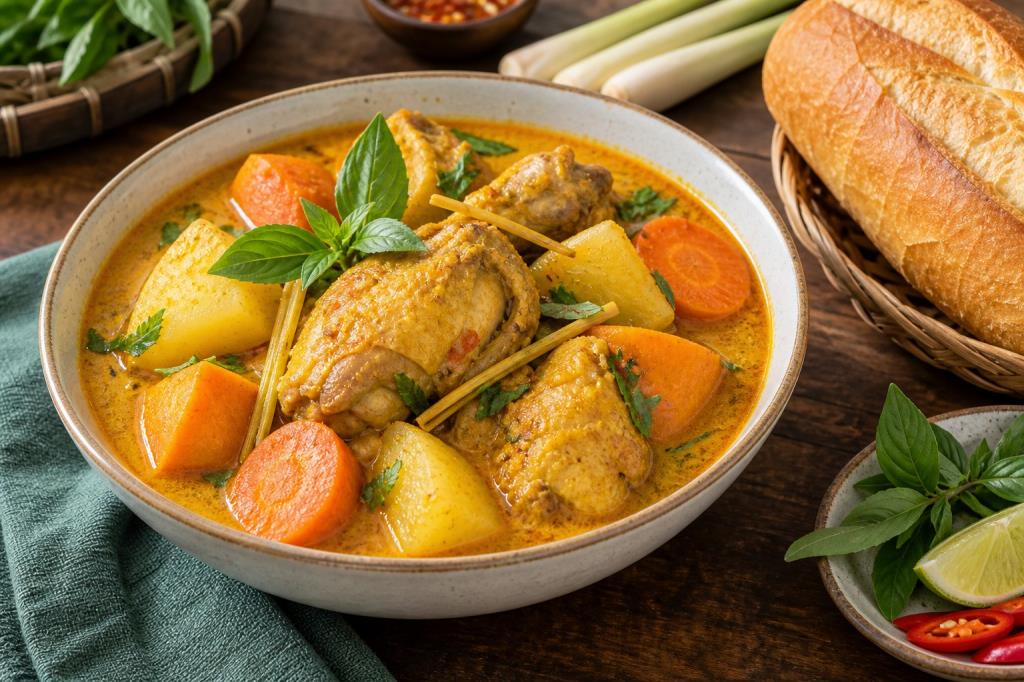 How to cook Vietnamese chicken curry: gently rich, tender meat and potatoes that hold together
 The coastal kitchen of central Vietnam: grilled fish, fermented sauce and getting through the storm season
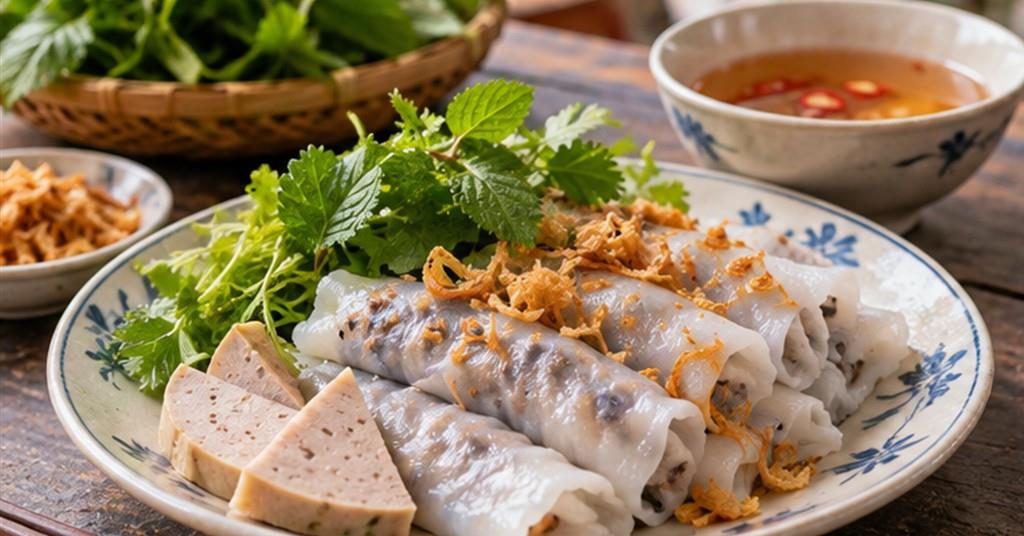 Bánh cuốn across the three regions: the same thin sheet, a different way of eating it
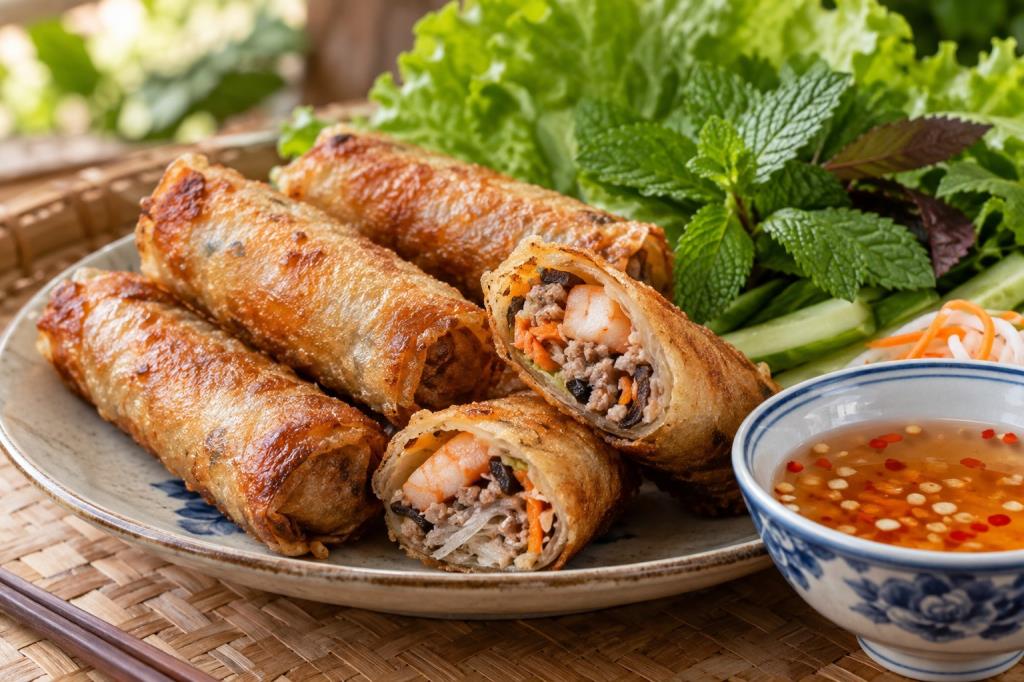 How to make cha gio that stays crisp, with an evenly cooked filling and no split wrappers
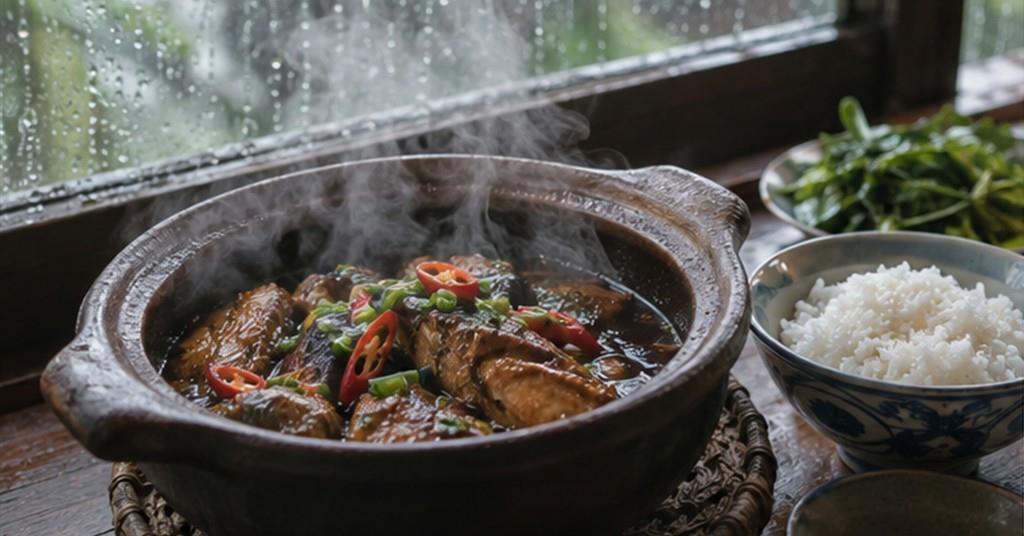 What is it about a Vietnamese rainy-season meal that people far from home never forget?
Đăng nhập để bình luận: / Sign in to comment: