



Good Foods and Recommended Daily Menu for Cardiovascular Patients
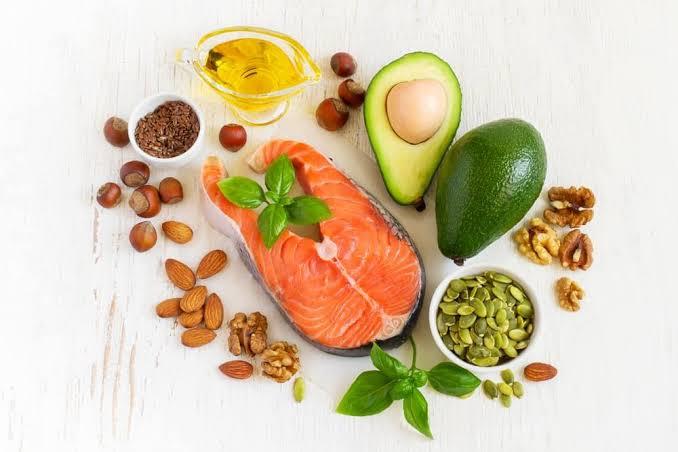
Diet plays a pivotal role in protecting cardiovascular health, helping to control blood pressure, blood lipids, and weight—factors that directly affect heart health. For people who already have cardiovascular disease, choosing appropriate foods also helps reduce the burden on the heart and minimize complications. Below are recommended food groups, a sample daily menu, and practical, easy-to-apply daily dietary tips.
Good foods for people with cardiovascular disease
The general guideline often recommended for people with cardiovascular disease is to eat a low-sodium diet, limit saturated and trans fats, while increasing green vegetables, dietary fiber, and healthy fats. Here are some foods you should prioritize in your meals:
- Fatty fish (salmon, mackerel, herring, sardines): rich in omega-3 fatty acids, which are believed to help reduce blood lipids and support vascular health; you should aim for about 2–3 meals per week.
- Dark leafy greens (spinach, kale, broccoli): provide fiber, potassium, and antioxidants, helping to support blood pressure regulation.
- Whole grains (brown rice, oats, rye bread): rich in soluble fiber, which helps slow cholesterol absorption and keeps you feeling full longer.
- Beans and soybeans: plant-based protein sources low in saturated fat, which can be used to partially replace red meat in your diet.
- Nuts and seeds (walnuts, almonds, flaxseeds): contain unsaturated fats and plant-based omega-3s; consume in small, moderate portions as they are energy-dense.
- Fresh fruits (apples, oranges, bananas, berries): rich in vitamins, fiber, and potassium, making them a great alternative to processed sweets.
- Olive oil and healthy vegetable oils: replace animal fats and provide good fats when used in reasonable amounts.
- Yogurt and low-fat milk: supplement calcium and beneficial probiotics, prioritizing unsweetened or low-sugar varieties.
Sample daily menu
The menu below is for reference only, helping you visualize how to combine food groups throughout the day. Specific portion sizes should be adjusted based on weight, physical activity level, and your doctor's recommendations.
Breakfast: a bowl of oatmeal cooked with low-fat milk, topped with a few banana slices and a few walnuts; accompanied by a cup of green tea or plain water. This is a fiber-rich meal that keeps you full and stabilizes your morning energy.
Lunch: a moderate portion of brown rice, pan-seared salmon or mackerel with a little olive oil, a plate of boiled vegetables or a green salad with light vinaigrette, and fresh fruit for dessert.
Dinner: should be lighter and eaten earlier, such as a bowl of vegetable soup with tofu, paired with skinless chicken breast or a portion of beans, along with a small amount of rice or sweet potato. Limit fried foods and salty dishes in the evening.
Snack: a cup of low-sugar yogurt, a small handful of almonds, or an apple. Snacks help prevent overeating during main meals while keeping energy levels under control.
Cooking tips & eating habits
Cooking methods significantly impact the amount of salt and fat entering the body. A few simple tips can make a noticeable difference:
- Prioritize steaming, boiling, baking, and low-oil pan-searing instead of deep-frying.
- Gradually reduce salt, fish sauce, and seasoning powder; enhance flavor with garlic, ginger, onion, lemon, fresh herbs, and pepper instead of adding saltiness.
- Read food labels to avoid sodium-rich processed foods; limit pickles, sausages, Vietnamese hams, canned foods, and instant noodles.
- Choose lean meats, remove poultry skin, and skim off excess fat and grease from stews and soups.
- Eat slowly, chew thoroughly, and divide portions appropriately; drink enough water and limit sugary drinks and alcohol.
- Maintain a healthy weight and combine it with regular gentle exercise as guided by your doctor.
Common mistakes to avoid
Many people eat based on personal feelings or word of mouth, inadvertently causing harm to their hearts. Some common mistakes include:
- Only avoiding fat while forgetting salt: eating overly salty food still increases blood pressure even if the diet is low in fat.
- Overusing dietary supplements: taking heart supplements or high-dose fish oil on your own instead of eating natural foods without consulting a doctor.
- Skipping meals or eating heavily at night: easily causes weight gain and blood sugar fluctuations, putting extra strain on the heart.
- Thinking sugar-free or low-fat products can be consumed freely: many products are still high in calories, sodium, or hidden fats.
- Drinking alcohol for heart health: this is a misconception; cardiovascular patients should minimize or abstain from alcohol as advised by medical professionals.
Frequently asked questions
Do people with cardiovascular disease need to avoid fat completely?
Absolute abstention is not necessary. The body still needs healthy fats from fatty fish, olive oil, and nuts; what you should do is limit saturated fats (animal fats, fried foods) and trans fats in processed foods.
How low should salt intake be?
Many guidelines recommend gradually reducing daily salt intake and avoiding overly salty foods. Specific levels depend on your blood pressure and underlying conditions, so you should consult a doctor or nutritionist for an appropriate recommendation.
Does drinking coffee or tea affect the heart?
For most people, a moderate amount of coffee or tea is generally considered acceptable. However, if you experience arrhythmia, palpitations, or insomnia, limit intake and discuss it with your treating physician.
Health note: this article is for reference purposes only and does NOT replace medical advice. Cardiovascular patients should consult their treating doctor or a nutritionist for a diet tailored to their specific condition, medications, and underlying health issues.
See also: articles in the Health & Beauty section · ola88 Utilities


 Letters, photographs and keepsakes: learning gratitude for earlier generations through family memory
 Easing neck and shoulder tension at a desk: adjusting your setup and changing position
 A city is clean and safe because of people who start their working day before we do
 One phone-free hour a day: a small gap for returning to real life
 Small rituals that keep a family close inside a busy schedule
 Morning light and your sleep rhythm: building a steadier wake-up schedule
 Repair instead of replacing in a hurry: a small habit for a sturdier home and less waste
 A happy family is not a family that never argues
Đăng nhập để bình luận: / Sign in to comment: