



A city is clean and safe because of people who start their working day before we do
While most of the city is still asleep, many people are already sweeping the streets, collecting rubbish, checking gates and getting spaces ready so that a new day can run normally.
Seeing the work that is easy to overlook
Cleaning, security and maintenance are usually noticed only when something goes wrong. Cleanliness and order make the result of the work almost invisible. Calling the job by its proper name is the first step of respect.
Do not turn working people into a backdrop for touching content. If you want to photograph or interview someone, ask permission, say clearly what it is for and accept a refusal. A shift should not be interrupted for the needs of a passer-by.
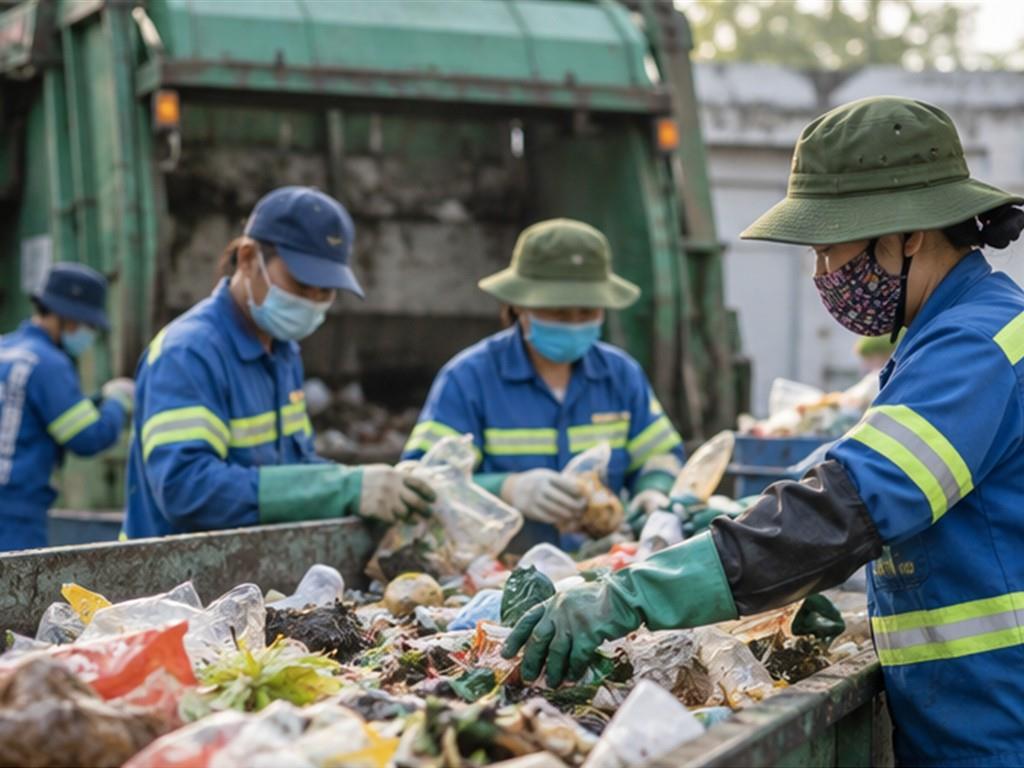
The best thank-you may be making less work
Putting rubbish in the right place, tying the bags shut, keeping sharp objects out of the general waste and sticking to the collection times are the practical ways. With security staff, cooperating during entry checks lets them do their job properly.
A greeting, a bottle of water on a hot day or a positive word to the management all mean something, but they do not replace wages, protective equipment and fair working conditions.

Teaching children to respect every occupation
Children learn their attitudes from the way adults talk about people who serve them. Avoid using an occupation as a threat or as an example of failure. Explain instead what that work contributes to the community.
Letting children help with sorting, carry the rubbish to the right place and greet the workers they see regularly ties gratitude to behaviour instead of leaving it as a lesson learned by heart.
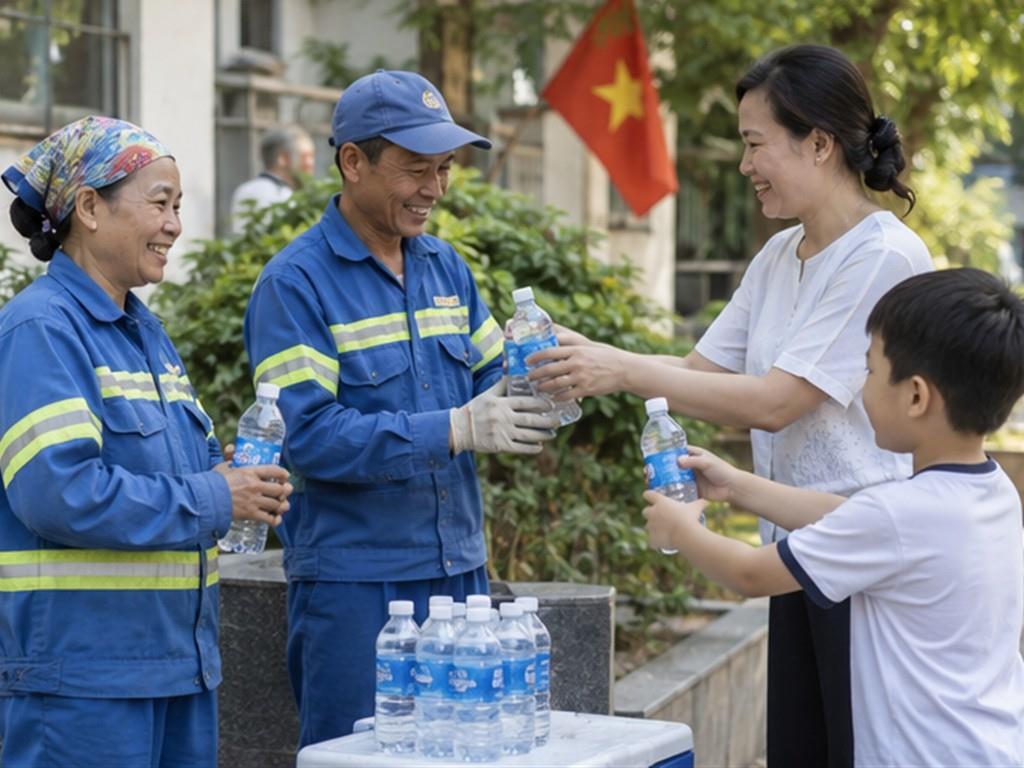
Turning appreciation into action
A feeling only lasts when something concrete goes with it. That might be a thank-you at the right moment, a regular phone call, taking a share of the responsibility, or simple courtesy towards the people you meet each day. A small action repeated usually means more than a grand promise that appears only on special occasions.
Care needs boundaries too. Do not photograph and post pictures of others without their consent, do not press family members to tell private stories, and do not turn gratitude into a debt that has to be repaid. Respecting the right to say no keeps affection from becoming pressure.
Begin at a scale you can manage
No one can change a whole family or community in a day. Choose one habit small enough to keep up: a meal without phones, remembering the name of someone who regularly helps you, or quietly doing the job nobody notices. Only when a good deed can be repeated does it become a culture.
If there is a disagreement, talk about the specific behaviour and what is needed now, rather than labelling the person. A good apology acknowledges the effect and comes with a way of putting it right. Both family closeness and public kindness are built through many adjustments of that kind.
A practical way to begin
This week, pick one thing that lightens the load for the people who look after shared spaces: sort properly, clear up after yourself, cooperate with security and say thank you in a way that does not interrupt their work.
Treat a plan as a frame of reference, check the details close to the date, and adjust it to your health, your budget and your actual circumstances. A good experience does not have to be perfect from the start; it needs to be clear enough to carry out and flexible enough not to become a pressure.
A civilised city is measured not only by handsome streets but by how its residents treat the people who keep those streets clean and safe every day.



 A city is clean and safe because of people who start their working day before we do
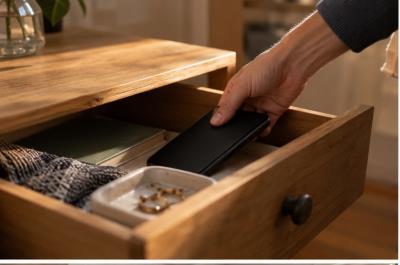 One phone-free hour a day: a small gap for returning to real life
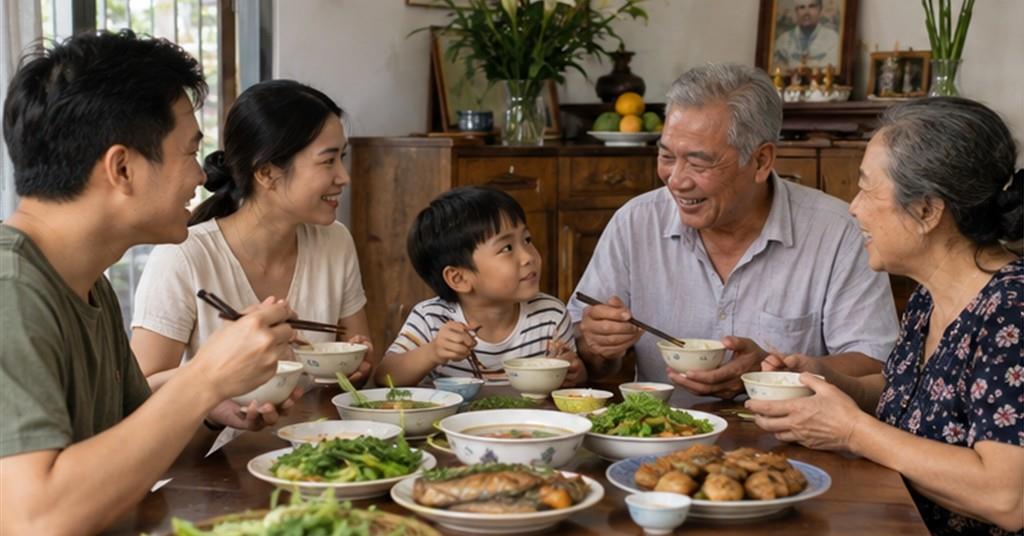 Small rituals that keep a family close inside a busy schedule
 Morning light and your sleep rhythm: building a steadier wake-up schedule
 Repair instead of replacing in a hurry: a small habit for a sturdier home and less waste
 A happy family is not a family that never argues
 Do not only ask your child what they scored — ask whether they were happy today
 Siblings scattered in different places: how do you keep the bond from fading?
Đăng nhập để bình luận: / Sign in to comment: