



The Meaning of the Cold Food Festival for Vietnamese People
Although originating from China, the Cold Food Festival (Tết Hàn thực) of Vietnamese people still possesses its own distinct nuances, deeply imbued with Vietnamese culture.
Every year, on the 3rd day of the 3rd lunar month, known in folk traditions as the Cold Food Festival, Vietnamese people gather to prepare beautiful plates of floating rice cakes (bánh trôi) and vegetarian rice balls (bánh chay) to offer to their ancestors. On this day, no matter how far away people are, they try to return home to visit and clean ancestral graves early in the year and sit together at a warm family reunion meal.
And these traditions have become deeply ingrained in the subconscious of Vietnamese people, so that whenever the Cold Food Festival arrives, every household eagerly prepares to make floating rice cakes and vegetarian rice balls. With the rich aroma of mung beans and molasses, the festive atmosphere seems to become more vibrant and meaningful.
[IMG alt=Y nghia ngay tet Han thuc cua nguoi Viet Nam]https://media.ola88.com/images/42015/tran-tran-thang/220150421190504.jpg[/IMG]
The image of bánh trôi and bánh chay has become familiar to Vietnamese people on this meaningful festival day (Illustrative photo).
According to legend, today's Cold Food Festival of the Vietnamese originates from an ancient Chinese anecdote.
During the Spring and Autumn period, King Jin Wen Gong of the Jin state faced political turmoil and had to go into exile, living a life of wandering between Qi state today and Chu state tomorrow. At that time, a loyal scholar named Jie Zhitui followed and assisted the king with many clever strategies. One day, while fleeing, food ran out, and Jie Zhitui secretly cut a piece of meat from his own thigh to cook and offer to the king. After eating, the king found out and was deeply moved.
Jie Zhitui served King Jin Wen Gong for nineteen long years, enduring hardships together through thick and thin. Later, Jin Wen Gong reclaimed his throne and returned to rule the Jin state, generously rewarding those who contributed during his exile, but forgot Jie Zhitui. Jie Zhitui bore no resentment, believing that serving the king was merely his duty and that such actions were not worth boasting about.
Therefore, he returned home and took his mother to live in seclusion in the Mianshan Mountains. Later, Jin Wen Gong remembered and sent people to find Jie Zhitui. However, being a man who did not crave fame or fortune, Jie Zhitui firmly refused to return for rewards, prompting Jin Wen Gong to order the forest to be burned (hoping to force Jie Zhitui out). Unexpectedly, Jie Zhitui was resolute, and both he and his mother died in the forest fire.
Grief-stricken and mournful, the king built a temple to honor him and decreed that common people abstain from lighting fires for three days, eating only cold pre-cooked food to commemorate Jie Zhitui.
From then on, the 3rd day of the 3rd lunar month every year was considered the Cold Food Festival, to commemorate the nurturing contributions of those who have passed away. On these days, people eat cooked food served cold with the utmost reverence.
Although originating from China, the Cold Food Festival of Vietnamese people still has its own distinct characteristics, deeply rooted in Vietnamese identity. On this day, Vietnamese people do not abstain from fire and continue cooking normally. Notably, Vietnamese people also created bánh trôi and bánh chay, symbolizing cold food (hàn thực).
Turning towards ancestral roots
The Cold Food Festival of Vietnamese people mainly bears the meaning of turning towards ancestral roots and commemorating the contributions of the departed. For instance, Vietnamese people have a custom of offering bánh trôi at the Hai Bà Trưng Festival on the 6th day of the 3rd lunar month in Hà Tây. Following that, on the Hùng Kings' Commemoration Day on the 10th day of the 3rd lunar month, Vietnamese people from all corners of the country travel to Hùng Temple in Phú Thọ to burn incense and offer plates of bánh trôi and bánh chay to remember their origins... Thus, it is clear that our Cold Food Festival carries its own national identity, enduring throughout the nation's history of building and defending the country.
National tradition
Bánh trôi and bánh chay are the hallmarks of this holiday. Since ancient times, bánh trôi and bánh chay have entered national poetry as typical, popular dishes of Vietnamese people. Both types of cakes are made from fragrant glutinous rice flour. Bánh trôi is rolled into small balls, white on the outside with a red sugar filling inside, dropped into boiling water, and scooped out as soon as they float to the surface. Meanwhile, bánh chay is shaped into flat rounds without filling, placed on small plates, and covered with sweet syrup when eaten.
[IMG alt=Y nghia ngay tet Han thuc cua nguoi Viet Nam]https://media.ola88.com/images/42015/tran-tran-thang/120150421190432.jpg[/IMG]
Reflecting on past stories
On these days, enjoying a plate of bánh trôi and bánh chay with loved ones makes one feel the subtleties of human nature and worldly affairs. Many people also say to one another that eating bánh trôi and bánh chay on this day is a way to reflect on old stories and past times of our nation.
Every year, on the 3rd day of the 3rd lunar month, known in folk traditions as the Cold Food Festival, Vietnamese people gather to prepare beautiful plates of floating rice cakes (bánh trôi) and vegetarian rice balls (bánh chay) to offer to their ancestors. On this day, no matter how far away people are, they try to return home to visit and clean ancestral graves early in the year and sit together at a warm family reunion meal.
And these traditions have become deeply ingrained in the subconscious of Vietnamese people, so that whenever the Cold Food Festival arrives, every household eagerly prepares to make floating rice cakes and vegetarian rice balls. With the rich aroma of mung beans and molasses, the festive atmosphere seems to become more vibrant and meaningful.
[IMG alt=Y nghia ngay tet Han thuc cua nguoi Viet Nam]https://media.ola88.com/images/42015/tran-tran-thang/220150421190504.jpg[/IMG]
The image of bánh trôi and bánh chay has become familiar to Vietnamese people on this meaningful festival day (Illustrative photo).
According to legend, today's Cold Food Festival of the Vietnamese originates from an ancient Chinese anecdote.
During the Spring and Autumn period, King Jin Wen Gong of the Jin state faced political turmoil and had to go into exile, living a life of wandering between Qi state today and Chu state tomorrow. At that time, a loyal scholar named Jie Zhitui followed and assisted the king with many clever strategies. One day, while fleeing, food ran out, and Jie Zhitui secretly cut a piece of meat from his own thigh to cook and offer to the king. After eating, the king found out and was deeply moved.
Jie Zhitui served King Jin Wen Gong for nineteen long years, enduring hardships together through thick and thin. Later, Jin Wen Gong reclaimed his throne and returned to rule the Jin state, generously rewarding those who contributed during his exile, but forgot Jie Zhitui. Jie Zhitui bore no resentment, believing that serving the king was merely his duty and that such actions were not worth boasting about.
Therefore, he returned home and took his mother to live in seclusion in the Mianshan Mountains. Later, Jin Wen Gong remembered and sent people to find Jie Zhitui. However, being a man who did not crave fame or fortune, Jie Zhitui firmly refused to return for rewards, prompting Jin Wen Gong to order the forest to be burned (hoping to force Jie Zhitui out). Unexpectedly, Jie Zhitui was resolute, and both he and his mother died in the forest fire.
Grief-stricken and mournful, the king built a temple to honor him and decreed that common people abstain from lighting fires for three days, eating only cold pre-cooked food to commemorate Jie Zhitui.
From then on, the 3rd day of the 3rd lunar month every year was considered the Cold Food Festival, to commemorate the nurturing contributions of those who have passed away. On these days, people eat cooked food served cold with the utmost reverence.
Although originating from China, the Cold Food Festival of Vietnamese people still has its own distinct characteristics, deeply rooted in Vietnamese identity. On this day, Vietnamese people do not abstain from fire and continue cooking normally. Notably, Vietnamese people also created bánh trôi and bánh chay, symbolizing cold food (hàn thực).
Turning towards ancestral roots
The Cold Food Festival of Vietnamese people mainly bears the meaning of turning towards ancestral roots and commemorating the contributions of the departed. For instance, Vietnamese people have a custom of offering bánh trôi at the Hai Bà Trưng Festival on the 6th day of the 3rd lunar month in Hà Tây. Following that, on the Hùng Kings' Commemoration Day on the 10th day of the 3rd lunar month, Vietnamese people from all corners of the country travel to Hùng Temple in Phú Thọ to burn incense and offer plates of bánh trôi and bánh chay to remember their origins... Thus, it is clear that our Cold Food Festival carries its own national identity, enduring throughout the nation's history of building and defending the country.
National tradition
Bánh trôi and bánh chay are the hallmarks of this holiday. Since ancient times, bánh trôi and bánh chay have entered national poetry as typical, popular dishes of Vietnamese people. Both types of cakes are made from fragrant glutinous rice flour. Bánh trôi is rolled into small balls, white on the outside with a red sugar filling inside, dropped into boiling water, and scooped out as soon as they float to the surface. Meanwhile, bánh chay is shaped into flat rounds without filling, placed on small plates, and covered with sweet syrup when eaten.
[IMG alt=Y nghia ngay tet Han thuc cua nguoi Viet Nam]https://media.ola88.com/images/42015/tran-tran-thang/120150421190432.jpg[/IMG]
Reflecting on past stories
On these days, enjoying a plate of bánh trôi and bánh chay with loved ones makes one feel the subtleties of human nature and worldly affairs. Many people also say to one another that eating bánh trôi and bánh chay on this day is a way to reflect on old stories and past times of our nation.


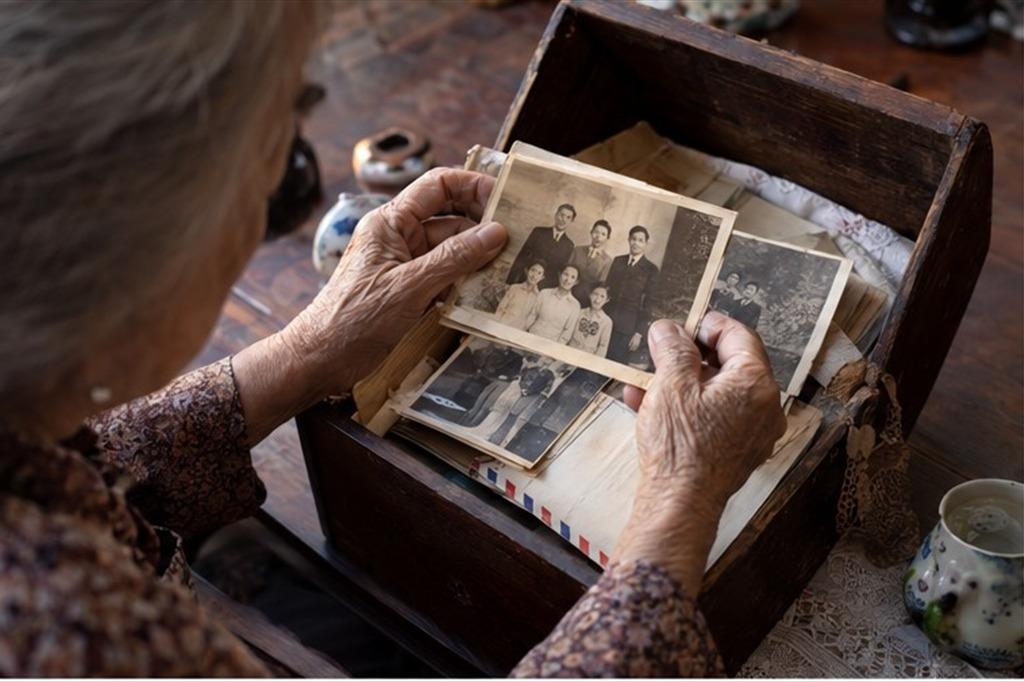 Letters, photographs and keepsakes: learning gratitude for earlier generations through family memory
 Easing neck and shoulder tension at a desk: adjusting your setup and changing position
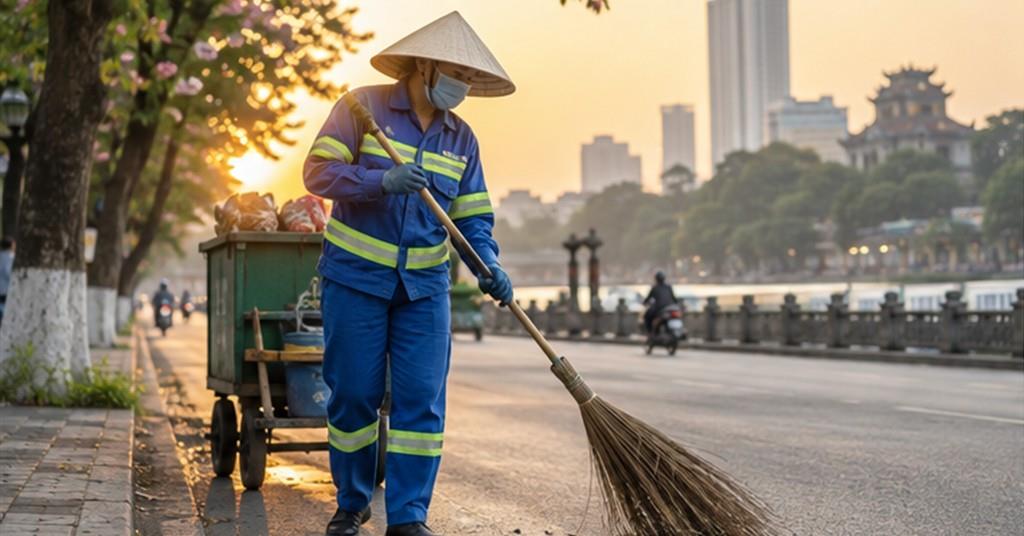 A city is clean and safe because of people who start their working day before we do
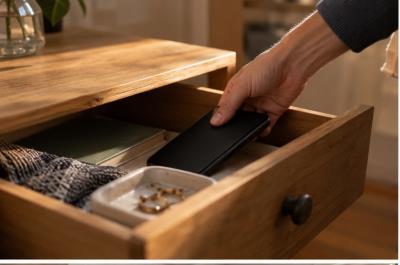 One phone-free hour a day: a small gap for returning to real life
 Small rituals that keep a family close inside a busy schedule
 Morning light and your sleep rhythm: building a steadier wake-up schedule
 Repair instead of replacing in a hurry: a small habit for a sturdier home and less waste
 A happy family is not a family that never argues
Đăng nhập để bình luận: / Sign in to comment: