



Drinking enough water each day: reading your needs instead of forcing a number
“Everyone must drink exactly two litres of water” is easy to remember but far too simple. Fluid needs change with the body, the weather, activity, food, pregnancy, illness and medication. A more sensible aim is to read the body's signals, spread your drinking through the day and adjust to circumstances.
Water takes part in regulating body temperature, transporting substances and many other processes. Even so, drinking more does not mean being healthier; the body has limits on what it can excrete. A good habit avoids both extremes: letting thirst go on and on, and forcing down large amounts when you are already well hydrated or when a doctor has told you to limit fluids.
What to remember first
- The figure of six to eight glasses is only a rough guide, not a prescription for everyone.
- Water from drinks and from food both count towards your total fluid intake.
- Needs usually rise in hot weather, with heavy activity, fever, vomiting or diarrhoea.
- Pale yellow urine can be a practical hint, but it is not a diagnostic test.
- Anyone with heart, kidney or liver disease, or who must restrict fluids, needs individual guidance.
Why there is no single right number for everyone
Someone working outdoors in a hot climate is not the same as someone sitting in a cool room; a larger body, a salty diet, prolonged exercise or breastfeeding also change what is needed. Soup, milk, juicy fruit and other drinks all contribute. So treat the reference figure as a starting point and adjust it by your circumstances, your thirst, how often you pass urine and your own medical advice.
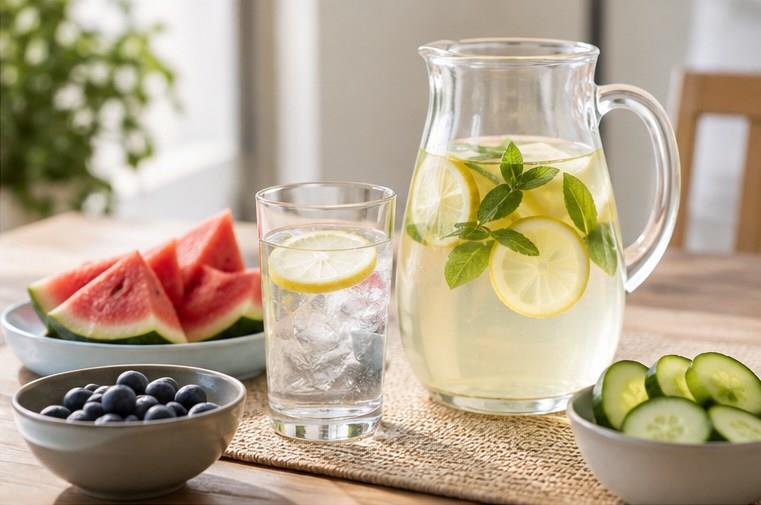
Spotting the early signs of dehydration
Thirst, a dry mouth, tiredness, headache, dizziness, passing little urine, or dark and strong-smelling urine can appear when the body is short of water, but they have other causes too. B vitamins, food, medication and illness can all change urine colour. Do not diagnose yourself from a colour alone; look at how things have developed, how much you are passing, your surroundings and any accompanying symptoms.

Spread it out instead of catching up all at once
Keeping water in sight, drinking with meals, carrying a bottle when you go out and taking a few sips before, during and after exercise all spread it out naturally. With prolonged sweating, mineral needs may differ; do not mix an over-salty solution yourself or use electrolyte drinks regularly just because of advertising. For vomiting and diarrhoea, oral rehydration solution should be used exactly as directed.
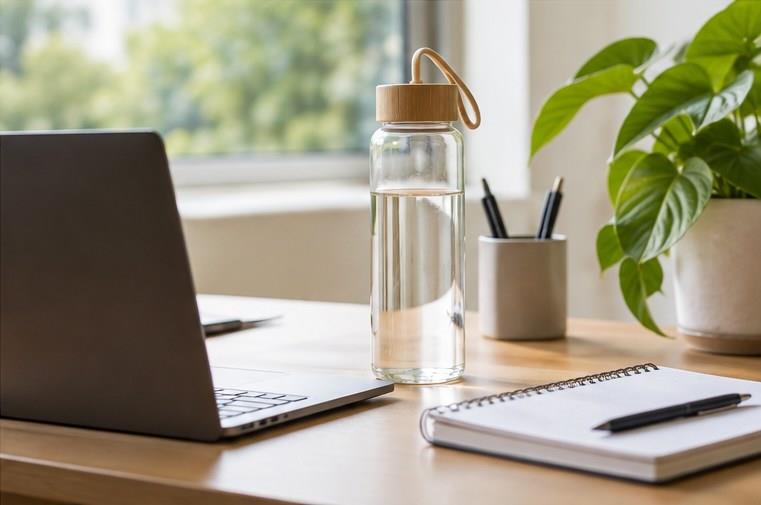
Choosing drinks that suit your aim
Plain water is the simple choice. Tea and coffee still contribute fluid in people who tolerate them normally, but sugar, caffeine, sleep and any illness have to be weighed up. Soft drinks, milk tea and energy drinks should not be your main source of hydration. Alcohol can complicate both judgement and fluid balance, especially in hot weather.
When drinking a lot can be unsafe
Drinking a very large amount in a short time can disturb the body's electrolytes. Nausea, headache, confusion or unusual weakness after forcing fluids down deserve attention. Anyone prescribed a diuretic, or with heart failure, kidney failure or liver disease, must keep to the fluid limit their doctor sets; general advice must not be used in place of that plan.
Turning knowledge into a habit
A useful change usually comes from one small act repeated, not from a week of overdoing it. Choose something easy to measure, attach it to a point that already exists in your day and watch your body over a few weeks. A short log of symptoms, activity levels, products used or the circumstances in which a problem appears can help you see a pattern; it does not replace a diagnosis.
Do not apply the same formula to everyone. Age, pregnancy, underlying conditions, current medication, occupation, climate and access to services all make needs different. If a change causes pain, lasting discomfort or worsening symptoms, stop and seek appropriate advice rather than enduring it to reach a number you found online.
Things that are easily misunderstood
Everyone needs exactly two litres of plain water a day
Needs differ, and total fluid also comes from food, milk, soup and other drinks.
Coffee and tea do not count at all
They do supply fluid, but caffeine, sugar, sleep and individual tolerance have to be taken into account.
The clearer the urine, the better
Continuously clear urine is not a required goal and may reflect drinking too much; the colour is also affected by medication, vitamins and illness.
Seven things you could start right away
- Drink a glass after waking, unless you are on a fluid restriction.
- Keep a bottle where you will often see it.
- Drink with your main meals rather than waiting until you are very thirsty.
- Carry extra water in hot weather or on a long journey.
- Watch how much you pass and how your body feels, rather than chasing a rigid app.
- Favour water and low-sugar drinks.
- Ask your doctor about fluid amounts if you have heart, kidney or liver disease.
When should you seek professional help?
Confusion, fainting, persistent dizziness, passing almost no urine, an irregular heartbeat, or being unable to keep fluids down because of severe vomiting or diarrhoea all need early assessment. Young children, older people and those with underlying conditions can dehydrate faster. If you suspect a serious state, do not delay contacting a medical facility.
When you go for a consultation, bring a list of the medicines and supplements you take, when the symptoms began, what makes them better or worse, and photographs of their progression if appropriate. Specific information helps a health worker assess better than simply saying “for a long time” or “very uncomfortable”. Symptoms that are sudden or severe, or that affect breathing, consciousness or the ability to function, need urgent assessment as a priority.
A self-assessment checklist
- What is my goal, and what behaviour can measure it?
- Does this change suit my underlying conditions, my medication and my individual guidance?
- Am I changing one factor, or too many things at once?
- What signs show my body is responding well, and what signs mean I should stop?
- After two to four weeks, what should I keep, adjust or take to a professional?
Safety notes
Do not increase your water intake on your own to “detox”, to treat stones or to deal with swelling before being assessed. With vomiting, diarrhoea or heavy sweating, plain water is sometimes not enough; use rehydration solution as directed and ask a health worker if symptoms persist.
This article offers general health information. It does not diagnose and does not replace advice from a doctor, pharmacist, dentist, dietitian or qualified trainer. Anyone who is pregnant, has recently had surgery, has a chronic condition, a history of severe allergy, or is undergoing treatment should consult the professional responsible for their care before making any significant change.
Conclusion
Drinking enough is a skill of observing and adjusting, not a contest to hit a number. A bottle within reach, low-sugar choices and attention to the weather, to activity and to any underlying condition make a more practical habit than any rigid formula.



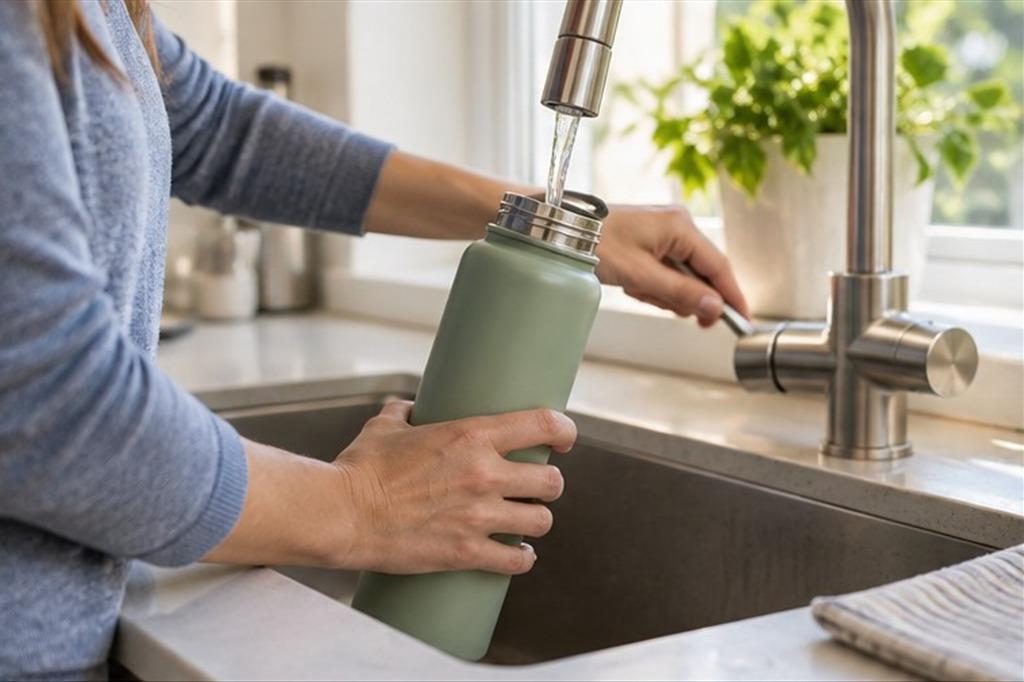 Drinking enough water each day: reading your needs instead of forcing a number
 Carrying it on with more than thanks: what can young people do to be worthy of those who came before?
 Letters, photographs and keepsakes: learning gratitude for earlier generations through family memory
 Easing neck and shoulder tension at a desk: adjusting your setup and changing position
 A city is clean and safe because of people who start their working day before we do
 One phone-free hour a day: a small gap for returning to real life
 Small rituals that keep a family close inside a busy schedule
 Morning light and your sleep rhythm: building a steadier wake-up schedule
Đăng nhập để bình luận: / Sign in to comment: