



Good Foods and Sample Menu Ideas for People with Gout

Diet plays an important role in managing gout. In addition to limiting purine-rich foods and alcohol, patients can completely build a delicious, nutritious menu while still supporting safe uric acid levels. The article below suggests recommended food groups along with a sample daily menu, making it easy to apply to your daily meals.
Good Foods for People with Gout
The general recommended principle is to prioritize low-purine, fiber-rich foods that help the body excrete uric acid better. Here are some familiar, easy-to-find suggestions:
- Green vegetables and root vegetables – most vegetables such as greens, squash, carrots, and cucumbers are low in purines, rich in fiber and vitamins, supporting metabolism and providing a healthy feeling of fullness.
- Fresh fruit, especially cherries – many studies show that cherries and berries may be linked to a reduced risk of recurrent acute gout attacks.
- Whole grains – brown rice, oats, and whole-wheat bread provide sustained energy and fiber with low to moderate purine levels.
- Low-fat milk and dairy products – yogurt and skim milk are often recommended as they may help support uric acid excretion.
- Eggs – a high-quality protein source that contains very little purine, suitable for replacing part of the meat in your diet.
- Tofu and beans – provide plant-based protein, serving as a lighter alternative to red meat and seafood.
- Coffee (for those without contraindications) – moderate coffee consumption has been noted in some studies to be associated with lower uric acid levels, but consult a doctor if you have cardiovascular disease or insomnia.
- Plain water – drinking enough water helps the kidneys excrete uric acid more effectively and is considered a foundational habit for people with gout.
Sample Daily Menu Ideas
The menu below is illustrative, balancing vegetables, low-purine protein, and grains. You can adjust the portions based on your energy needs and underlying health conditions.
Breakfast: A bowl of oatmeal cooked with low-fat milk, topped with a few banana slices or a handful of berries; accompanied by a hard-boiled egg and a glass of water. A light, fiber-rich breakfast helps start the day steadily.
Lunch: Brown rice with tofu in tomato sauce, a plate of boiled greens, and zucchini/squash soup. Prioritize plant protein and vegetables while limiting red meat in this main meal.
Dinner: A moderate portion of steamed chicken breast or lean fish, served with boiled vegetables and a small bowl of rice. It is recommended to eat dinner early and avoid overeating to reduce the metabolic burden at night.
Snack: A tub of low-sugar yogurt or a serving of fresh fruit (apple, pear, orange) mid-day. A light snack helps prevent intense hunger that leads to overeating during main meals.
Throughout the day, maintain regular water intake, prioritizing plain water over carbonated soft drinks or bottled fruit juices high in sugar.
Cooking Tips & Eating Habits
Daily cooking methods and eating habits significantly affect gout control:
- Prioritize steaming, boiling, and light braising instead of deep-frying or stir-frying with lots of oil to reduce saturated fats.
- For meat, you can parboil and discard the first boiling water to remove some soluble purines before further preparation.
- Eat enough green vegetables with every meal to increase fiber and create a feeling of fullness, limiting excessive protein consumption.
- Maintain a healthy weight; gradual weight loss is usually recommended because losing weight too quickly can temporarily raise uric acid levels.
- Strictly limit alcohol and beer – especially beer, which is considered a common trigger for acute gout flare-ups.
- Maintain a regular meal schedule, split meals if needed, and avoid becoming overly hungry before binge eating.
Common Mistakes to Avoid
Many patients unintentionally make mistakes that make managing the condition more difficult:
- Over-restricting the diet to the point of protein and energy deficiency, causing body fatigue and weakness instead of properly restricting only the necessary food groups.
- Thinking that avoiding seafood is enough while overlooking animal organs, long-simmered bone broths, and red meats, which are also rich in purines.
- Drinking too little water due to reluctance to urinate frequently, whereas adequate hydration is crucial for supporting uric acid excretion.
- Overconsuming soft drinks and fruit juices high in fructose, which can increase uric acid levels.
- Arbitrarily stopping monitoring or skipping follow-up visits once the pain subsides; diet is only one component and must be combined with medical guidance.
Frequently Asked Questions
Can people with gout eat meat?
Yes, but it is best to choose white meat such as chicken breast, consumed in moderate amounts and preferably prepared by steaming or boiling. Limit red meat, organ meats, and bone broth. The appropriate amount should be personalized based on medical advice.
Does drinking plenty of water help reduce uric acid?
Drinking sufficient water helps the kidneys function and excrete uric acid better, which is considered a foundational habit. However, water does not replace a balanced diet and prescribed treatment.
Should people with gout go completely vegetarian?
Not necessarily. Increasing plant protein such as tofu, eggs, and low-fat dairy is often recommended, but adequate nutrition must be ensured. You should consult a nutritionist before making major dietary changes.
Health disclaimer: This article is for reference purposes only and DOES NOT replace medical advice. Gout patients should consult their treating physician or nutritionist to customize a diet suitable for their specific condition, current medications, and comorbidities.
See more: articles in the Health & Beauty category · ola88 Utilities


 Letters, photographs and keepsakes: learning gratitude for earlier generations through family memory
 Easing neck and shoulder tension at a desk: adjusting your setup and changing position
 A city is clean and safe because of people who start their working day before we do
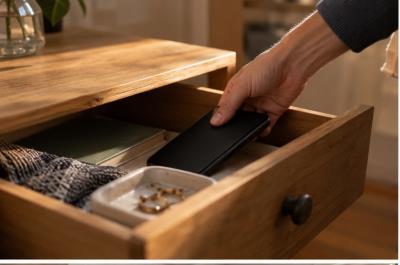 One phone-free hour a day: a small gap for returning to real life
 Small rituals that keep a family close inside a busy schedule
 Morning light and your sleep rhythm: building a steadier wake-up schedule
 Repair instead of replacing in a hurry: a small habit for a sturdier home and less waste
 A happy family is not a family that never argues
Đăng nhập để bình luận: / Sign in to comment: