



Morning light and your sleep rhythm: building a steadier wake-up schedule
Light is one of the main signals the body clock uses to tell day from night. Exposure to daylight, particularly in the earlier part of the day, combined with a reasonably steady wake-up time, can support your sleep rhythm; it is not a fix for every cause of insomnia.
Light outdoors is usually of a different intensity from light indoors, but weather, season, shift patterns and eye conditions mean this has to be applied flexibly. Anyone with persistent difficulty sleeping should also look at caffeine, medication, snoring, anxiety, the sleep environment and their daily schedule, rather than just buying a lamp or forcing themselves up too early.
Quick facts
- Main signals: daylight and a consistent wake-up time.
- To start: open the curtains, step onto the balcony or go outside somewhere safe.
- In the evening: reduce glare and stimulating content.
- Never look directly at the sun.
- Persistent insomnia or dangerous sleepiness needs medical attention.
The body clock needs consistent signals
The body uses light, meal times, movement and social routines to estimate the time. A wake-up time that swings widely from day to day can make those signals more confusing. A realistic wake-up time that does not shift too far even at weekends is usually an easier anchor to control than trying to force yourself to bed before you are sleepy.

Getting into the light safely early in the day
Opening the curtains as soon as you wake, eating breakfast near a window or taking a short walk outside are simple options. There is no need to look at the sun; just being in a bright environment is enough, with eye protection as advised for you personally. Anyone with an eye condition, light sensitivity or medication that causes photosensitivity should ask a doctor before using a bright light device.

The evening creates the contrast
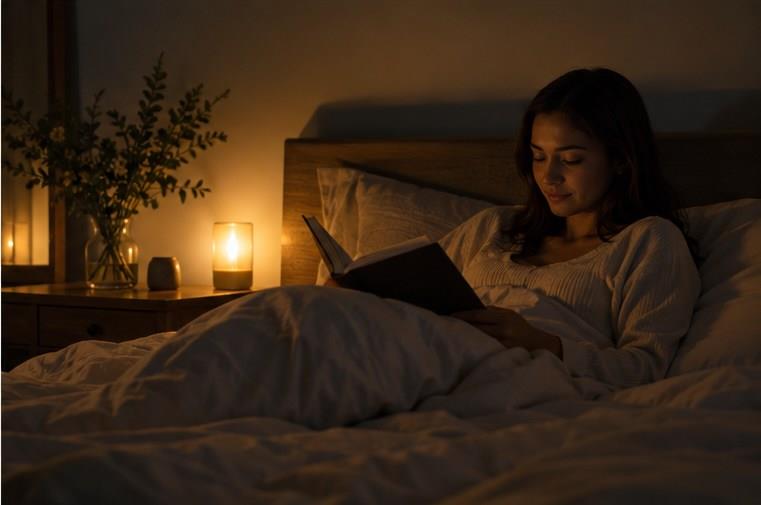
Bright light and screens close to bedtime can keep some people's minds in an alert state. Dimming the lights, moving stressful tasks earlier and building a repeatable sequence of activities all help make day and night feel more distinct. A warm screen mode does not make up for scrolling through stimulating content for too long.
Caffeine, naps and exercise
Caffeine acts over a long period and people differ in how sensitive they are; noting when you have it helps you find a suitable cut-off. A long or late nap can reduce the pressure to sleep at night. Daytime exercise supports general health, but a very hard session close to bedtime may not suit everyone.
When your schedule does not follow daylight
Night-shift workers need a different strategy and may use light and darkness according to their work schedule rather than simply to the sun. Dark glasses on the way home, blackout curtains and protected sleep hours have to be weighed against driving safety. Professional advice is useful if shifts change constantly or sleepiness starts to affect work.
Principles for applying this safely
Changes to how you live should start small, build gradually and suit your age, fitness and any existing conditions. Mild tension can appear when a habit changes, but increasing pain, dizziness, breathlessness, weakness or numbness, chest pain or any unusual symptom is a reason to stop and seek medical advice.
This article offers general information; it does not diagnose anything and does not replace a doctor. Anyone who is pregnant, has recently had surgery, has a heart, lung, muscle, bone or joint condition, or takes medication that affects sleep or blood sugar should ask whoever manages their treatment before making any significant change.
Common misunderstandings
Just get some sun and the insomnia will go
Insomnia has many causes; light is one supporting signal, not a complete treatment.
The brighter the light you look at, the better
Never look directly at the sun, and do not use a high-intensity lamp on your own if you have an eye condition or take photosensitising medication.
Practical suggestions and things to try
- Keep a realistic wake-up time across several days.
- Open the curtains or step safely outside after getting up.
- Do not look straight at the sun.
- Dim harsh lights near bedtime.
- Note when you have caffeine and when you nap.
- Keep the phone out of reach once you are in bed.
- Seek help if insomnia persists or you feel sleepy while driving.
Observation checklist
- What context, season and audience is being talked about?
- Which details are facts, and which are impressions or personal choices?
- How do the ingredients, tools or setting affect the outcome?
- Are there any safety, allergy, cost or privacy risks to check?
- What small thing could you try today and review later?
Important note
Never look directly at the sun. Sleepiness while driving, loud snoring with pauses in breathing, persistent insomnia, a clear change in mood or a regular need for sleeping tablets are all reasons to talk to a healthcare professional.
Conclusion
A sleep rhythm rarely changes after a single night. Holding a wake-up time, bringing daylight into the early part of the day and making the evening calmer are three small levers you can try one at a time, recording what happens and adjusting to your own body.



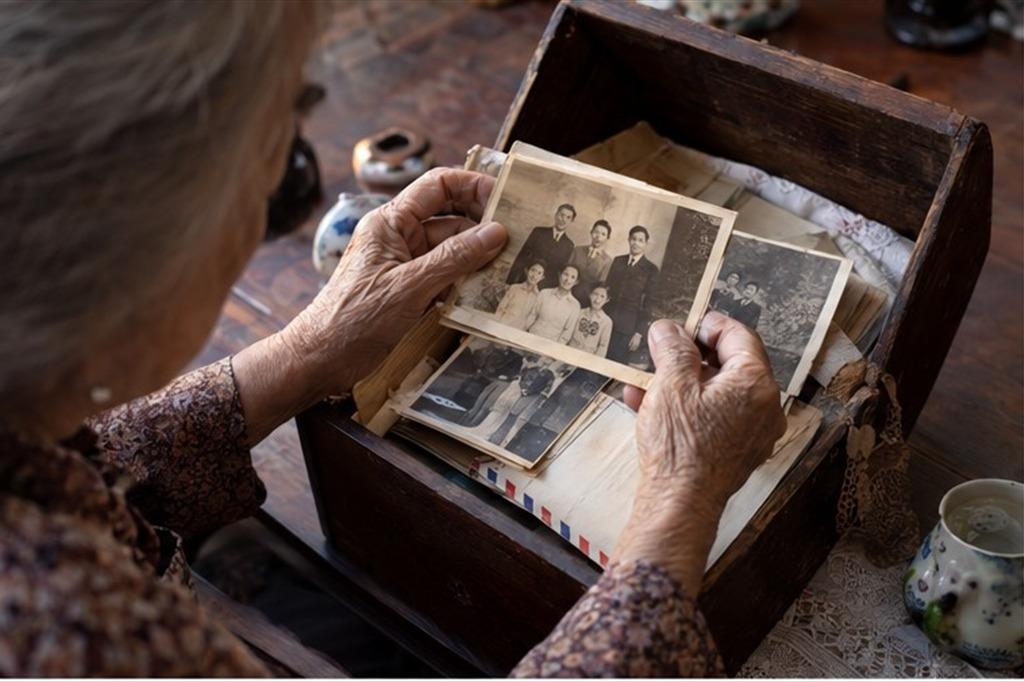 Letters, photographs and keepsakes: learning gratitude for earlier generations through family memory
 Easing neck and shoulder tension at a desk: adjusting your setup and changing position
 A city is clean and safe because of people who start their working day before we do
 One phone-free hour a day: a small gap for returning to real life
 Small rituals that keep a family close inside a busy schedule
 Morning light and your sleep rhythm: building a steadier wake-up schedule
 Repair instead of replacing in a hurry: a small habit for a sturdier home and less waste
 A happy family is not a family that never argues
Đăng nhập để bình luận: / Sign in to comment: