



Loving your country through small daily acts: when responsibility starts at your own front door
Love of country is not present only in great moments. It lies in how we keep a lane clean, respect the law, make decent products, study history seriously and refrain from damaging what is held in common. Such small things make little noise, yet they are what gives a home region its real quality.
A slogan can stir feeling, but life requires concrete action. A better community forms when people do their own part properly, work with others and understand that personal interest cannot be separated from the environment, from trust and from shared institutions.
The core of it
- Love of country can begin with professional responsibility.
- Public property belongs to everyone, which is exactly why it is not ownerless.
- Studying history means going by the sources and by more than one point of view.
- Favouring local goods should come with standards of quality.
- Criticising what is not yet good can also come from a wish to build.
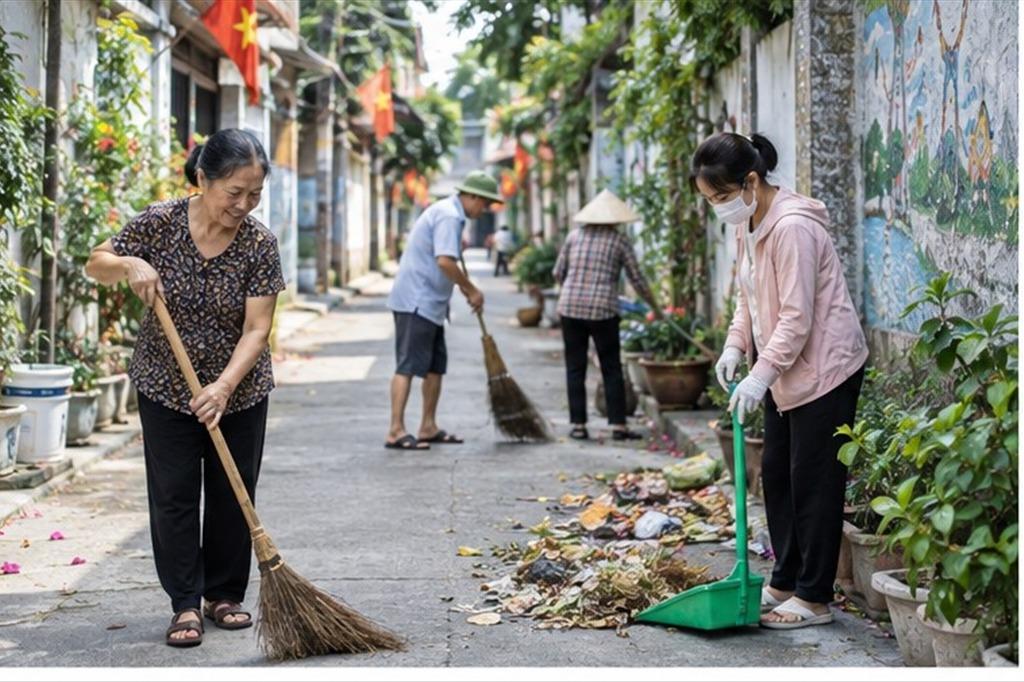
Keeping the place you live in clean
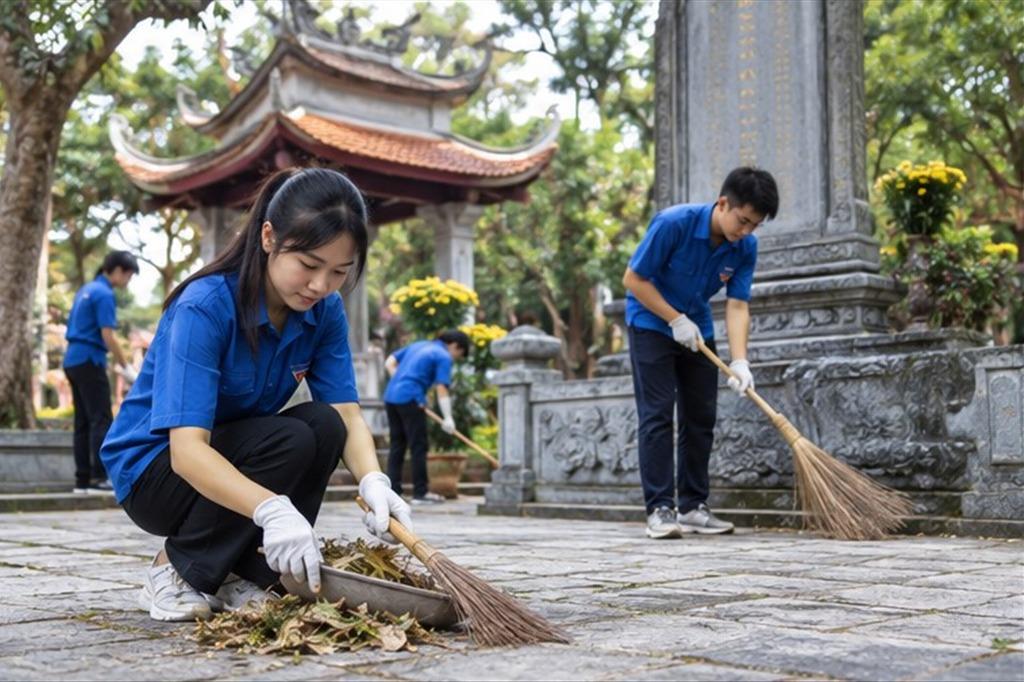
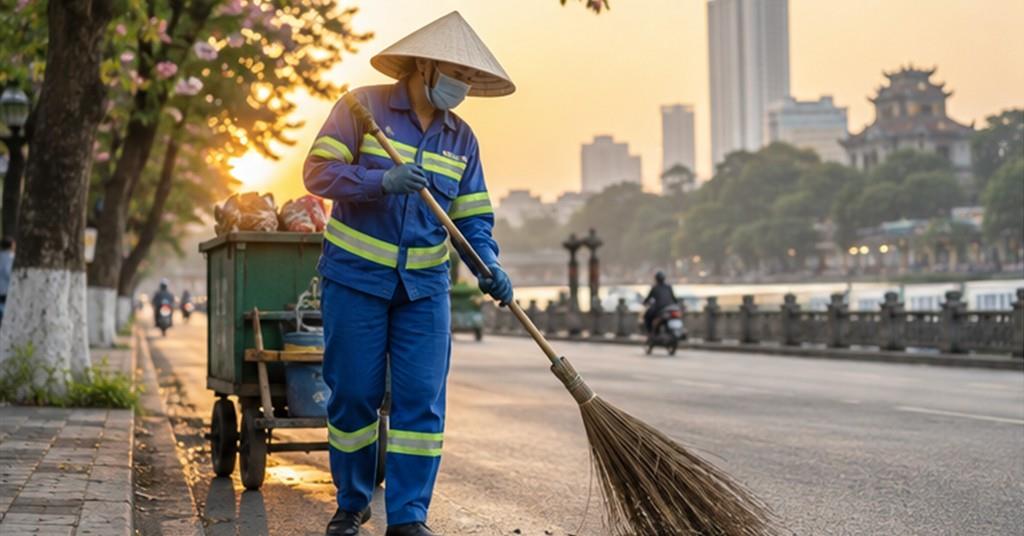
Not littering, sorting waste where there is a system to receive it, clearing the shared stretch of road and reminding one another properly are all very concrete acts. A clean-up day only means something if the habit of not leaving litter is kept up afterwards. Do not take a fine photograph and then leave the bags of rubbish with nowhere to go.
Working to a standard
A seller who does not cheat, a tradesman who does not skimp on materials, an employee who does not pass the buck and a manager who is transparent all add to social trust. The quality of one's work is a form of patriotism, because it makes products, services and a community's good name better day by day.
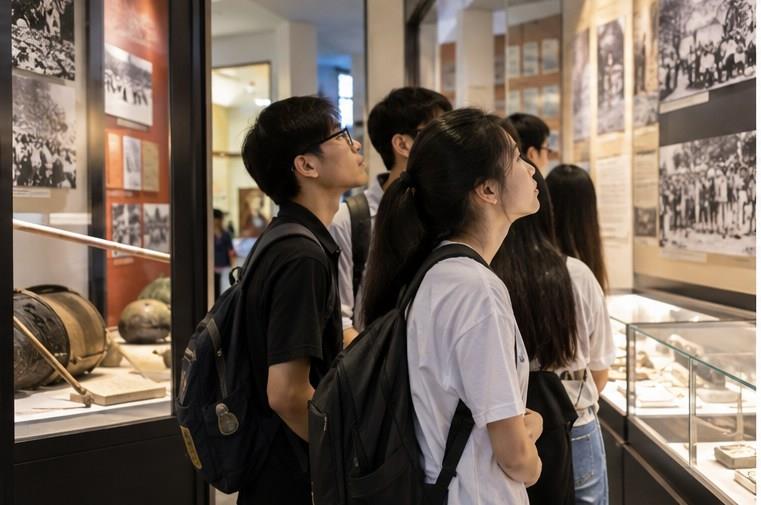
Understanding history without learning it by rote
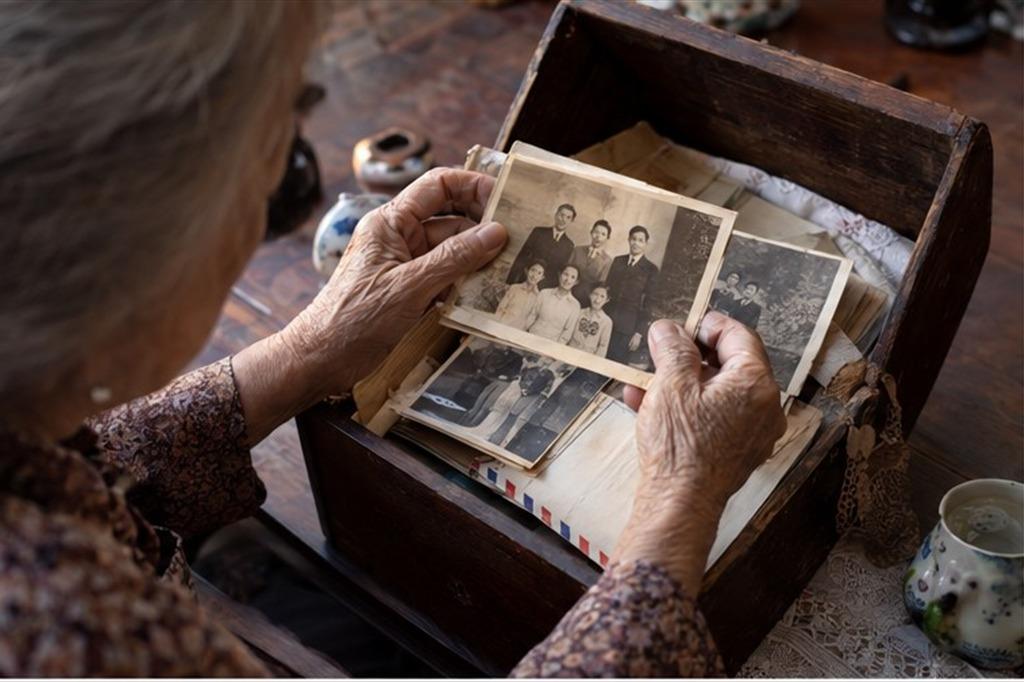
Museums, heritage sites, memoirs and local records give history a face. Read the captions, ask about sources and distinguish events from personal memory. Respecting the past does not mean turning every story into legend; a complicated truth can still nourish a grown-up kind of pride.
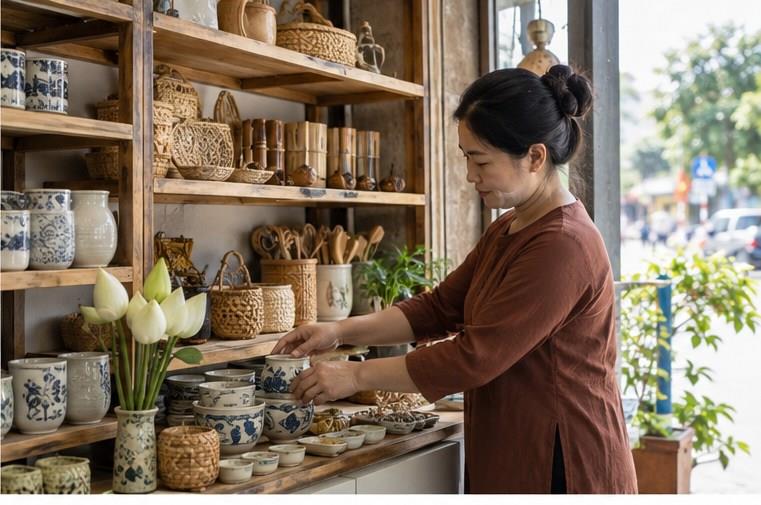
Supporting local products by holding them to standards
Buying local creates livelihoods, but affection should not be a reason to overlook hygiene, quality or workers' rights. Consumers give honest feedback; producers are transparent about origins and improve. Only when the products get better does pride have a durable foundation.
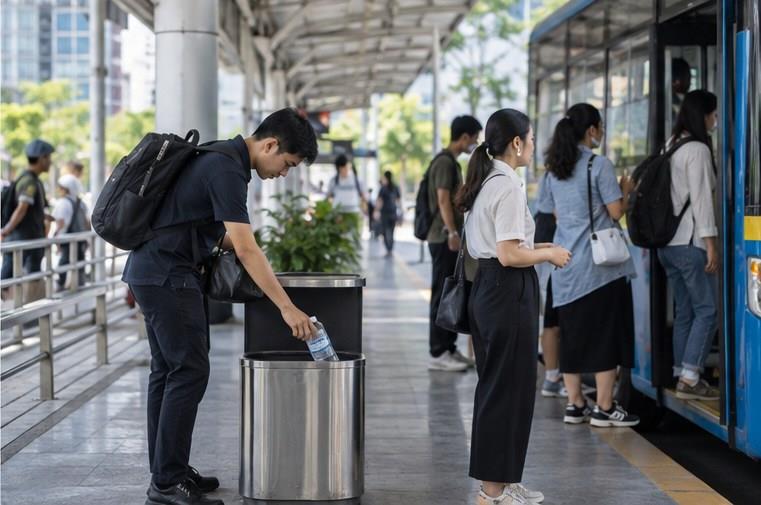
Keeping order in shared spaces
Queuing, giving up a seat where it is right to, not encroaching on the pavement and keeping the noise down are ways of respecting your own compatriots. Civility is not a performance put on when travelling abroad; it is a standard at the bus station, the park, the stairwell and the school gate where you live.
From feeling to habit
Great values are usually not kept through one moment of emotion but through behaviour that can be repeated. A small act needs to be clear enough to start, modest enough not to exhaust you and real enough to change something for the people concerned. When circumstances change, the method should be adjusted rather than held to a rigid mould.
Do not turn a personal choice into a standard for judging other people. Everyone's family, health, finances and opportunities are different. What is worth valuing is honesty about what you can do, a willingness to take responsibility, and looking for a suitable next step of your own accord.
Things that are easily misunderstood
Loving your country means always saying good things
Giving feedback based on facts, through the right channel and aimed at a solution is also a responsibility towards the community.
Small acts make no difference
One isolated act has little effect, but a standard repeated by many people changes both social costs and social trust.
Seven things you could start with
- Keep the stretch of road outside your house clean.
- Respect the queue and the traffic laws.
- Keep the commitments you make at work.
- Visit a museum or a heritage site and read the captions carefully.
- Buy local products with a clear provenance.
- Report damage to public property through the proper channel.
- Give feedback with facts, without insult.
A self-assessment checklist
- Does this come from a real need, or only from pressure about appearances?
- What is the smallest step I could take this week?
- Who is affected, and have they been asked for their view?
- What are the risks to safety, money, privacy or health?
- After a month, what signs would tell me to continue, to adjust or to stop?
A note
Do not organise repairs to public works or heritage sites, or intervene in traffic, without the managing authority's consent. Community activities need a plan for collecting waste and for ensuring safety.
Conclusion
Loving your country need not begin with anything extraordinary. When we do our own part well, look after what is shared and treat the people living on this same land with kindness, that love has already taken a concrete shape.



 Loving your country through small daily acts: when responsibility starts at your own front door
 Drinking enough water each day: reading your needs instead of forcing a number
 Carrying it on with more than thanks: what can young people do to be worthy of those who came before?
 Letters, photographs and keepsakes: learning gratitude for earlier generations through family memory
 Easing neck and shoulder tension at a desk: adjusting your setup and changing position
 A city is clean and safe because of people who start their working day before we do
 One phone-free hour a day: a small gap for returning to real life
 Small rituals that keep a family close inside a busy schedule
Đăng nhập để bình luận: / Sign in to comment: