



Letters, photographs and keepsakes: learning gratitude for earlier generations through family memory
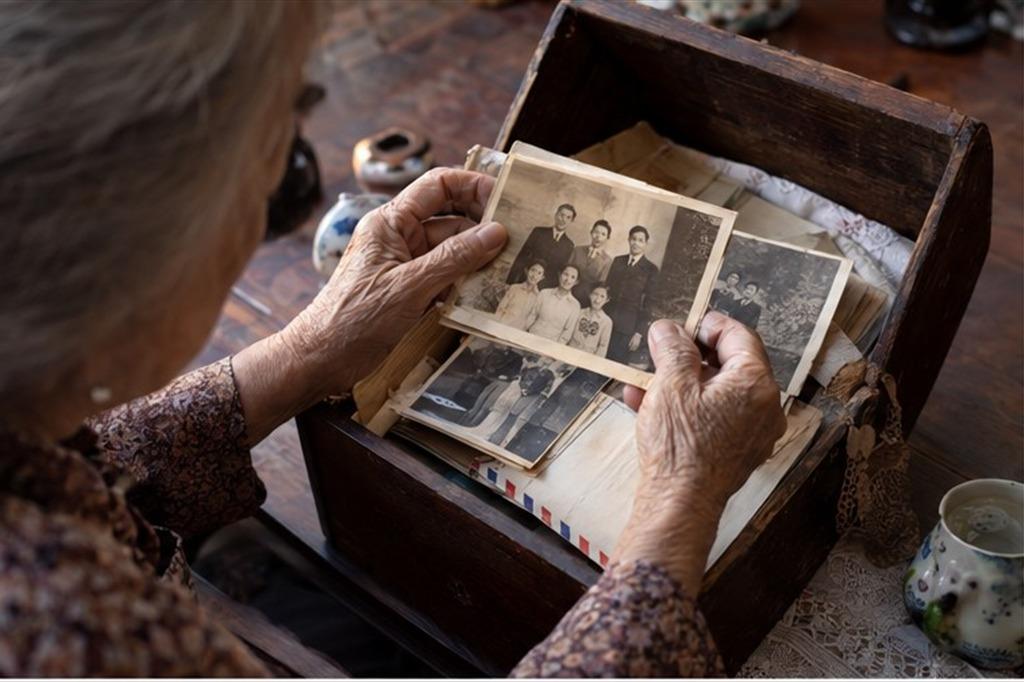
Gratitude towards earlier generations usually begins with very small things: a faded photograph, a carefully folded letter, a work notebook or a story told again and again over dinner. Once we ask about them, write them down and keep them safe, history stops being a distant idea and becomes the faces and choices of our own family.
Not every family still has enough material, and not every memory is easy to tell. Some people came through war, separation, poverty or years of quiet labour without ever leaving a diary behind. Preserving memory therefore takes patience, a respect for silence, and no pressing an older person to speak of what hurts them.
What this article means to keep
- Start with the people who are still here and with what they are willing to share.
- Note down names, dates, places and who provided the information.
- Digitise the photographs, but still store the originals properly.
- Distinguish personal memory from verified fact.
- Respect privacy before putting anything online.
A photograph needs more than scanning
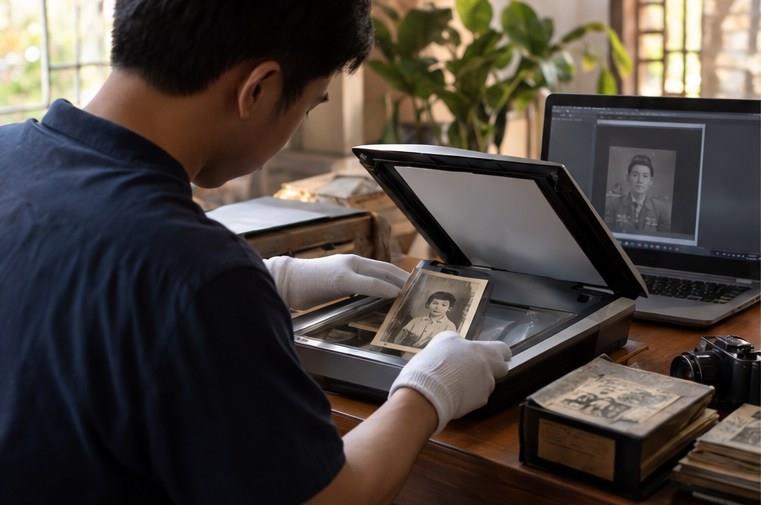
A digital image cannot say by itself who is standing in it. Write down the names, the relationships, the place, an approximate date and the related story while there is still someone who can recognise them. Scan at a resolution that will serve, keep an unedited original and make a restored copy if needed; never write directly on the face of a print.
Listening without interrogating
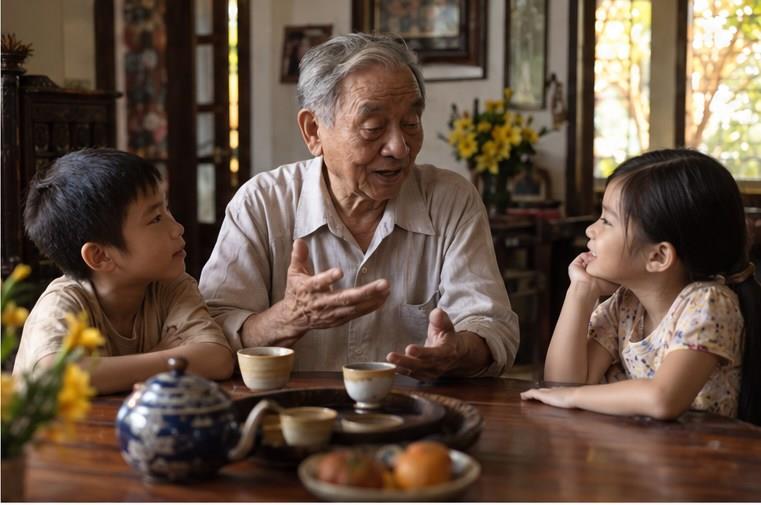
An open question such as “How did you live back then?” is usually gentler than asking someone to recount a particular event. Let the person stop, change the subject or correct what they have already said. Memory may be imprecise about dates yet remain valuable for its feeling and its point of view; when writing it up, make clear which parts are spoken recollection.
Ordinary keepsakes have a history too
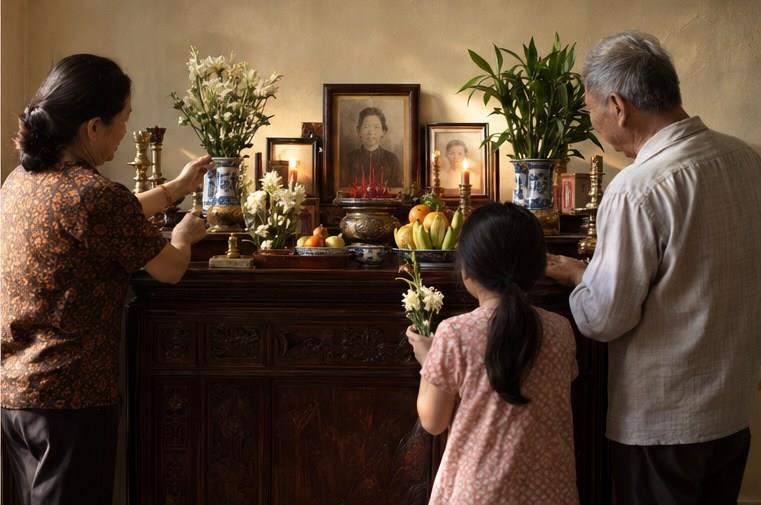
A wooden box, a tool of the trade, a certificate, a book or an old shirt can show how a family studied, worked and got through hard times. Before throwing something out for being old, ask where it came from, photograph it and consider keeping the most representative piece. There is no need to turn the house into a storeroom; a selected few with notes are worth more than a pile of anonymous objects.
From the history of a house to the history of a home region
A family story usually connects to a craft village, an evacuation, an irrigation project, a school, a cooperative or a wave of migration. Cross-checking against local records places the memory in context without taking away the individual voice. That intersection helps young people see that a home region is built out of countless small acts.
A storytelling session across the generations
Instead of staging a grand ceremony, a family can set aside one afternoon, choose five photographs and let the older members talk. The children ask questions, a younger person records with permission, and then everyone checks the captions together. A short activity that can be repeated usually builds a better store of memory than an elaborate project abandoned halfway.
Gratitude is not a passing feeling
Gratitude means something when it helps us understand what we have inherited and take an active part in keeping it. Earlier generations were not a flawless block, and the history of a family or a country holds losses that are hard to speak of. A grown-up kind of thanks lets us respect them and at the same time learn from both the achievements and the limits, so as to live better.
There is no need to wait for an anniversary to say it. A phone call, an afternoon spent listening, a page of documents properly annotated, caring for an older person or one day of decent work can all be ways of carrying it on. What matters is acting steadily, honestly, and not using someone else's story to make yourself look good.
Things that are easily misunderstood
Honouring someone means telling only the good parts
Respect does not require erasing the hardships or the mistakes. An honest account helps the next generation understand what choices cost and live more responsibly.
Putting old photographs online is the best way to preserve them
Social media is no substitute for an archive: it can compress images and intrude on privacy. Ask permission, keep a high-quality file and make your own separate backup.
Things you could begin with
- Choose one older person to talk with first.
- Start with five photographs, not the whole collection.
- Record audio or video only after asking permission.
- Name the files by date, person and event.
- Back everything up in at least two places.
- Note what is uncertain instead of guessing.
- Print a small volume for the whole family to look at.
Five questions for looking back at yourself
- How many of the people before me in this family do I know by name and by story?
- What did the previous generation do so that I could live as I do today?
- Which memories should I ask about now, while the person who holds them can still share them?
- Which values are worth carrying on, and which lessons help me avoid repeating a mistake?
- What concrete thing could I do this week instead of a vague word of thanks?
Points to note when preserving memory
Do not publish letters, records, images or sensitive information without the consent of those concerned. For material of historical value, consult an archive or someone with expertise in conservation.
Conclusion
Gratitude towards earlier generations is not only remembering one special day. It is saving a name from being forgotten, sitting through one more story and understanding that the life we have today was built from the labour, the sacrifice and the hope of real people.



 Letters, photographs and keepsakes: learning gratitude for earlier generations through family memory
 Easing neck and shoulder tension at a desk: adjusting your setup and changing position
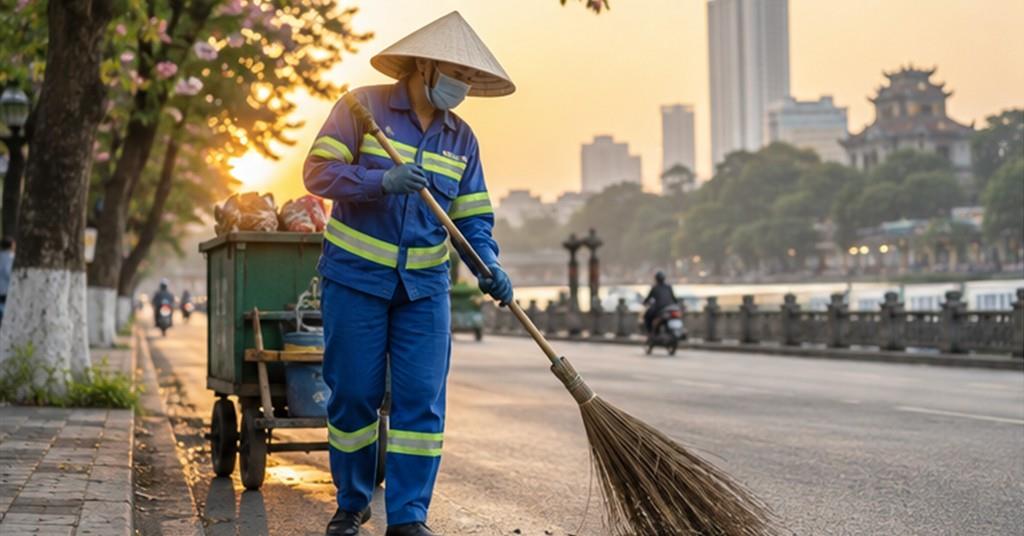 A city is clean and safe because of people who start their working day before we do
 One phone-free hour a day: a small gap for returning to real life
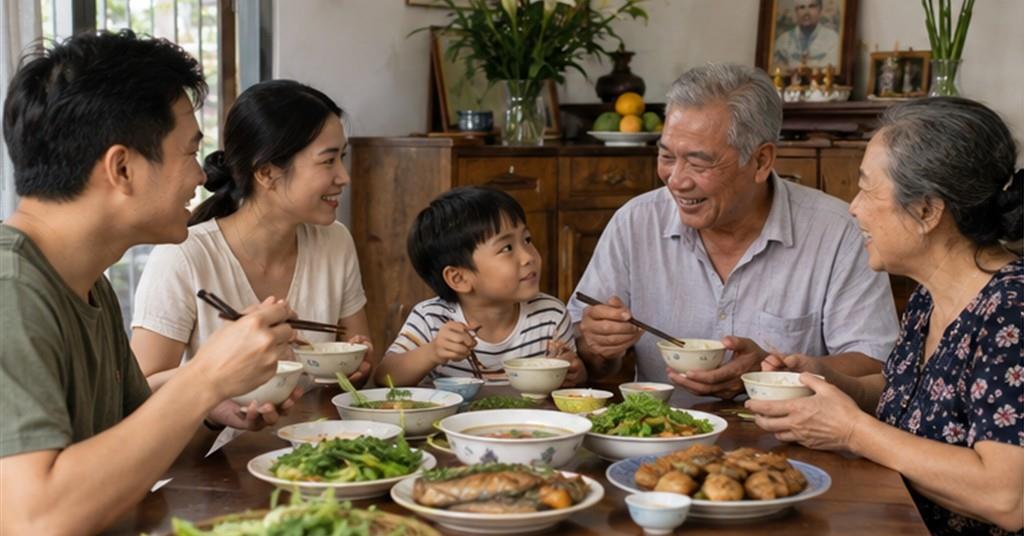 Small rituals that keep a family close inside a busy schedule
 Morning light and your sleep rhythm: building a steadier wake-up schedule
 Repair instead of replacing in a hurry: a small habit for a sturdier home and less waste
 A happy family is not a family that never argues
Đăng nhập để bình luận: / Sign in to comment: