



Young people going home to build a living: success does not have to be in the city
Going home is not a step backwards, but it is not a romantic shortcut either. Land, a craft, farm produce and community ties can all be advantages; in return, a young person has to solve the problems of market, quality, capital, logistics and whether they can live with the choice over the long term.
Some return because they see an opportunity, others for family or to change the pace of their lives. Not everyone needs to go back, and staying in the city does not mean loving your home region any less. A good decision rests on data and on trials, not just on how you feel after a few exhausting days.
The core of it
- Start from what customers need, not only from what your home region happens to have.
- Test at a small scale before borrowing or investing heavily.
- Count in the full cost of labour, losses, transport and taxes.
- Consistent quality matters more than a beautiful story.
- Work with local people on clearly stated terms.
Do not start by building a workshop
Start with ten real customers, a small trial batch and feedback you can measure. A product that tastes good may not survive transport or have demand all year round. Testing the packaging, the shelf life, the price and the sales channel first lets you find the problems while the costs are still low.
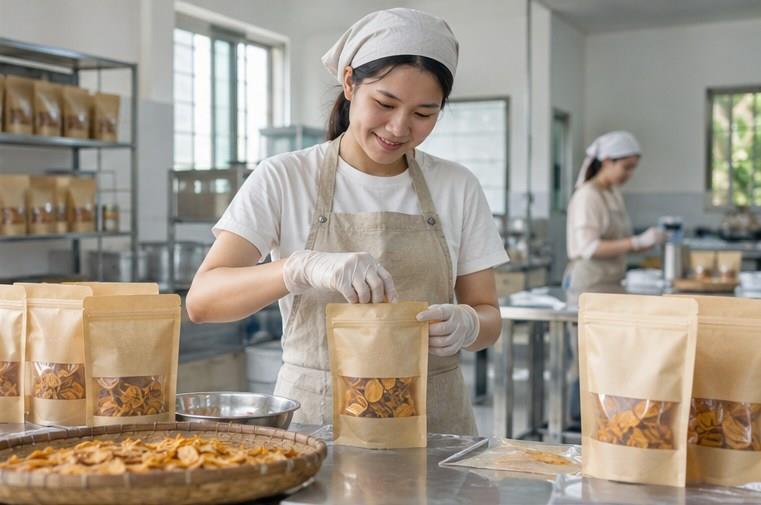
Rethinking what your home region has
Land, water, seed varieties, craft skills and the knowledge of older people are assets, but they are not free. Over-exploiting them, or using a community's story without sharing the benefit, will knock the foundation out from under a business. Credit the people who taught you, pay them, and protect the source of your materials.
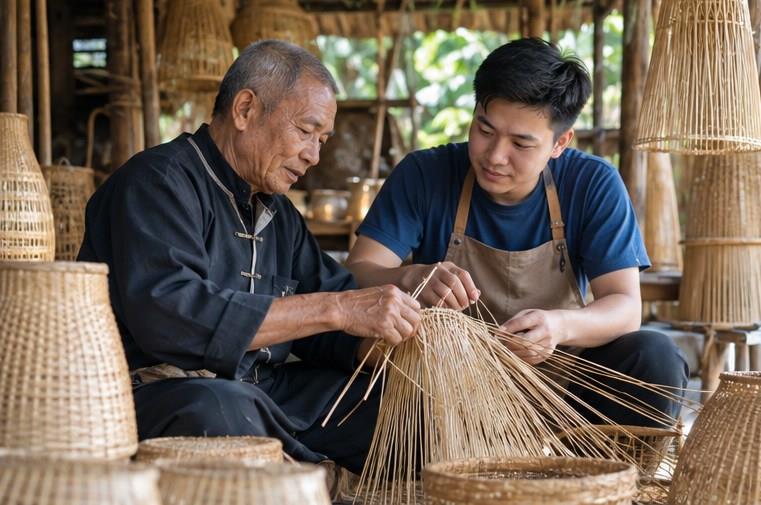
Quality needs a process
A food product needs hygiene, traceability, packaging and suitable storage conditions. A craft product needs consistent dimensions, durability and delivery times. “Homemade” is a starting story; it does not replace the standards a customer has a right to expect.
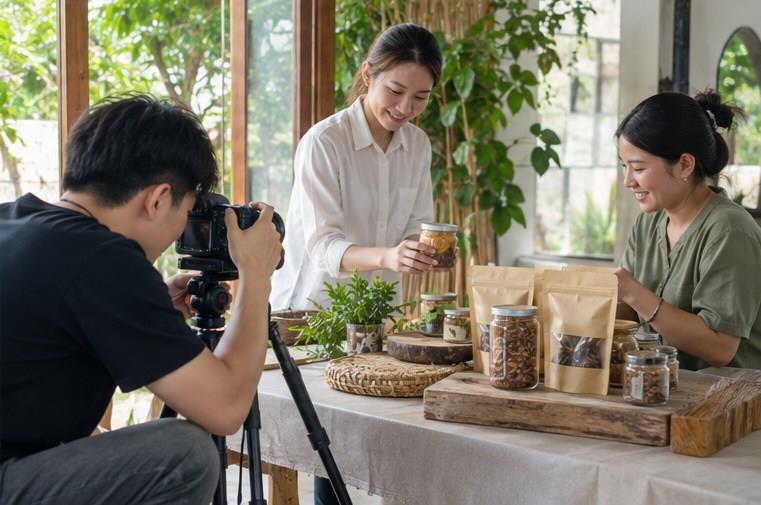
Selling online still requires real work
Good photographs and video can open a market, but long-term reviews come from delivering correctly, replying quickly and handling complaints. Do not cover flaws with a story about your home region. Good content shows the process, the people making it and the limits of output honestly.
A plan for living matters as much as a business plan
Income in the lean season, caring for parents, the children's schooling, insurance and your own inner life all have to be counted. You might try living in two places at first, or keep a secondary income. A decision to return holds up better when the whole family takes part in it rather than simply being informed.
From feeling to habit
Great values are usually not kept through one moment of emotion but through behaviour that can be repeated. A small act needs to be clear enough to start, modest enough not to exhaust you and real enough to change something for the people concerned. When circumstances change, the method should be adjusted rather than held to a rigid mould.
Do not turn a personal choice into a standard for judging other people. Everyone's family, health, finances and opportunities are different. What is worth valuing is honesty about what you can do, a willingness to take responsibility, and looking for a suitable next step of your own accord.
Things that are easily misunderstood
Costs are low back home, so business is easy
Premises may be cheap, but transport, skilled labour, a small market and infrastructure can cost more.
If the local product tastes good, it will sell
Customers want consistent quality, a suitable price, convenience in buying and trust built over repeated use.
Seven things you could start with
- Interview at least ten target customers.
- Make a trial batch and record every cost.
- Check the regulations for your sector.
- Keep family money separate from business money.
- Agree clear terms with anyone contributing land, skills or labour.
- Build the sales channel before scaling up production.
- Set a point at which you will stop or change direction.
A self-assessment checklist
- Does this come from a real need, or only from pressure about appearances?
- What is the smallest step I could take this week?
- Who is affected, and have they been asked for their view?
- What are the risks to safety, money, privacy or health?
- After a month, what signs would tell me to continue, to adjust or to stop?
A note
Starting a business carries financial risk. Check the legal, hygiene, tax, contractual and insurance requirements that apply; do not borrow beyond what you can bear merely because inspirational content raised your expectations.
Conclusion
Success is not the exclusive property of the city or of the countryside. It appears wherever someone understands their resources, solves a real need and builds a livelihood that does not impoverish the home they wanted to return to.



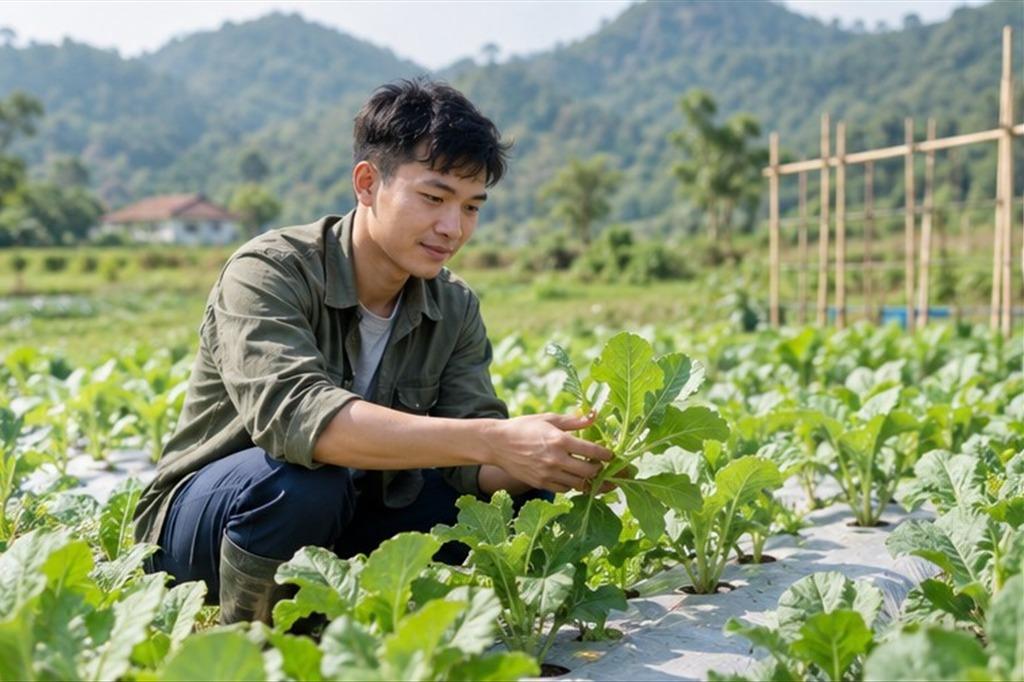 Young people going home to build a living: success does not have to be in the city
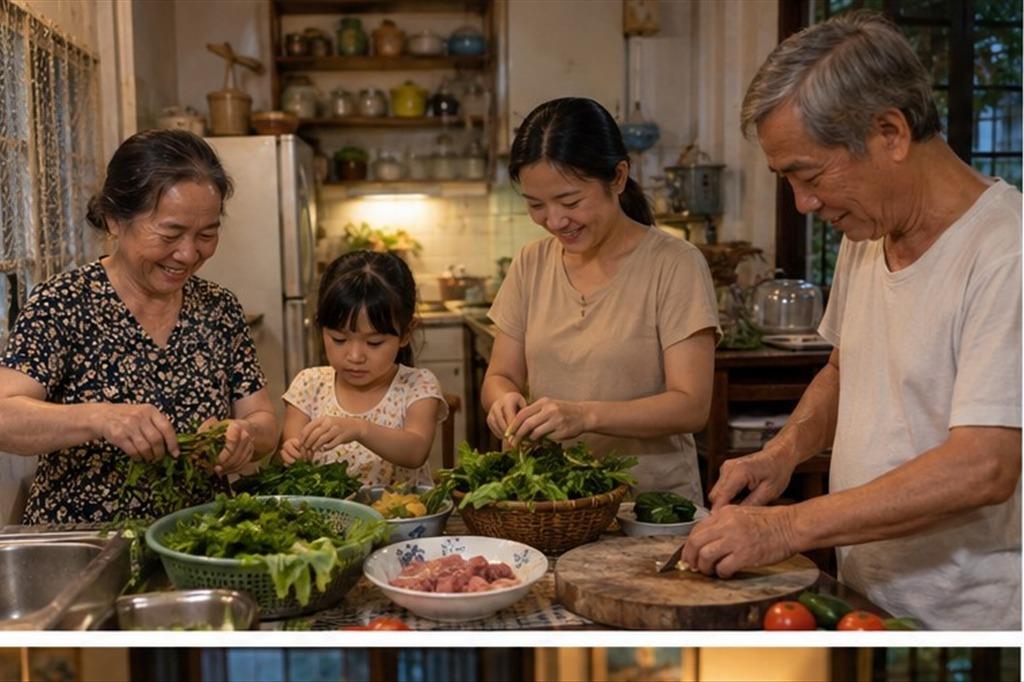 The family meal, and its power to keep a household together
 Strength training for beginners: start light, get the technique right, build up gradually
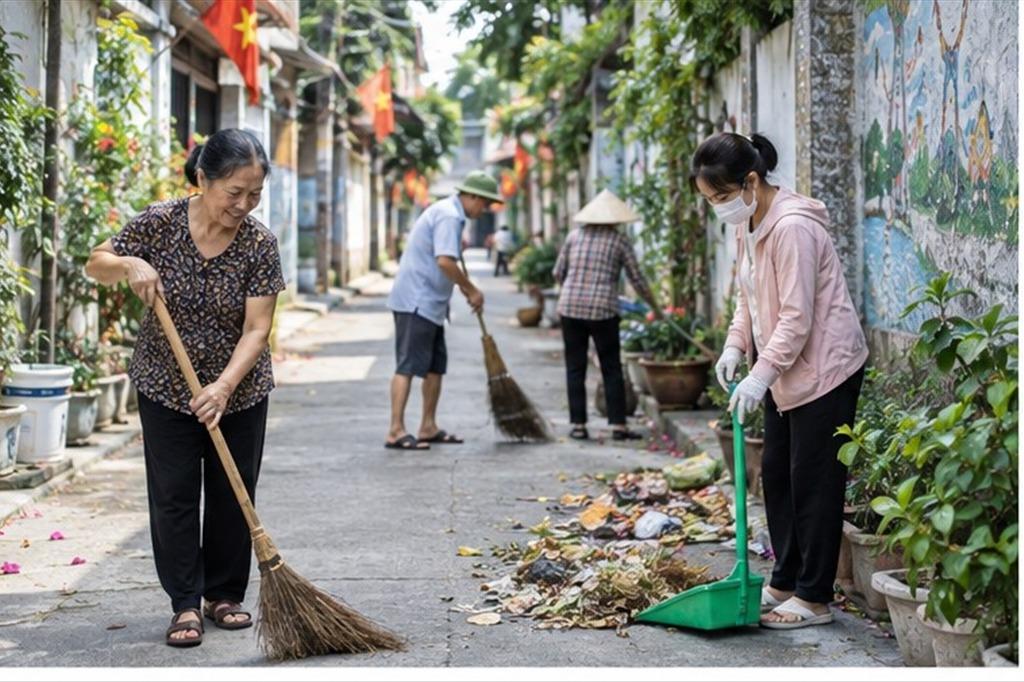 Loving your country through small daily acts: when responsibility starts at your own front door
 Drinking enough water each day: reading your needs instead of forcing a number
 Carrying it on with more than thanks: what can young people do to be worthy of those who came before?
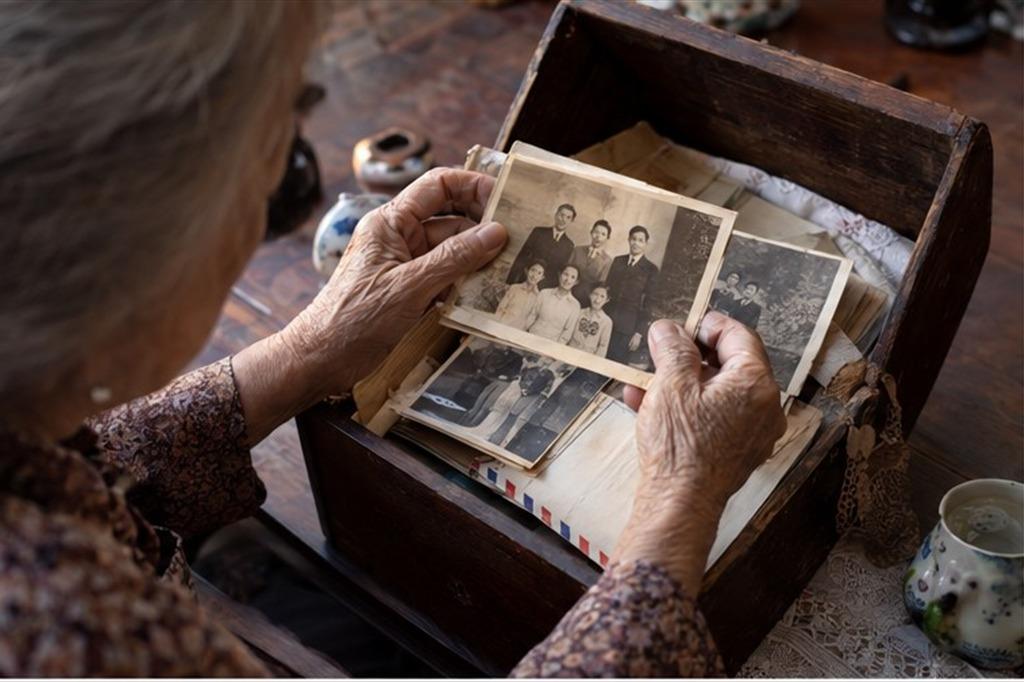 Letters, photographs and keepsakes: learning gratitude for earlier generations through family memory
 Easing neck and shoulder tension at a desk: adjusting your setup and changing position
Đăng nhập để bình luận: / Sign in to comment: