



The family meal, and its power to keep a household together
A family meal does not need a full spread or everyone present every day to mean something. Its value lies in a stretch of time when people pause, see one another and learn what the day has been like for those they love. A small table can become the place where a family mends the distances between them before those distances grow too wide.
Work, study, shift patterns and distance make eating together harder and harder. So the realistic aim is not to recreate a picture of the perfect family, but to find a rhythm of meeting that fits: one meal a week, a short breakfast, or a phone call while those at home are having dinner.
The core of it
- A frequency that fits matters more than forcing it every single day.
- Sharing the cooking and the clearing up makes the meal fairer.
- Listening does not mean you have to solve every problem on the spot.
- Do not use the dinner table for fault-finding or comparison.
- Someone who is absent can still be remembered with a portion set aside and a message asking after them.
Preparing it together creates the feeling of one household
Picking over the greens, washing up, laying the table or cooking one dish are all ways of taking part. When the kitchen work piles onto one person, a meal easily becomes an invisible burden. Dividing it according to time and ability, children included in safe tasks, lets affection go together with fairness.
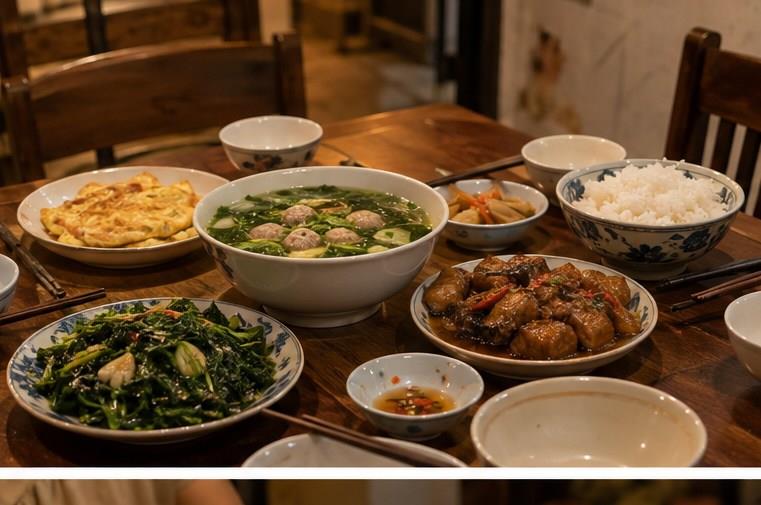
The food does not have to be elaborate
A pot of soup, a savoury dish and some vegetables are enough for dinner if they suit everyone's health and the budget. Too large a menu tires the cook, leaves leftovers and raises expectations. A familiar dish has power because it is tied to memory; changing how you cook it to suit present needs takes nothing away from the affection.
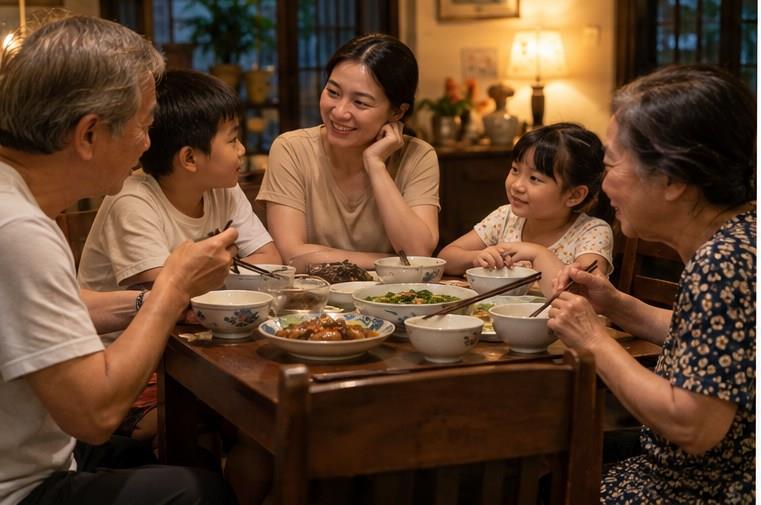
The table is where you listen before you advise
The question “How was your day?” only means something when the person asking is ready to hear the answer. Do not rush to compare with an older sibling, with friends, or with how things were in the parents' day. Some things need advice; others only need someone to acknowledge that they were hard.
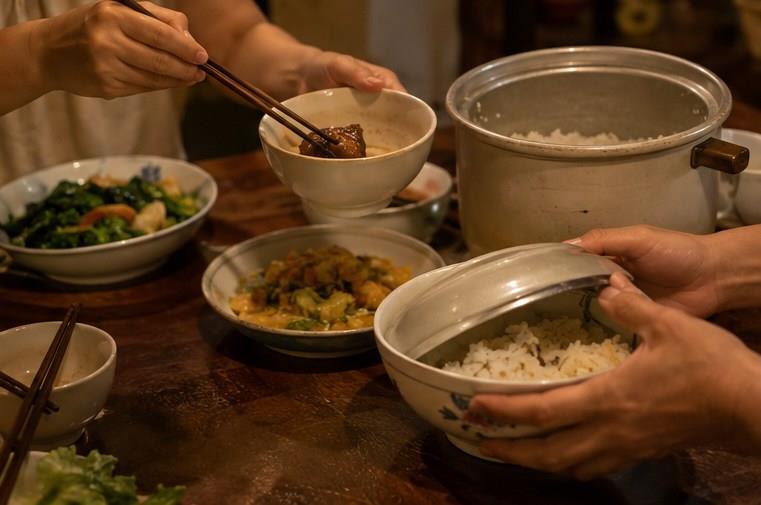
Put the phones away, but do not turn it into a punishment rule
You might agree on twenty to thirty minutes without screens, while keeping exceptions for on-call work or urgent contact. Adults should go first rather than only asking the children. If someone does not feel like talking, a peaceful silence is still better than an interrogation.
Keeping a place for whoever is not home yet
A portion set aside, a message asking when someone will be back, or a photograph of the table can send the feeling of being remembered. Even so, do not use the cook's sacrifice to induce guilt. Family feeling invites people home; it should not be a rope tying everyone's schedule into the same shape.
From feeling to habit
Great values are usually not kept through one moment of emotion but through behaviour that can be repeated. A small act needs to be clear enough to start, modest enough not to exhaust you and real enough to change something for the people concerned. When circumstances change, the method should be adjusted rather than held to a rigid mould.
Do not turn a personal choice into a standard for judging other people. Everyone's family, health, finances and opportunities are different. What is worth valuing is honesty about what you can do, a willingness to take responsibility, and looking for a suitable next step of your own accord.
Things that are easily misunderstood
A happy family must eat together every day
Shift work, study and distance make that impossible much of the time. A steady rhythm and the quality of being present matter more than a number.
A good meal will resolve conflicts by itself
Food creates a space to meet, but disagreements still need dialogue, boundaries and sometimes professional help.
Seven things you could start with
- Choose one fixed meal each week.
- Share the shopping, the cooking and the clearing up evenly.
- Cook a suitable amount to cut down on waste.
- Put the phones aside for the agreed stretch of time.
- Ask one open question and hear the whole answer.
- Do not criticise anyone's appearance or results at the table.
- Set a portion aside out of care, not as pressure.
A self-assessment checklist
- Does this come from a real need, or only from pressure about appearances?
- What is the smallest step I could take this week?
- Who is affected, and have they been asked for their view?
- What are the risks to safety, money, privacy or health?
- After a month, what signs would tell me to continue, to adjust or to stop?
A note
Meals need adjusting for allergies, underlying conditions and individual medical advice. If there is violence or control within the family, put safety first and seek appropriate help rather than trying to keep up the form of eating together.
Conclusion
A family meal does not hold a household together by magic. It creates a repeatable chance for people to look at, listen to and care for one another. When that chance is shared fairly, the kitchen becomes a place where family feeling can actually be practised.


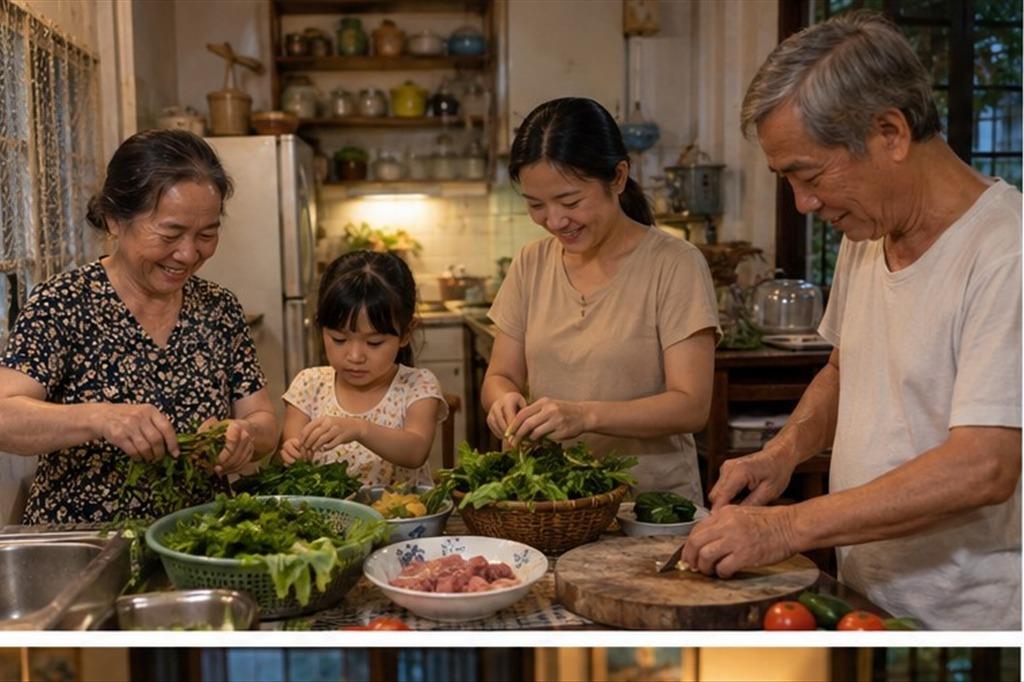 The family meal, and its power to keep a household together
 Strength training for beginners: start light, get the technique right, build up gradually
 Loving your country through small daily acts: when responsibility starts at your own front door
 Drinking enough water each day: reading your needs instead of forcing a number
 Carrying it on with more than thanks: what can young people do to be worthy of those who came before?
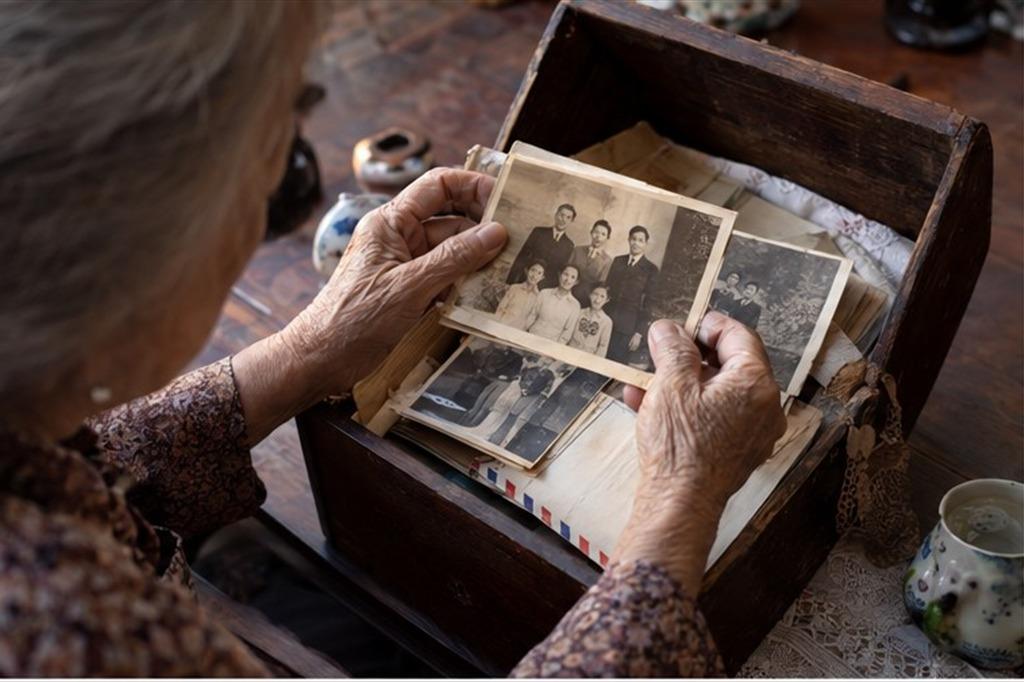 Letters, photographs and keepsakes: learning gratitude for earlier generations through family memory
 Easing neck and shoulder tension at a desk: adjusting your setup and changing position
 A city is clean and safe because of people who start their working day before we do
Đăng nhập để bình luận: / Sign in to comment: