



WHY LIVING AN ORDINARY LIFE IS A WONDERFUL THING?
MIRACULOUS EVERYDAY LIFE: WHY LIVING AN ORDINARY LIFE IS A WONDERFUL THING?
We live in an era that excessively admires extraordinary lives—lives that most of us will never attain. Our heroes have built outsized fortunes, appeared on giant screens, and demonstrated unique virtues and talents. Their achievements both dazzle us and constantly make us feel ashamed of ourselves.

In the late 1650s, the Dutch painter Johannes Vermeer created a painting titled The Little Street. Creating this artwork was a quiet yet essential and revolutionary act, with an impact that challenges our values today.

It showed that nothing was more impressive than an ordinary street in Vermeer's hometown of Delft. Someone is sewing, a few children are playing on the curb, and a woman is busy in her yard. It is one of the greatest paintings in the world.
From this perspective, the most famous cultural works had all emphasized the worthy qualities and value of nobility, the military, and religion—lives filled with extraordinary moments and advantages. The greatest poets, such as Homer and Virgil, wrote about heroic warriors, while Renaissance painters created a series of miraculous illusions of Saints and angels.
And the everyday lives of Kings, Queens, and Nobles were constantly celebrated, with admiration maintained through the most prestigious paintings.
However, Johannes Vermeer took a different path.
He showed us what is charming and worthy of honor in very different activities: keeping the house tidy, sweeping the yard, watching children, sewing, or as in his deeply meaningful painting of a milkmaid preparing lunch in the kitchen.
Many young Dutch people of that time joined Vermeer's quiet revolution.
One of them, Pieter de Hooch, focused on almost random moments in life when nothing special was happening: an ordinary afternoon at home, returning from the shop, perhaps with a bag of vegetables. Perhaps a scene of people hanging laundry. Someone sets up a small trestle before the back door, perhaps for some weekend repairs.
De Hooch was the first painter in human history to point out the charm of organizing a pantry cabinet. He painted a scene depicting the home of a fairly wealthy merchant, but what truly intrigued him was the laundry basket and the way the mistress and the servant folded and put away towels and bedsheets in their proper places. This, de Hooch seemed to want to tell us, is the true meaning of life.

Another follower of Vermeer, Caspar Netscher, admired those who worked at tasks considered dull and mundane, such as lacemaking—a trifling and low-paid job. Netscher himself could not change the amount of money people earned, but he set out to change how we think about those modest wages.
Even though these painters are all famous, their works displayed in the largest galleries and commanding extremely high prices at auction, their experimental revolution certainly has not yet achieved full success.

Today, advertising and cinema—a modern version of glamorous, luxurious, and grand art—present us with alluring images such as expensive sports cars, tropical island vacations, fame, business-class flights, or luxurious kitchens made of expensive limestone. That allure is entirely real. But its deeper purpose is to direct us toward thinking of a perfect life made up of things we cannot afford. And then, we come to conclude that our own lives are almost worthless.
In contrast, Vermeer believed that our ordinary lives are also deeply noble. Because things that seem so mundane are actually not easy to master. To raise a child into an independent, well-balanced adult; or to maintain a relatively good romantic relationship over many years despite difficult times; to know how to maintain order in the household; to go to bed early every night; to do a boring job or a high-paying job with joy and full responsibility; to listen to each person's thoughts; or simply not to be overcome by anger or let oneself explode over the paradoxes or compromises inherent in survival—all require supreme skill and genuine nobility.
Vermeer does not claim that everything ordinary is always impressive. He merely guides us fluidly toward the idea that there are many things we often ignore, occurring on both the impressive and ordinary sides of life. With extraordinary talent, Vermeer persuades us of an idea that we must dare to hold onto, despite immense pressures, the notion that we can live a more worthy life: that there is always much to appreciate and respect in our lives when we learn to look at them without prejudice or self-loathing.
According to The School of Life



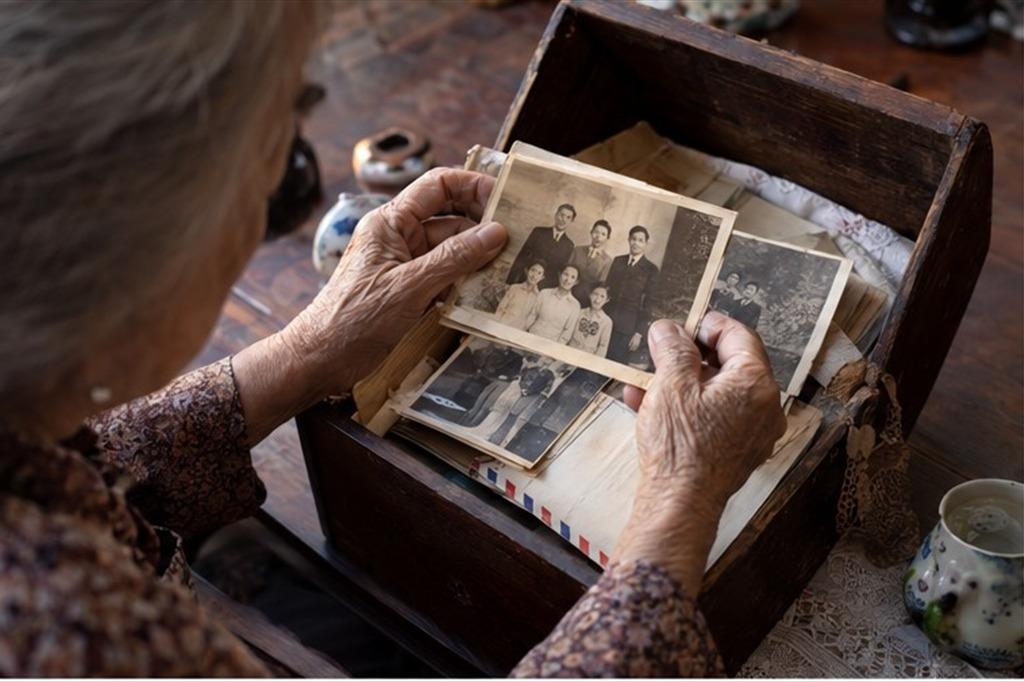 Letters, photographs and keepsakes: learning gratitude for earlier generations through family memory
 Easing neck and shoulder tension at a desk: adjusting your setup and changing position
 A city is clean and safe because of people who start their working day before we do
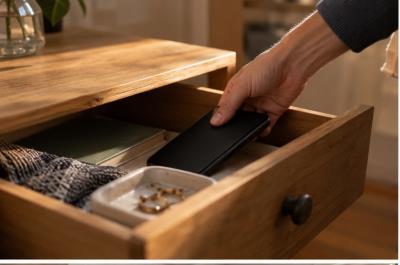 One phone-free hour a day: a small gap for returning to real life
 Small rituals that keep a family close inside a busy schedule
 Morning light and your sleep rhythm: building a steadier wake-up schedule
 Repair instead of replacing in a hurry: a small habit for a sturdier home and less waste
 A happy family is not a family that never argues
Đăng nhập để bình luận: / Sign in to comment: