



Carrying it on with more than thanks: what can young people do to be worthy of those who came before?
Thanks offered to an earlier generation becomes most convincing when it turns into a way of living. Learning a trade properly, working honestly, caring for a family, protecting what is held in common and putting effort into one's home region are quiet forms of continuation that can still be measured by results.
Being worthy does not mean that young people have to live as their forebears did, or carry a sense of debt for life. Every generation has its own circumstances and its own problems to solve. What should be inherited is a spirit of responsibility, the ability to work with others, and the awareness that personal achievement always stands on foundations many people laid before.
What this article means to keep
- Honouring someone should move from understanding to concrete action.
- A small thing repeated is worth more than a short-lived campaign.
- Keeping a craft alive has to come with improvement and a fair livelihood.
- Volunteering has to match a real need, and must not use the recipients as a backdrop.
- Loving your home region includes protecting the environment and what is held in common.
Doing well the work you already have
A tradesman who does not cheat on materials, a teacher who prepares carefully, an employee who keeps an appointment, a farmer who makes a safe product — all of them are adding to a society's durability. Love of country does not appear only in great moments; it is present in the standard we hold to when nobody is watching.
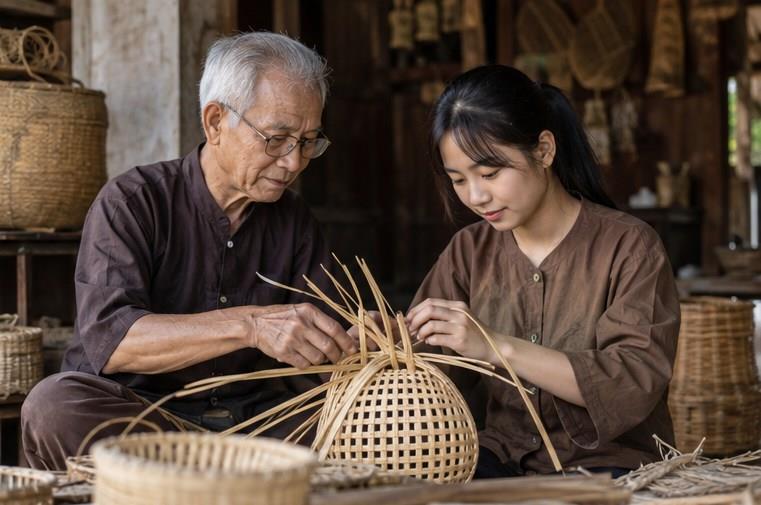
Learning an old trade in a new spirit
A traditional craft does not survive on appeals alone. Young people need to learn the technique from the masters, record the process, improve safety, design and the market — without erasing the name of the person who taught them. Good continuation lets the craftspeople make a living, not merely produce a few nostalgic images.
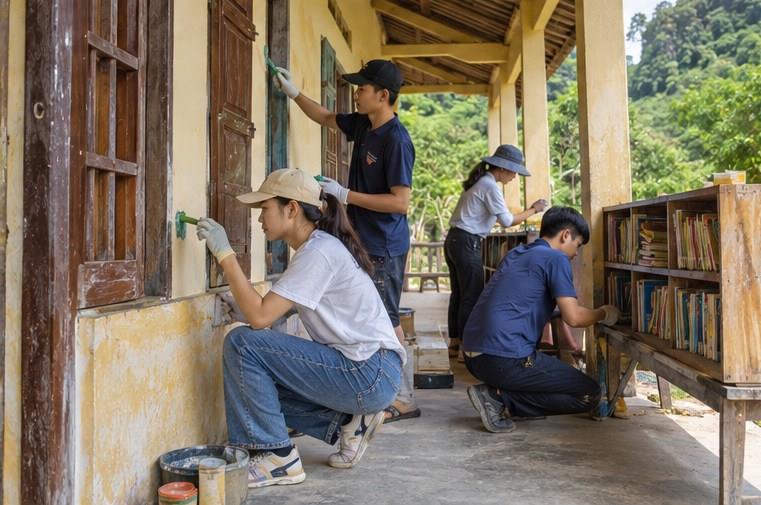
Looking after a community's places of remembrance
Cleaning a cemetery, a stele house or a heritage site requires the consent and guidance of whoever manages it. Do not repaint or repair on your own initiative, move objects, or turn the activity into a stage for photographs. What is appropriate may be as simple as clearing a path, learning the story and keeping a solemn manner.
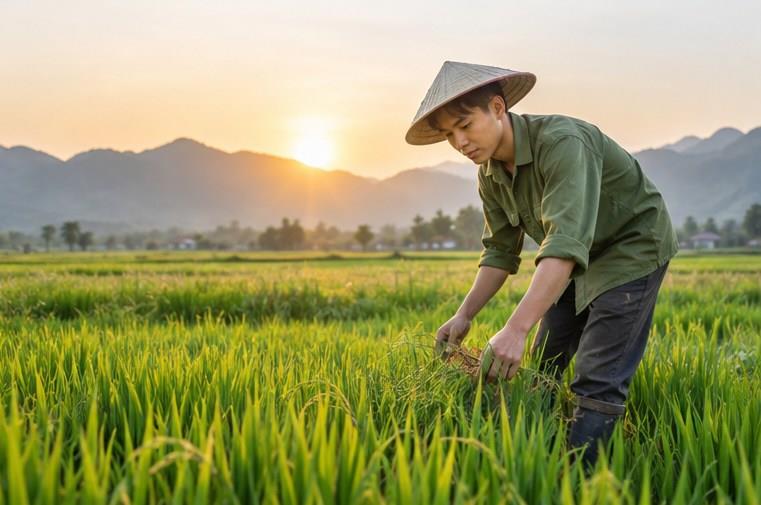
Bringing knowledge to where it is needed
A small bookcase, a careers session, a skills class or help with digitising local records is only useful if it starts from a real need. Ask the schools, the libraries and the community what they need, and commit to maintenance after handing it over. A small project with someone responsible for the long term is better than a large gift that ends up forgotten.
Whether you stay or go far away, you can contribute
Loving your home region does not oblige you to come back and build a career there. Those who go away can bring back knowledge, networks and opportunities; those who stay understand the land and hold the community together. What matters is not to judge each other's choices, and to look for ways that personal achievement creates more shared value.
Gratitude is not a passing feeling
Gratitude means something when it helps us understand what we have inherited and take an active part in keeping it. Earlier generations were not a flawless block, and the history of a family or a country holds losses that are hard to speak of. A grown-up kind of thanks lets us respect them and at the same time learn from both the achievements and the limits, so as to live better.
There is no need to wait for an anniversary to say it. A phone call, an afternoon spent listening, a page of documents properly annotated, caring for an older person or one day of decent work can all be ways of carrying it on. What matters is acting steadily, honestly, and not using someone else's story to make yourself look good.
Things that are easily misunderstood
Honouring someone has to be a big thing that many people see
A useful act does not need to be displayed. Persistence, matching a real need and transparency matter more than the number of photographs posted.
Keeping a tradition means nothing may change
A tradition lives through its ability to adapt. Responsible improvement is not the same as using old symbols to sell things without sharing the benefit.
Things you could begin with
- Choose something connected to a skill you actually have.
- Ask what is needed before volunteering or donating things.
- Commit an amount of time you can manage, but do it regularly.
- Ask permission before working at a heritage site or a cemetery.
- Credit and pay the person who taught you the craft.
- Do not post pictures of the people you have helped without their consent.
- Assess the results after each activity.
Five questions for looking back at yourself
- How many of the people before me in this family do I know by name and by story?
- What did the previous generation do so that I could live as I do today?
- Which memories should I ask about now, while the person who holds them can still share them?
- Which values are worth carrying on, and which lessons help me avoid repeating a mistake?
- What concrete thing could I do this week instead of a vague word of thanks?
Points to note when preserving memory
Any activity at a heritage site, a cemetery or a public work needs permission from the managing authority. Do not repaint or repair on your own initiative, touch the objects, or use images of other people for promotion.
Conclusion
Earlier generations handed us not only memories but part of a foundation. The finest answer is to lay a brick of our own: work decently, study seriously, look after what is shared, and leave those who come after us a better place to start.



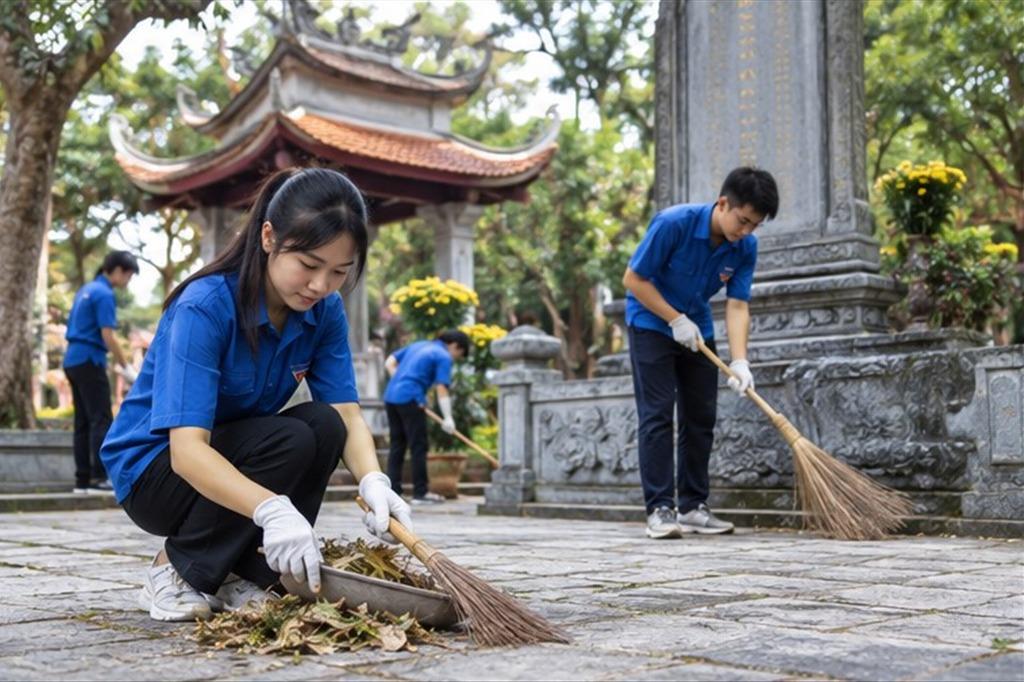 Carrying it on with more than thanks: what can young people do to be worthy of those who came before?
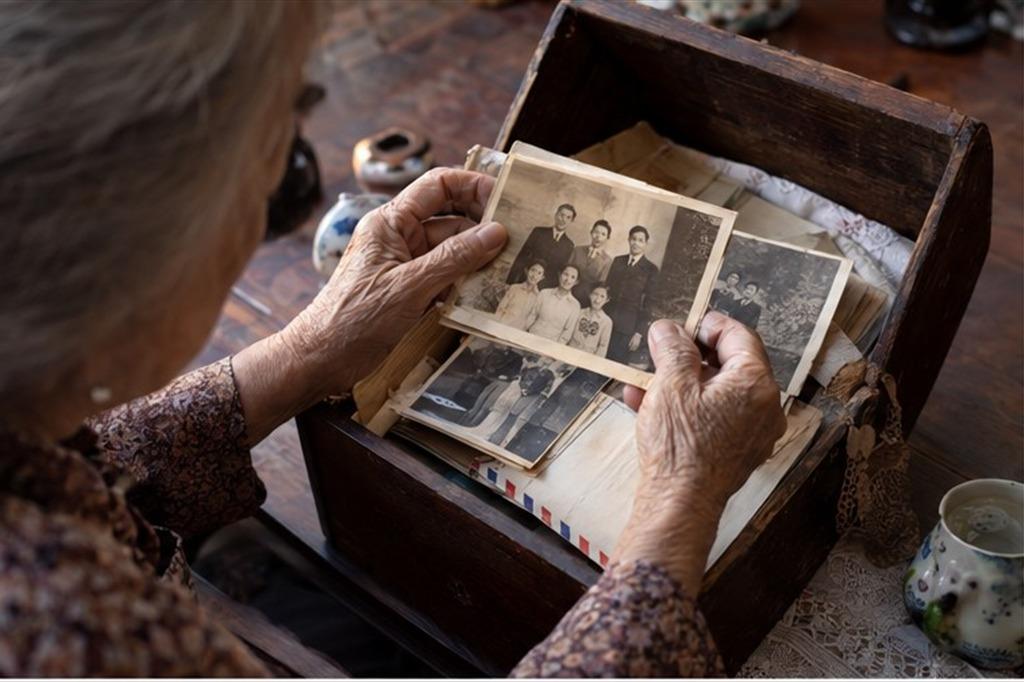 Letters, photographs and keepsakes: learning gratitude for earlier generations through family memory
 Easing neck and shoulder tension at a desk: adjusting your setup and changing position
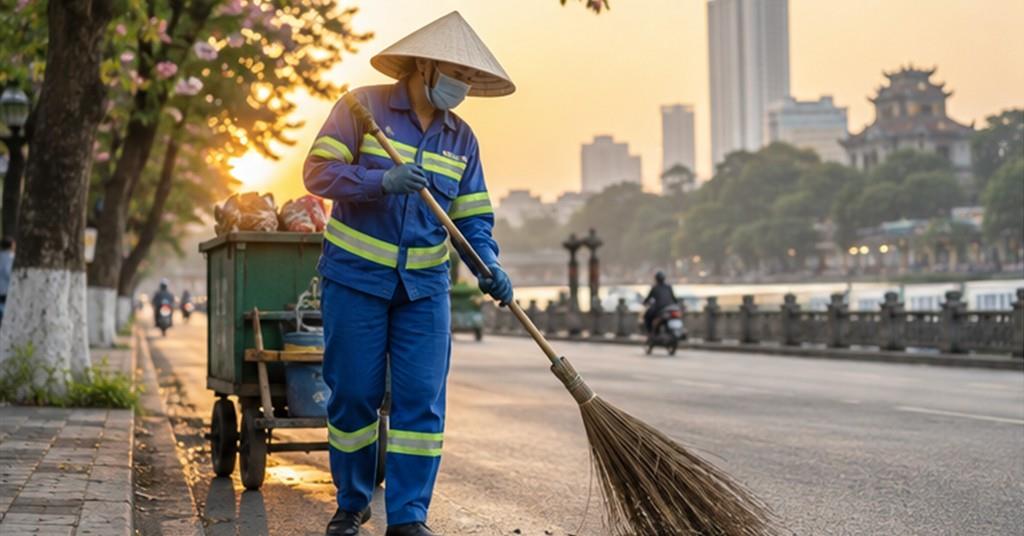 A city is clean and safe because of people who start their working day before we do
 One phone-free hour a day: a small gap for returning to real life
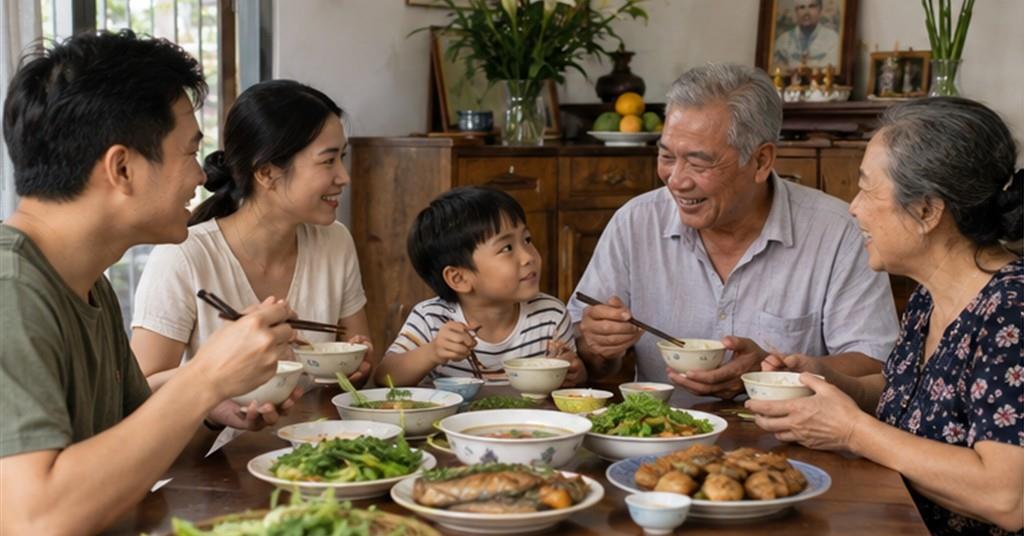 Small rituals that keep a family close inside a busy schedule
 Morning light and your sleep rhythm: building a steadier wake-up schedule
 Repair instead of replacing in a hurry: a small habit for a sturdier home and less waste
Đăng nhập để bình luận: / Sign in to comment: