



First Aid for 12 Common Situations When Backpacking
Health note: This article only provides initial first aid knowledge for handling situations while waiting for medical assistance. It does not replace a doctor's diagnosis and treatment. In all serious situations, call 115 or take the victim to the nearest medical facility as soon as possible. Do not give medication to others on your own.
Backpacking means staying away from hospitals. That means the time from when an incident occurs to when you see a doctor can stretch for hours, and what you do during that time is extremely important.
General principles before any situation
- Ensure your own safety first. If the rescuer gets injured too, the situation becomes twice as bad.
- Call for help early; do not wait until you have tried everything.
- Determine your location. Open a map, note down coordinates to read to dispatchers. On mountain passes, describing near which kilometer marker is more useful than place names.
- Do not move the victim if a spinal injury is suspected, unless they are in immediate danger.
1. Bleeding wounds
Use a clean gauze or clean cloth to apply direct pressure to the wound and maintain pressure. If blood soaks through, place another layer on top instead of removing the old one, as removing it will dislodge forming blood clots.
Elevate the injured area if possible. Go to a medical facility if the wound is deep, long, or if bleeding does not stop after fifteen minutes of continuous pressure.
2. Motorcycle exhaust pipe burns
This is the most common injury when backpacking or road-tripping. Cool the burn immediately with cool clean water for about fifteen to twenty minutes. Do not use ice water, do not apply toothpaste, fish sauce, python fat, or anything recommended by folk remedies, as they increase the risk of infection.
Do not pop blisters. Cover the burn with clean non-stick gauze. See a doctor if the burn is larger than the palm of a hand, on the face, joints, or if blisters burst.
3. Scrapes and abrasions from falling off a bike
Rinse thoroughly with clean water to remove sand and gravel. This is the most crucial step and also the one most often skipped due to pain. Disinfect with an appropriate solution, bandage it, and change dressings daily.
If the wound was caused by a dirty object or contaminated with soil, see a doctor for advice on tetanus prevention.
4. Sprains and dislocations
Remember the four steps: rest, ice, compression, and elevation. Apply cold compresses for about fifteen minutes at a time, using a towel wrapper rather than applying ice directly to the skin.
Do not massage with medicated oil or hot balm for the first two days as it will worsen swelling. Do not try to pop a dislocated joint back into place yourself; this requires a qualified professional to avoid damaging blood vessels and nerves.
5. Suspected fractures
Immobilize the fractured area in its current position, using a temporary splint such as a piece of wood, a straight tree branch, or even a rolled-up magazine, securing both the joint above and below the fracture.
Do not attempt to realign the bone to its original position. Take the victim to emergency care.
6. Heatstroke and heat exhaustion
Early signs: headache, dizziness, nausea, red and hot skin, fatigue. Move the person immediately to a cool, shaded place, loosen clothing, cool the body with wet towels, and give small sips of water if the person is still conscious.
Dangerous signs requiring immediate emergency assistance: confusion, slurred speech, seizures, fainting, or hot skin without sweating. This is a life-threatening condition.
7. Hypoglycemia
Common when traveling all day while skipping meals. Symptoms include shaky hands, cold sweats, dizziness, intense hunger, and unusual irritability.
If the patient is conscious and able to swallow, give them fast-absorbing sugars immediately, such as soft drinks, candy, or biscuits. Once they feel better, give them starchy foods.
If the patient is drowsy or unconscious, never pour liquid or put food into their mouth as this may cause choking. Place them in the recovery position and call for emergency help.
8. Snake bites
Keep the victim calm and still, as movement speeds up the spread of venom. Position the bitten area lower than the heart. Gently wash the bite with clean water, and remove rings, bracelets, or watches from the bitten limb before swelling occurs.
Things you must NEVER do: do not cut the wound, do not suck venom out by mouth, do not apply a tight tourniquet, do not apply herbal leaves based on word-of-mouth, and do not give alcohol.
Take them to the hospital immediately. Taking a photo of the snake from a safe distance can be very helpful for doctors, but do not risk trying to catch it.
9. Insect bites and allergic reactions
For bee stings, remove the stinger by scraping horizontally rather than squeezing, as squeezing pushes more venom in. Apply a cold compress to reduce swelling.
Seek emergency care immediately if symptoms such as shortness of breath, swelling of the lips/tongue, hives all over the body, or severe dizziness appear. This could be anaphylaxis, which progresses very rapidly. People with a history of severe allergies should carry prescribed medication and inform travel companions how to use it.
10. Leeches and land leeches
Do not pull firmly. Use a fingernail to gently push the mouthpart off the skin, or apply a little salt or medicated oil so they release naturally. Afterwards, clean and bandage the area, as leech bites bleed for quite a while due to anticoagulants in their saliva.
11. Drowning
Do not jump in to save someone unless you are trained. Throw a lifebuoy, an empty plastic jug, or reach out with a branch or rope for the victim to grab.
Once brought ashore, if the victim is not breathing, call emergency services and start chest compressions immediately. Do not waste time holding the victim upside down to drain water; this is a misconception and delays essential life-saving emergency care.
12. Food poisoning
Have them sip small amounts of fluid to rehydrate, ideally oral rehydration solutions mixed according to instructions. Do not induce vomiting, especially if the patient is drowsy.
Go to the hospital if there is severe vomiting unable to keep fluids down, prolonged diarrhea, high fever, blood in stool, or signs of dehydration such as dark/infrequent urination, dry lips, and sunken eyes.
What a first aid kit should contain
- Sterile gauze, roller bandages, medical tape, adhesive bandages
- Antiseptic solution and saline solution
- Disposable medical gloves
- Small scissors, tweezers
- Elastic bandage for sprains
- Disposable instant cold packs
- Personal prescription medications for group members
- Sugar or sweet candy to handle hypoglycemia
Check expiration dates before every trip. A fully equipped first aid kit that has expired won't be of any help.
Preparation is more important than skill
Before every trip, ask the group if anyone has underlying medical conditions, drug allergies, or current medications. Save contact numbers for each person's family members. Collecting this information takes only five minutes but can make a crucial difference in an emergency.
And once again: all instructions above are only meant to hold out while waiting for medical help. Bring the injured or ill person to a medical facility as soon as possible, even if they say they feel better.



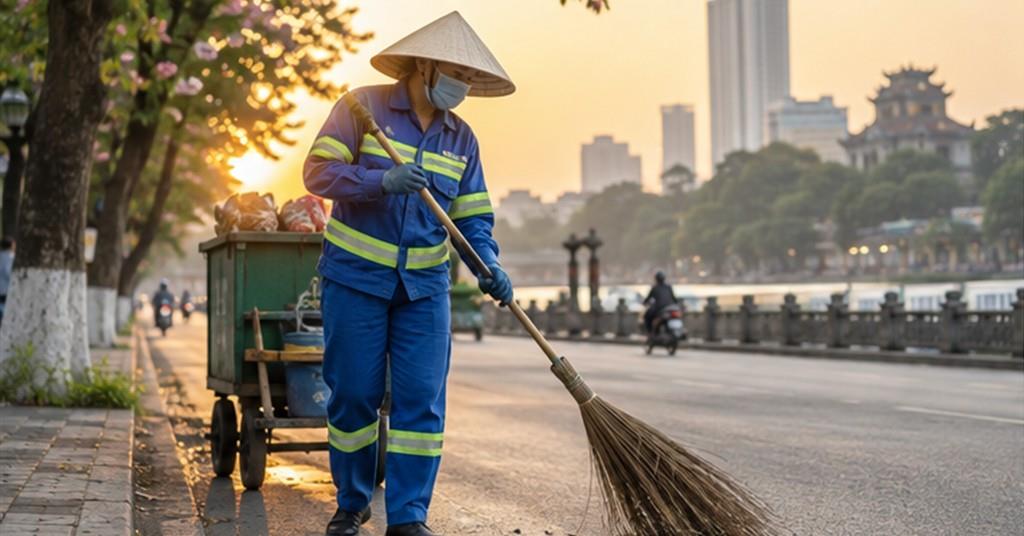 A city is clean and safe because of people who start their working day before we do
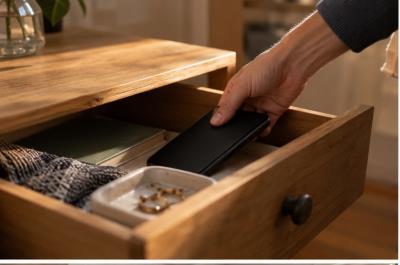 One phone-free hour a day: a small gap for returning to real life
 Small rituals that keep a family close inside a busy schedule
 Morning light and your sleep rhythm: building a steadier wake-up schedule
 Repair instead of replacing in a hurry: a small habit for a sturdier home and less waste
 A happy family is not a family that never argues
 Do not only ask your child what they scored — ask whether they were happy today
 Siblings scattered in different places: how do you keep the bond from fading?
Đăng nhập để bình luận: / Sign in to comment: