



How to cook bun bo Hue: deep flavour, lemongrass aroma and a broth that stays clear
A good bun bo Hue has a broth that is reasonably clear but deep in flavour, fragrant with lemongrass, with the shrimp paste melting into the base rather than standing out on its own, and an orange-red colour that comes from annatto oil and chilli. The recipe below serves six, uses beef shank and pork trotter and suits a home kitchen; blood curd and Hue pork loaf are optional.
Quick facts
- Serves: 6 bowls.
- Preparation: 45 minutes.
- Cooking: 3-4 hours.
- Difficulty: medium.
- Suitable pot: 8-10 litres.
Ingredients
Meat and broth
- 1.2 kg of beef bones, or a mixture of marrow bones.
- 700 g of beef shank, tied neatly.
- 800 g of pork trotter, cut into rounds.
- 5 litres of water; 7 stalks of lemongrass.
- 1 onion and 1 small piece of ginger.
- 45-60 ml of fish sauce, 20 g of salt, 20 g of rock sugar.
- 25-35 g of Hue shrimp paste; start low and taste as you go.
Colour and accompaniments
- 3 tablespoons of cooking oil, 2 tablespoons of annatto seed.
- 2 tablespoons of mild chilli powder, 1 tablespoon of chopped fresh chilli depending on your tolerance.
- 1.2 kg of thick round bun noodles.
- 250 g of Hue pork loaf and 300 g of cooked blood curd, optional.
- Onion, spring onion, Vietnamese coriander, banana blossom, herbs, bean sprouts and lime.
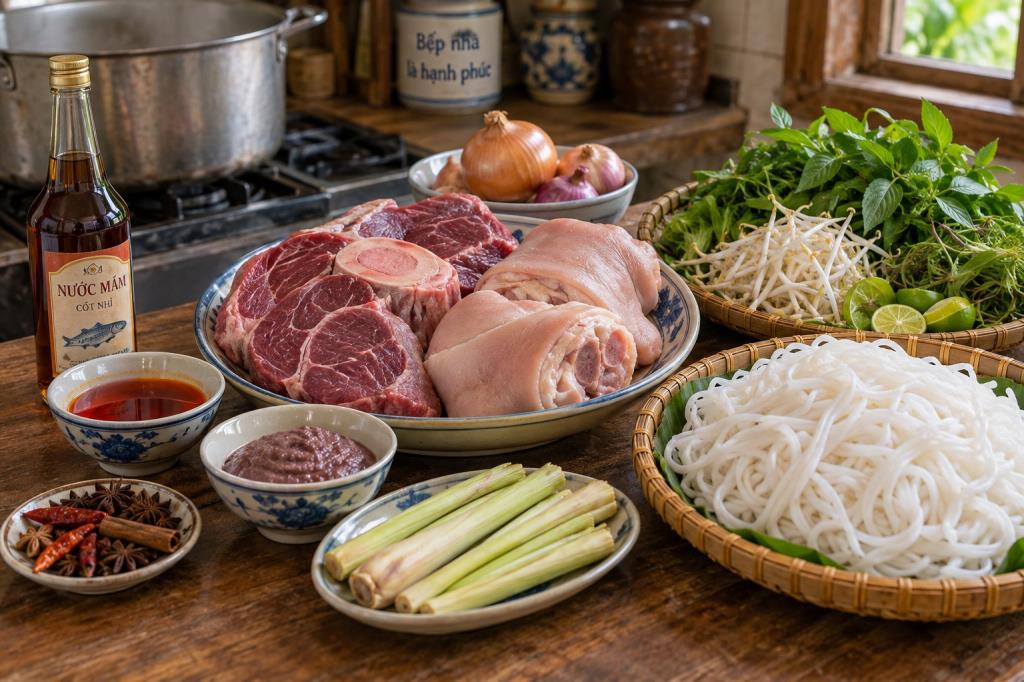
Preparing the meat and the lemongrass
Soak the bones and the trotter in cold water for 20-30 minutes, then blanch them for 5 minutes in boiling water. Pour away the blanching water, rinse each piece and clean the pot. The beef shank only needs a quick blanch in the last batch. This removes the clotted blood, keeps the smell of the meat clean and cuts down on scum.
Bruise the base of 5 stalks of lemongrass and tie them in a bundle so they are easy to lift out; chop the tender part of the remaining 2 for the chilli oil. Do not chop all the lemongrass and throw it loose into the pot, as the fragments make the broth gritty and cling to the noodles. Char the onion and ginger to a light gold, then rinse off the loose burnt pieces.
Step 1: simmer each kind of meat to its own point of tenderness
Put the bones into 5 litres of water, bring it close to the boil and skim the scum. Add the bundle of lemongrass, the onion, the ginger and 10 g of salt, and keep the pot at a bare simmer. After 30 minutes add the beef shank and the pork trotter. Check the trotter after 45-60 minutes: when the skin is translucent and a chopstick goes through but the round still holds its shape, lift it out. Beef shank usually needs 75-100 minutes depending on its thickness. Give the pieces you have lifted out a quick soak in cool water, then drain them.
Keep the bones simmering for about 3 hours in total. If you want a lighter broth, skim the fat from time to time, but keep a little to carry the lemongrass and chilli. Never let it boil hard: the meat knocks about and tears, and marrow and fat dissolve into the liquid and cloud it.
Step 2: settle the shrimp paste so it is fragrant rather than harsh
Mix 25 g of shrimp paste with 250 ml of warm water, stir it and let it stand for 15 minutes. Pour the clear liquid from the top through a sieve into the pot and discard the sediment. Add it in stages, waiting for the pot to come back to a simmer before tasting; the saltiness varies from one brand to another. Settling it does not take away the character of the dish, it simply keeps the broth clean and the smell under control.
Do not fry shrimp paste in hot oil, as it burns easily and the smell turns sharp. Season the base with salt, rock sugar and fish sauce after the meat has been lifted out. The right balance is gently salty, sweet from the bones and clearly lemongrass; the shrimp paste only lengthens the finish.
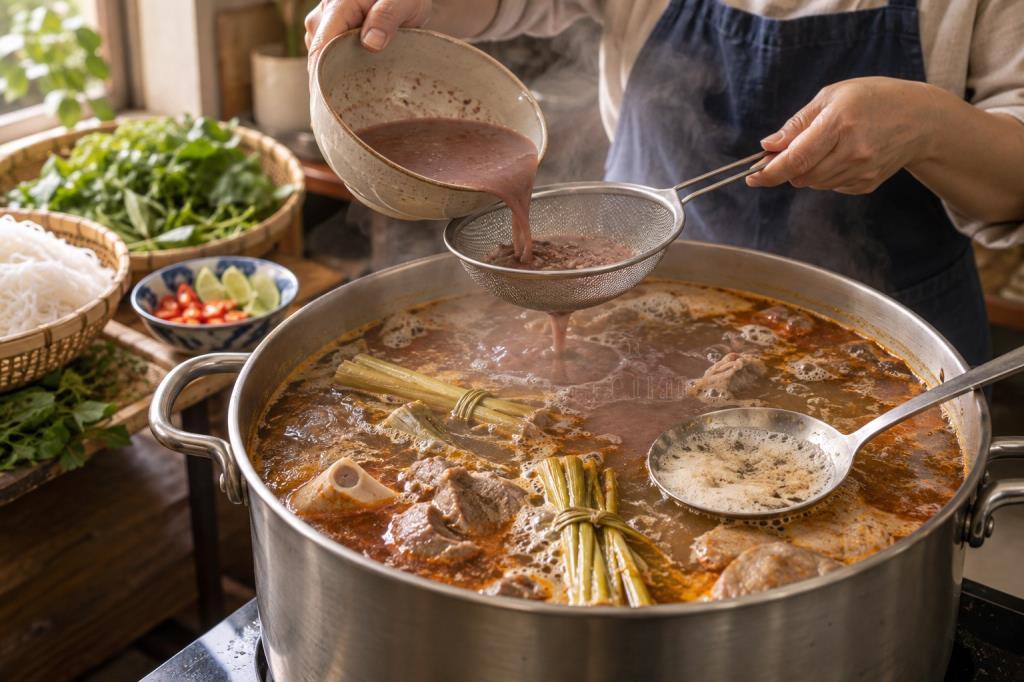
Step 3: make the coloured oil and the chilli paste
Heat the oil over a low flame, add the annatto seed for 60-90 seconds until the oil turns orange-red, then strain the seeds out immediately. Oil that is too hot turns the annatto brown and bitter. Use half the coloured oil to fry the chopped lemongrass, then add the chilli powder and the fresh chilli; stir for 20-30 seconds and take it off the heat before the chilli darkens.
Stir half the mixture into the pot for colour and base aroma and keep the rest aside for those who like it hot. That way children and people who cannot take much chilli can still eat it. Do not use too much oil: the surface should carry only small red droplets, not a thick layer of fat.
Step 4: finish the broth
Strain the broth through a sieve into a clean pot and add boiling water to bring it back to about 3.8-4 litres. Taste it again when it is properly hot. Add the sliced Hue pork loaf and the cooked blood curd for the last 5-7 minutes. Let the beef shank cool completely, then slice it across the grain 2-3 mm thick; leave the trotter in rounds.
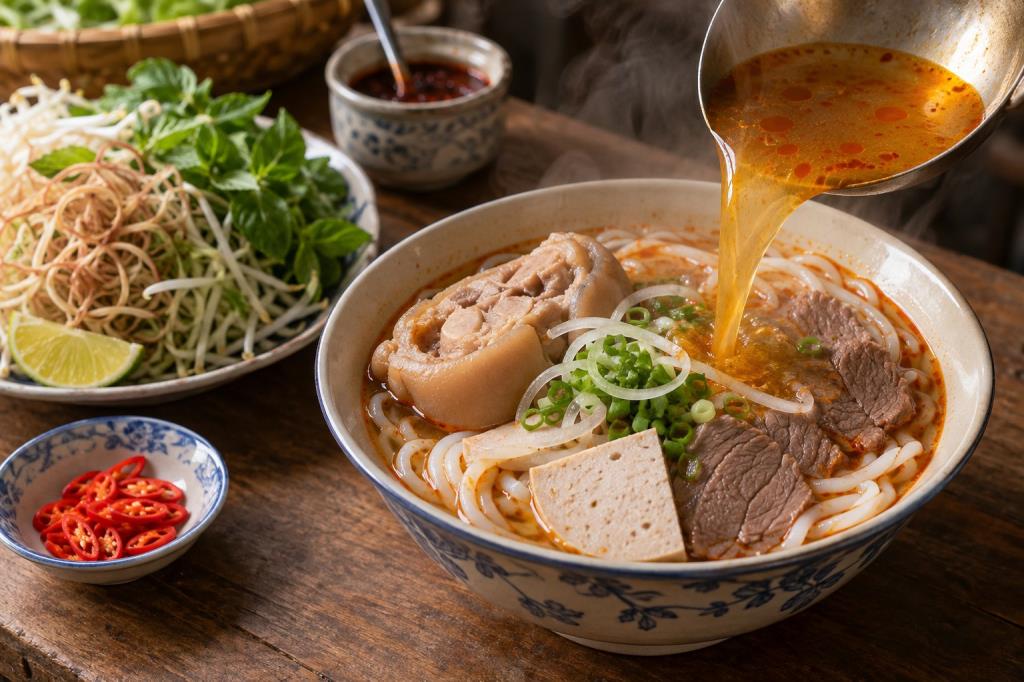
You know it is right when the broth is an amber red and you can still see the bottom of the ladle; the first smell is lemongrass, then the meat, with the shrimp paste at the end. If the smell of the paste hits you the moment you lift the lid, it is either too strong or not yet properly blended in.
Step 5: blanch the noodles and build the bowl
Rinse the noodles quickly under clean water if needed, blanch them in portions in a separate pot of boiling water for 10-20 seconds and drain them. Layer the noodles, the beef shank, the trotter, the pork loaf and the blood curd, then add thinly sliced onion, spring onion and Vietnamese coriander. Ladle the boiling broth over. Keep the banana blossom, the raw herbs, the bean sprouts and the lime on the side, to be added at the table.
Seven small tips for cooking it
- Bruise the lemongrass and tie it in a bundle instead of throwing the pieces loose into the pot.
- Lift the trotter and the shank out at their own point of tenderness; do not make them cook for as long as the bones.
- Let the shrimp paste settle before you add it.
- Extract the annatto over a low heat and take the seeds out early.
- Split the chilli paste between the pot and the table.
- Blanch the noodles in a separate pot so the broth stays clear.
- Do the final seasoning after straining, once the volume is fixed.
Fixing the usual problems
The broth reeks of shrimp paste
Lift out the old lemongrass, top up with bone stock or boiling water, add a freshly bruised bundle of lemongrass, simmer for 15 minutes and season again. Do not add much sugar, as it only masks the smell for a moment and throws the flavour off.
It is too hot, or there is a thick layer of oil
Let the pot stand for a few minutes and skim some of the oil off the top. Dilute it with broth that has no chilli paste in it. Lime goes into the bowl only, never squeezed into the whole pot, as long cooking turns it harshly sour.
The trotter skin has come away and the shank is dry
Both have been cooked too long. Next time check earlier and cool the pieces once they come out. When reheating, drop the sliced meat into the hot broth just before ladling rather than cooking it for hours again.
Storage, allergies and safety
Keep the noodles, the herbs, the meat and the broth separate. Divide the broth into shallow containers, chill it within 2 hours and keep it for 3-4 days in the fridge. Reheat the portion you are eating to 74C. Never pour broth that has been over the noodles and raw herbs back into the main pot. Shrimp paste comes from crustaceans and fish sauce contains fish; anyone with a seafood allergy should avoid it or choose a suitably labelled substitute.
How to split up the work for six without the noodles going soggy
You can simmer and season the broth the day before, but store the beef shank, the pork trotter and the liquid separately. Keep the chilli paste in a clean jar; pick over and wash the herbs in advance, but drain them very thoroughly. Half an hour before the meal, bring the broth back to the boil, slice the shank while it is still cold so the slices come out evenly thin, warm the trotter through in the broth and only then arrange it on a plate. Blanch the noodles two bowls at a time rather than doing the whole batch and letting it wait, as the strands keep absorbing water and sticking together.
When you are serving children or people who do not eat chilli, keep the base pot coloured only lightly with annatto. Put the hot chilli paste on the table or stir it into a small separate pot. The shrimp paste is part of the foundation of the dish, so anyone who cannot have fermented products or seafood needs their own portion of broth from the very start; it cannot simply be taken out after cooking.
Line up six warmed bowls, divide the noodles evenly, then add the meat, the trotter and the onion in turn. One person building the bowls and another ladling the broth is faster and keeps the portions even. Put the raw herbs, the lime and the chilli paste on separate plates so everyone can adjust to taste; this also keeps scraps of herb out of the broth pot and preserves its quality if there is any left over.



 How to cook mung bean and aloe sweet soup: refreshing, with crisp aloe and no bitterness
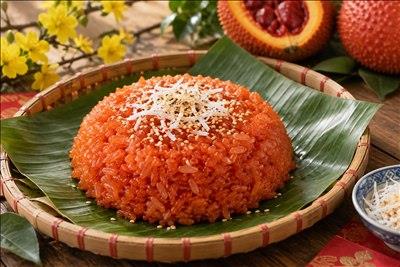 How to cook xoi gac: a beautiful red, chewy separate grains and never claggy
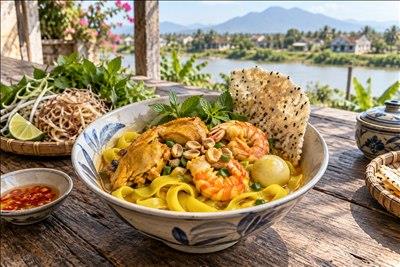 Mi Quang and the kitchens of Quang Nam: a bowl with little broth and a great deal of memory
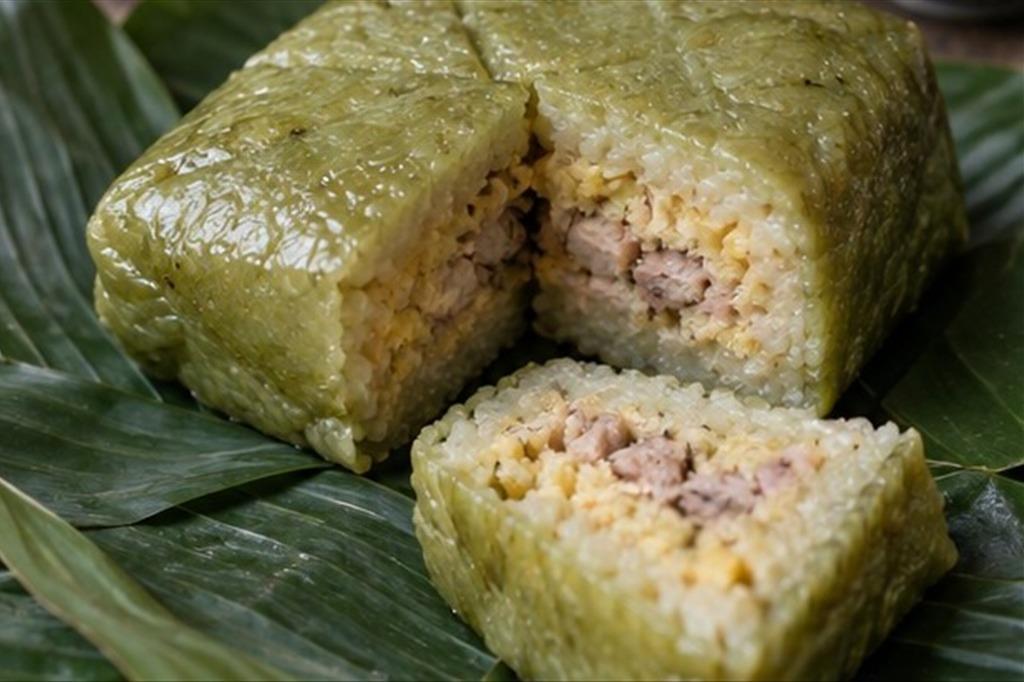 Bo Dau banh chung: the green square cake at the crossroads into Thai Nguyen
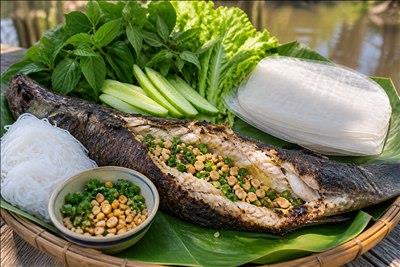 How to cook ca loc nuong trui: evenly done, juicy flesh and no taste of ash
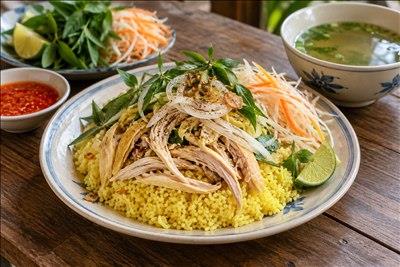 How to make Hoi An chicken rice: fluffy grains, juicy chicken and a crisp onion salad
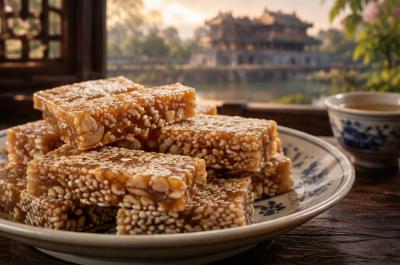 Me xung from Hue: chewy malt, toasted sesame and the slow rhythm of tea
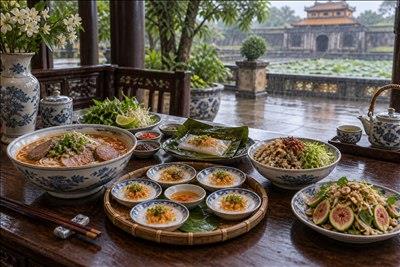 The food of Hue: where the royal kitchen, everyday dishes and small street stalls meet
Đăng nhập để bình luận: / Sign in to comment: