



Why do Mekong Delta kitchens so often combine sweet, sour and hot in one dish?
Sweet, sour and hot in a Mekong Delta kitchen are not three separate straight lines. They are adjusted so as to lift the fish, the vegetables, the fruit and the broth, reflecting what the region produces and how people eat in a hot, humid climate.
Sweetness does not come only from sugar
Sweetness can come from fresh fish, coconut water, root vegetables, fruit or from reducing as you cook. Sugar is one tool, but it does not explain every dish. Households and provinces season to different levels.
In a braise, a little sweetness rounds out the salt and builds colour; in a soup, an underlying sweetness takes the edge off the sourness. Too much buries the ingredients, so a cook usually tastes several times.
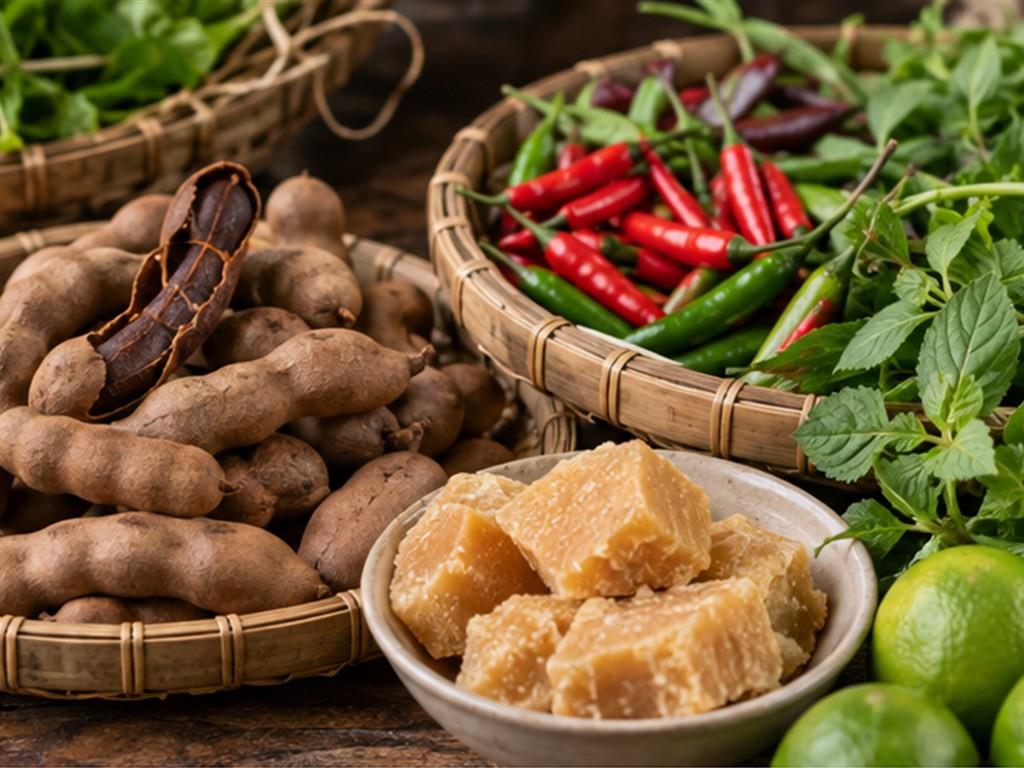
Sourness follows the season
Tamarind, wild grape, sonneratia fruit, starfruit, lime and many others each give their own kind of sourness. Some make it round, some add aroma, some need long cooking. Choosing the souring agent has to do with the fish, the vegetables and the season.
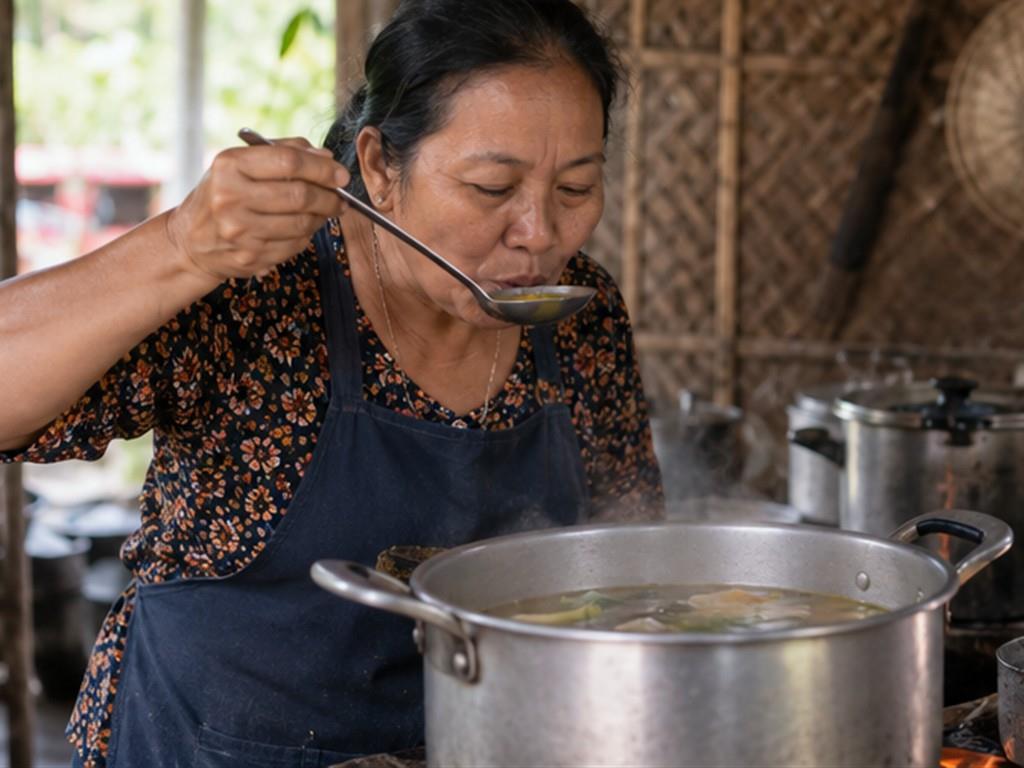
A sour soup is appealing because the broth, the fish, the vegetables, the aromatics and the sourness are in balance. It should not be read as a simple “sweet and sour” dish; the structure also carries herbal aroma and savoury depth.
Heat is there to brighten the flavour, not to test you
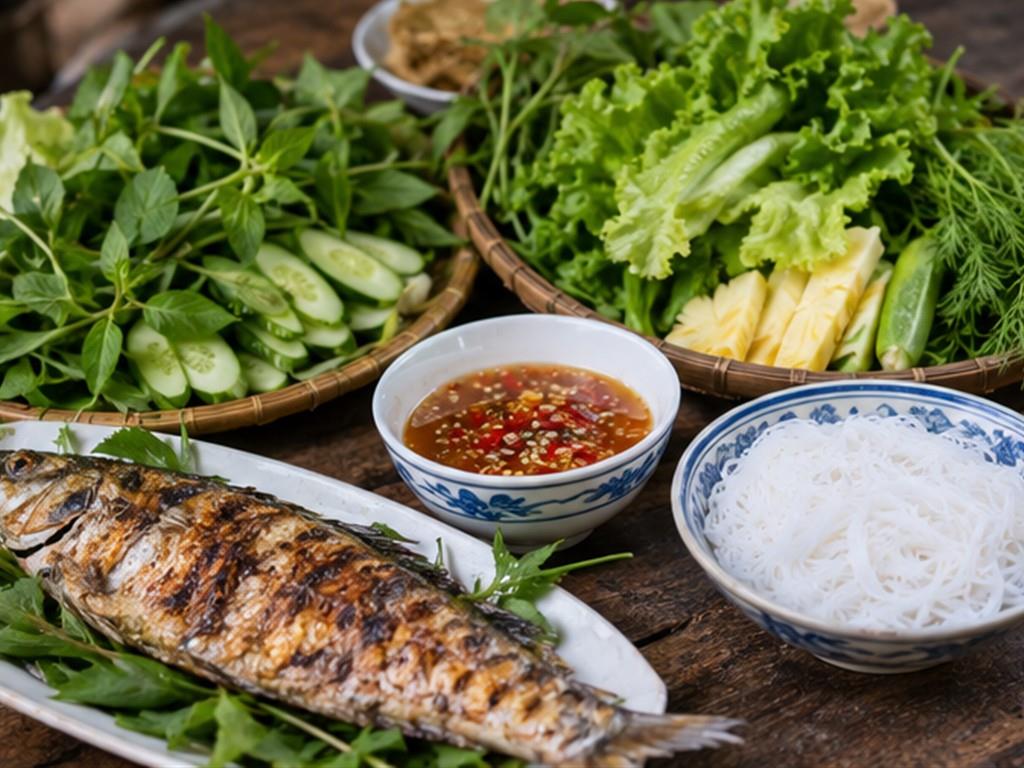
Fresh chilli, chilli cooked in oil or pepper can sharpen a dish and give a sense of warmth. The level of heat is usually adjusted in the dipping bowl, so each person can choose for themselves.
Eaten with fresh greens, noodles or rice, a strong flavour gets dispersed. Judging a dish from one spoonful of broth on its own easily leads to the wrong conclusion, because it was designed to be eaten as a whole.
Eating well while keeping a clear head
A good food experience does not require ordering a great deal. Watch how much your group actually eats, order in rounds and ask about portion sizes. At an unfamiliar place, prefer one where ingredients are covered, the preparation area is reasonably clean, hot food is served hot and the seller has a steady stream of customers. Anyone with allergies or a particular diet should ask what is in a dish rather than guessing from its name.
Prices vary by neighbourhood, by time and by the size of the place, so any figures are only a rough guide. The effective way to hold a budget is to put most of it into the main meals and keep a small amount aside for drinks, parking and unplanned extras. Do not haggle aggressively with small vendors; if a price does not suit you, ask first and then choose somewhere else.
Respecting the food and the people who cook it
When you write or share, name the place, the time and the version you actually ate. One personal experience does not represent a whole region. Salty, sweet, hot or rich should be described rather than judged. If you photograph a vendor or a kitchen, ask permission and avoid blocking the way at busy hours.
Local food exists thanks to a whole chain of labour: the people who grow, fish, transport, sell at market and stand at the stove. Finishing what you order, favouring seasonal ingredients and cutting down on single-use plastic are small but real contributions from the person eating. Good food is kept alive not only by praise but by choices that are fair to the people who make it.
A manageable way to begin
When you try a delta dish, taste the broth first, then eat it with the fish, the vegetables and rice. Ask the cook where the sourness and the sweetness come from, so you understand the logic rather than simply saying “too sweet”.
What matters is choosing an approach that fits your actual circumstances, watching how it goes and adjusting. A good plan does not have to be perfect the first time; it needs to be clear enough to start and flexible enough to keep going.
Balance in the delta is not a formula of three equal flavours. It lies in the way each one gives way so that what the rivers provide can be recognised.



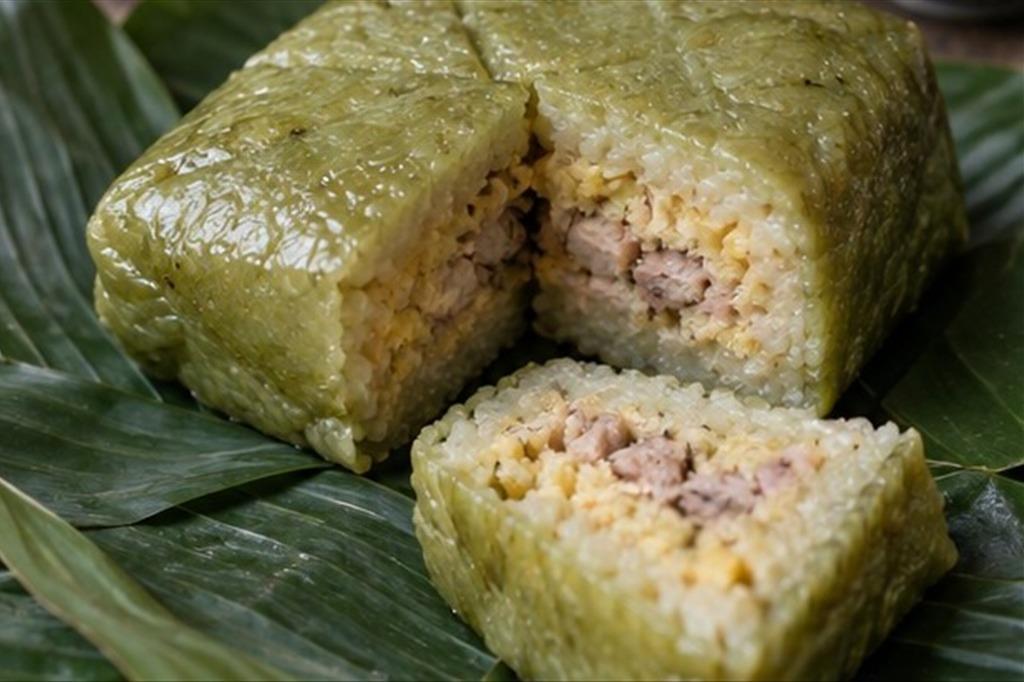 Bo Dau banh chung: the green square cake at the crossroads into Thai Nguyen
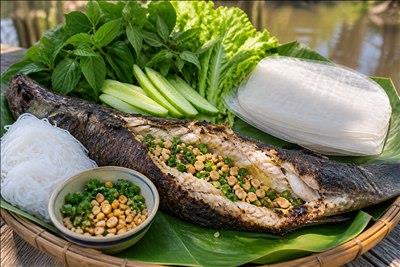 How to cook ca loc nuong trui: evenly done, juicy flesh and no taste of ash
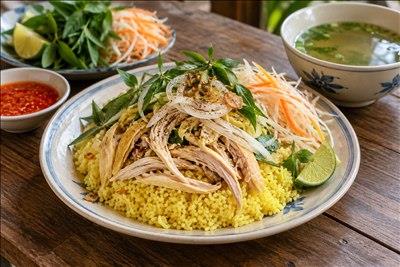 How to make Hoi An chicken rice: fluffy grains, juicy chicken and a crisp onion salad
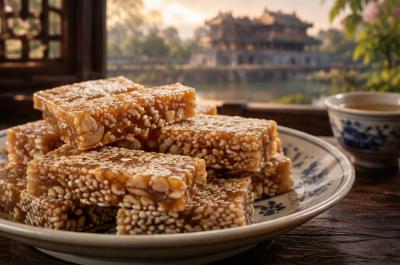 Me xung from Hue: chewy malt, toasted sesame and the slow rhythm of tea
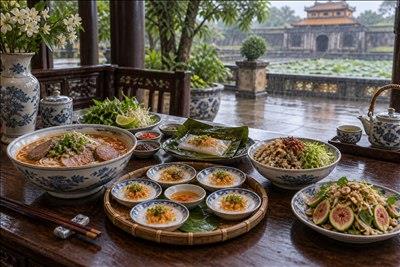 The food of Hue: where the royal kitchen, everyday dishes and small street stalls meet
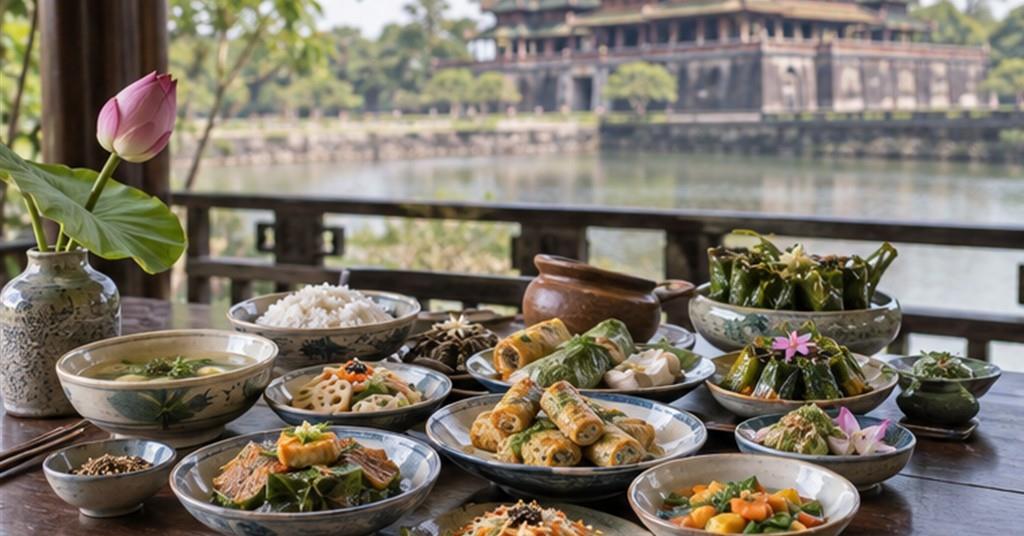 Hue vegetarian food: why is something so plain still so layered in flavour?
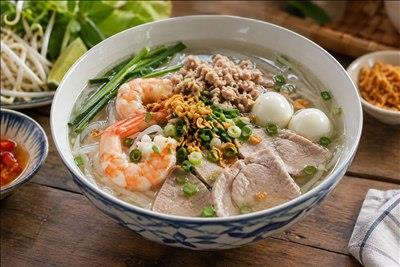 How to cook hu tieu Nam Vang: a clear broth, sweet from the bones, with noodles that hold
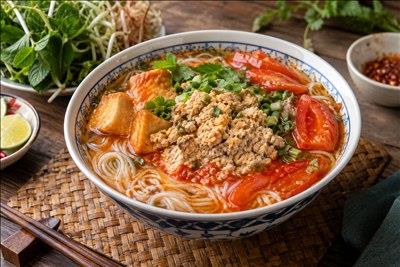 How to cook bun rieu cua: fragrant, with the crab curd in soft clouds and a clear broth
Đăng nhập để bình luận: / Sign in to comment: