



Tuong Ban of Hung Yen: from soybeans and toasted glutinous rice to the taste of the northern delta
Tuong Ban is a thick amber-brown sauce, salty and sweet at once, with the fermented aroma characteristic of Ban Yen Nhan in Hung Yen. From soybeans, glutinous rice, salt and water, the makers build the flavour through stages of toasting, culturing, steeping and drying in the sun.
The sauce was long a familiar part of meals in the northern delta, suiting boiled vegetables, tofu, boiled meat and many homely dishes. Today it is bottled, travels far and comes in different levels of sweetness and salt. A shared name does not mean every bottle has the same recipe, the same fermenting time or the same sources.
Quick facts
- Place: Ban Yen Nhan, Hung Yen.
- Base ingredients: soybeans, glutinous rice, salt and water.
- Technique: culturing mould on the rice, preparing the beans and fermenting in jars.
- Character: amber-brown, thick, fermented in aroma, salty and sweet.
- Use: as a dip for vegetables, tofu and meat, or as a seasoning in cooking.
The rice culture builds the base aroma
The glutinous rice is cooked, cooled and left to culture under suitable conditions to form the mould used for the sauce. Temperature, humidity and hygiene decide whether it smells fragrant or spoiled. This is controlled fermentation, not simply letting food go mouldy on its own; anyone without experience should not attempt it from a short description online.
The soybeans need to be cooked through and opened up
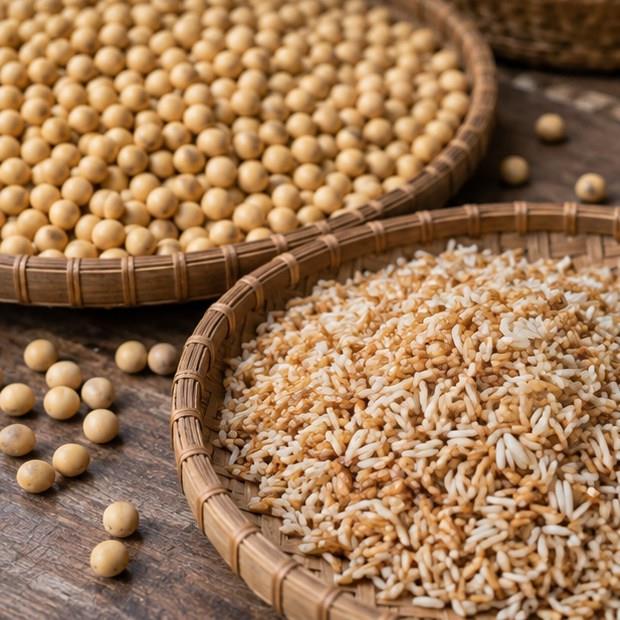
The beans are selected, cleaned, then toasted or treated according to each household's method and steeped. Heat creates the nutty aroma, while time softens them and releases what the later stages need. Scorched beans turn bitter; underdone ones smell green. The balance rests on experience with each batch of beans and with the weather.
The jars pass through the sun
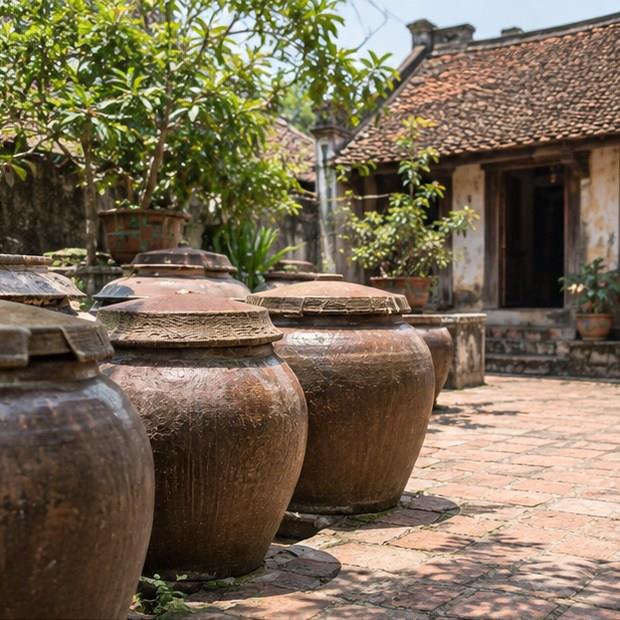
The rice culture, the bean liquid and the salt are combined and left to ferment, usually in clean earthenware jars. Sun and warmth drive the changes but also call for covering, stirring and watching. The batch ripens gradually in colour, thickness and aroma; the time cannot be shortened simply by adding colouring or flavouring.
A small dish that lifts a meal of vegetables
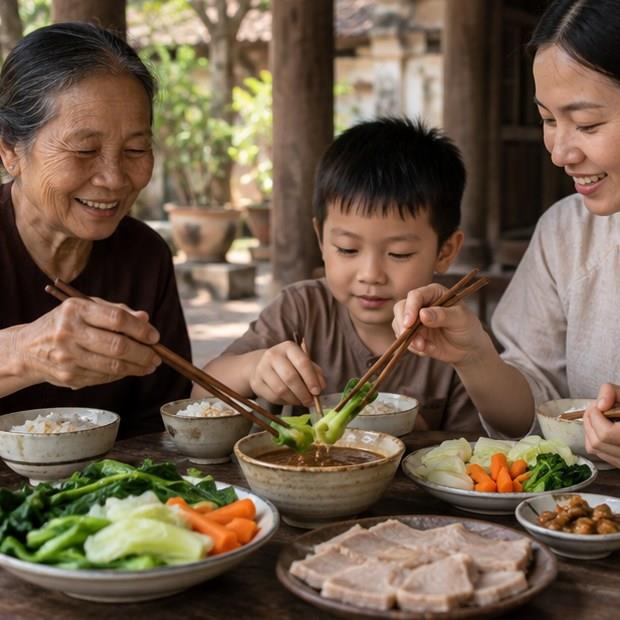
The sauce is strong, so only a modest amount is needed. Boiled vegetables, tofu or boiled meat give a plain base against which the fermented flavour stands out. Some households add chilli, ginger or sugar when mixing it; that is a way of eating it, not necessarily what is in the bottle. Tasting first keeps a dish from becoming too salty.
A craft village in the age of bottling
Clean packaging, clear labels and a steady process let the sauce travel far, but large-scale production easily leads buyers to look only at the brand. The value of a craft village lies in the sources, the technique and local livelihoods. Sellers should be transparent about where it was made rather than using the name “Tuong Ban” as decoration.
Why does a dish come to identify a region?
A speciality is not made by a list of ingredients alone. Climate decides the season, soil affects the quality of the produce, and markets, roads and the rhythm of work shape how it is prepared. Techniques repeated across generations give a dish its own “voice”, even though every household keeps different proportions and knacks. So a local version should be seen as a living tradition, not a closed recipe.
Fame brings its own problems. As demand grows, a product may be made in a hurry, given a longer shelf life, or labelled with a place name despite having no connection to the craft village. Buyers can help protect its value by asking where it was made, reading the ingredients, choosing transparent producers and accepting a price that reflects the work. An unusually cheap gift is sometimes a sign to look more closely rather than a bargain.
Tasting so as to recognise the structure of the flavour
Do not rush to add a lot of dipping sauce, chilli or sugar at the first bite. Look at the natural colour, smell the main aroma, feel whether it is soft, chewy, crisp or firm, and only then try it with what comes alongside. This helps you recognise the role of each element and understand why local people arrange the dish as they do. Temperature matters too: something just cooked smells and feels different from the same thing gone cold or carried a long way.
There is no single yardstick for taste. Someone used to sweetness may find central dishes salty; someone who likes it light may find fermented food too strong. Instead of ranking the “best”, ask which village, shop or household this version comes from, and whether it was made to eat straight away or to take away as a gift. A specific question opens a more interesting story than an absolute verdict on a whole region.
Things that are easily misunderstood
The longer it is kept, with no limit, the better it gets
Fermentation has its right stage, and a bottled product has a use-by date; stored wrongly, it can still spoil.
Anything floating on the surface is harmless
An unusual film, smell or colour should be assessed by the producer; do not conclude on your own that it is a good culture.
Suggestions for trying it
- Read the ingredients and where it was made.
- Choose a sealed bottle that is not swollen or leaking.
- Taste a small amount before mixing it.
- Use a clean, dry utensil to take the sauce out.
- Close it tightly after use.
- Store as the label says, especially once opened.
- Use it in moderation, since the sauce is usually high in salt.
Buying it and taking it home as a gift
Prefer products that carry the maker's name, an address, a production date, a use-by date and clear storage instructions. For goods sold loose, ask when they were made, how they were transported and what signs would show they are no longer good. Attractive packaging helps on a long journey but does not replace the quality inside; equally, a rustic look does not automatically prove something is handmade or safe.
Buy an amount that suits the distance and how well you can keep it. Fresh items containing meat, seafood, broth or raw vegetables need temperature control; dried goods and sweets still have to be kept away from damp, heat and insects. If you are flying or crossing an area with quarantine rules, check the airline's rules and those of your destination. Do not vacuum-seal something unsuitable and then assume it can sit at room temperature.
A note on food safety
This is a fermented food with a considerable salt content. Do not use a product of unknown origin, or one with a swollen or leaking lid, a foul smell or an odd colour. Anyone who must limit sodium should adjust their portions on professional advice; anyone allergic to soy should avoid it.
Anyone allergic to prawn, crab, legumes, sesame, peanut, dairy, egg or anything else needs to ask specifically, since these can be in the filling, the broth and the dipping sauce. Young children, older adults, pregnant people and those with weakened immunity should favour food that is cooked through, stored properly and eaten soon. If something smells odd, is unusually slimy, has swollen packaging, or has been out at room temperature for an unknown length of time, the safe choice is not to eat it.
Conclusion
Tuong Ban gathers sunlight, beans and rice into one small dipping dish. Understanding the work of managing the culture, the jars and the time lets us value it as a fermentation technique of the delta, not merely a familiar salty-sweet taste.



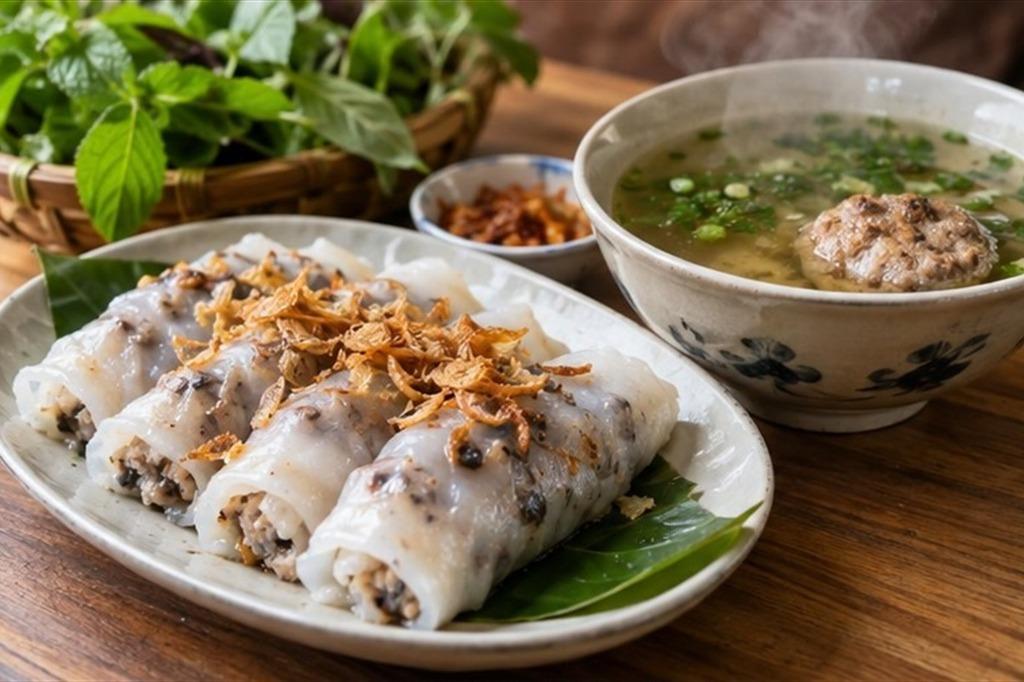 Cao Bang banh cuon: a thin rice sheet eaten with a bowl of hot broth on the frontier
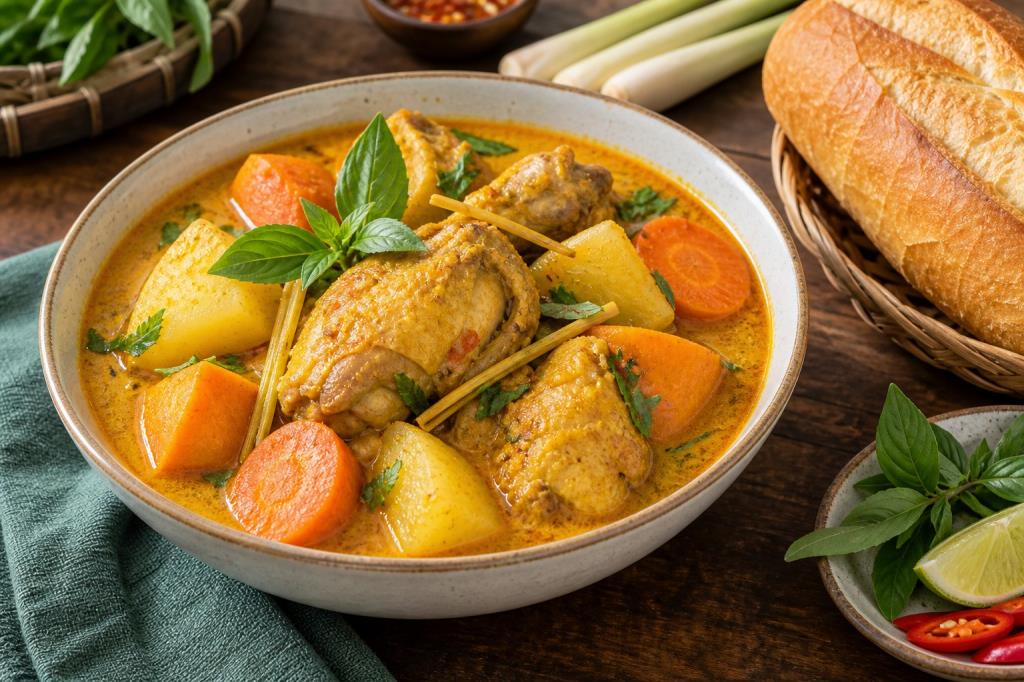 How to cook Vietnamese chicken curry: gently rich, tender meat and potatoes that hold together
 The coastal kitchen of central Vietnam: grilled fish, fermented sauce and getting through the storm season
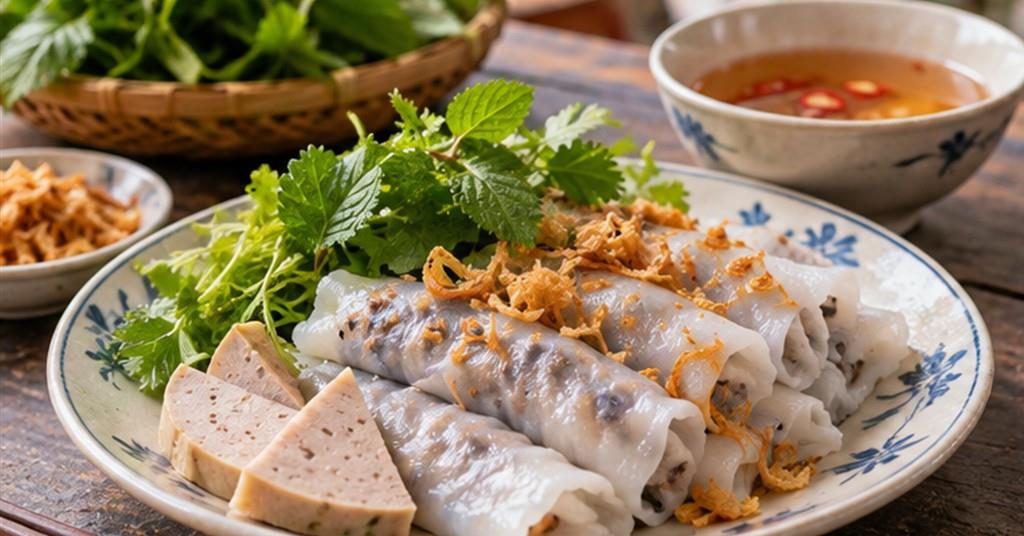 Bánh cuốn across the three regions: the same thin sheet, a different way of eating it
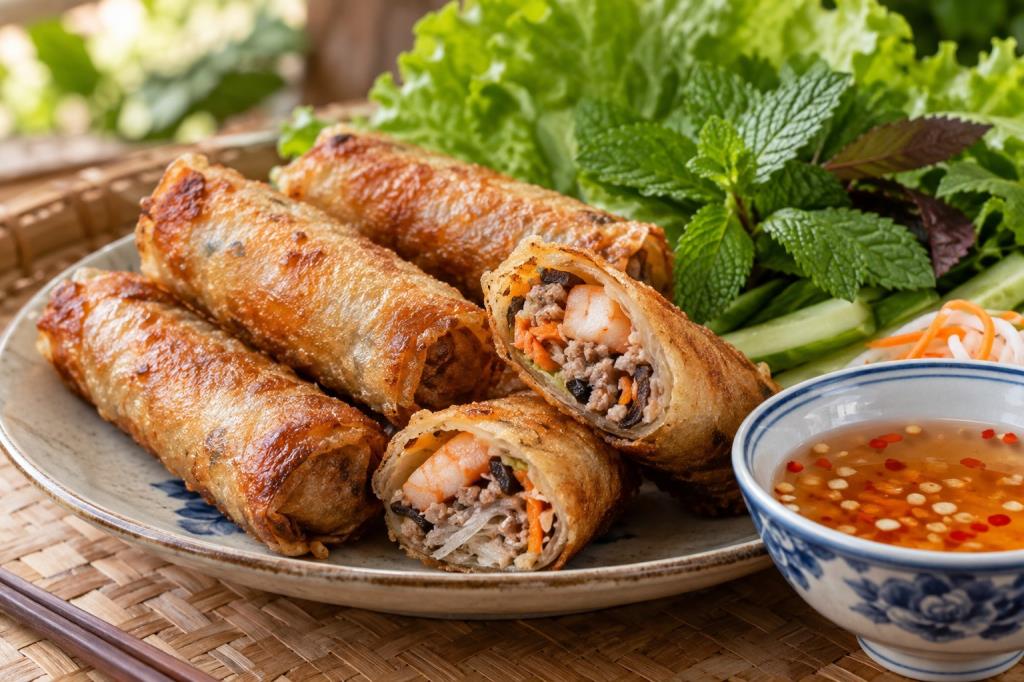 How to make cha gio that stays crisp, with an evenly cooked filling and no split wrappers
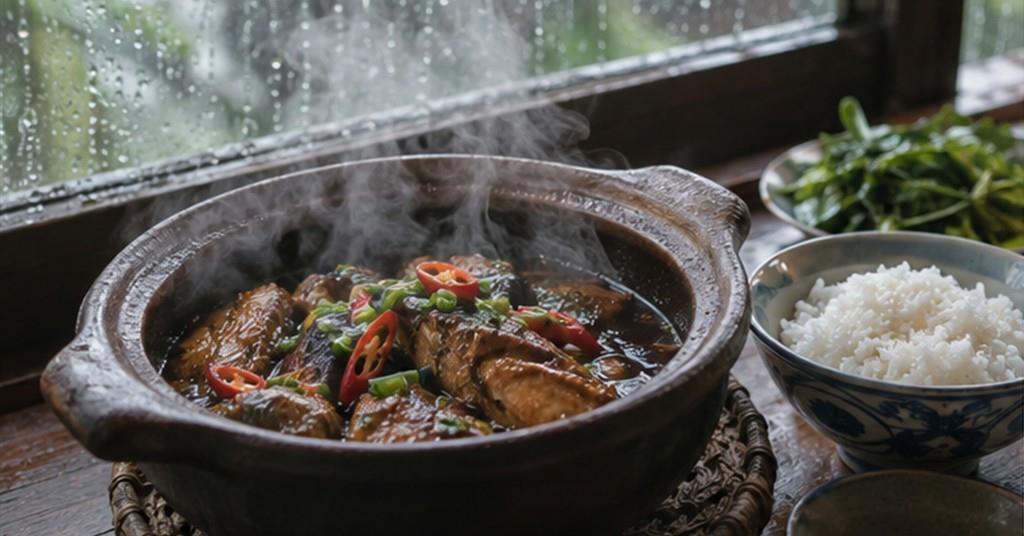 What is it about a Vietnamese rainy-season meal that people far from home never forget?
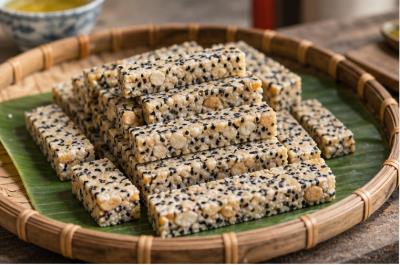 Banh cay from Thai Binh: from toasted sticky rice and malt syrup to a sweet beside the teacup
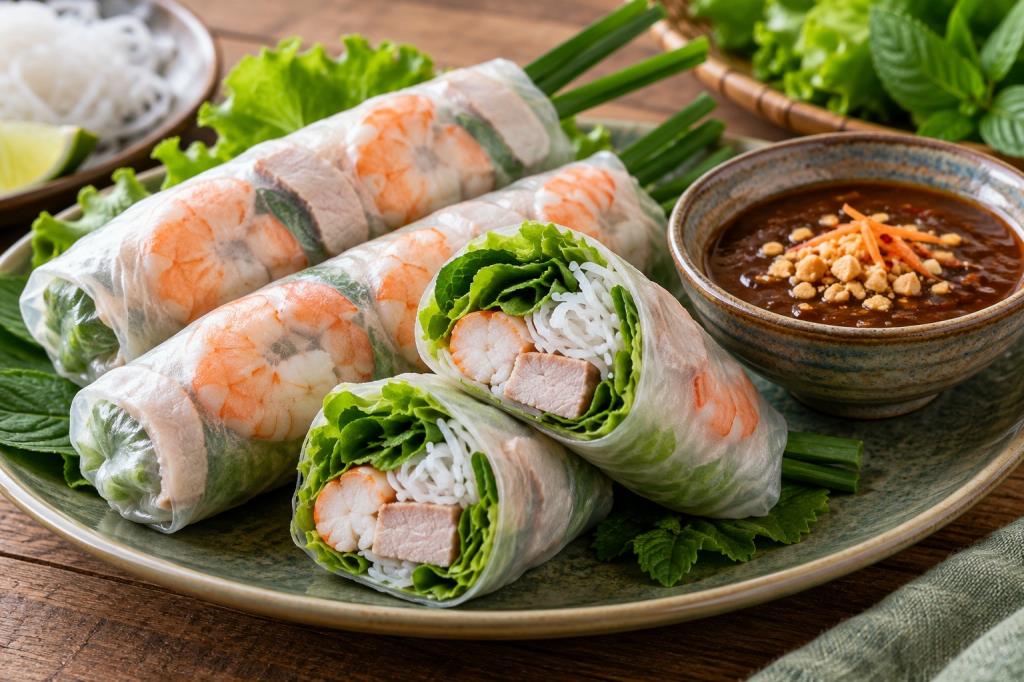 How to make fresh spring rolls with prawn and pork: neat, firm and without tearing
Đăng nhập để bình luận: / Sign in to comment: