



Bánh cuốn across the three regions: the same thin sheet, a different way of eating it
Rice batter, steam and a skilled pair of hands make the thin sheet, but the filling, the accompaniments and the dipping sauce give banh cuon a different voice in every locality.
The sheet is the part you notice least and the part that decides most
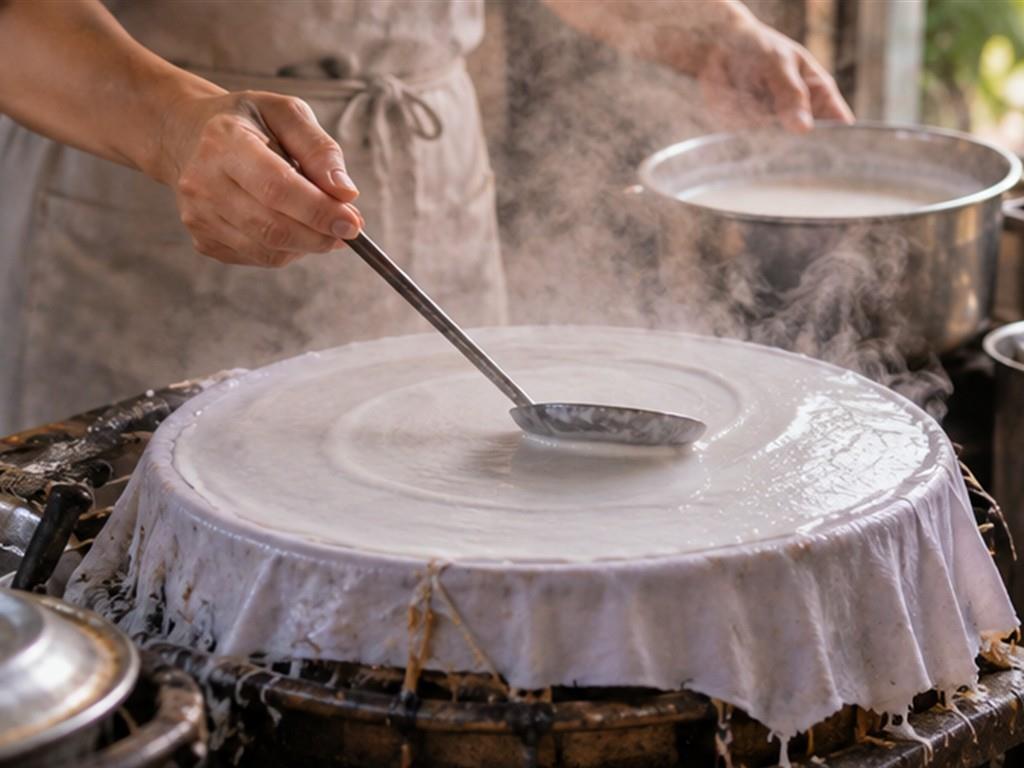
The rice is soaked, ground and thinned to the right consistency before being spread over a stretched cloth. Too thick and the sheet is heavy; too thin and it tears. The heat and the steaming time have to be just right for it to come out translucent and soft while still having some chew.
Look at whether the sheets are being steamed to order or have been sitting. Hot ones are usually more fragrant and separate better. A difference in softness is not necessarily a fault, though, since batter ratios and local habits were never the same everywhere.
The filling and the side dishes tell the regional story
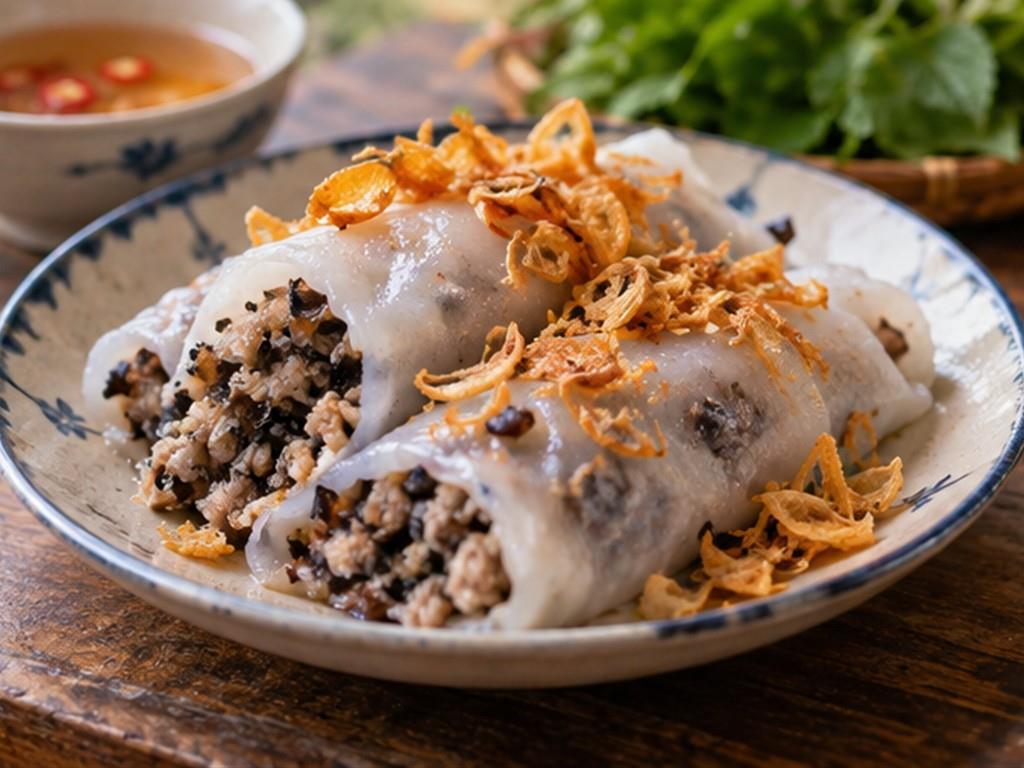
Some places use minced pork with wood-ear mushroom; others leave the sheet almost bare and serve it with pork roll, grilled meat or fried shallot. Some versions foreground the scent of the rice and the herbs, while others provide the sense of a full meal through the protein alongside.
The same name does not guarantee the same structure. When ordering, ask what is in the filling and whether the portion already includes pork roll, so you do not order too much. Anyone who does not eat meat can ask for the plain unfilled version, but still needs to check the dipping sauce.
The dipping sauce is not only about salt
The bowl balances fish sauce, water, sourness and sweetness, and sometimes carries belostomatid essence or broth. Whether it is mixed light or strong depends on how many sheets and how many sides there are. Dip each piece rather than pouring the whole bowl over the plate.
Herbs, fried shallot and chilli add another layer of aroma but should not cover the smell of the rice. Trying the first piece the way the shop serves it, and only then adjusting, lets you understand what the maker intended.
How to eat so as to understand a dish better
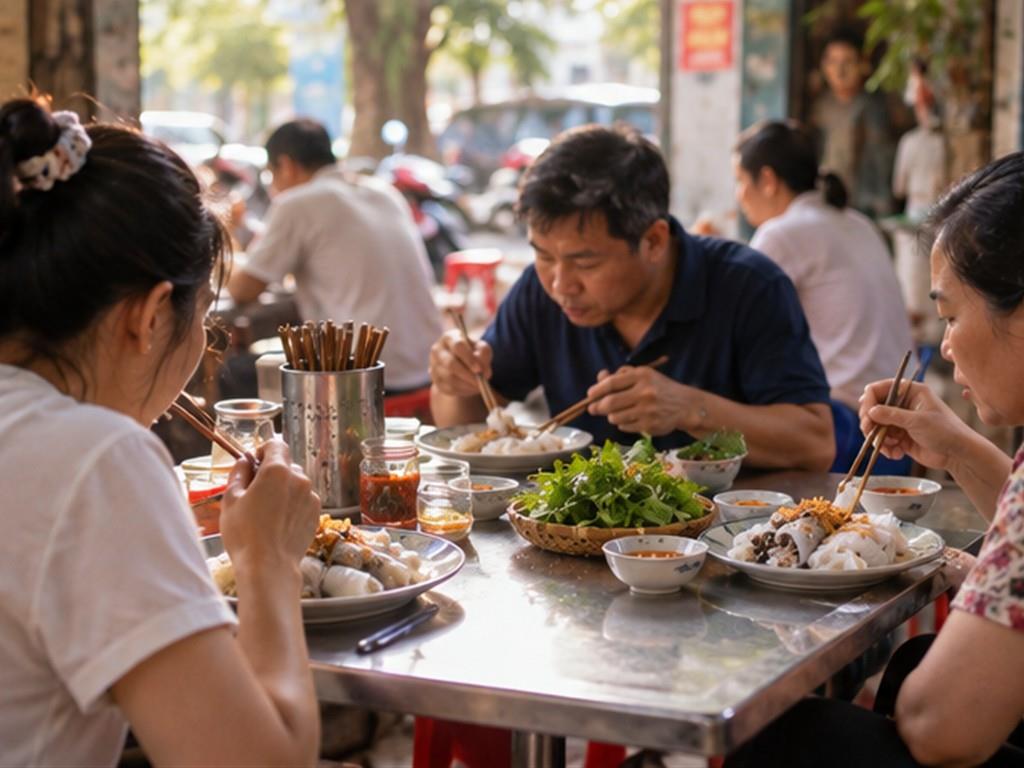
A local dish should be eaten in its proper structure: the main item together with the greens, the dipping sauce, the pickles or the rice, rather than pulling each element apart to judge it. Every household and every shop seasons differently, so one visit does not represent a whole region. A writer should describe the salt, the sweetness, the sourness, the heat, the aroma and the texture rather than simply saying whether it was good.
When choosing a place to eat, look at how the ingredients are kept, how clean the utensils are, the rhythm of service and whether hot dishes are made to order. Anyone with an allergy needs to ask exactly what is in things, the broth and the dipping sauce included. Prices change with the season, the location and the portion; asking beforehand is being prepared, not being rude.
Eat just enough, and respect the people who cook
Ordering in rounds keeps the food hot, cuts waste and gives you the chance to adjust. If you want to photograph a kitchen or a seller, ask permission and avoid blocking the way at busy times. Do not ask someone at work to repeat a movement just for a good picture while they are serving customers.
Food is sustained by the people who grow it, fish for it, transport it, sell it at market and stand at the stove. Favouring what is in season, cutting down on single-use items and giving specific feedback are small ways of keeping a visitor's experience from becoming a burden on the place they visit.
A practical way to begin
Pick two shops in two different styles, order small portions and note four things: how thin the sheet is, what the filling is, what comes with it and how the dipping sauce is built. Compare by describing, not by looking for one absolute winner.
Treat a plan as a frame of reference, check the details close to the date, and adjust it to your health, your budget and your actual circumstances. A good experience does not have to be perfect from the start; it needs to be clear enough to carry out and flexible enough not to become a pressure.
Banh cuon shows how one shared technique can travel through many places and turn into many different breakfast memories.


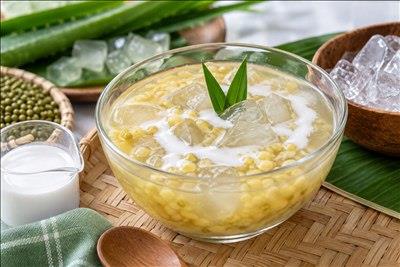 How to cook mung bean and aloe sweet soup: refreshing, with crisp aloe and no bitterness
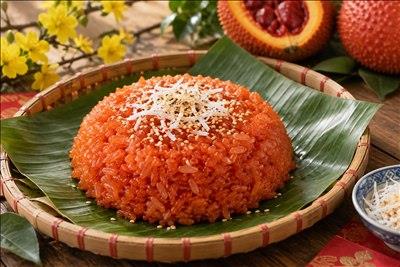 How to cook xoi gac: a beautiful red, chewy separate grains and never claggy
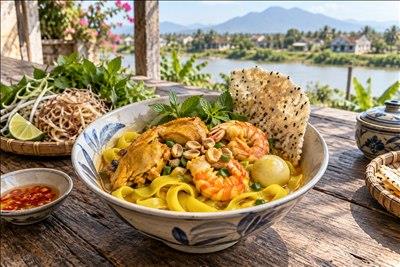 Mi Quang and the kitchens of Quang Nam: a bowl with little broth and a great deal of memory
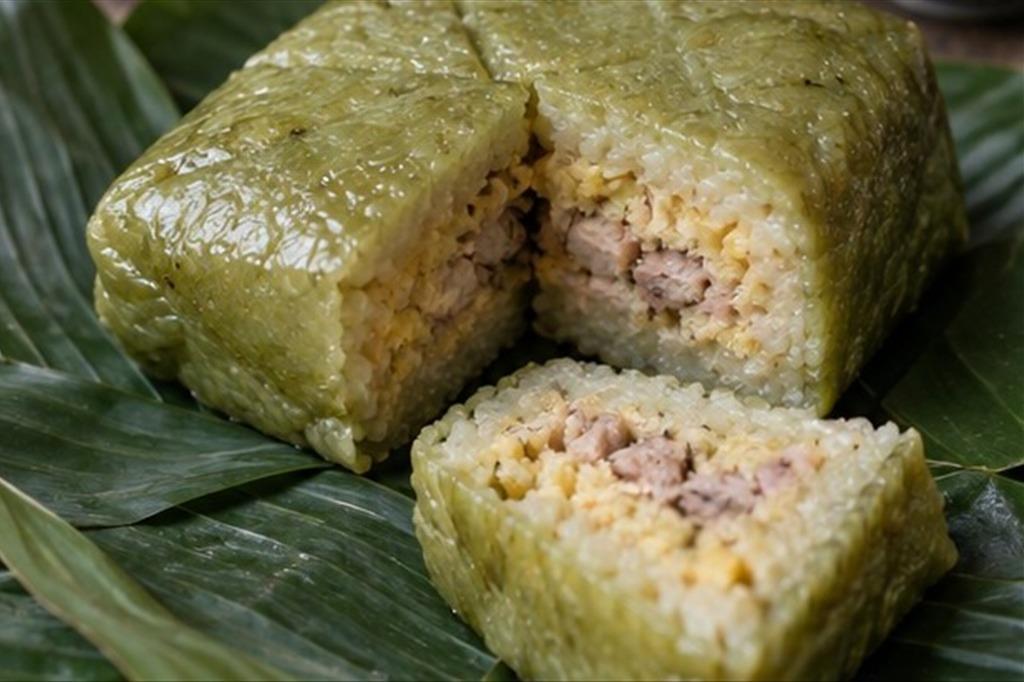 Bo Dau banh chung: the green square cake at the crossroads into Thai Nguyen
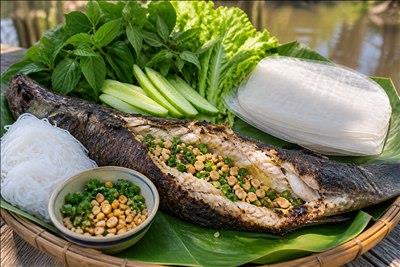 How to cook ca loc nuong trui: evenly done, juicy flesh and no taste of ash
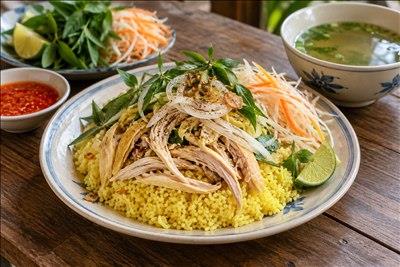 How to make Hoi An chicken rice: fluffy grains, juicy chicken and a crisp onion salad
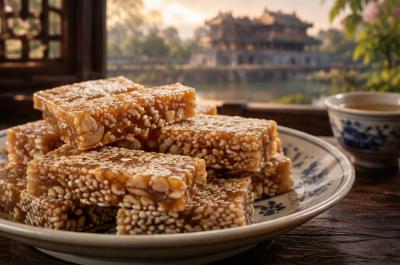 Me xung from Hue: chewy malt, toasted sesame and the slow rhythm of tea
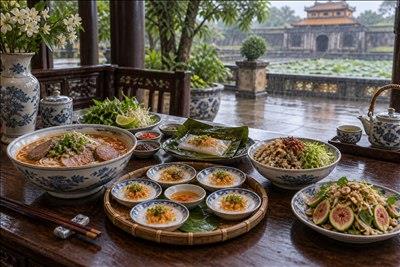 The food of Hue: where the royal kitchen, everyday dishes and small street stalls meet
Đăng nhập để bình luận: / Sign in to comment: