



Understanding the Hippie Lifestyle
The hippie movement, sometimes spelled hippy or known by a less common name as flower children, is a movement advocating a lifestyle shift from traditional to unconventional across many aspects. This movement originated in the United States in the 1960s and spread throughout the world.
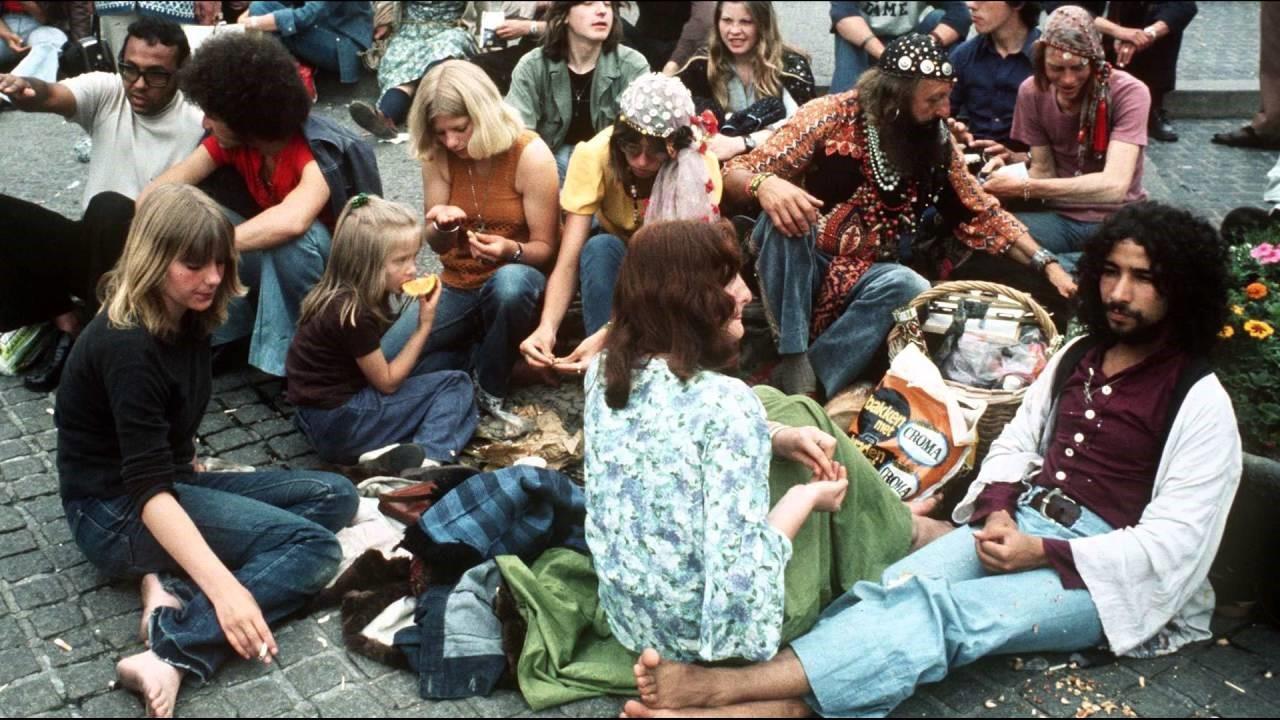
People following the hippie movement often belonged to the baby-boomer generation (those born roughly between 1946 and 1960) or the subsequent generation, Gen X (born roughly between 1961 and 1980). Precisely because it harbored many unconventional ideas that went against social norms, while being admired and embraced by many around the world, this movement also faced a great deal of societal prejudice. So, who exactly were the people following the hippie movement?

What is Hippie?
The term Hippie is used to refer to people (mostly youth) who were rebellious, went against social norms, and especially opposed the establishment. Their motto was demanding freedom, anti-war, loving peace, racial and gender equality, and being close to and integrating with nature. They dressed colorfully and untidily, grew long and messy hair, used music to show they were passionate fans of Rock, especially Acid Rock or Psychedelic Rock, smoked heavily alongside alcohol, and used stimulants like ecstasy and LSD (a very popular stimulant at the time) to seek euphoria. They supported same-sex relationships and promiscuous sex, but interestingly enough, Buddhism was revered by many hippies.
Why did Hippie and the youth rebellion movement emerge?
After World War II in 1945, soldiers returned home, and the world population boomed (baby booming)! Children born during this era inherited peace, and especially in America, living standards were significantly improved due to advancements in science and technology. The mass production of record players and sound recording technology... caused music to explode, especially the Rock genre.
By the 1960s, the baby boom generation children became students and teenagers who wanted to express themselves (according to statistics, during this period, the average age of the American population was only 29). Documents suggest that the origin of the hippie movement was from music. But Hippie flourished in the mid-to-late 1960s and gradually spread into the early 1970s.
It is also worth recalling that the 1960s was a decade of many changes and complex issues in American society, both domestically and internationally, such as: the assassination of Kennedy in 1963, domestic student uprisings demanding freedom and opposing the war, the Black civil rights movement, the death of Martin Luther King in 1968 (the great African American human rights leader), unemployment, rampant drug problems, escalating Vietnam War, the Cuban Missile Crisis in 1962, and the Cold War between the US and the Soviet Union putting humanity on the brink of World War III.
From the second half of the 1960s, these issues became even more painful, especially as President Lyndon Johnson escalated US troop deployment in South Vietnam (up to nearly 540,000 troops); therefore, movements demanding freedom at home and abroad and calling for an end to the war spread increasingly throughout American society, especially among students. Thus, it is understandable why Hippie developed so strongly in the mid-to-late 1960s.
Impact and influence within the hippie community
In the late 1960s, the hippie movement grew so strong that teenagers were seen everywhere wearing long hair, smoking, drinking, going shirtless, etc. Scholarly idols like Thomas Edison, Jefferson, Mark Twain... were gradually replaced by Rock stars, such as Elvis Presley, Jimi Hendrix, Janis Joplin, Bob Dylan... San Francisco became the Hippie capital. Grand music festivals organized in Monterey 1967 (California) and Woodstock 1969 (New York) attracted nearly half a million hippies pouring in from every state.
There, free music shows were organized, and drugs alongside alcohol were distributed. If you are a Rock music fan, you certainly know about the 27 Club, referring to legendary music stars who died at age 27. Kurt Cobain and Amy Winehouse were only a later generation, but before them, young legends such as Jimi Hendrix (1942–1970), Janis Joplin (1943–1970), Jim Morrison (1943–1971) all died from drug overdoses.
The 1960s became the decade of fast-paced living with the powerful growth of Hippie, and the motto taken from the hit My Generation by The Who became a trend among youth back then: Hope I die before I get old.
Impact outside the community
Student uprisings and demonstrations occurred across major cities, from Washington to Chicago to San Francisco, to protest the government and demand an end to the Vietnam War. With US military fatalities in Vietnam reaching tens of thousands, the anger of the youth having to witness the deaths of friends and relatives caused the movement to erupt even more fiercely.
During the music festival at Woodstock in 1969, before nearly 500,000 hippie spectators, Jimi Hendrix performed The Star-Spangled Banner, the US national anthem, on guitar by blending in sounds of aircraft engines and B-52 bombs dropped by the US military on North Vietnam.


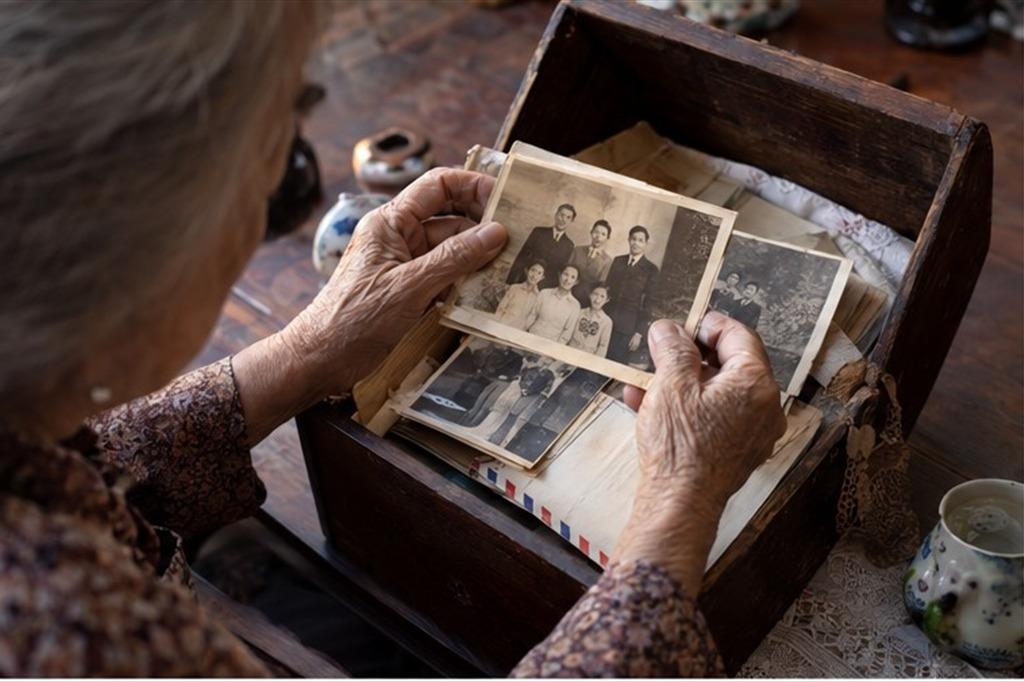 Letters, photographs and keepsakes: learning gratitude for earlier generations through family memory
 Easing neck and shoulder tension at a desk: adjusting your setup and changing position
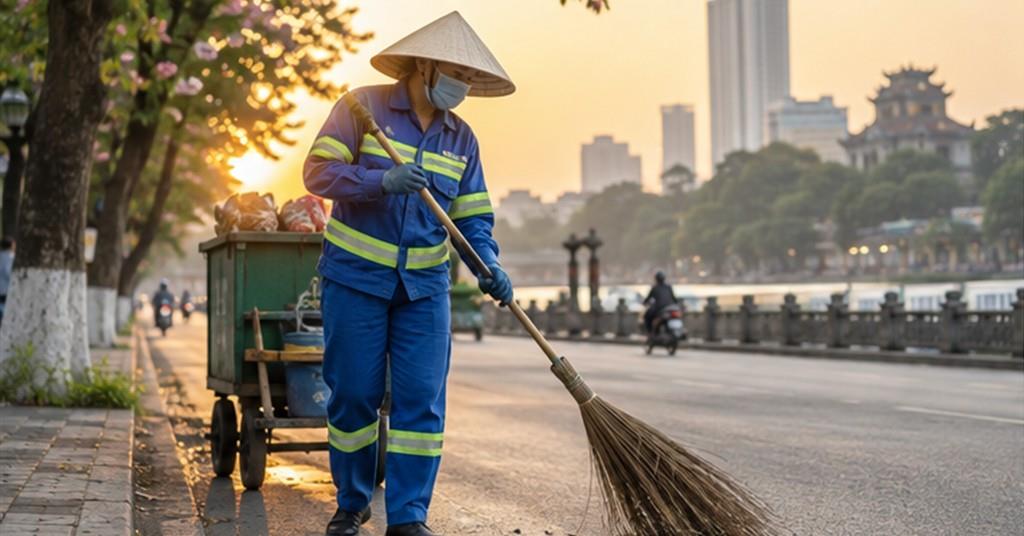 A city is clean and safe because of people who start their working day before we do
 One phone-free hour a day: a small gap for returning to real life
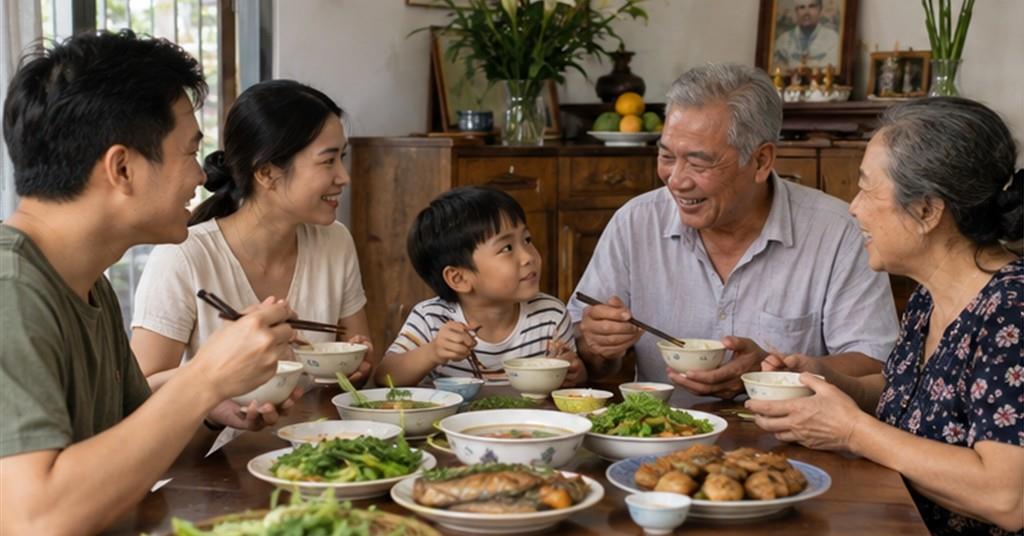 Small rituals that keep a family close inside a busy schedule
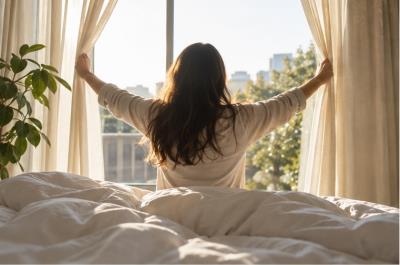 Morning light and your sleep rhythm: building a steadier wake-up schedule
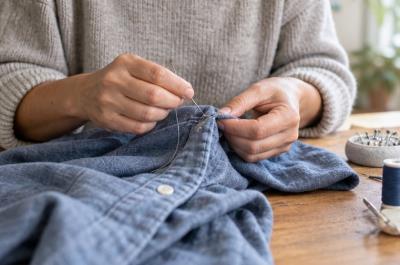 Repair instead of replacing in a hurry: a small habit for a sturdier home and less waste
 A happy family is not a family that never argues
Đăng nhập để bình luận: / Sign in to comment: