



The stories from grandparents that families should record while they still can
One day the old photograph will still be there, but no one will remember who is standing in it. Recording what grandparents have to say is not a grand project; it is a way of keeping names, voices and small details before the memories slip away.
Start with questions that are easy to answer
Do not open by asking for a whole life story. Ask what the house looked like in childhood, what was eaten at Tet, the road to school, or a close friend. Specific questions let memories open naturally and make it feel less like an interview.
Do not interrupt to correct dates on the spot. Memory can blur, but the feeling and the way of telling still have value. After the conversation, the family can check documents or ask others, while noting clearly which parts are recollection.
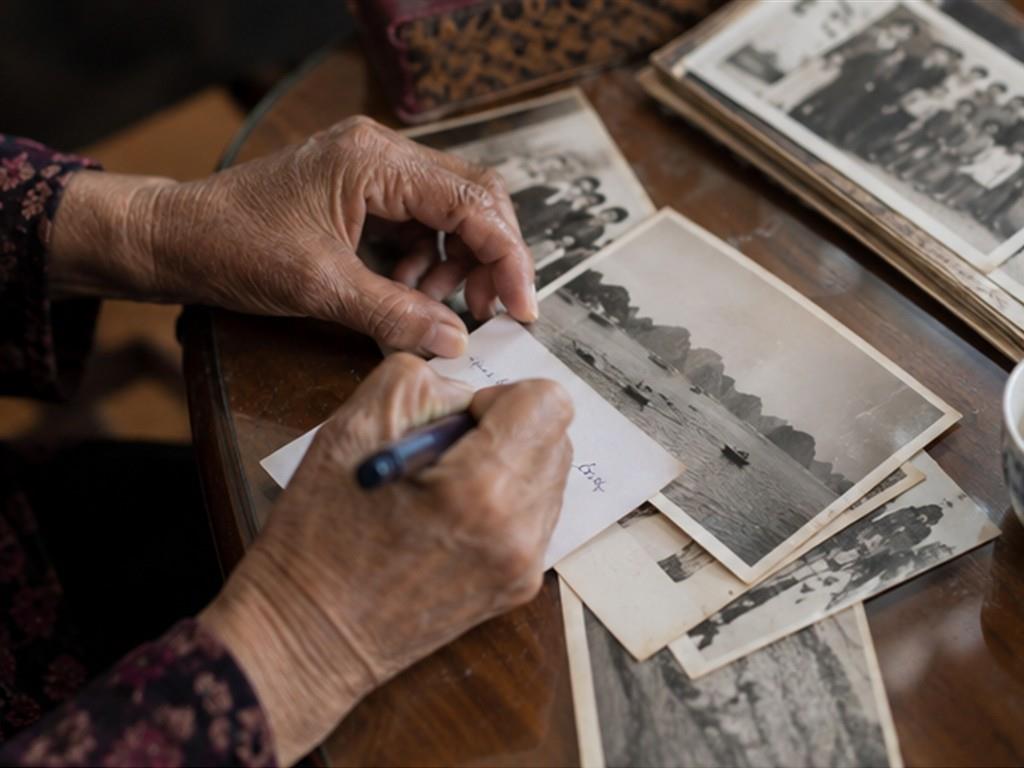
Recording and photographing with consent
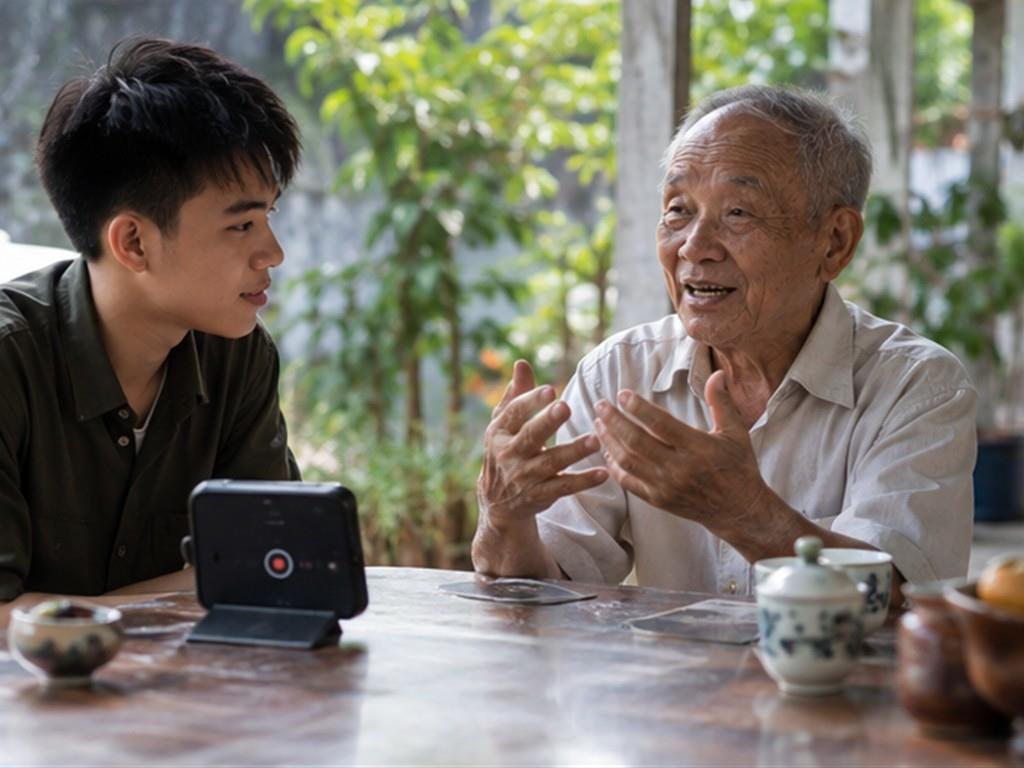
Put the phone where it can be seen, explain who the file is for and ask whether they agree. There are private stories people do not want kept; respecting that matters more than a complete record. Keep each session to a comfortable length.
For old photographs, capture both the front and the back, and note the names, the place, an estimated date and who supplied the information. Do not write directly on the original with a pen. Acid-free envelopes or digital copies can be used to organise them.
Turning the material into a gift people can actually use
Audio files hours long are easily forgotten. Name them by date and topic, back them up in at least two places, then pull out short extracts alongside photographs. A family notebook or a digital folder with an index will let later generations find things.
Share only within the limits agreed. Details about war, illness, conflict or people who have died can be sensitive. The person telling the story must be able to review it and ask for anything they do not want made public to be removed.
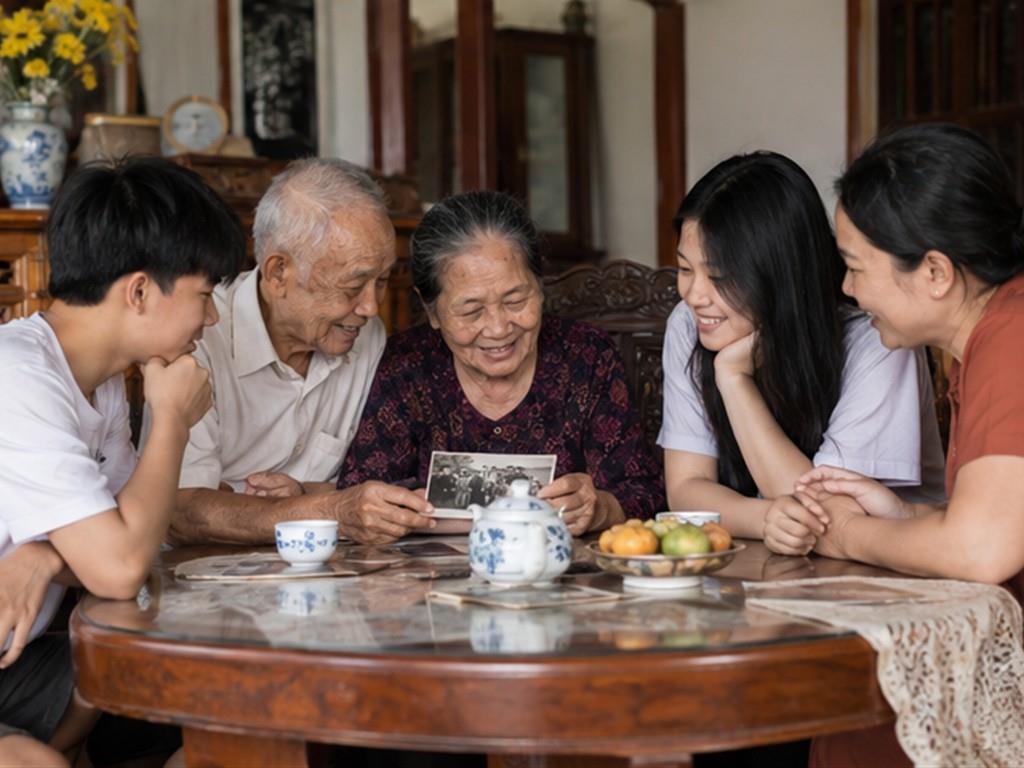
Turning what you understand into something you can do
Change in a family rarely comes from one big conversation. It usually starts with small things repeated: setting aside a stretch of time without looking at a phone, asking one more question before concluding, or apologising as soon as you realise you have hurt someone. A sustainable practice has to be light enough for everyone to keep up, not a new duty that adds pressure.
Every family has its own history, character and limits. The suggestions here should be taken as a starting point for conversation, not a formula that makes everyone alike. When someone is not ready to talk, respecting the silence is also a form of care. The aim is not to create a perfect family but to make the relationships safer and more honest.
Love needs boundaries alongside it
Caring is not the same as controlling. Adults have a right to privacy, children have feelings that need to be heard, and carers need time to recover too. Clear boundaries keep giving from turning into silent sacrifice that builds into resentment. You can state a need in a short sentence, focus on the behaviour, and avoid absolutes like “always” or “never”.
If conflict keeps repeating, or there is violence, threats or serious harm to mental health, everyday advice is not enough. At that point, turning to a trusted relative, a mental health professional or an appropriate support service is the responsible choice. Asking for help is not a sign of failure; it is a way of protecting both yourself and the relationship.
A manageable way to begin
Pick five old photographs and arrange a thirty-minute session with your grandparents. Prepare ten short questions, ask permission to record, and write down at once the names of everyone appearing in each picture.
What matters is choosing an approach that fits your actual circumstances, watching how it goes and adjusting. A good plan does not have to be perfect the first time; it needs to be clear enough to start and flexible enough to keep going.
A family's inheritance sometimes lies not in a valuable object but in a voice explaining why a particular meal, a particular road or a particular neighbour once mattered.



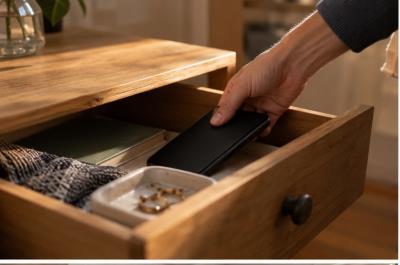 One phone-free hour a day: a small gap for returning to real life
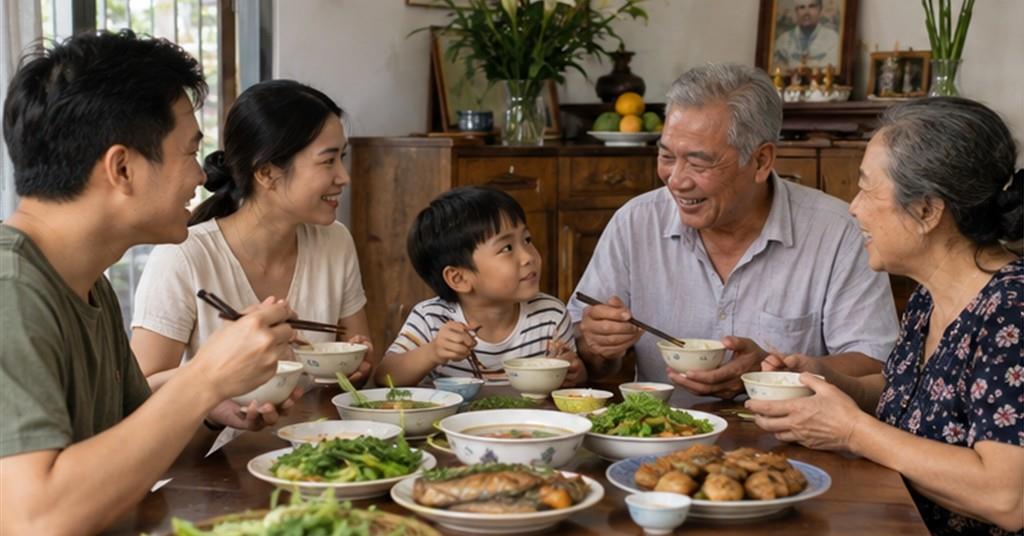 Small rituals that keep a family close inside a busy schedule
 Morning light and your sleep rhythm: building a steadier wake-up schedule
 Repair instead of replacing in a hurry: a small habit for a sturdier home and less waste
 A happy family is not a family that never argues
 Do not only ask your child what they scored — ask whether they were happy today
 Siblings scattered in different places: how do you keep the bond from fading?
 A gentle walk after a meal: how to start in a way that stays safe and comfortable
Đăng nhập để bình luận: / Sign in to comment: