



[Hanoi] Introduction to a Thousand-Year-Old Pagoda with Unique Wooden Architecture
Van Nien is a pagoda located on the western shore of West Lake, Hanoi. The pagoda was formerly named Van Tue, situated in Quan La hamlet, now Ve Ho village, Xuan La ward, Tay Ho district.
Pagoda address: 364 Lac Long Quan Street, Hanoi
Photo: Tran Thang
![[Hanoi] Introduction to a Thousand-Year-Old Pagoda with Unique Wooden Architecture](https://media2.ola88.com/images/27/12024/u25532024012818035947.jpg)
![[Hanoi] Introduction to a Thousand-Year-Old Pagoda with Unique Wooden Architecture](https://media2.ola88.com/images/27/12024/u25652024012818083860.jpg)
Van Nien Pagoda is one of the pagodas in Hanoi that boasts picturesque scenery alongside ancient architecture preserving many spiritual values. With a history spanning over a thousand years, Van Nien Pagoda not only preserves the traditional and ancient beauty of the Capital's landscape but also serves as a testament to the architectural and cultural elegance for future generations. The pagoda is also a place for cultural and religious activities for monks, nuns, and Buddhists from near and far.
![[Hanoi] Introduction to a Thousand-Year-Old Pagoda with Unique Wooden Architecture](https://media2.ola88.com/images/27/12024/u25782024012818044435.jpg)
![[Hanoi] Introduction to a Thousand-Year-Old Pagoda with Unique Wooden Architecture](https://media2.ola88.com/images/27/12024/u25452024012818062761.jpg)
Let's explore the history and architecture of the thousand-year-old Van Nien Pagoda to learn more about one of the ancient temples representing the capital.
Legend has it that the pagoda dates back to 1014 during the Thuan Thien reign of the Ly Dynasty, when Zen Master Huu Nhai Tang asked the King to establish an ordination platform at Van Nien Pagoda to gather monks for ordination. The King issued an edict to construct the pagoda, making it a sacred monastery for monks to receive precepts. This was also the residence of successive famous monks such as Monk Lam Tue Sinh and Monk Ly Thao Duong.
In ancient times, the pagoda belonged to the Thao Duong sect. Recent abbots include Most Venerable Thich Vien Thanh (1950 – 2002) and Venerable Thich Minh Tue. The pagoda belongs to the Huong Tich lineage and is one of the pagodas following Esoteric Buddhism.
Van Nien Pagoda in Hanoi was recognized as a National Architectural and Artistic Relic by the Ministry of Culture, Information and Tourism in 1996.
This ancient temple is also a stop for many tourists who come to sightsee and worship at the palace-shrine-pagoda complex around West Lake in the thousand-year-old Capital. The inscription on the bronze bell Van Nien Tu Chung cast during the Gia Long reign states: Van Nien Pagoda is an ancient relic of grand scale, a major historical landmark in the west of Thang Long Capital.
Architecture of the Esoteric Buddhist Van Nien Pagoda
Up to now, Van Nien Pagoda has undergone a history of more than 1,000 years with multiple restorations and renovations. Nevertheless, the pagoda still retains its ancient beauty and unique architectural culture amidst the modern and developing capital. The largest restoration of the pagoda took place around the 19th century during the Nguyen Dynasty. Therefore, to this day, the pagoda still maintains the characteristic style of Nguyen Dynasty pagodas with main structures such as: Three-entrance Gate (Tam Quan Gate), main pagoda area (Mother Goddess shrine), Monks' quarters, and auxiliary buildings.
![[Hanoi] Introduction to a Thousand-Year-Old Pagoda with Unique Wooden Architecture](https://media2.ola88.com/images/27/12024/u25462024012818104357.jpg)
![[Hanoi] Introduction to a Thousand-Year-Old Pagoda with Unique Wooden Architecture](https://media2.ola88.com/images/27/12024/u25472024012818104986.jpg)
The pagoda's Tam Quan Gate consists of 2 gates: a main gate on the West Lake shore and a side gate on Lac Long Quan Street. The newly built side gate is made entirely of wood, creating a sense of solemnity and majesty. The original main gate was built of brick and lime, with three relief seal characters Van Nien Tu on top of the roof, adorned with patches of moss testifying to the pagoda's thousand-year age. Today, the main gate has been renovated with wood to harmonize with the architecture of the side gate.
![[Hanoi] Introduction to a Thousand-Year-Old Pagoda with Unique Wooden Architecture](https://media2.ola88.com/images/27/12024/u25612024012818172065.jpg)
![[Hanoi] Introduction to a Thousand-Year-Old Pagoda with Unique Wooden Architecture](https://media2.ola88.com/images/27/12024/update-12024012818110999.jpg)
![[Hanoi] Introduction to a Thousand-Year-Old Pagoda with Unique Wooden Architecture](https://media2.ola88.com/images/27/12024/u25872024012818181559.jpg)
Passing through the Tam Quan Gate, visitors will admire the fairly spacious pagoda courtyard, constructed and arranged in an extremely solemn, clean, and cool manner. Particularly prominent in the courtyard is the statue of Shakyamuni Buddha initiated for construction by Abbot Thich Minh Tue.
![[Hanoi] Introduction to a Thousand-Year-Old Pagoda with Unique Wooden Architecture](https://media2.ola88.com/images/27/12024/u25772024012818120125.jpg)
The statue is nearly 1.5m tall and weighs almost 600 kg, crafted from a single solid piece of precious stone without any joins. This statue was inaugurated right on Vu Lan Festival (the 15th day of the 7th lunar month), after 2 years of completion in the presence of numerous Buddhists and visitors. Next to the statue is a crystal-clear fish pond with various precious species of fish, creating a serene atmosphere of the Buddhist realm. Looking across, the shrine halls of the pagoda are all built facing East to catch the light.
Van Nien Pagoda is dedicated to Mother Goddess Lieu Hanh in the main pagoda area. The main building consists of 5 bays with architecture ranging from doors, floors, cabinets to altars mostly made from new wood. As a result, there is always a subtle, pleasant aroma of wood and incense filling the air, creating a soothing feeling.
![[Hanoi] Introduction to a Thousand-Year-Old Pagoda with Unique Wooden Architecture](https://media2.ola88.com/images/27/12024/u25682024012818170046.jpg)
Currently, the pagoda still preserves a collection of artifacts including 46 statues dating from the Ly Dynasty, 10 royal decrees of deity canonization from the Le and Tay Son Dynasties. Along with these are 2 bells cast entirely in bronze during the Nguyen Dynasty.
 Xem chỉ đường tới 364 Đường Lạc Long Quân, Nhật Tân, Tây Hồ, Hà Nội, Vietnam



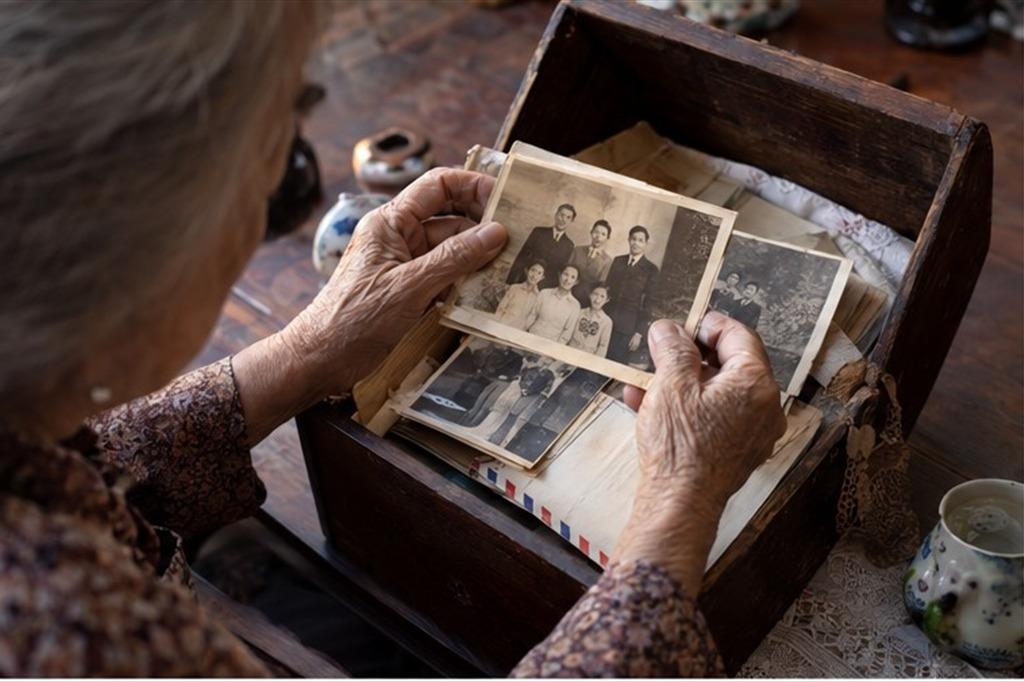 Letters, photographs and keepsakes: learning gratitude for earlier generations through family memory
 Easing neck and shoulder tension at a desk: adjusting your setup and changing position
 A city is clean and safe because of people who start their working day before we do
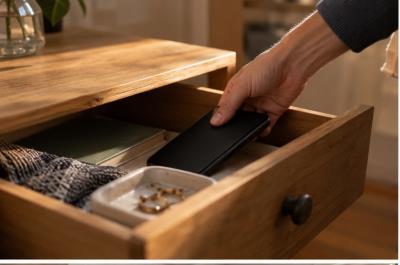 One phone-free hour a day: a small gap for returning to real life
 Small rituals that keep a family close inside a busy schedule
 Morning light and your sleep rhythm: building a steadier wake-up schedule
 Repair instead of replacing in a hurry: a small habit for a sturdier home and less waste
 A happy family is not a family that never argues
Đăng nhập để bình luận: / Sign in to comment: