



Good Foods and Sample Menu Ideas for People with Diabetes
For people with type 2 diabetes, a healthy diet does not mean severe deprivation, but rather choosing the right foods and arranging balanced meals to keep blood sugar stable. Prioritizing foods with a low glycemic index (GI), rich in fiber, and balanced in carbohydrates, protein, and healthy fats is generally recommended to prevent post-meal blood sugar spikes. The article below suggests food groups that should be included in your daily meals along with a sample menu to help you easily visualize.
Good foods for people with diabetes
The food groups below are often recommended because they are high in fiber, less likely to cause sudden blood sugar spikes, and help you feel full longer:
- Green leafy vegetables and non-starchy vegetables (spinach, broccoli, water spinach, cucumber, tomatoes): very low in calories, rich in fiber, and barely raise blood sugar.
- Whole grains (brown rice, oats, whole wheat bread): digested more slowly than refined carbs, causing blood sugar to rise gradually and stay more stable.
- Legumes and beans (lentils, black beans, chickpeas): provide plant protein along with fiber, helping to manage blood sugar and maintain satiety.
- Fatty fish (salmon, mackerel, herring): rich in omega-3s, supporting cardiovascular health which is often a key concern associated with diabetes.
- Lean meat and eggs: quality protein sources that contain almost no carbohydrates, having minimal impact on blood sugar.
- Nuts and seeds (walnuts, almonds, chia seeds): contain healthy fats and fiber, serving as great snacks that help slow sugar absorption.
- Low-sugar fruits (grapefruit, apples, guava, blueberries): best eaten whole rather than juiced to retain fiber and prevent rapid blood sugar spikes.
- Unsweetened yogurt: provides protein and probiotics, making it a great snack option to replace sweets.
Sample one-day menu
This is only an illustrative sample menu; specific portion sizes should be adjusted based on weight, activity level, and guidance from a doctor or nutritionist.
Breakfast: a bowl of oatmeal cooked with unsweetened milk, topped with a few apple slices and a few almonds; or a boiled egg with whole wheat bread and vegetables. Unsweetened tea or coffee can be included.
Lunch: a moderate bowl of brown rice, pan-seared salmon (or lean meat), a plate of boiled/stir-fried vegetables, and a bowl of vegetable soup. Prioritize vegetables over rice and eat vegetables first.
Dinner: chicken breast or tofu, mixed green salad with olive oil dressing, accompanied by a small portion of sweet potato or brown rice. It is best to eat dinner early and avoid overeating before bed.
Snacks: a tub of unsweetened yogurt, a small handful of nuts, or a few slices of guava/grapefruit. Snacks help prevent getting overly hungry and overeating during main meals.
Cooking tips & eating habits
Cooking methods significantly affect the rate of sugar absorption. Here are a few easy-to-apply principles:
- Prioritize boiling, steaming, grilling, pan-searing instead of deep-frying to reduce saturated fat.
- Eat in the order of vegetables – protein – carbs: eating vegetables and protein first helps slow carb absorption and limit rapid blood sugar spikes.
- Do not overcook rice/porridge: the softer and mushier carbs become, the easier they cause blood sugar to rise.
- Control carbohydrate portions by using smaller bowls/plates and distributing carbohydrates evenly across meals throughout the day.
- Drink enough water, limit soft drinks and juices: choose plain water or unsweetened tea instead of sugary beverages.
- Combine light physical activity after meals such as walking for 10–15 minutes, which often helps improve post-meal blood sugar levels.
Common mistakes to avoid
- Skipping meals to lower blood sugar: can easily trigger hypoglycemia and lead to overeating at the next meal.
- Believing that “diabetic-friendly sweets” can be eaten without limit: these products still contain calories and carbohydrates, so eat them in moderation.
- Drinking lots of fruit juice thinking it is healthy: juice lacks fiber and causes blood sugar to rise faster than eating whole fruits.
- Completely avoiding carbohydrates: your body still needs a reasonable amount of carbohydrates; the key is choosing good sources and controlling portions.
- Eating too many sweet fruits like ripe mangoes, durians, or longans at one time can also spike blood sugar.
- Abusing alcohol: can cause unpredictable blood sugar fluctuations and interfere with prescribed medications.
Frequently asked questions
Can people with diabetes eat rice?
Yes. You can still eat rice, but you should choose brown rice or mix in brown rice, control your portion sizes, and accompany it with plenty of vegetables and protein to slow down sugar absorption.
Does eating fruit raise blood sugar?
Fruit still contains natural sugars, but if you choose low-sugar varieties, eat whole pieces in moderation, and avoid juicing, it generally causes fewer sudden blood sugar spikes.
Should you skip dinner to lower blood sugar?
You should not skip meals on your own. Skipping meals can cause dangerous hypoglycemia, especially if you are taking medication. Speak with your doctor to establish an appropriate meal schedule.
Health note: this article is for reference purposes only and does NOT replace medical advice. People with diabetes should consult their treating physician or a nutritionist for a diet tailored to their specific condition, medications, and underlying health issues.
See more: articles in Health & Beauty · ola88 Utilities


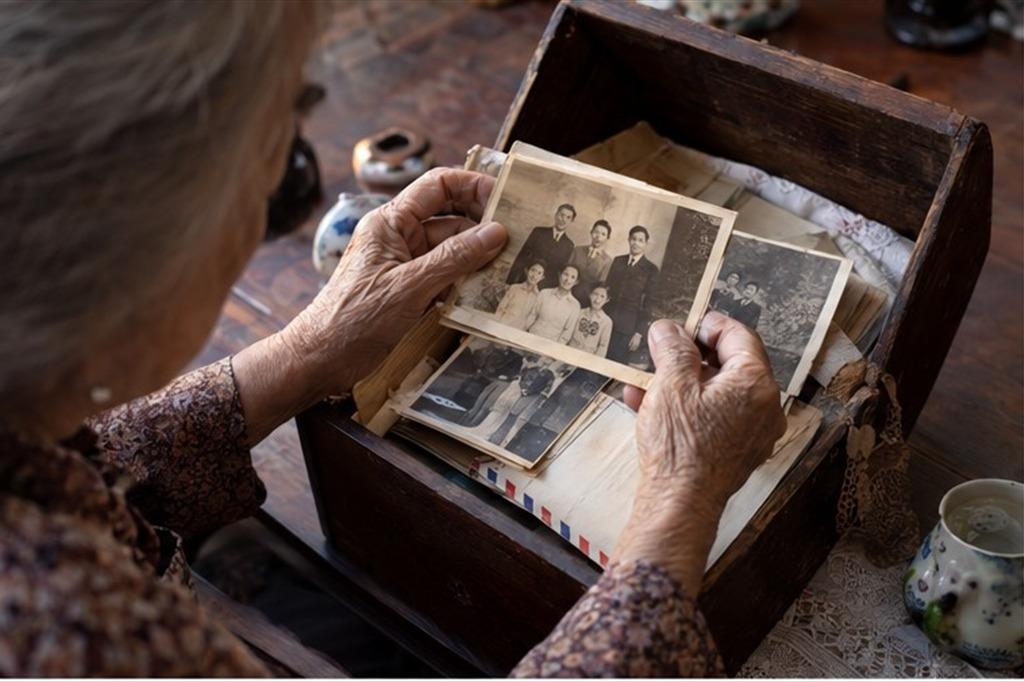 Letters, photographs and keepsakes: learning gratitude for earlier generations through family memory
 Easing neck and shoulder tension at a desk: adjusting your setup and changing position
 A city is clean and safe because of people who start their working day before we do
 One phone-free hour a day: a small gap for returning to real life
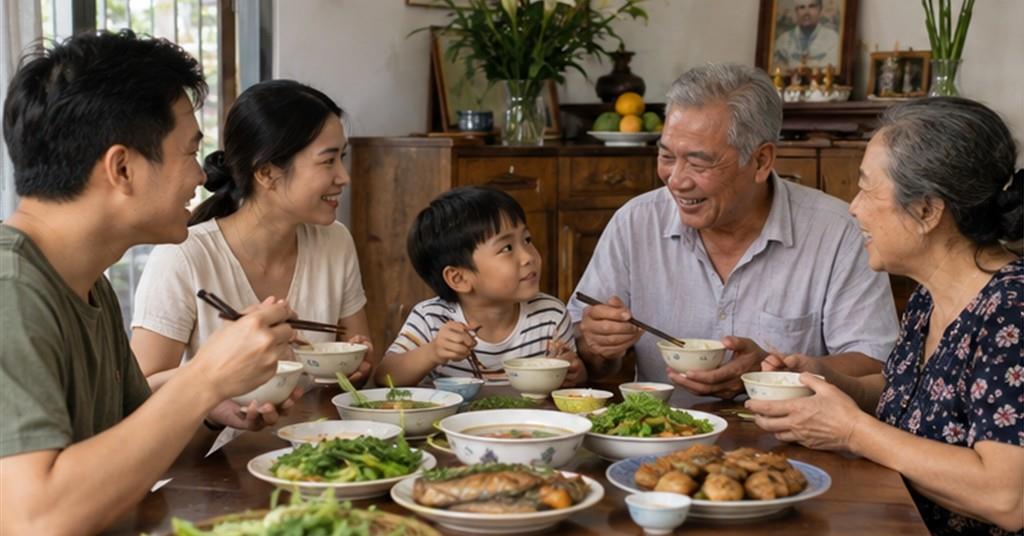 Small rituals that keep a family close inside a busy schedule
 Morning light and your sleep rhythm: building a steadier wake-up schedule
 Repair instead of replacing in a hurry: a small habit for a sturdier home and less waste
 A happy family is not a family that never argues
Đăng nhập để bình luận: / Sign in to comment: