



How to cook bo kho: tender beef, a clear glossy sauce and deep flavour
A good bo kho has beef that is tender without falling apart, sinew that has turned just translucent, carrots that keep their shape, and an orange-red broth fragrant with lemongrass, star anise and cinnamon but nothing like a curry. The recipe below serves six, with bread, rice noodles or rice. Every step is set out clearly so that a first-time cook can control how tender the meat gets, how thick the sauce is and how strong the spices come through.
Quick facts
- Serves: 6 people.
- Preparation: 40 minutes.
- Marinating: 60 minutes in the fridge.
- Cooking: 2-2.5 hours in an ordinary pot.
- Yield: about 3 litres of stew.
Ingredients
Meat and vegetables
- 1.5 kg of beef brisket, shank or chuck with sinew running through it.
- 500 g of carrots, cut into 3-4 cm lengths.
- 2 onions; 5 stalks of lemongrass.
- 5 shallots, 5 cloves of garlic, 40 g of ginger.
- 3 litres of hot water or light beef stock.
Seasonings
- 45 ml of fish sauce; 20 ml of cooking oil.
- 30 g of sugar; 12-15 g of salt.
- 30 g of tomato paste, or 150 g of ripe tomato, chopped.
- 2 star anise, one 6 cm cinnamon stick, 1 teaspoon of toasted coriander seed.
- 1 teaspoon of annatto powder, or 1 spoonful of annatto oil.
- Pepper and chilli; Thai basil, sawtooth coriander and lime to serve.
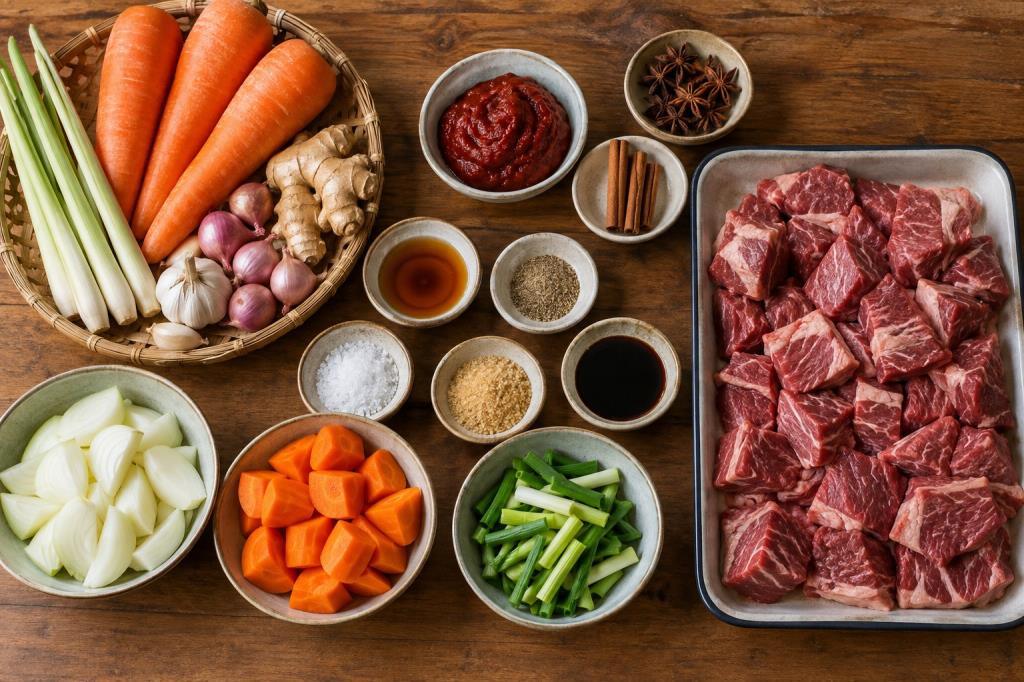
Choosing a cut that turns tender without drying out
Brisket, chuck and shank have both muscle and connective tissue, which suits slow cooking. A very lean cut such as fillet softens quickly but dries out before the broth has any depth. Choose meat that is a natural red with creamy white fat, a surface that is not slimy and no sour smell. If you like sinew, replace only about a third of the weight with it, so the liquid does not set too firmly when it cools.
Cut the beef into 4-5 cm cubes, as it shrinks while it cooks. Small pieces cook faster but fall apart and are hard to pick up; very large pieces take up the seasoning slowly. Pat the meat dry rather than leaving it soaking in water. Frozen meat should be thawed in the fridge in a sealed container, never left on the worktop for hours.
Preparing the lemongrass and spices properly
Bruise three stalks of lemongrass, cut them into lengths and tie them in a bundle so they are easy to lift out; chop the tender part of the other two for the marinade. Slice the ginger and chop the shallot and garlic. Toast the star anise, cinnamon and coriander seed over a low heat for 1-2 minutes until fragrant, then tie them into a cloth bag. Do not toast them until they blacken, and do not grind them too fine, as suspended powder clouds the liquid and turns the aroma harsh.
Tomato paste helps the colour and the base flavour, but should not be overdone. Vietnamese bo kho needs the smell of the beef, the lemongrass and the warm spices; the tomato is only a support. Annatto oil gives an orange-red colour, not heat. If you are using annatto seed, heat it in the oil over a low flame and strain the seeds out as soon as the colour comes, to avoid bitterness.
Marinating the beef in the fridge
Mix the meat with the chopped lemongrass, the shallot and garlic, half the ginger, 30 ml of fish sauce, 15 g of sugar, the tomato paste, the annatto oil and half a teaspoon of pepper. Cover it and refrigerate for 60 minutes, mixing it again after 30 minutes so the seasoning coats everything. There is no need to marinate overnight: the salt draws water out, leaving the surface wet and hard to sear.
Before cooking, take the meat out for about 10 minutes while the pot heats up, but do not leave it at room temperature for long. Scrape most of the chopped lemongrass off the pieces you are about to sear, so the fragments do not burn. Keep the marinade to cook in the pot, and never use it raw as a dipping sauce.
Step 1: sear in batches to keep the flavour of the meat
Heat a heavy-based pot over a medium-high flame, add the oil and lay the meat out in a single layer with space between the pieces. Sear for 2-3 minutes a side until brown patches form, lift them out and do the next batch. Do not stir constantly. If you put all the meat in at once, the temperature drops and the liquid it releases boils the beef instead of building a roasted aroma.
After the last batch, lower the heat, add the remaining shallot, garlic and ginger and stir for 30 seconds. Pour in about 100 ml of hot water and scrape up the good brown layer on the bottom with a wooden spoon. If there are black patches and a burnt smell, do not scrape that into the dish; move the meat to a clean pot to avoid bitterness.
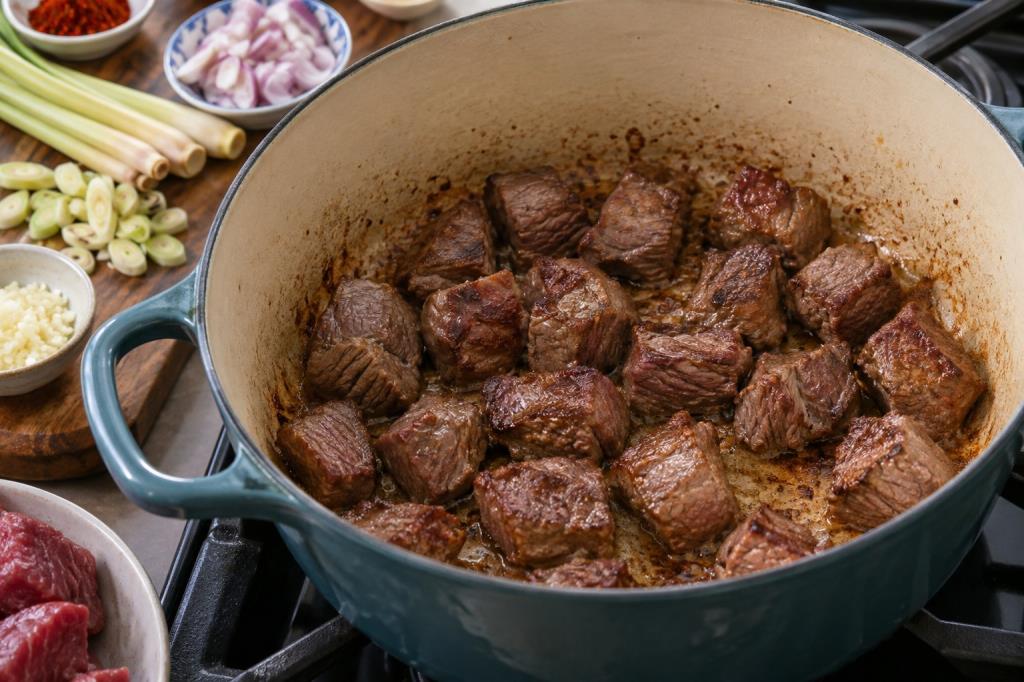
Step 2: stew at the barest simmer
Return all the meat to the pot, add the bundle of lemongrass, the bag of spices and about 2.5 litres of hot water, enough to cover the meat by 2-3 cm. Bring it to the boil, skim during the first 10 minutes, then lower the heat until the surface only trembles. Leave the lid ajar and stew for 90 minutes. A rolling boil makes the fibres contract hard, clouds the liquid and reduces it too fast.
After 90 minutes, check the thickest piece. When a chopstick goes through but the meat still has some resistance, take out the spice bag; left too long it turns woody and bitter. The lemongrass bundle can stay another 20-30 minutes if the aroma is still faint. Top up with boiling water when you need to, never cold water, which drops the temperature suddenly.
Step 3: add the carrot at the right moment
Cut the carrots into large pieces; you can bevel the edges, but do not cut them small. Add the carrot and the onion wedges when the meat is about 70% tender, and cook for another 25-35 minutes. The carrot is ready when a skewer goes in but it still holds its edges. Added at the start, it collapses, making the liquid cloyingly sweet and cloudy.
Season with the salt, 15 ml of fish sauce and the rest of the sugar in the last 10 minutes. Taste a spoonful that has cooled for a few seconds. If you are serving it with bread, the sauce can be stronger and thicker; with rice noodles, keep it lighter and more plentiful. Do not season it strongly too early, because the liquid carries on evaporating.
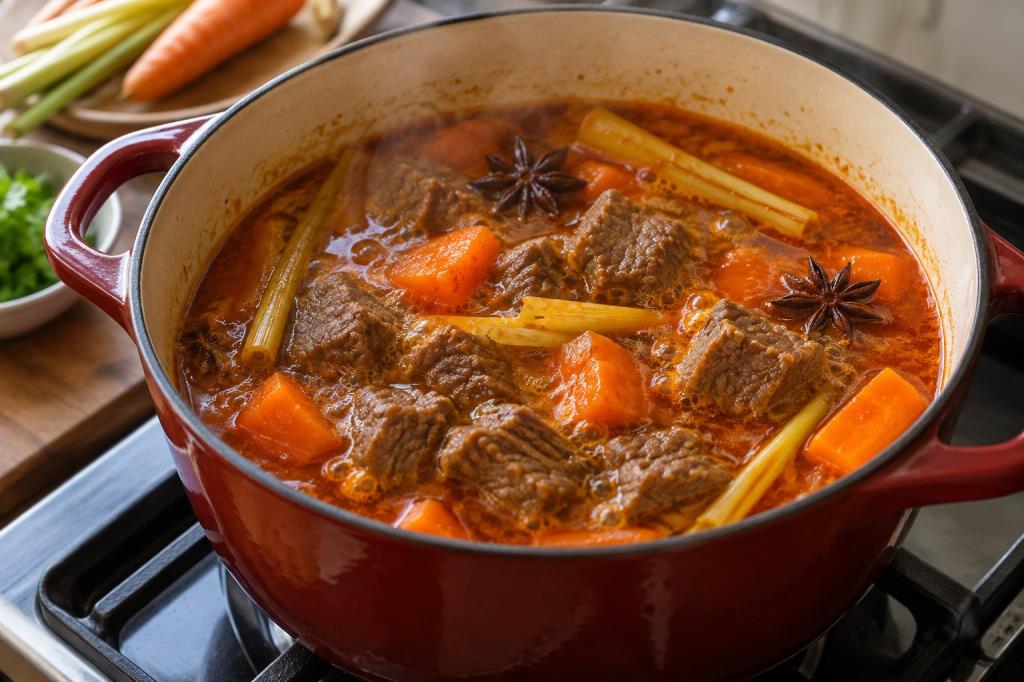
Step 4: get the body of the sauce right
A good bo kho has a natural body from gelatine and vegetables, and does not need to be as thick as a sauce. If the liquid is too thin, take the lid off and simmer for 10 minutes more after lifting out the carrot. If you want it thicker, mix 10 g of tapioca starch with 30 ml of cold water, pour it in a thin stream and stir gently; stop early, because the dish thickens further as it cools.
If the liquid is too thick, add hot water or light stock, bring it back and season again. Do not tip dry starch straight into the pot, as it forms lumps. Skim off some of the surface fat but keep a very thin layer to carry the lemongrass and spice aroma. Turn off the heat and let it rest for 15 minutes before serving.
Ten small things that decide the quality
- Cut the meat into large, even cubes.
- Use a cut with connective tissue rather than very lean meat.
- Toast the spices just to fragrance, never to burning.
- Tie the lemongrass and bag the star anise and cinnamon so they are easy to remove.
- Sear the meat in batches and do not overcrowd the pot.
- Use hot water to deglaze and to top up.
- Keep the pot at a bare simmer.
- Add the carrot once the meat is mostly tender.
- Do the final seasoning once you know the volume of liquid.
- Let the dish rest before you serve it.
Common mistakes and how to rescue them
The meat is tough even after long cooking
The meat has not had enough time for the collagen to soften, or the pot dried out and the temperature was unstable. Add boiling water, leave the lid ajar and carry on cooking in 20-minute stages. Do not turn the heat right up, as the outside dries before the sinew softens. Some shank cuts take longer than chuck.
The meat has fallen apart
The pieces were cut too small, or it was stewed at a hard boil. Lift the meat out, finish the vegetables and the liquid separately, and put it back when you serve. Next time cut 4-5 cm pieces and check earlier. Do not stir vigorously once the meat has gone tender.
The star anise and cinnamon are overpowering
Take the spice bag out at once, add light stock and a freshly bruised stalk of lemongrass, cook for 15 minutes and season again. Do not try to fix it with sugar. Next time use less star anise and cinnamon, or take them out after 60-90 minutes instead of leaving them in throughout.
The liquid tastes bitter
The usual causes are burnt spices, overheated annatto oil, or a blackened layer on the bottom of the searing pot. If it is only slightly bitter, move the part that is not stuck to the bottom into another pot and dilute it with stock. A strong burnt taste is hard to fix; it is better to stop early than to add more seasoning to mask it.
Cooking it in a pressure cooker
Sear the meat and fry the aromatics on the saute setting, then add liquid without going over the maximum line. Cook on high pressure for about 30-35 minutes and let it release naturally for 15 minutes. Open it, add the carrot and cook without pressure until tender. The timing varies with the size of the meat and the appliance, so always read your cooker's instructions.
Eating it with bread or rice noodles
With bread, ladle a thicker bo kho into a bowl and add thinly sliced onion, Thai basil, sawtooth coriander and lime. With rice noodles, blanch the noodles separately, put them in the bowl and ladle more liquid over; do not cook the noodles in the bo kho pot, as the starch clouds the liquid. Egg noodles work too, but check the ingredients if there are allergies.
Preparing it a day ahead
Bo kho is usually better after a rest. Once it is cooked, divide it into shallow containers and chill it properly. The next day the layer of fat set on top is easy to lift off; reheat the meat and the liquid first, and add the carrot afterwards if you want to stop it softening further. The herbs, onion and bread should always be prepared fresh.
Storage and safety
Whole cuts of beef are safe at a lower temperature, but a stew needs a long time to become tender, so the whole pot has to be held at a steady heat. Leftovers need to go into the fridge within 2 hours and be used within 3-4 days, or frozen in portions. Reheat to 74C, and only reheat what you are going to eat.
Allergy notes
Fish sauce contains fish. Bread and noodles may contain wheat and egg, and some packaged seasonings contain soy. Anyone who needs to limit sodium should reduce the fish sauce and salt rather than substituting a lot of seasoning powder. Always read the labels on tomato paste and spice blends if you are using ready-made products.



 How to cook mung bean and aloe sweet soup: refreshing, with crisp aloe and no bitterness
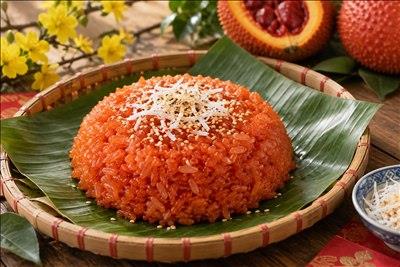 How to cook xoi gac: a beautiful red, chewy separate grains and never claggy
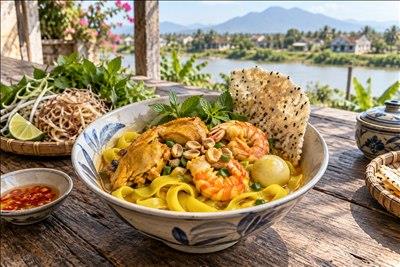 Mi Quang and the kitchens of Quang Nam: a bowl with little broth and a great deal of memory
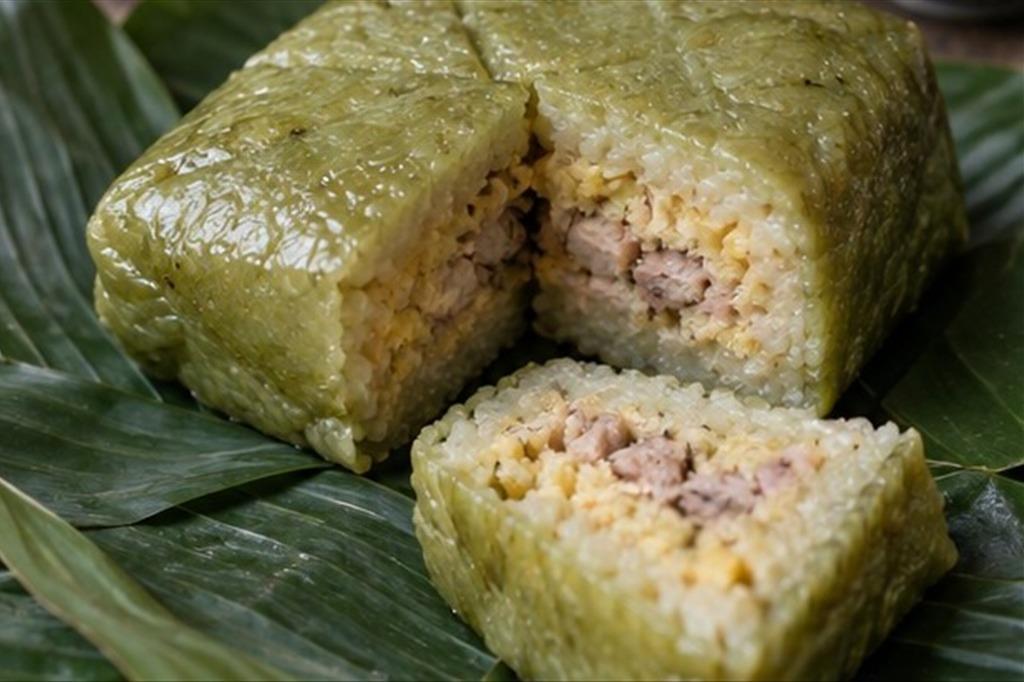 Bo Dau banh chung: the green square cake at the crossroads into Thai Nguyen
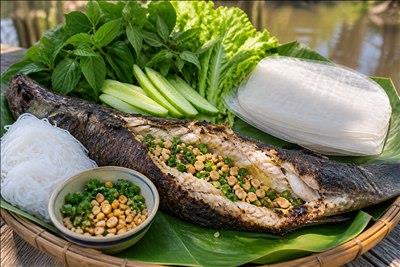 How to cook ca loc nuong trui: evenly done, juicy flesh and no taste of ash
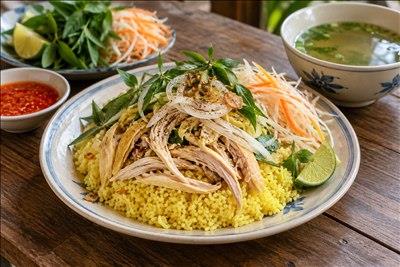 How to make Hoi An chicken rice: fluffy grains, juicy chicken and a crisp onion salad
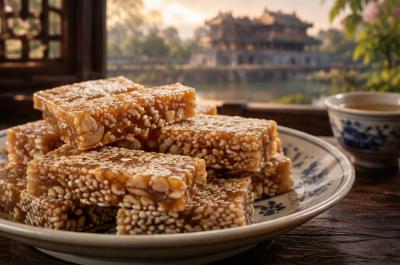 Me xung from Hue: chewy malt, toasted sesame and the slow rhythm of tea
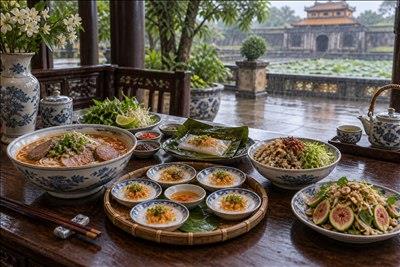 The food of Hue: where the royal kitchen, everyday dishes and small street stalls meet
Đăng nhập để bình luận: / Sign in to comment: