



Cooking secrets to help "preserve" vitamins in food
You may have chosen healthy, nutritious, and best-for-health food sources, but due to a few incorrect steps during cooking, the nutrition in the food will not be retained.
As we know, during the cooking process, many types of vitamins are destroyed, and minerals can be dissolved, preventing the body from getting enough necessary nutrients and leading to vitamin and mineral deficiencies.
For people with digestive issues, this problem becomes even worse because food cooked using improper methods can cause indigestion in the intestinal tract.
Below, Ola88 summarizes the best tips and cooking methods to retain the nutritional value of food, as well as suitable methods for people with digestive issues.
Cook quickly, do not reheat food

Science has shown that the longer the cooking time and the higher the temperature, the more vitamins and great nutrients in food are lost. In addition, the longer food is cooked, water-soluble vitamins like Vitamin B or C will completely dissolve into the broth, leaving only omegas or fats stable.
Reheating food multiple times, especially vegetables, is also discouraged as it easily causes vitamins to be destroyed quickly.
Cook at low temperatures
The higher the temperature at which food is cooked, the more the structure of vitamins changes. Therefore, you should cook at low to moderate temperatures to ensure the stability of the structure of vitamins and minerals.
Limit exposure to light
You should cover the pot while cooking and avoid opening the lid frequently so that food is not exposed to light, which affects vitamin content. Not to mention, some foods high in vitamin B2 are very susceptible to light and can be oxidized by this factor.
Covering the pot also reduces the evaporation of certain nutrients while saving cooking time because food will cook faster.
Avoid deep-frying and frying food

Food cooked in hot oil can produce carcinogenic substances and cause inflammation in the body.
Studies have shown that food fried at excessively high temperatures easily burns, which is a leading cause of stomach cancer, breast cancer, colon cancer, and rectal cancer. High temperatures also cause the destruction of carotenoids, especially pro-vitamin A in vegetables, and denature proteins in meat, creating bound compounds that are difficult to digest.
Reduce the amount of water when cooking

Cooking methods such as boiling and stewing are obviously healthier than deep-frying and frying. However, if you are not careful, boiling and cooking can still result in the loss of many vitamins in food. Some vitamins dissolve in water when heated; therefore, you should only cook with a moderate amount of water and consume the broth as well so as not to lose nutrients. Cooking with too much water and discarding it will lead to a large loss of vitamins.
Steam food instead of boiling

Food prepared by steaming cooks at a lower temperature, so only a very small fraction of vitamins and minerals are affected by heat.
Not using water to cook food also reduces the amount of dissolved vitamins compared to boiling methods.
You can steam vegetables such as squash, pumpkin, kohlrabi, carrots, etc.
Do not peel certain vegetables and root crops

Many people have the habit of removing all vegetable skins, believing that this part comes into contact with dirty soil or chemicals. However, in some vegetables and root crops, the skin contains even more vitamins than the inside.
For example, the skins of pumpkin, radish, carrot, eggplant, etc., contain high levels of vitamin C and should not be discarded during preparation.
According to recommendations, except for hard-skinned root vegetables that cannot be cooked soft, you should not peel all vegetables and root crops; simply wash them thoroughly and cook them.
Happy cooking, everyone!
As we know, during the cooking process, many types of vitamins are destroyed, and minerals can be dissolved, preventing the body from getting enough necessary nutrients and leading to vitamin and mineral deficiencies.
For people with digestive issues, this problem becomes even worse because food cooked using improper methods can cause indigestion in the intestinal tract.
Below, Ola88 summarizes the best tips and cooking methods to retain the nutritional value of food, as well as suitable methods for people with digestive issues.
Cook quickly, do not reheat food
Science has shown that the longer the cooking time and the higher the temperature, the more vitamins and great nutrients in food are lost. In addition, the longer food is cooked, water-soluble vitamins like Vitamin B or C will completely dissolve into the broth, leaving only omegas or fats stable.
Reheating food multiple times, especially vegetables, is also discouraged as it easily causes vitamins to be destroyed quickly.
Cook at low temperatures
The higher the temperature at which food is cooked, the more the structure of vitamins changes. Therefore, you should cook at low to moderate temperatures to ensure the stability of the structure of vitamins and minerals.
Limit exposure to light
You should cover the pot while cooking and avoid opening the lid frequently so that food is not exposed to light, which affects vitamin content. Not to mention, some foods high in vitamin B2 are very susceptible to light and can be oxidized by this factor.
Covering the pot also reduces the evaporation of certain nutrients while saving cooking time because food will cook faster.
Avoid deep-frying and frying food
Food cooked in hot oil can produce carcinogenic substances and cause inflammation in the body.
Studies have shown that food fried at excessively high temperatures easily burns, which is a leading cause of stomach cancer, breast cancer, colon cancer, and rectal cancer. High temperatures also cause the destruction of carotenoids, especially pro-vitamin A in vegetables, and denature proteins in meat, creating bound compounds that are difficult to digest.
Reduce the amount of water when cooking
Cooking methods such as boiling and stewing are obviously healthier than deep-frying and frying. However, if you are not careful, boiling and cooking can still result in the loss of many vitamins in food. Some vitamins dissolve in water when heated; therefore, you should only cook with a moderate amount of water and consume the broth as well so as not to lose nutrients. Cooking with too much water and discarding it will lead to a large loss of vitamins.
Steam food instead of boiling
Food prepared by steaming cooks at a lower temperature, so only a very small fraction of vitamins and minerals are affected by heat.
Not using water to cook food also reduces the amount of dissolved vitamins compared to boiling methods.
You can steam vegetables such as squash, pumpkin, kohlrabi, carrots, etc.
Do not peel certain vegetables and root crops
Many people have the habit of removing all vegetable skins, believing that this part comes into contact with dirty soil or chemicals. However, in some vegetables and root crops, the skin contains even more vitamins than the inside.
For example, the skins of pumpkin, radish, carrot, eggplant, etc., contain high levels of vitamin C and should not be discarded during preparation.
According to recommendations, except for hard-skinned root vegetables that cannot be cooked soft, you should not peel all vegetables and root crops; simply wash them thoroughly and cook them.
Happy cooking, everyone!


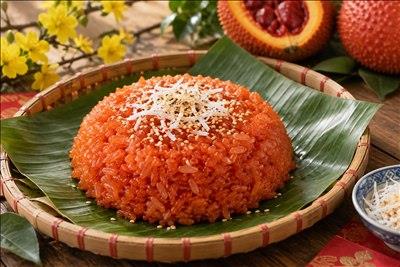 How to cook xoi gac: a beautiful red, chewy separate grains and never claggy
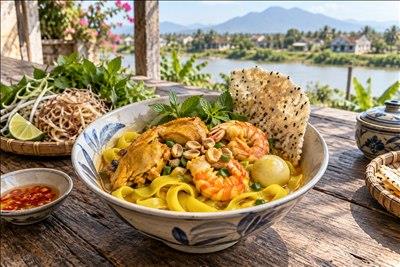 Mi Quang and the kitchens of Quang Nam: a bowl with little broth and a great deal of memory
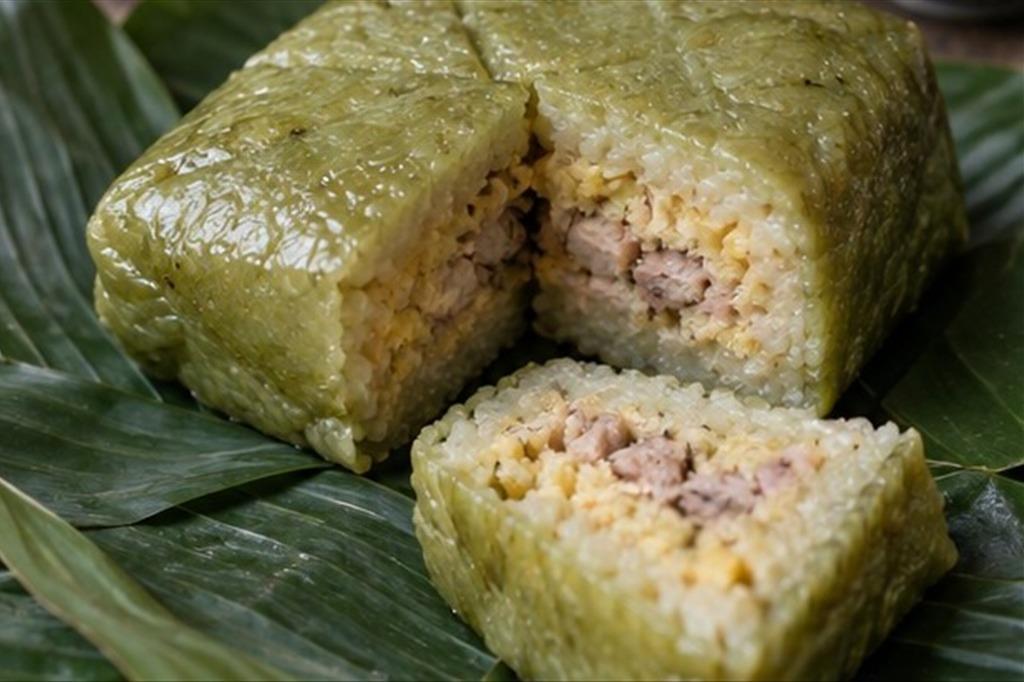 Bo Dau banh chung: the green square cake at the crossroads into Thai Nguyen
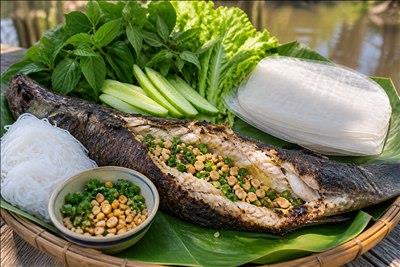 How to cook ca loc nuong trui: evenly done, juicy flesh and no taste of ash
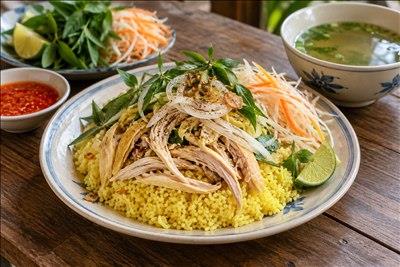 How to make Hoi An chicken rice: fluffy grains, juicy chicken and a crisp onion salad
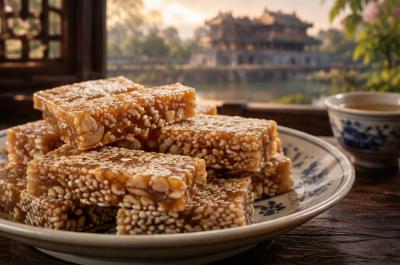 Me xung from Hue: chewy malt, toasted sesame and the slow rhythm of tea
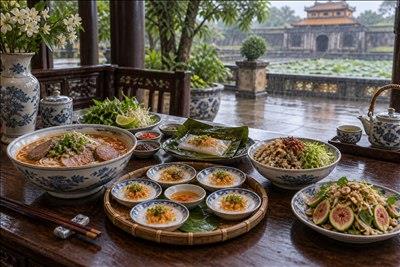 The food of Hue: where the royal kitchen, everyday dishes and small street stalls meet
 Hue vegetarian food: why is something so plain still so layered in flavour?
Đăng nhập để bình luận: / Sign in to comment: