



Southern Delicacies. Part 11: Kien Giang
Kien Giang Fish Noodle Soup
An indispensable ingredient in this dish is fish, but it must be wild snakehead fish. The fish entrails are cleaned to simmer the broth, while the cooked fish meat, stripped of all bones, is pulled into pieces and lightly stir-fried so that it does not smell fishy when eaten. Besides fish, a bit of shrimp is added to complete this fish noodle soup dish.

Due to the nature of the river region, the shrimp used here is whiteleg shrimp, which is larger and tastier, rather than dried shrimp commonly seen in eateries in Saigon.

The most important element for noodle soup dishes is the broth; in addition to being cooked with fish as mentioned above, the broth also includes pork marrow bones and a touch of seasoning to enhance its rich flavor. Bean sprouts, Vietnamese coriander, fish mint, herbs, and chili fish sauce are also indispensable side accompaniments.
Crab Noodle Soup with Fish Cake
Crab noodle soup with fish cake carries the signature flavor of the Kien Giang coastal region. Looking at a bowl of crab noodle soup with fish cake alongside a plate of fresh green herbs—banana blossom, Thai basil, lettuce, water spinach...—diners are instantly enticed from the moment it is served. The bowl is topped almost entirely with flower crab meat, mackerel fish cake, and a few sprigs of cilantro adding colorful garnish. The bowl of noodle soup is delicious thanks to every piece of sweet, rich crab meat, the slightly salty, tender yet chewy mackerel fish cake, and the appealingly chewy, clear white tapioca noodles.

The broth pot for the noodle soup is cooked with dried shrimp, meat, bones, and especially mackerel heads, which gives a savory richness without losing the natural sweetness of fresh fish and dried shrimp. The fish cake is made from fresh mackerel meat, thoroughly washed and scraped, then mixed with pepper, garlic, shallots, MSG, and a splash of fish sauce before being pounded in a mortar; the finer it is pounded, the chewier the fish meat becomes. To add richness, diced pork fat is mixed in along with well-balanced seasonings, especially a touch of black pepper to give the fish cake a robust flavor.

The Tempting Fish Salad of Cay Bang
Ha Tien has an abundance of delicious fish because it is a nearby fishing ground, with boats catching and bringing fish back to port within the day. Anyone who has visited Ha Tien can hardly forget the fish salad at Cay Bang Junction—about 5 kilometers from Ha Tien Town. Local gourmets say: Ha Tien fish is number one, but for raw fish salad, you must head to Cay Bang Junction to eat it.

Fish in the Cay Bang area is sourced directly from local fishermen's boats, extremely fresh. Once brought back, the fish is cleaned, sliced thinly, and tossed with spices, sweet-and-sour vinegar dressing, onions, fried shallots, cilantro... creating a signature seafood dish. The fish salad is delightful due to its rich flavor, with no fishy smell remaining. The dipping sauce is prepared with a well-balanced sweet and sour taste.
Many places serve raw fish salad or lime-marinated fish, but nowhere compares to Cay Bang Junction. The ambiance here makes the dish even tastier. Guests sit on wooden floorboards facing the sea. At high tide, the waves rise almost to the floor, creating a wonderful experience. Enjoying a signature ocean dish while listening to the lapping waves and whistling wind is second to none.
Ha Tien Sticky Rice
Sticky rice is a simple dish made from glutinous rice available in many places, but enjoying it in Ha Tien offers a distinct experience: its glossy, glistening look makes visitors unable to resist... Many tourists visiting Ha Tien (Kien Giang) who enjoy this humble sticky rice for breakfast cannot help but praise: Ha Tien sticky rice is both delicious and beautiful. The shimmering sheen, fragrant aroma of glutinous rice, and richness of coconut touch everyone's heart...

The sticky rice is cooked from fragrant glutinous rice, so as soon as it is done, it releases an alluring aroma. In particular, Ha Tien women prepare sticky rice very skillfully; the cooked grains are glossy ivory white, instantly pleasing to the eye and triggering a craving on the tip of the tongue. Even eating the plain sticky rice alone is delicious due to the rich aroma and perfect texture. Ha Tien sticky rice comes in two varieties: sweet and savory. Sweet sticky rice features thick coconut milk and ripe mango processed into a smooth sauce consistency, topped with shredded coconut. Every bite is rich and aromatic. Savory Ha Tien sticky rice does not rely heavily on spices or meats like in other regions. It features only a layer of finely shredded dried shrimp on top, yet the flavor is remarkably rich and savory. Each portion of Ha Tien sticky rice is compact, fitting right in the palm of your hand.
Ha Tien Seafood
Traditionally, whenever bailer snails were caught in shrimp and fish nets, fishermen would enjoy them right on the boat as a delicious gift from the sea. The simplest way to enjoy bailer snails is to boil or grill them and dip them in lime pepper salt, or savor them with just a pinch of salt and a chili pepper.

From there, the people of Ha Tien created an enticing dish—bailer snail salad. The meat of the bailer snail consists of two edible parts: the white, translucent muscle meat that is crunchy like gizzard, and the soft, light brown digestive gland, which is rich and creamy, referred to by connoisseurs as snail liver or roe. After washing the shell, the snail is steamed (or boiled); the muscle meat is thinly sliced and tossed with finely shredded banana blossom, Vietnamese coriander, chili, cooking oil, and seasonings. The soft digestive tract is placed on top to prevent it from breaking apart, and roasted crunchy peanuts are sprinkled over the salad.
Pen Shell Scallop Adductor Muscle (Coi Bien Mai)
Pen shells (bien mai) are abundant around the Hai Tac Islands in Ha Tien district, Kien Giang, living on submerged rock shelves about 5 meters deep. The tail of the pen shell adheres to the rock surface, its body standing upright, gently opening and closing with its breath, waiting for algae or plankton to drift in before snapping shut. The outer shell consists of two moss-covered green valves joined together, wide at the top and narrow at the bottom like a wild banana flower. After detaching the pen shell, fishermen crack it open to pry out the piece of muscle inside where the two shell halves meet. This piece of meat is called the coi (adductor muscle), thick and large similar to a slice of dried betel nut.

One ton of pen shells yields only 1 kg of fresh adductor muscle. The pen shell muscle dish is marinated with condiments: soy sauce, pepper, fat, salt... Diners use a coconut leaf rib stick about 20 cm long to skewer several pieces of muscle on the tip and grill them over charcoal.
Herring Salad
To make a high-quality herring salad, one must select extremely fresh fish, scale and wash them thoroughly, then slice them thinly into small pieces. Although it is the same salad dish, locals in Ha Tien have different preparation methods. Some take herring fillets, marinate them beforehand with a little lime juice or vinegar for a few minutes, and then drain off the liquid. They then add premium fish sauce, sugar, ginger, chili, and finely chopped onion, tossing everything together. Others saute garlic and shallots until fragrant before mixing them with the fresh fish meat and adding roasted rice powder to remove any fishy odor.

However, to prepare a top-tier plate of herring salad, the chef must follow traditional steps meticulously, especially ensuring the inclusion of fragrant, crispy roasted peanuts and grated coconut. The grated coconut for this dish must come from fully mature coconuts to maximize richness. It is accompanied by a plate of pliable rice paper, thin rice vermicelli, tender herbs, and dipping sauce. Homegrown or wild greens like young mango shoots, garcinia shoots, premna leaves, perilla, green mustard greens... plus a few slices of green banana, star fruit, and cucumber make it even better. As for the dipping sauce, it must be crafted from fragrant premium fish sauce, balanced harmoniously with the slight tartness of brewed vinegar, the heat of crushed bird's eye chili, and the sweetness and richness of sugar and crushed roasted peanuts.
Steamed Hu Tieu Noodles

The ingredient for steamed hu tieu is fresh noodle strands. The chewy and soft noodle strands are steamed over water rather than blanched in boiling water. Served in a moderate portion, it is ideal for a light breakfast. The unique feature of Ha Tien steamed hu tieu compared to other places lies in its rich, thick coconut cream sauce. Steamed hu tieu is served with shredded pork skin tossed with roasted rice powder, shredded lean pork, and fried spring rolls. The spring rolls are made with finely shredded taro, seasoned with spices, onions, and pepper mixed with minced meat. Thanks to this, the spring rolls have the nutty flavor of taro, the sweetness of meat, and the fragrant aroma of spices.
Phu Quoc Melaleuca Mushroom
Melaleuca mushrooms only grow after early seasonal rains in cajeput forests. Leaves and bark from melaleuca trees fallen from previous seasons decompose into humus, creating the ideal environment for melaleuca mushrooms to sprout. The mushroom season peaks and lasts for a little over a month before ending.

Melaleuca mushroom soup and roasted tiny shrimp In Phu Quoc, melaleuca mushrooms cooked with shrimp and squid is a popular everyday dish that almost every household prepares during the season. However, with a little extra effort, finding wolf-herring or barracuda to make fish balls to cook with the mushrooms is truly unbeatable. Right before serving, cracking a few duck eggs into the boiling pot—much like Westerners adding duck eggs to mung bean sweet soup—is also a unique style of enjoying melaleuca mushrooms.
Palmyra Palm Cake

Still made with rice flour, granulated sugar, and coconut water, palmyra palm cake includes an extra ingredient from mature palmyra palm fruit. The flesh of the mature palm fruit is grated fine against a basket. Locals also use the fruit juice to mix into the rice flour batter. The flour is selected from quality rice varieties, usually seasonal rice, to give the batter a fragrant, pliable texture. Rice is washed clean of bran, finely ground, and fermented overnight. Granulated sugar, a touch of salt for balanced sweetness, and coconut milk for richness are then added. The cake acquires a natural, eye-catching waxy yellow color from the palmyra fruit. Wrapped in banana leaves into rectangular shapes, it is topped with grated coconut. Steamed in a steamer, lifting the lid releases a rich, heavenly aroma that makes one's mouth water. The cake tastes even better once cooled.
Phu Quoc Barracuda
To make fish cake, smaller barracudas are usually ground and pounded, mixed with white peppercorns and minced shallots, then steamed or fried, both of which are delicious. When eaten, the fish cake has a springy, rich, and savory texture, and as you chew, the white peppercorns burst with a pungent, spicy kick. Barracuda fish cake can be wrapped in rice paper and dipped in sweet-and-sour fish sauce for casual drinks, or cooked in fish cake noodle soup for an unparalleled taste.
Raw fish salad is a favorite dish for many seeking to explore natural, fresh flavors. Making this dish requires meticulous skill and delicate attention from selecting the fish to seasoning and marinating. The fish chosen for the salad must be extremely fresh, filleted, thinly sliced, and topped with fried shallots and sliced onions.
However, for this dish to taste delicious, an elaborately prepared dipping sauce is essential. The dipping sauce is a blend of garlic, chili, crushed roasted peanuts mixed with lime juice, premium fish sauce, and a touch of sugar to balance the flavor. Lime juice is squeezed over the fish to lightly cure it before wrapping the fish in rice paper with fresh herbs. When eating the fish salad, the flesh feels chewy and sweet; sipping a few glasses of liquor alongside makes the salad taste all the more delightful.
Phu Quoc Crab Fried Rice
Phu Quoc crab fried rice when cooked has a beautiful golden hue that glistens attractively. Once fried, the rice is served alongside finely sliced cucumber, fresh greens, and tomato slices, enjoyed with prepared fish sauce.
Simple yet eye-catching, these delicious flower crabs are the main ingredient that creates the signature taste of crab rice. The main components of Phu Quoc crab fried rice are white rice, shelled crab meat, thinly sliced onion, garlic, a bit of yellow ketchup, and cooking oil. About 300g of crab meat is tossed into a pan and stir-fried after sautéing garlic until golden alongside onion, served with about one kilogram of cooked white rice for five people. Ketchup gives the dish an attractive color, and seasoning enhances its flavor; Knorr seasoning granules can also be used during preparation. The cooking method is extremely simple.
Cook the rice until just done, scoop it out, and let it cool. Boil the crab until cooked, shell it to extract the meat, and lightly stir-fry with garlic, fish sauce, seasoning powder, and spices. Beat eggs well, fry until golden, and dice. Sauté garlic until fragrant, add the rice and fry evenly. Add the crab meat and diced eggs, stirring well. Season to taste. Chop green onions and cilantro to sprinkle on top, serve hot with pickles and chili fish sauce (or soy sauce).
Sour Lemongrass Turmeric Hotpot with Sharptooth Houndshark
The people of Ha Tien often prepare sharptooth houndshark into many nutritious, delicious dishes, but number one is still sour soup cooked with lemongrass and turmeric. It can be said that this dish is unique to the Kien Giang sea region. Sour shark soup must include finely minced lemongrass pounded together with turmeric. This preparation reflects Kinh – Khmer culinary influences while helping eliminate the fishy sea smell.
If sour bamboo shoots, fresh tamarind, or salted tamarind are unavailable, fresh lime juice can be squeezed into the dish. During Lunar New Year holidays, the price of sharptooth houndshark sometimes skyrockets because for a long time, the people of Ha Tien have believed that this shark is a spiritual fish. The word giau (rich) in ca nham giau is believed to bring them prosperity and successful business when enjoying the dish n
An indispensable ingredient in this dish is fish, but it must be wild snakehead fish. The fish entrails are cleaned to simmer the broth, while the cooked fish meat, stripped of all bones, is pulled into pieces and lightly stir-fried so that it does not smell fishy when eaten. Besides fish, a bit of shrimp is added to complete this fish noodle soup dish.
Due to the nature of the river region, the shrimp used here is whiteleg shrimp, which is larger and tastier, rather than dried shrimp commonly seen in eateries in Saigon.
The most important element for noodle soup dishes is the broth; in addition to being cooked with fish as mentioned above, the broth also includes pork marrow bones and a touch of seasoning to enhance its rich flavor. Bean sprouts, Vietnamese coriander, fish mint, herbs, and chili fish sauce are also indispensable side accompaniments.
Crab Noodle Soup with Fish Cake
Crab noodle soup with fish cake carries the signature flavor of the Kien Giang coastal region. Looking at a bowl of crab noodle soup with fish cake alongside a plate of fresh green herbs—banana blossom, Thai basil, lettuce, water spinach...—diners are instantly enticed from the moment it is served. The bowl is topped almost entirely with flower crab meat, mackerel fish cake, and a few sprigs of cilantro adding colorful garnish. The bowl of noodle soup is delicious thanks to every piece of sweet, rich crab meat, the slightly salty, tender yet chewy mackerel fish cake, and the appealingly chewy, clear white tapioca noodles.
The broth pot for the noodle soup is cooked with dried shrimp, meat, bones, and especially mackerel heads, which gives a savory richness without losing the natural sweetness of fresh fish and dried shrimp. The fish cake is made from fresh mackerel meat, thoroughly washed and scraped, then mixed with pepper, garlic, shallots, MSG, and a splash of fish sauce before being pounded in a mortar; the finer it is pounded, the chewier the fish meat becomes. To add richness, diced pork fat is mixed in along with well-balanced seasonings, especially a touch of black pepper to give the fish cake a robust flavor.
The Tempting Fish Salad of Cay Bang
Ha Tien has an abundance of delicious fish because it is a nearby fishing ground, with boats catching and bringing fish back to port within the day. Anyone who has visited Ha Tien can hardly forget the fish salad at Cay Bang Junction—about 5 kilometers from Ha Tien Town. Local gourmets say: Ha Tien fish is number one, but for raw fish salad, you must head to Cay Bang Junction to eat it.
Fish in the Cay Bang area is sourced directly from local fishermen's boats, extremely fresh. Once brought back, the fish is cleaned, sliced thinly, and tossed with spices, sweet-and-sour vinegar dressing, onions, fried shallots, cilantro... creating a signature seafood dish. The fish salad is delightful due to its rich flavor, with no fishy smell remaining. The dipping sauce is prepared with a well-balanced sweet and sour taste.
Many places serve raw fish salad or lime-marinated fish, but nowhere compares to Cay Bang Junction. The ambiance here makes the dish even tastier. Guests sit on wooden floorboards facing the sea. At high tide, the waves rise almost to the floor, creating a wonderful experience. Enjoying a signature ocean dish while listening to the lapping waves and whistling wind is second to none.
Ha Tien Sticky Rice
Sticky rice is a simple dish made from glutinous rice available in many places, but enjoying it in Ha Tien offers a distinct experience: its glossy, glistening look makes visitors unable to resist... Many tourists visiting Ha Tien (Kien Giang) who enjoy this humble sticky rice for breakfast cannot help but praise: Ha Tien sticky rice is both delicious and beautiful. The shimmering sheen, fragrant aroma of glutinous rice, and richness of coconut touch everyone's heart...
The sticky rice is cooked from fragrant glutinous rice, so as soon as it is done, it releases an alluring aroma. In particular, Ha Tien women prepare sticky rice very skillfully; the cooked grains are glossy ivory white, instantly pleasing to the eye and triggering a craving on the tip of the tongue. Even eating the plain sticky rice alone is delicious due to the rich aroma and perfect texture. Ha Tien sticky rice comes in two varieties: sweet and savory. Sweet sticky rice features thick coconut milk and ripe mango processed into a smooth sauce consistency, topped with shredded coconut. Every bite is rich and aromatic. Savory Ha Tien sticky rice does not rely heavily on spices or meats like in other regions. It features only a layer of finely shredded dried shrimp on top, yet the flavor is remarkably rich and savory. Each portion of Ha Tien sticky rice is compact, fitting right in the palm of your hand.
Ha Tien Seafood
Traditionally, whenever bailer snails were caught in shrimp and fish nets, fishermen would enjoy them right on the boat as a delicious gift from the sea. The simplest way to enjoy bailer snails is to boil or grill them and dip them in lime pepper salt, or savor them with just a pinch of salt and a chili pepper.
From there, the people of Ha Tien created an enticing dish—bailer snail salad. The meat of the bailer snail consists of two edible parts: the white, translucent muscle meat that is crunchy like gizzard, and the soft, light brown digestive gland, which is rich and creamy, referred to by connoisseurs as snail liver or roe. After washing the shell, the snail is steamed (or boiled); the muscle meat is thinly sliced and tossed with finely shredded banana blossom, Vietnamese coriander, chili, cooking oil, and seasonings. The soft digestive tract is placed on top to prevent it from breaking apart, and roasted crunchy peanuts are sprinkled over the salad.
Pen Shell Scallop Adductor Muscle (Coi Bien Mai)
Pen shells (bien mai) are abundant around the Hai Tac Islands in Ha Tien district, Kien Giang, living on submerged rock shelves about 5 meters deep. The tail of the pen shell adheres to the rock surface, its body standing upright, gently opening and closing with its breath, waiting for algae or plankton to drift in before snapping shut. The outer shell consists of two moss-covered green valves joined together, wide at the top and narrow at the bottom like a wild banana flower. After detaching the pen shell, fishermen crack it open to pry out the piece of muscle inside where the two shell halves meet. This piece of meat is called the coi (adductor muscle), thick and large similar to a slice of dried betel nut.
One ton of pen shells yields only 1 kg of fresh adductor muscle. The pen shell muscle dish is marinated with condiments: soy sauce, pepper, fat, salt... Diners use a coconut leaf rib stick about 20 cm long to skewer several pieces of muscle on the tip and grill them over charcoal.
Herring Salad
To make a high-quality herring salad, one must select extremely fresh fish, scale and wash them thoroughly, then slice them thinly into small pieces. Although it is the same salad dish, locals in Ha Tien have different preparation methods. Some take herring fillets, marinate them beforehand with a little lime juice or vinegar for a few minutes, and then drain off the liquid. They then add premium fish sauce, sugar, ginger, chili, and finely chopped onion, tossing everything together. Others saute garlic and shallots until fragrant before mixing them with the fresh fish meat and adding roasted rice powder to remove any fishy odor.
However, to prepare a top-tier plate of herring salad, the chef must follow traditional steps meticulously, especially ensuring the inclusion of fragrant, crispy roasted peanuts and grated coconut. The grated coconut for this dish must come from fully mature coconuts to maximize richness. It is accompanied by a plate of pliable rice paper, thin rice vermicelli, tender herbs, and dipping sauce. Homegrown or wild greens like young mango shoots, garcinia shoots, premna leaves, perilla, green mustard greens... plus a few slices of green banana, star fruit, and cucumber make it even better. As for the dipping sauce, it must be crafted from fragrant premium fish sauce, balanced harmoniously with the slight tartness of brewed vinegar, the heat of crushed bird's eye chili, and the sweetness and richness of sugar and crushed roasted peanuts.
Steamed Hu Tieu Noodles
The ingredient for steamed hu tieu is fresh noodle strands. The chewy and soft noodle strands are steamed over water rather than blanched in boiling water. Served in a moderate portion, it is ideal for a light breakfast. The unique feature of Ha Tien steamed hu tieu compared to other places lies in its rich, thick coconut cream sauce. Steamed hu tieu is served with shredded pork skin tossed with roasted rice powder, shredded lean pork, and fried spring rolls. The spring rolls are made with finely shredded taro, seasoned with spices, onions, and pepper mixed with minced meat. Thanks to this, the spring rolls have the nutty flavor of taro, the sweetness of meat, and the fragrant aroma of spices.
Phu Quoc Melaleuca Mushroom
Melaleuca mushrooms only grow after early seasonal rains in cajeput forests. Leaves and bark from melaleuca trees fallen from previous seasons decompose into humus, creating the ideal environment for melaleuca mushrooms to sprout. The mushroom season peaks and lasts for a little over a month before ending.
Melaleuca mushroom soup and roasted tiny shrimp In Phu Quoc, melaleuca mushrooms cooked with shrimp and squid is a popular everyday dish that almost every household prepares during the season. However, with a little extra effort, finding wolf-herring or barracuda to make fish balls to cook with the mushrooms is truly unbeatable. Right before serving, cracking a few duck eggs into the boiling pot—much like Westerners adding duck eggs to mung bean sweet soup—is also a unique style of enjoying melaleuca mushrooms.
Palmyra Palm Cake
Still made with rice flour, granulated sugar, and coconut water, palmyra palm cake includes an extra ingredient from mature palmyra palm fruit. The flesh of the mature palm fruit is grated fine against a basket. Locals also use the fruit juice to mix into the rice flour batter. The flour is selected from quality rice varieties, usually seasonal rice, to give the batter a fragrant, pliable texture. Rice is washed clean of bran, finely ground, and fermented overnight. Granulated sugar, a touch of salt for balanced sweetness, and coconut milk for richness are then added. The cake acquires a natural, eye-catching waxy yellow color from the palmyra fruit. Wrapped in banana leaves into rectangular shapes, it is topped with grated coconut. Steamed in a steamer, lifting the lid releases a rich, heavenly aroma that makes one's mouth water. The cake tastes even better once cooled.
Phu Quoc Barracuda
To make fish cake, smaller barracudas are usually ground and pounded, mixed with white peppercorns and minced shallots, then steamed or fried, both of which are delicious. When eaten, the fish cake has a springy, rich, and savory texture, and as you chew, the white peppercorns burst with a pungent, spicy kick. Barracuda fish cake can be wrapped in rice paper and dipped in sweet-and-sour fish sauce for casual drinks, or cooked in fish cake noodle soup for an unparalleled taste.
Raw fish salad is a favorite dish for many seeking to explore natural, fresh flavors. Making this dish requires meticulous skill and delicate attention from selecting the fish to seasoning and marinating. The fish chosen for the salad must be extremely fresh, filleted, thinly sliced, and topped with fried shallots and sliced onions.
However, for this dish to taste delicious, an elaborately prepared dipping sauce is essential. The dipping sauce is a blend of garlic, chili, crushed roasted peanuts mixed with lime juice, premium fish sauce, and a touch of sugar to balance the flavor. Lime juice is squeezed over the fish to lightly cure it before wrapping the fish in rice paper with fresh herbs. When eating the fish salad, the flesh feels chewy and sweet; sipping a few glasses of liquor alongside makes the salad taste all the more delightful.
Phu Quoc Crab Fried Rice
Phu Quoc crab fried rice when cooked has a beautiful golden hue that glistens attractively. Once fried, the rice is served alongside finely sliced cucumber, fresh greens, and tomato slices, enjoyed with prepared fish sauce.
Simple yet eye-catching, these delicious flower crabs are the main ingredient that creates the signature taste of crab rice. The main components of Phu Quoc crab fried rice are white rice, shelled crab meat, thinly sliced onion, garlic, a bit of yellow ketchup, and cooking oil. About 300g of crab meat is tossed into a pan and stir-fried after sautéing garlic until golden alongside onion, served with about one kilogram of cooked white rice for five people. Ketchup gives the dish an attractive color, and seasoning enhances its flavor; Knorr seasoning granules can also be used during preparation. The cooking method is extremely simple.
Cook the rice until just done, scoop it out, and let it cool. Boil the crab until cooked, shell it to extract the meat, and lightly stir-fry with garlic, fish sauce, seasoning powder, and spices. Beat eggs well, fry until golden, and dice. Sauté garlic until fragrant, add the rice and fry evenly. Add the crab meat and diced eggs, stirring well. Season to taste. Chop green onions and cilantro to sprinkle on top, serve hot with pickles and chili fish sauce (or soy sauce).
Sour Lemongrass Turmeric Hotpot with Sharptooth Houndshark
The people of Ha Tien often prepare sharptooth houndshark into many nutritious, delicious dishes, but number one is still sour soup cooked with lemongrass and turmeric. It can be said that this dish is unique to the Kien Giang sea region. Sour shark soup must include finely minced lemongrass pounded together with turmeric. This preparation reflects Kinh – Khmer culinary influences while helping eliminate the fishy sea smell.
If sour bamboo shoots, fresh tamarind, or salted tamarind are unavailable, fresh lime juice can be squeezed into the dish. During Lunar New Year holidays, the price of sharptooth houndshark sometimes skyrockets because for a long time, the people of Ha Tien have believed that this shark is a spiritual fish. The word giau (rich) in ca nham giau is believed to bring them prosperity and successful business when enjoying the dish n


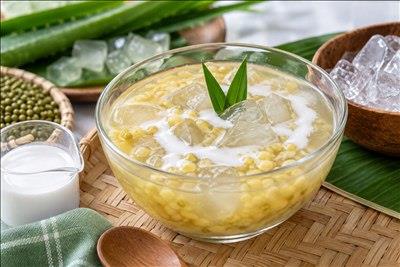 How to cook mung bean and aloe sweet soup: refreshing, with crisp aloe and no bitterness
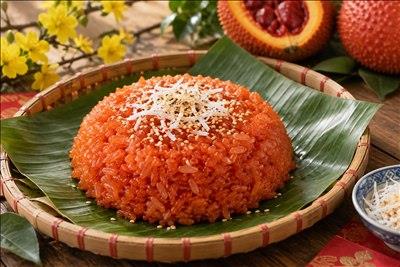 How to cook xoi gac: a beautiful red, chewy separate grains and never claggy
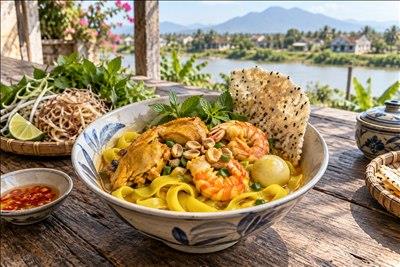 Mi Quang and the kitchens of Quang Nam: a bowl with little broth and a great deal of memory
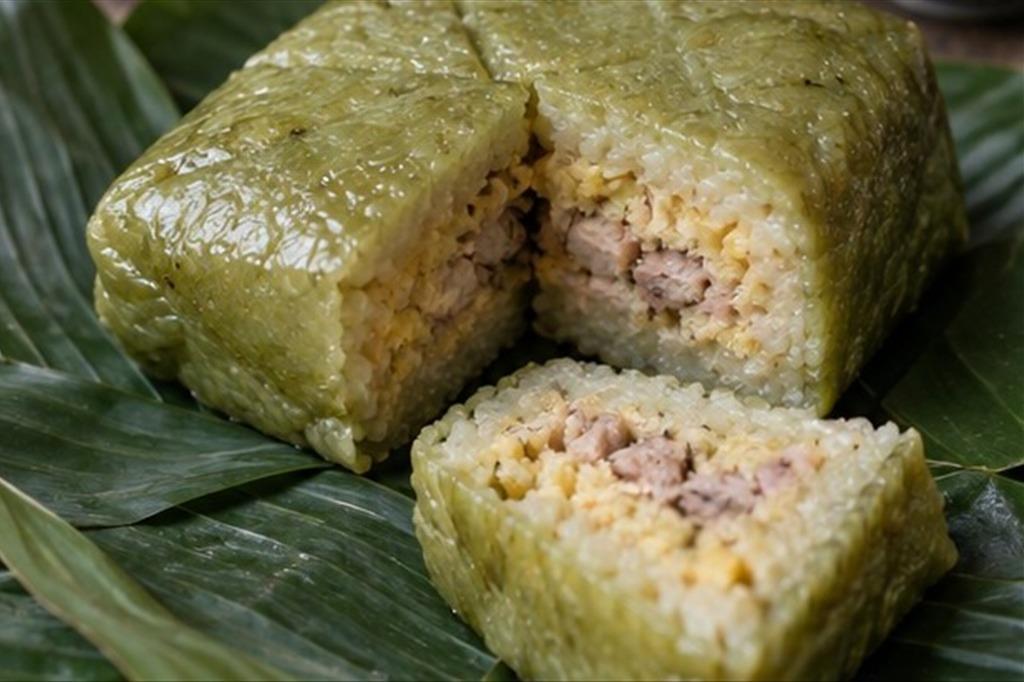 Bo Dau banh chung: the green square cake at the crossroads into Thai Nguyen
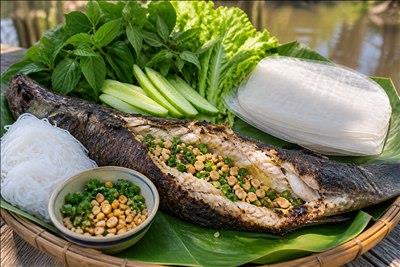 How to cook ca loc nuong trui: evenly done, juicy flesh and no taste of ash
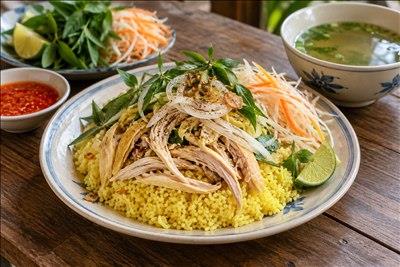 How to make Hoi An chicken rice: fluffy grains, juicy chicken and a crisp onion salad
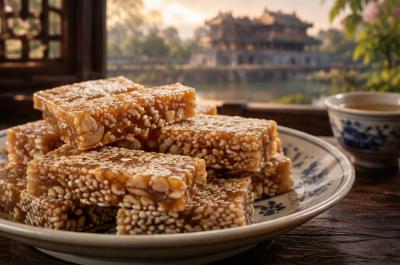 Me xung from Hue: chewy malt, toasted sesame and the slow rhythm of tea
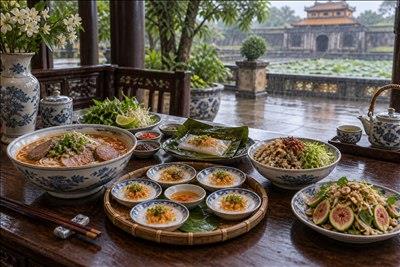 The food of Hue: where the royal kitchen, everyday dishes and small street stalls meet
Đăng nhập để bình luận: / Sign in to comment: