



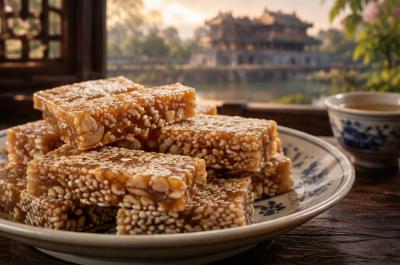
Me xung from Hue: chewy malt, toasted sesame and the slow rhythm of tea
Me xung evokes Hue through the chew of its malt syrup, the nuttiness of the peanuts and the coating of fragrant toasted sesame. The piece is small, but to get the pull just right — not running, not hard and brittle — the maker has to judge the heat, the humidity and the moment of mixing very precisely.
Hue has many forms of me xung, from chewy to crisp to modern packaged versions. Recipes, sweetness and the proportion of peanuts differ from workshop to workshop. This sweet is best seen as a craft adapting to its market, not as a fixed image of nostalgia.
Quick facts
- Associated place: Hue, in Thua Thien Hue.
- Main ingredients: sesame, peanuts, sugar or malt syrup, and flour for structure.
- Texture: chewy, lightly elastic or crisp depending on the line.
- How to eat it: small pieces with hot tea.
- What to check: the seal, the use-by date, the ingredients and any rancid nut smell.
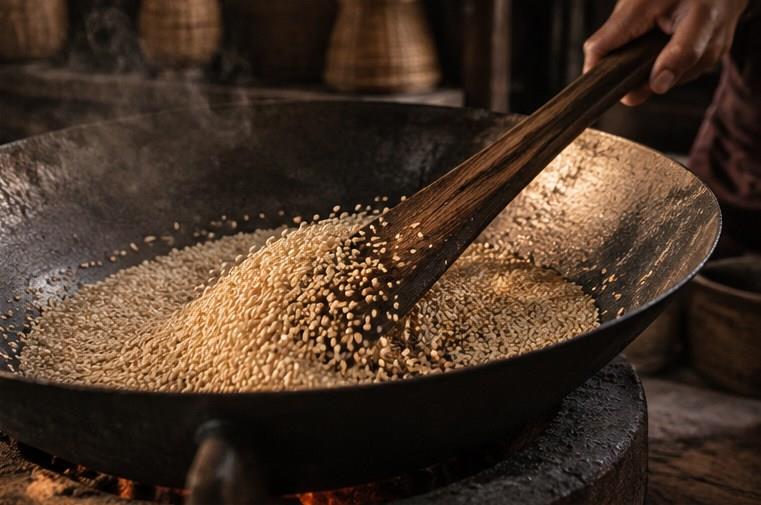
Toasting sesame to open up the aroma
Sesame seeds are small, so they go from raw to fragrant very fast. Too much heat burns them bitter; uneven stirring gives you a batch that is pale in places and dark in others. After toasting, the seeds need to be cooled and kept dry. The aroma of fresh sesame is the foundation of the sweet, so a thick coating with little fragrance gives no depth at all.
Malt syrup and the deciding moment
The sugar is cooked until it has reduced enough, then combined with the peanuts and the other ingredients. Too low a heat and the candy will not hold its shape; too high and it turns hard or tastes burnt. The maker reads the pull, the bubbles and the way the mixture falls from the tool — experience built up over many batches.
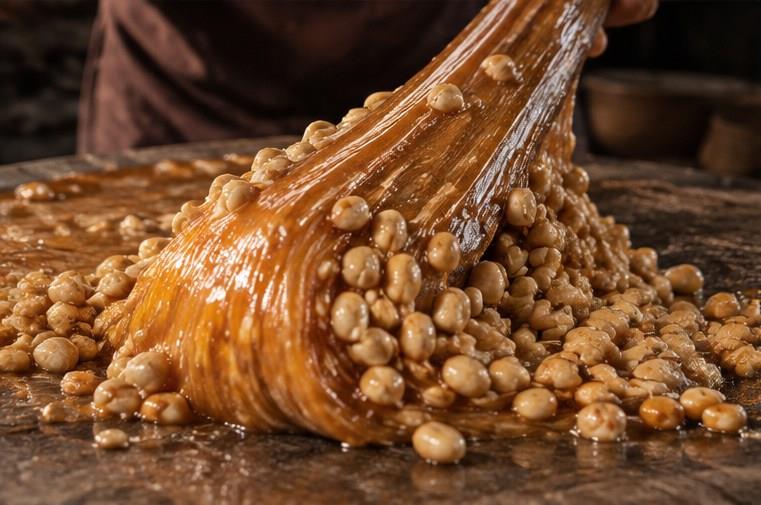
Pulling, rolling and cutting
The hot mixture has to be worked quickly on a clean surface, rolled evenly and then coated with sesame. The size of the piece changes how it feels: thin pieces are easy to bite, thick ones give a longer chew. The knife and the work surface must be kept clean so nothing contaminates the candy, and the wrappers keep the pieces from sticking to one another.
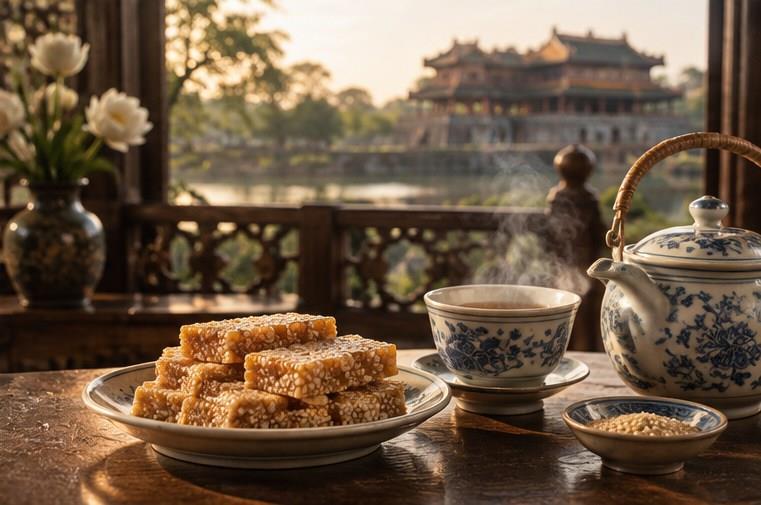
A cup of tea softens the sweetness
Hot tea is not merely a drink alongside; it sets the pace of eating. Its astringency and aroma bring out the sesame and peanuts, while the small piece gives the conversation a pause. This way of eating suits the sweet far better than treating it like a quick energy bar.
Me xung in your luggage
When buying it as a gift, choose a moderate size, check the packaging is not punctured and avoid leaving it in a hot car boot. Humid weather can soften the candy and make the surface sticky; too much cold makes it hard. Once opened, tie it up tightly and finish it within the period the maker recommends.
How to look at a living tradition
No region or community should be reduced to a single recipe. Ingredients, names and ways of serving shift with the season, the family, religion, occupation and patterns of migration. What is shared shows a history of exchange; what differs shows the capacity to adapt.
When you go and try it, use the right name for the dish and the region if you know them, listen to the people making it, ask before photographing private spaces, and avoid treating the word “authentic” as an absolute stamp. A new version still has value as long as it says what has changed and respects the people who keep the craft alive.
Common misunderstandings
All me xung is the same
Chewiness, the ratio of sesame to peanuts, the aroma and the cooking method create clear differences between product lines.
Sticky candy is definitely spoiled
Stickiness can come from heat and humidity; it is an odd smell, rancid oil, mould or broken packaging that means you should throw it out.
Practical suggestions and things to try
- Check the packing date and the use-by date.
- Read the label for peanut and sesame allergens.
- Pack it away from anything hot.
- Cut or break it into bite-sized pieces.
- Have it with tea that has little or no sugar.
- Seal it up so it does not draw in moisture.
- Do not try to eat anything that smells rancid.
Observation checklist
- What context, season and audience is being talked about?
- Which details are facts, and which are impressions or personal choices?
- How do the ingredients, tools or setting affect the outcome?
- Are there any safety, allergy, cost or privacy risks to check?
- What small thing could you try today and review later?
Important note
The product contains sesame and usually peanuts; anyone with an allergy also needs to avoid the risk of cross-contact. Sweets are best eaten in small portions, especially by anyone who has to manage their blood sugar.
Conclusion
You do not need to eat much me xung for it to stay with you. One small piece, a sip of tea and a few slow minutes are enough to show how the craft of candy-making meets Hue's culture of welcoming a guest.


 Me xung from Hue: chewy malt, toasted sesame and the slow rhythm of tea
 The food of Hue: where the royal kitchen, everyday dishes and small street stalls meet
 Hue vegetarian food: why is something so plain still so layered in flavour?
 How to cook hu tieu Nam Vang: a clear broth, sweet from the bones, with noodles that hold
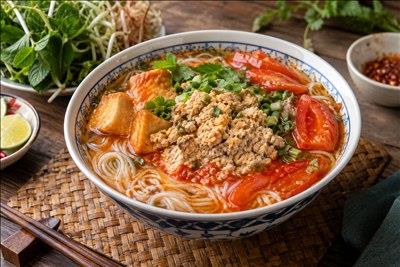 How to cook bun rieu cua: fragrant, with the crab curd in soft clouds and a clear broth
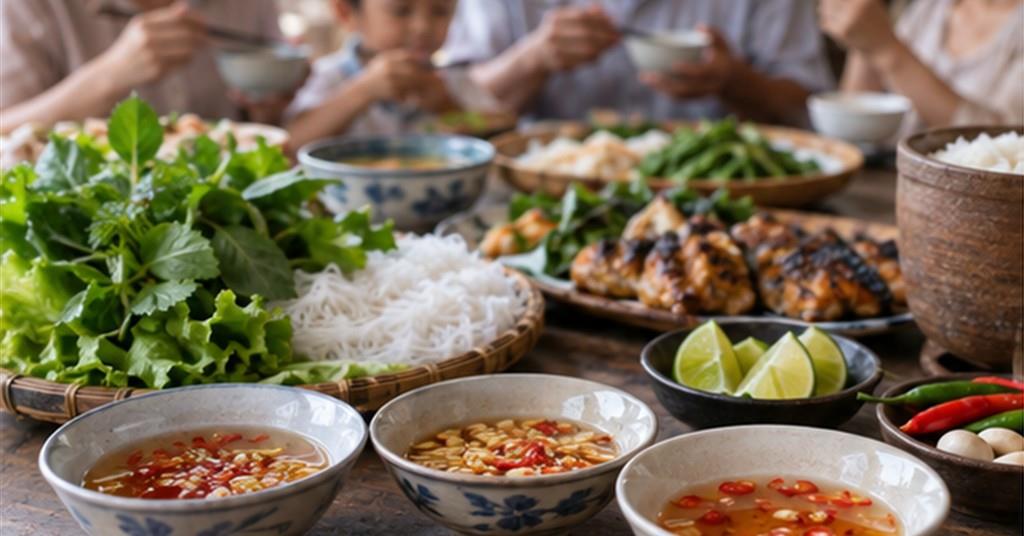 Fish sauce on the table across the three regions: from how it is mixed to what it is eaten with
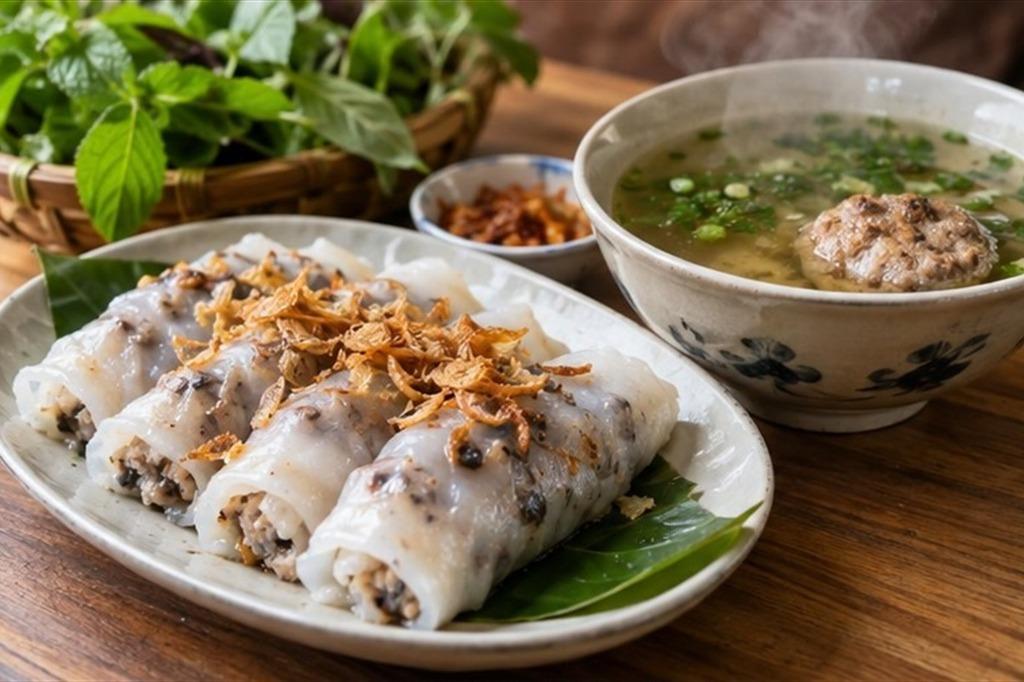 Cao Bang banh cuon: a thin rice sheet eaten with a bowl of hot broth on the frontier
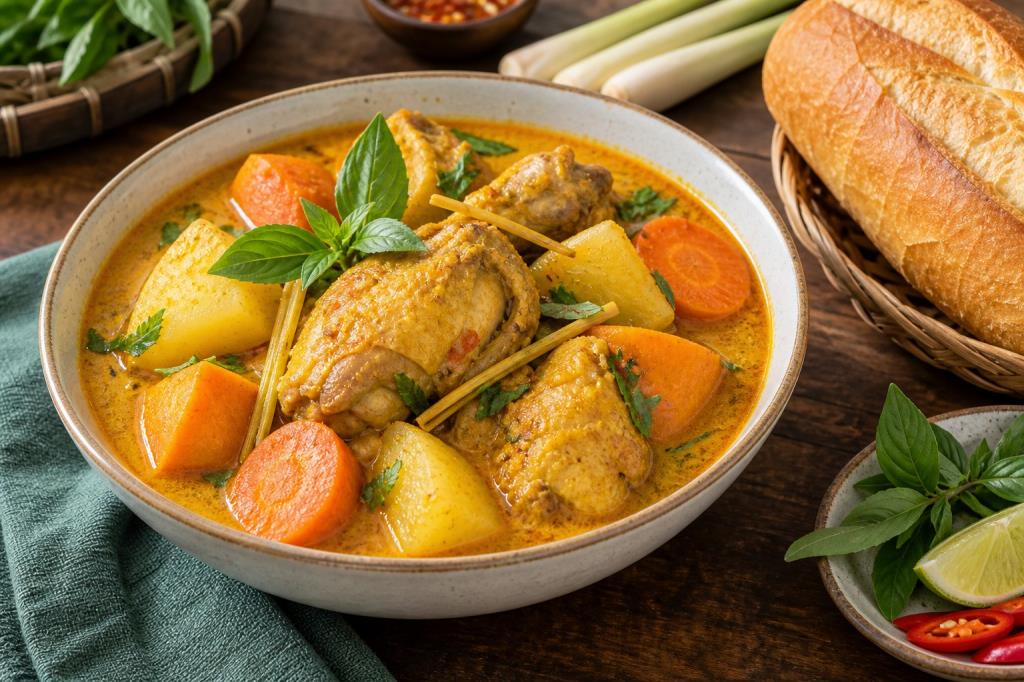 How to cook Vietnamese chicken curry: gently rich, tender meat and potatoes that hold together
Đăng nhập để bình luận: / Sign in to comment: