



Hue vegetarian food: why is something so plain still so layered in flavour?
Hue vegetarian food is not simply a meat dish with the meat taken out. Vegetables, mushrooms, beans, seeds and the way things are seasoned are arranged so the meal has its own colour, texture and rhythm of taste.
The base flavour comes from the vegetables and the technique
A broth can draw its sweetness from root vegetables, corn, mushrooms and cooking that is neither too long nor too short. Roasting, pan-searing, braising or steaming give the same ingredient different textures. Too much savoury seasoning easily covers the natural taste.
Tofu soft, fried or braised plays a different role each time. Mushrooms give aroma and chew, but not every kind is used in the same way. A good vegetarian spread balances something wet, something dry, vegetables and a source of plant protein.
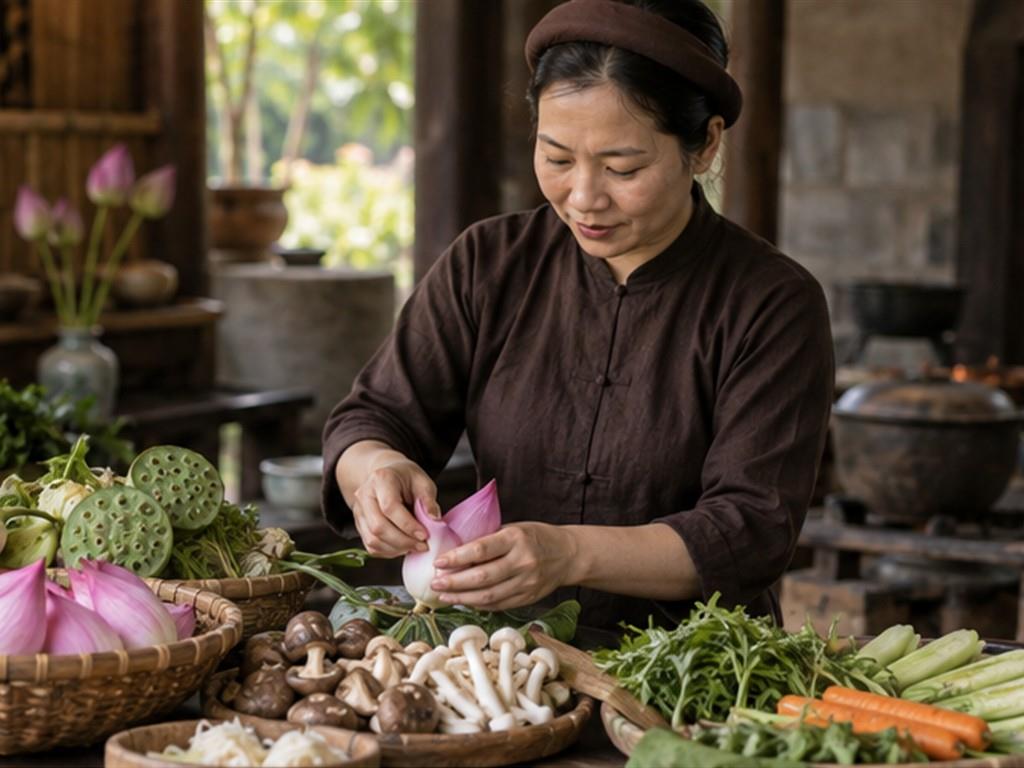
Refinement is not the same as showy elaboration
The carving and the arrangement are easy to notice, but the value does not lie in appearance alone. Small portions let you try many dishes, and at the same time require whoever is ordering to know when to stop so nothing goes to waste.
Do not assume that everything labelled vegetarian suits a vegan diet or an allergy. Ask about egg, dairy, honey, the broth and whether utensils are shared, if these things matter to you.
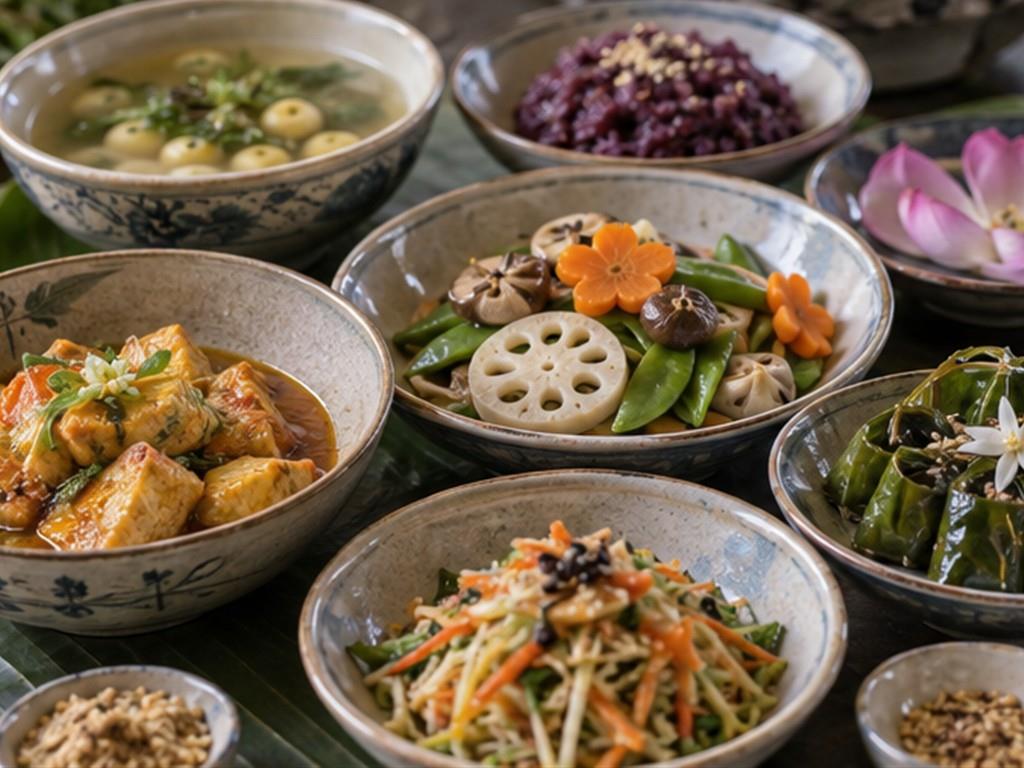
Vegetarian eating in the context of Hue
The habit of eating vegetarian on certain days creates steady demand for shops and markets. Every household practises it differently, though. Visitors should approach it with curiosity and not attach a religious meaning to everyone who eats vegetarian.
A quiet space and an unhurried way of serving usually add to the experience. That does not mean the place has to be grand. A simple meal still shows its care clearly, through the season of the vegetables and the way it is seasoned.
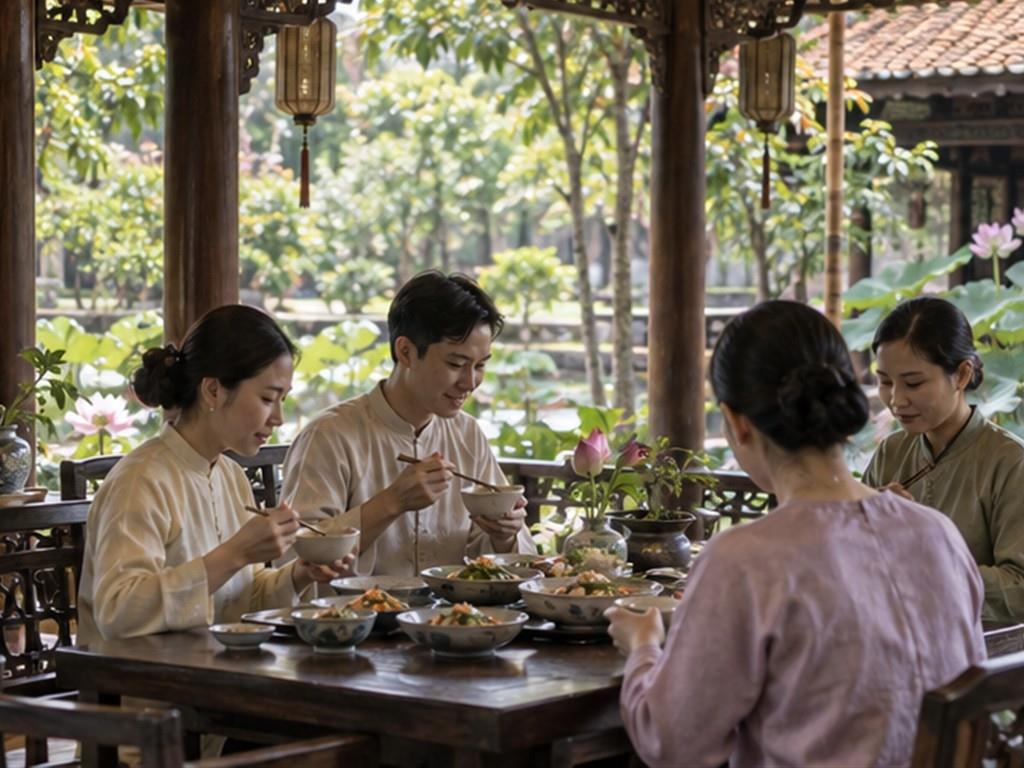
How to eat so as to understand a dish better
A local dish should be eaten in its proper structure: the main item together with the greens, the dipping sauce, the pickles or the rice, rather than pulling each element apart to judge it. Every household and every shop seasons differently, so one visit does not represent a whole region. A writer should describe the salt, the sweetness, the sourness, the heat, the aroma and the texture rather than simply saying whether it was good.
When choosing a place to eat, look at how the ingredients are kept, how clean the utensils are, the rhythm of service and whether hot dishes are made to order. Anyone with an allergy needs to ask exactly what is in things, the broth and the dipping sauce included. Prices change with the season, the location and the portion; asking beforehand is being prepared, not being rude.
Eat just enough, and respect the people who cook
Ordering in rounds keeps the food hot, cuts waste and gives you the chance to adjust. If you want to photograph a kitchen or a seller, ask permission and avoid blocking the way at busy times. Do not ask someone at work to repeat a movement just for a good picture while they are serving customers.
Food is sustained by the people who grow it, fish for it, transport it, sell it at market and stand at the stove. Favouring what is in season, cutting down on single-use items and giving specific feedback are small ways of keeping a visitor's experience from becoming a burden on the place they visit.
A practical way to begin
For two people, order one dish with broth, one made from beans or mushrooms and one seasonal vegetable dish, then share. Ask what is in them first and eat slowly to notice the textures, rather than trying to order as many small plates as possible.
Treat a plan as a frame of reference, check the details close to the date, and adjust it to your health, your budget and your actual circumstances. A good experience does not have to be perfect from the start; it needs to be clear enough to carry out and flexible enough not to become a pressure.
The richness of Hue vegetarian food lies in its ability to make humble vegetables feel complete, without having to imitate a meat meal.



 Bamboo-tube rice, grilled chicken and the fires of the Central Highlands: from the tube to the shared tray
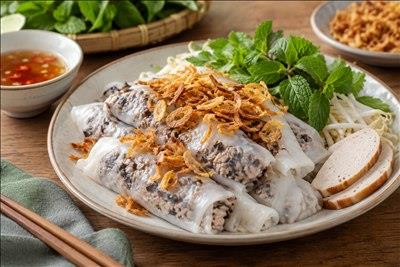 How to make banh cuon with pork filling: a thin, soft sheet that does not stick
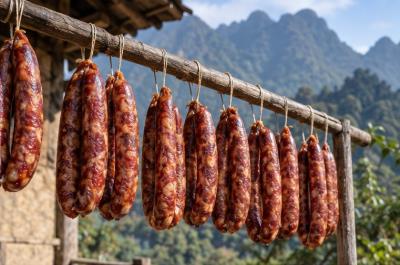 Cao Bang cured sausage: mountain sun, spices and a kitchen in the cold season
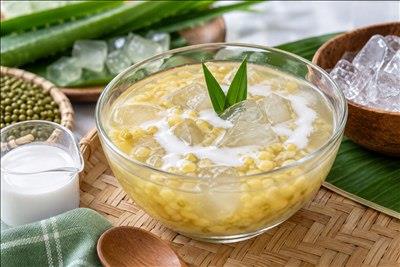 How to cook mung bean and aloe sweet soup: refreshing, with crisp aloe and no bitterness
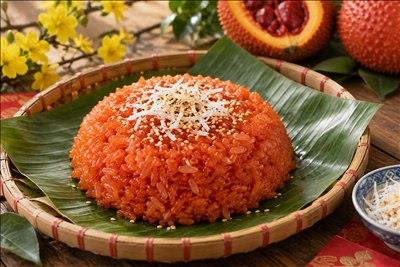 How to cook xoi gac: a beautiful red, chewy separate grains and never claggy
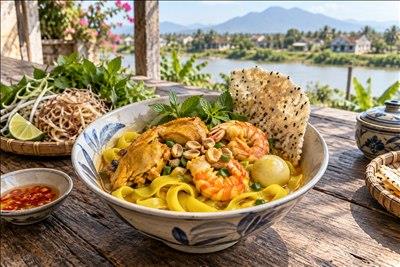 Mi Quang and the kitchens of Quang Nam: a bowl with little broth and a great deal of memory
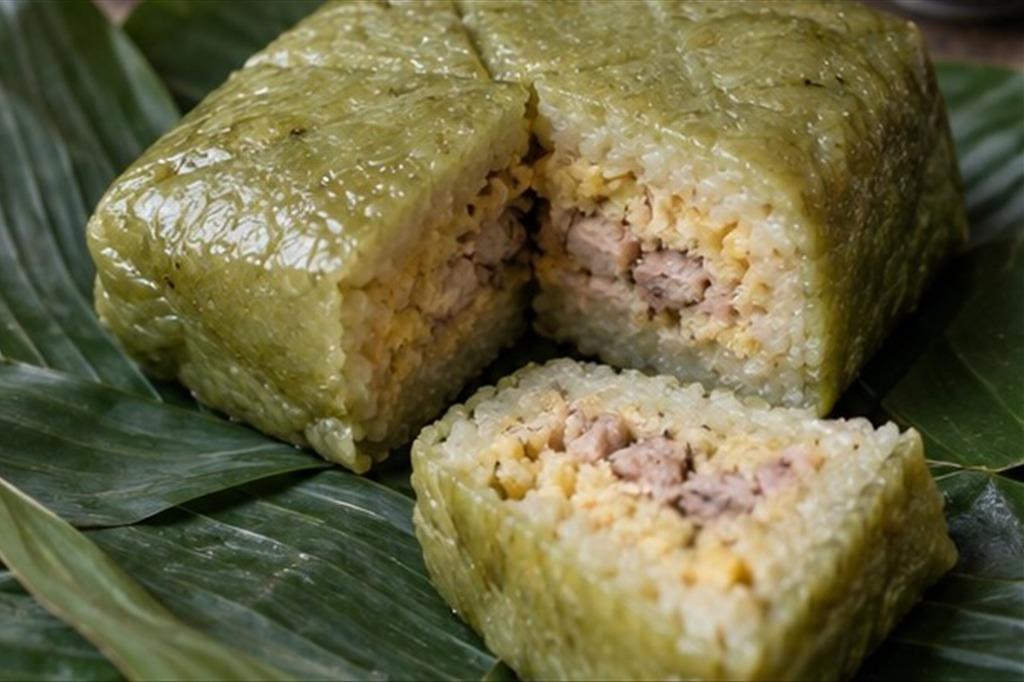 Bo Dau banh chung: the green square cake at the crossroads into Thai Nguyen
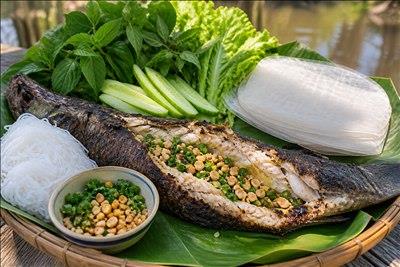 How to cook ca loc nuong trui: evenly done, juicy flesh and no taste of ash
Đăng nhập để bình luận: / Sign in to comment: