



The Cultural Beauty of Traditional Craft Villages in Nam Dinh
Along with the development of agricultural civilization thousands of years ago, Nam Dinh province is home to many traditional craft villages associated with the history of formation and development of each countryside region. The products of these craft villages are the crystallization and intersection of traditional and modern cultural values, bearing the distinct imprint and cultural identity of each locality.
It is no coincidence that Nam Dinh is known as the “land of a hundred crafts.” This place has seen hundreds of craft villages thrive since ancient times, once famous throughout the Son Nam Ha region. According to data from the Department of Industry and Trade, the province has 124 industrial and handicraft villages; among them, 17 traditional craft villages have a history of formation and development spanning hundreds of years, concentrated in ancient areas that preserve rich cultural heritage. Typical examples include: Tong Xa bronze casting, La Xuyen wood carving, Cat Dang lacquerware (Y Yen); Vinh Hao bamboo and rattan weaving (Vu Ban); Vi Khe ornamental plants, Ban Thach water puppetry, Giap Nhat turban making (Nam Truc); Co Chat silk reeling, Cu Tru cloth weaving (Truc Ninh); Van Ly salt making, Pham Phao brass horn making (Hai Hau); Sa Chau fish sauce, Bach Long salt (Giao Thuy)…
Each traditional craft village holds its own story, carrying deep humanistic significance and a unique beauty of the people of Nam Dinh.
Co Chat Silk Reeling Craft Village in Nam Dinh
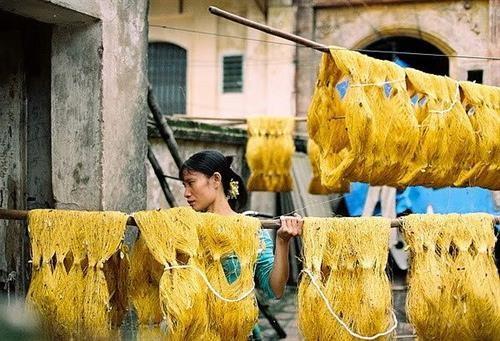
For a long time, silk reeling in Co Chat village (Phuong Dinh commune, Truc Ninh district, Nam Dinh) has been celebrated in folk songs, as it is the birthplace of the famous beautiful silk in the southern citadel region. In ancient times, sericulture in Co Chat was simple; locals used silk threads to weave nets for river fishing. Later, the people of Co Chat adopted silk reeling and silk weaving, which over centuries evolved into today's Co Chat silk village. The first impression upon stepping into this ancient village is seeing shiny skeins of yellow and white silk drying on bamboo poles everywhere. Co Chat weaving village, with its traditional craft, has contributed silk products that enhance the grace and charm of Vietnamese women.
The Famous Vi Khe Ornamental Plant Craft Village
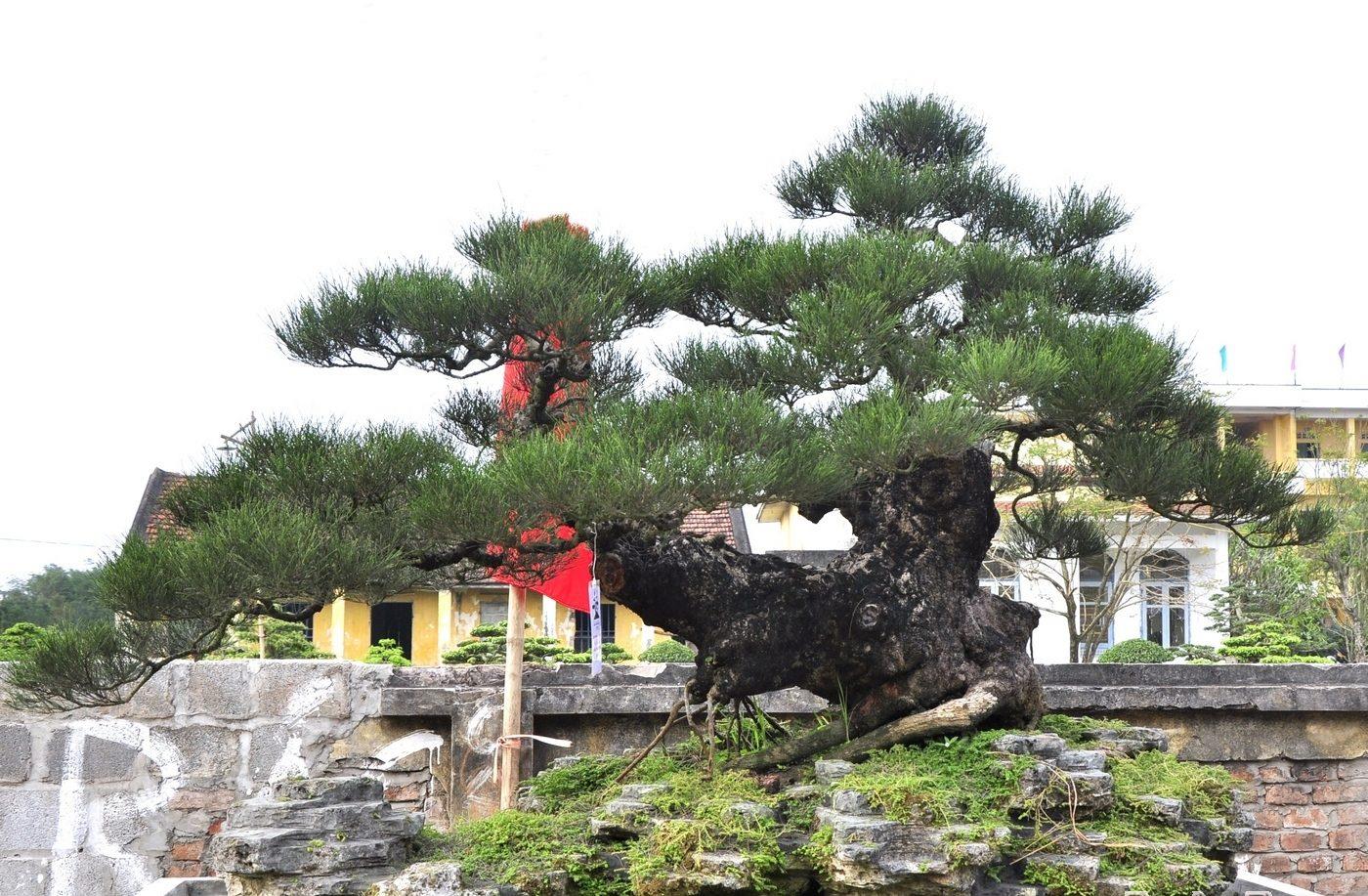
Vi Khe village belongs to Dien Xa commune, Nam Truc district. This village boasts a craft history of over 700 years. According to local elders, To Trung Tu, the founding ancestor of flower growing, came to Nguyen Gia Trang (now Vi Khe village) and found the land beautiful, fertile, and the people honest; he built a home there to visit occasionally. Moreover, he encouraged local residents to expand their agriculture and taught them how to grow flowers and ornamental plants for their livelihood. When the Tran Dynasty built the Tuc Mac Palace in Nam Dinh, Vi Khe flower village had the opportunity to thrive by supplying flowers to the royal court. Ever since, the flower craft here has continuously flourished.
Pham Phao Village: The Country's Only Brass Horn Craft Village in Nam Dinh
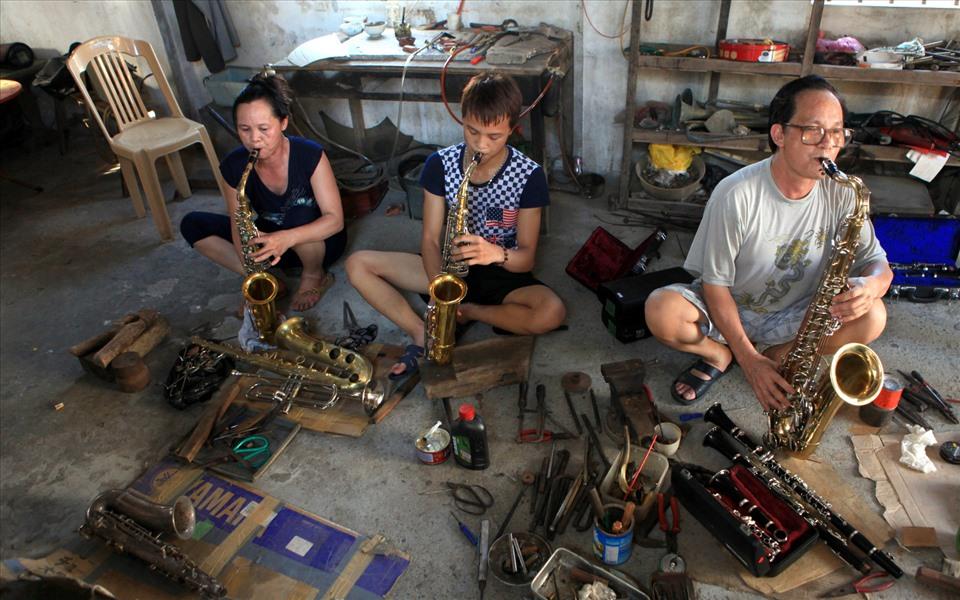
Pham Phao village, located in Hai Minh commune, Hai Hau district, Nam Dinh province, has long been famous across the S-shaped land for brass horn making, also known as “Western horn making.” Long-time familiarity with foreign-made brass horns eventually led the residents of Pham Phao (Nam Dinh) to self-learn how to repair and forge brass instruments themselves.
Tong Xa Bronze Casting Craft Village
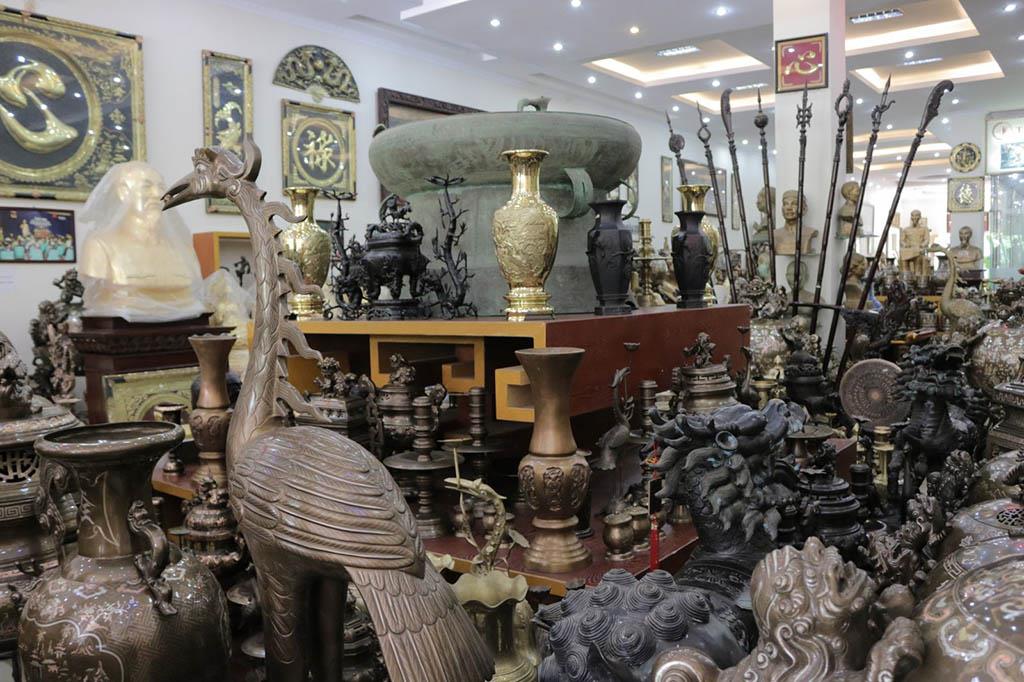
When mentioning Y Yen (Nam Dinh), many immediately think of Tong Xa bronze casting village in Lam town, with a rich history of over 900 years. It has produced generations of talented artisans and foundry workers creating highly artistic products such as incense burners, censer urns, Buddha statues, and more.
Giap Nhat Village: The Only Place in the North Still Making Traditional Turbans
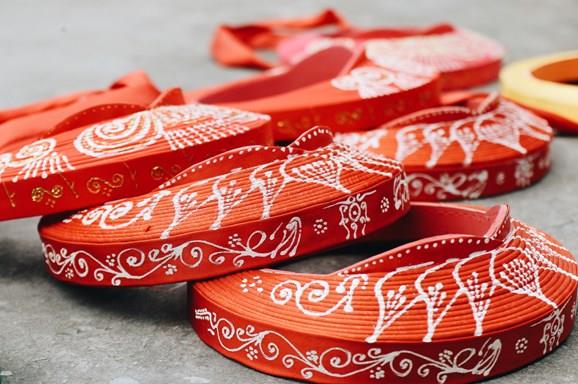
Located more than 20km from Nam Dinh city, Giap Nhat hamlet in Nam Giang town, Nam Truc district, is known as the only place in Northern Vietnam with the traditional craft of making folded turbans.
During festivals, weddings, longevity celebrations, or cultural exchange events at home and abroad, we often wear the traditional Vietnamese attire of folded turbans and tunic robes with special pride.
It is not difficult to find traditional craft villages making tunic robes across the country. However, regarding folded turbans, few people know that there is currently only one production center in the North: the Giap Nhat turban craft village in Nam Giang town, Nam Truc district, Nam Dinh province.
In Giap Nhat hamlet, nearly 200 households engage in turban making. The households split tasks, taking charge of specific production stages contracted by 7 major workshop owners. In the final stage, these workshop owners serve as hubs for finishing, distributing, and selling the products.
Sa Chau Fish Sauce Craft Village in Nam Dinh
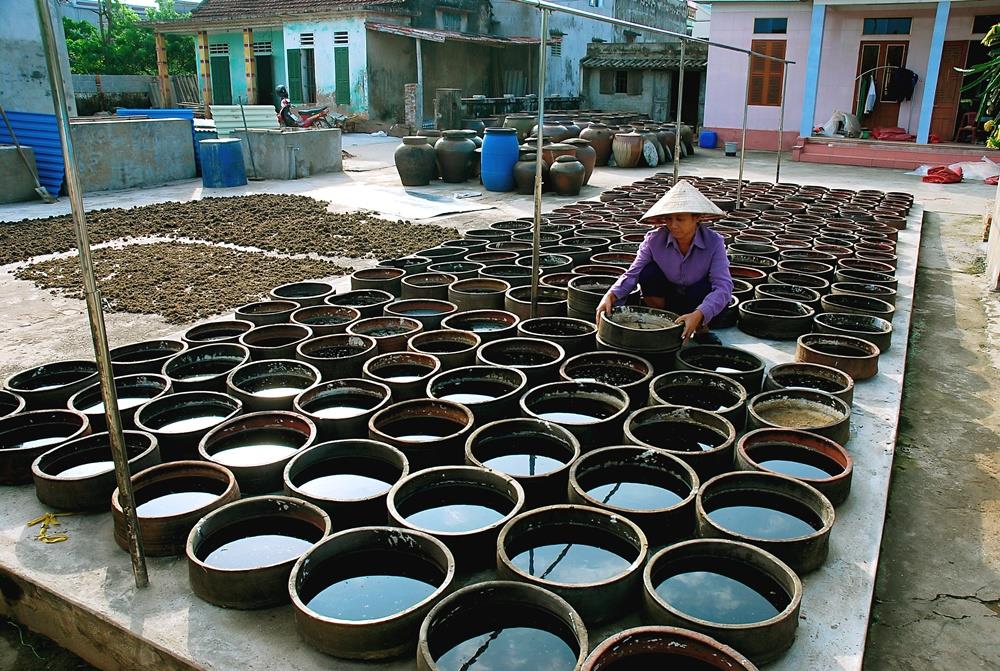
Goi village, also known as Sa Chau village, is located in Giao Chau commune, Giao Thuy district. Goi village's fish sauce has been famous since the reign of King Minh Mang. The scent of fish sauce fills the air throughout the village. Every household features rows upon rows of ceramic jars set out to dry around the yard. With more than one hundred households practicing the craft, the village's annual fish sauce production reaches up to 500,000 liters. The primary consumption markets for Sa Chau fish sauce are within the province and neighboring provinces such as Ha Nam, Thai Binh, and Ninh Binh.
Based on natural factors and local socio-economic development conditions, these craft villages have interconnected to form appealing tourist routes and destinations. These include community eco-tours offering exciting activities: experiencing life as a salt farmer on the Van Ly salt fields combined with admiring the beauty of the Hai Ly ruined church and enjoying coastal specialties (Hai Hau); visiting Sa Chau fish sauce craft village, experiencing homestays, and discovering indigenous culture through field trips to the Countryside Museum and Xuan Thuy National Park (Giao Thuy)…
Along with sightseeing and heritage experiences, visitors can learn about the origin and evolution of traditional craft villages. Each village possesses legends and preserved ancient records telling of its craft ancestors. For instance, in Van Chang village, Nam Giang town (Nam Truc), over 700 years ago, 6 master blacksmiths from Tien Mountain in the Tien Son Cultural Complex (now Trung Luong ward, Hong Linh town, Ha Tinh province) came to teach blacksmithing to 15 founding ancestors of local families: Doan, Tran, Vu, Do, Ngo, and others. During the anti-French resistance war, Van Chang blacksmiths forged swords, spears, machetes, and daggers for the military. Once the country gained independence and entered economic construction, the blacksmith village in Nam Giang town focused on manufacturing general items such as bicycle parts, kitchenware, agricultural tools, etc. Ban Thach village in Hong Quang commune (Nam Truc) boasts a water puppetry tradition spanning hundreds of years; generations of local artisans have crafted numerous puppets performing dozens of unique ancient folk plays. In Y Yen district, La Xuyen carpentry in Yen Ninh commune was formed nearly 10 centuries ago when General Ninh Huu Hung settled the area and taught the craft locally. He was the first founding ancestor and a renowned, talented master craftsman employed by both the Dinh and Le dynasties. Cat Dang lacquerware craft in Yen Tien commune is over 600 years old, taught by two founding ancestors, Ngo Duc Dung and Ngo An Ba—a district magistrate and a district military chief during the Dinh - Early Le dynasties who returned to the village after resigning from official posts.
The traditional craft village culture in Nam Dinh is closely tied to the daily life, customs, and practices of the local communities, expressed through village festivals honoring and remembering the craft founders. Therefore, creating spiritual-cultural tourism products linked with craft villages within festival spaces and historical-cultural relics serves as an attractive highlight on the tourism map of the ancient Son Nam Ha region. Every year, at the beginning of the new spring, visitors traveling to Nam Dinh for the Tran Temple Seal Opening Festival in Loc Vuong ward (Nam Dinh city) can combine their trip with a visit to the Vi Khe flower and ornamental plant craft village in Dien Xa commune (Nam Truc), participating in the traditional village festival held from the 12th to the 16th of the first lunar month at the Communal House dedicated to the Village Tutelary God and the craft ancestor To Trung Tu. In the third lunar month, when Phu Day in Kim Thai commune (Vu Ban) holds its festival, visitors can not only take part in the Mother Goddess worship festival but also visit the bamboo and rattan weaving craft village of Vinh Hao commune, immersing themselves in the village festival held at the same time, where the most distinctive feature is the bamboo splitting and mat weaving skill competition along with traditional cultural activities characteristic of the Northern Delta countryside.
Through many historical ups and downs, we can clearly appreciate the deep humanistic value, significance, and beauty of each traditional craft village created by earlier generations and preserved and promoted by descendants. They are not merely artisans, but true “firekeepers” of each craft village. Each traditional craft village in Nam Dinh possesses its own unique beauty. This is not only a source of pride but also a story of solidarity, labor, and creativity handed down through generations by our ancestors.



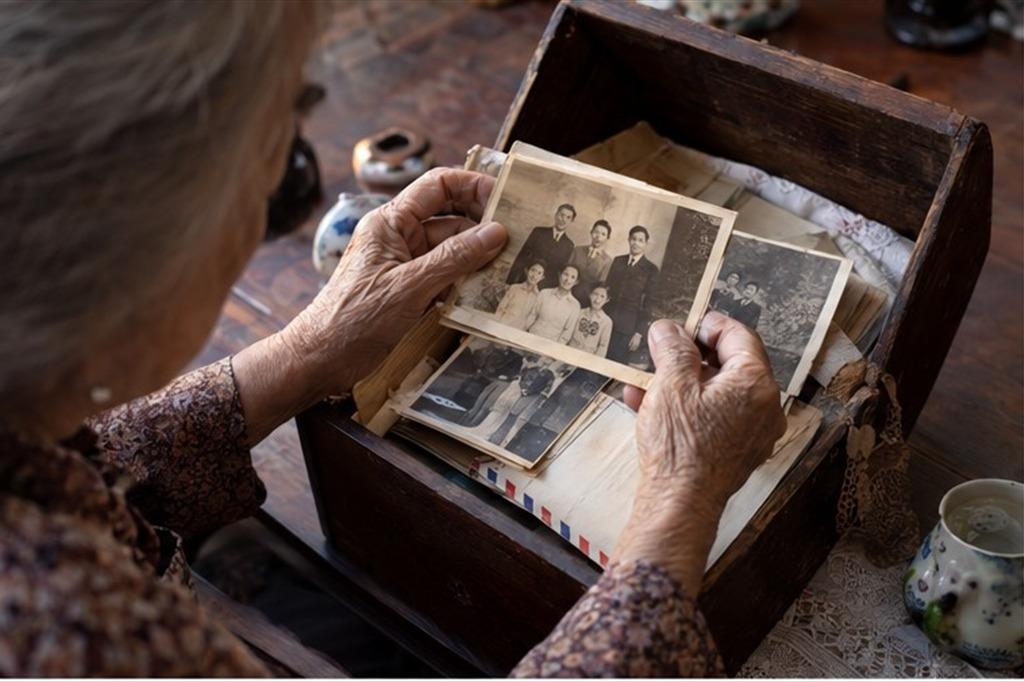 Letters, photographs and keepsakes: learning gratitude for earlier generations through family memory
 Easing neck and shoulder tension at a desk: adjusting your setup and changing position
 A city is clean and safe because of people who start their working day before we do
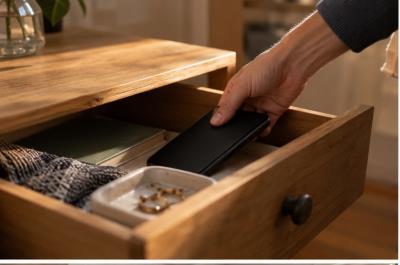 One phone-free hour a day: a small gap for returning to real life
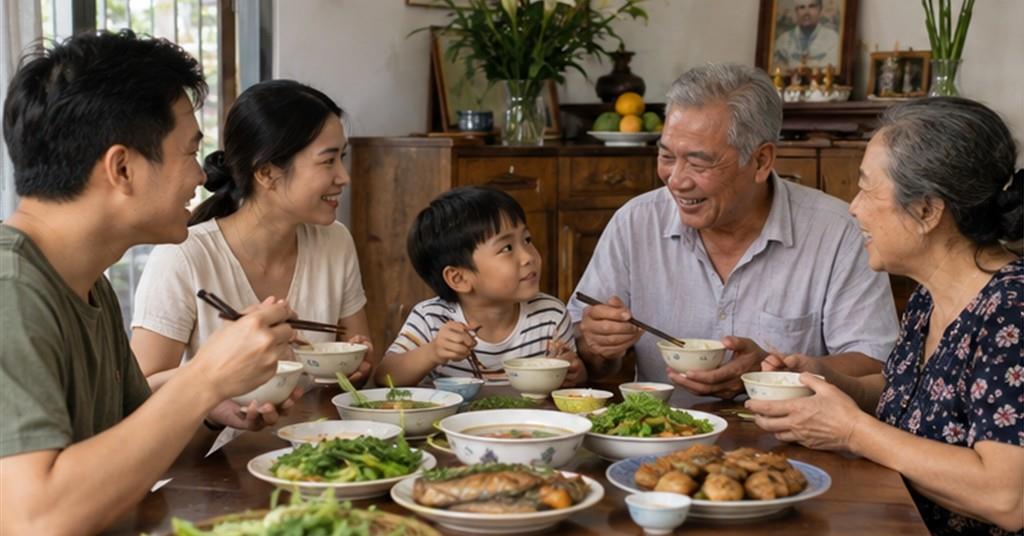 Small rituals that keep a family close inside a busy schedule
 Morning light and your sleep rhythm: building a steadier wake-up schedule
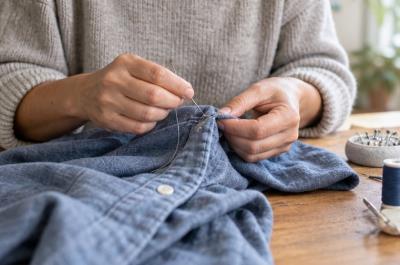 Repair instead of replacing in a hurry: a small habit for a sturdier home and less waste
 A happy family is not a family that never argues
Đăng nhập để bình luận: / Sign in to comment: