



From a greeting to a liveable neighbourhood: connecting with neighbours while keeping your privacy
Relationships with neighbours rarely begin with something big. A regular greeting, a heads-up before building work, or taking in a parcel can build a thin but important layer of trust. Closeness that lasts needs boundaries alongside it, because being friendly does not mean knowing everything private.
Townhouses, narrow lanes and apartment blocks rub up against each other in different ways, but all of them share sound, walkways, rubbish, parking and safety. When people only meet during a dispute, every sentence tends to come out defensive. Neutral interactions beforehand give a community the reserve of trust it needs to handle the hard things.
Quick facts
- First step: greet people and remember how they prefer to be addressed.
- Shared matters: noise, walkways, rubbish, safety and deliveries.
- Boundaries: do not probe, do not enter someone's home uninvited, do not post photographs of them.
- Channels of contact: short, clear and to the point.
- The goal: an easier place to live, not forced friendship.
A greeting creates safe recognition
A greeting in the corridor or at the end of the lane lets both sides recognise each other without requiring a long conversation. When you need to report a leak, a car blocking the way or a stranger who looks out of place, already knowing the face takes the tension out of the exchange. Introverts can take part perfectly well with a nod and consistency.
Small favours with limits
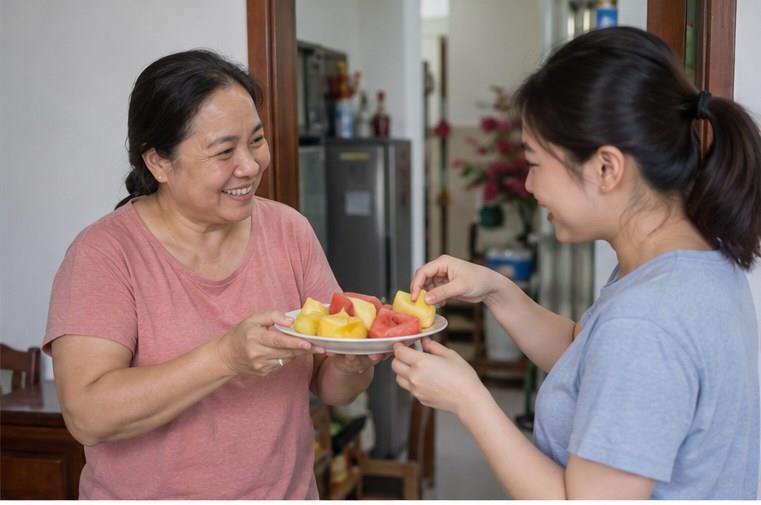
Taking in a parcel, watering plants for a few days or pointing someone to a locksmith are concrete favours. Agree the scope, the time frame and how things will be handed back; do not open the parcel, keep a key longer than needed, or let one favour turn into a standing obligation. Clear boundaries protect the kindness too.

Talk about noise with facts
Instead of labelling someone “inconsiderate”, name the sound, the time, the effect and a specific request. For example: the drilling at seven wakes the children, could it start after eight instead. If you are the one making the noise, say in advance how long it will last and leave a way to reach you if something comes up.
A group chat is not a living room without walls
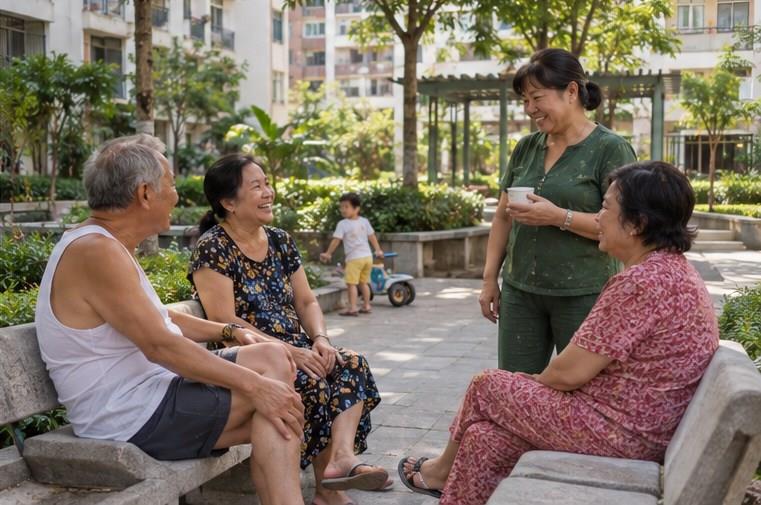
A community group is useful for alerts and shared business, but it easily becomes a place for passing on unverified claims or for arguments. Before posting camera footage, a number plate or someone's personal details, weigh the privacy involved and what you are trying to achieve. Sensitive matters are better handled in a private message or through the building management.
When a disagreement needs a third party
If speaking directly has been tried repeatedly without effect, or if there is a risk of confrontation, involve the residents' group, the management board or the appropriate authority. Keep a record of the facts rather than filming people secretly to shame them. Safety comes before any wish to settle things yourself; threatening behaviour belongs in official channels.
How to look at a living tradition
No region or community should be reduced to a single recipe. Ingredients, names and ways of serving shift with the season, the family, religion, occupation and patterns of migration. What is shared shows a history of exchange; what differs shows the capacity to adapt.
When you go and try it, use the right name for the dish and the region if you know them, listen to the people making it, ask before photographing private spaces, and avoid treating the word “authentic” as an absolute stamp. A new version still has value as long as it says what has changed and respects the people who keep the craft alive.
Common misunderstandings
Good neighbours have to be as close as family
A relationship that is courteous, dependable and respectful of boundaries is already a success.
Suffering in silence keeps the peace
Problems left to run usually build up; feedback that is early, specific and calm is far easier to deal with.
Practical suggestions and things to try
- Keep greetings brief but regular.
- Exchange names and one necessary way to get in touch.
- Give notice before building work or a party.
- Help within what you can genuinely manage.
- Do not share photographs or private matters belonging to another household.
- State the facts when you disagree.
- Bring in a third party when safety is at stake or the conversation is stuck.
Observation checklist
- What context, season and audience is being talked about?
- Which details are facts, and which are impressions or personal choices?
- How do the ingredients, tools or setting affect the outcome?
- Are there any safety, allergy, cost or privacy risks to check?
- What small thing could you try today and review later?
Important note
Do not confront anyone yourself where there are threats, violence or signs of a crime. Put safety first and contact the building management or the relevant authorities.
Conclusion
A liveable neighbourhood does not require everyone to be alike. It is made of small, predictable behaviours: greeting each other, giving notice, keeping your word and respecting a closed door. Trust grows slowly, and it is precisely that slow pace that makes it durable.



 One phone-free hour a day: a small gap for returning to real life
 Small rituals that keep a family close inside a busy schedule
 Morning light and your sleep rhythm: building a steadier wake-up schedule
 Repair instead of replacing in a hurry: a small habit for a sturdier home and less waste
 A happy family is not a family that never argues
 Do not only ask your child what they scored — ask whether they were happy today
 Siblings scattered in different places: how do you keep the bond from fading?
 A gentle walk after a meal: how to start in a way that stays safe and comfortable
Đăng nhập để bình luận: / Sign in to comment: