



Do not only ask your child what they scored — ask whether they were happy today
Marks give part of the picture about learning, but they do not describe a child's whole day. The question “were you happy today?” opens a door onto friendships, fears, curiosity and the things a child cannot yet put a name to.
The question decides the kind of answer
If parents only ask about marks, a child learns to report the number and hide everything else. Ask about the best moment, the hardest one, who helped them, or what they would like to do differently tomorrow.
Avoid firing questions the moment a child gets home. Let them eat, rest, and pick a calm time. Some children talk sitting face to face; others open up more easily while walking, drawing or working alongside a parent.

Listen before correcting
When a child tells you about a poor mark or a falling-out, the reflex to start explaining can close the conversation down. Reflect the feeling instead — “it sounds like you were disappointed” — and then ask whether they want to be heard, to be hugged, or to work out a solution together.
Do not promise absolute secrecy if the matter involves safety. A parent can say plainly that they will find someone to help, while still telling the child each step, so the child does not feel betrayed.

Achievement still matters, but it is not an identity
Look at marks to see which knowledge needs support, not to conclude that a child is lazy, weak or an embarrassment to their parents. Comparison with classmates can motivate in the short term but easily breeds lasting self-doubt.
Praise specific effort, study strategies and knowing when to ask for help. When a child does well, still ask whether they feel well and whether they have time to play. Success that comes with exhaustion is not a healthy goal for education.

Turning what you understand into something you can do
Change in a family rarely comes from one big conversation. It usually starts with small things repeated: setting aside a stretch of time without looking at a phone, asking one more question before concluding, or apologising as soon as you realise you have hurt someone. A sustainable practice has to be light enough for everyone to keep up, not a new duty that adds pressure.
Every family has its own history, character and limits. The suggestions here should be taken as a starting point for conversation, not a formula that makes everyone alike. When someone is not ready to talk, respecting the silence is also a form of care. The aim is not to create a perfect family but to make the relationships safer and more honest.
Love needs boundaries alongside it
Caring is not the same as controlling. Adults have a right to privacy, children have feelings that need to be heard, and carers need time to recover too. Clear boundaries keep giving from turning into silent sacrifice that builds into resentment. You can state a need in a short sentence, focus on the behaviour, and avoid absolutes like “always” or “never”.
If conflict keeps repeating, or there is violence, threats or serious harm to mental health, everyday advice is not enough. At that point, turning to a trusted relative, a mental health professional or an appropriate support service is the responsible choice. Asking for help is not a sign of failure; it is a way of protecting both yourself and the relationship.
A manageable way to begin
For seven days, replace the question about marks with three others: what was good today, what was hard, and what would you like us to do. Just take it in; hold off on advice unless your child asks for it.
What matters is choosing an approach that fits your actual circumstances, watching how it goes and adjusting. A good plan does not have to be perfect the first time; it needs to be clear enough to start and flexible enough to keep going.
A child who is asked about their happiness comes to understand that they are loved not only when they bring home good results, but also on the days when things did not go well.



 Easing neck and shoulder tension at a desk: adjusting your setup and changing position
 A city is clean and safe because of people who start their working day before we do
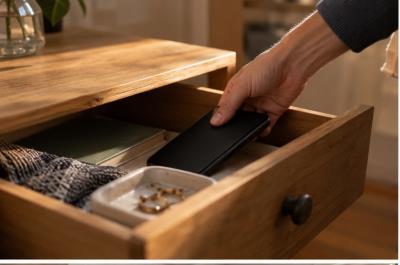 One phone-free hour a day: a small gap for returning to real life
 Small rituals that keep a family close inside a busy schedule
 Morning light and your sleep rhythm: building a steadier wake-up schedule
 Repair instead of replacing in a hurry: a small habit for a sturdier home and less waste
 A happy family is not a family that never argues
 Do not only ask your child what they scored — ask whether they were happy today
Đăng nhập để bình luận: / Sign in to comment: