



El Dorado: From the Muisca's Golden Ritual to the Dream of a City of Gold
El Dorado was originally closer to the image of a man covered in gold dust during a succession ritual than a city built entirely of gold. Through the accounts of the conquistadors, that objective gradually transformed into a city and then an entire kingdom of treasure.
On the highlands of present-day Colombia, the Muisca communities crafted many gold items for offerings and to express social relations, not simply using gold as currency. Colonial accounts tell of a new chieftain being covered in gold dust, taking a raft out to the middle of Lake Guatavita, and offering gold and precious stones into the water.
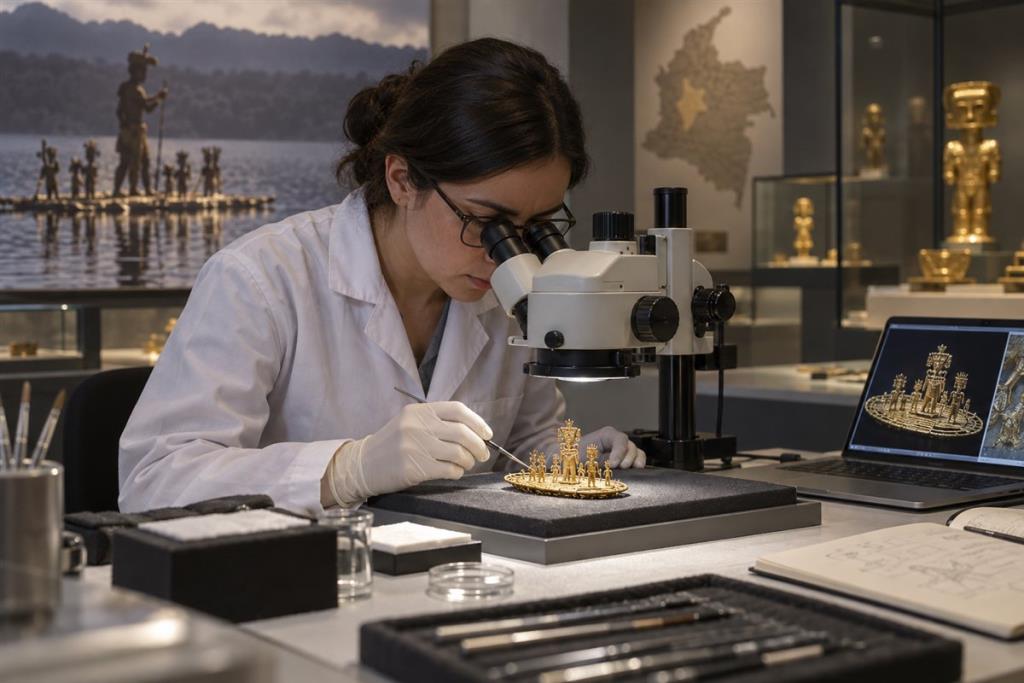
What does the Muisca raft confirm?
The gold alloy raft model currently kept at the Museo del Oro depicts a taller central figure surrounded by attendants. The artifact was found near Pasca rather than at Lake Guatavita, but it aligns with the ritual traditions mentioned in colonial sources. It proves a complex symbolic world; it is not a map leading to a gold hoard.
From "the gilded man" to a city
In Spanish, El Dorado means something close to "the gilded one". When expeditions failed to find the expected source of wealth, the legendary location was continuously pushed to other regions: from the Colombian highlands to the Orinoco basin and Guiana. The shifting of the target after each failure is a classic sign of an expanding legend, not stable coordinates.
What were the consequences of the searches?
Attempts to drain Lake Guatavita and expeditions deep into the continent cost fortunes and lives, and contributed to violence against indigenous communities. Gold was viewed through the lens of European accumulation, whereas for the Muisca, metalwork carried ritual and political functions. Ignoring this difference reduced the historical narrative to a mere treasure hunt.
Where lies the truth?
The rituals, metallurgy, and offerings are well-founded elements. The "city of gold", however, has no corresponding archaeological trace. The mystery worth exploring is not where the gold is hidden, but how a local ritual was mistranslated, exaggerated, and turned into the driving force for centuries of colonial exploration.
Unresolved questions
- Accounts of the rituals were recorded after colonial contact, so they need to be read alongside archaeological evidence.
- It is unclear whether every detail in the accounts of the gold-covered man was practiced at the same point in time.
- Many Muisca artifacts have lost their archaeological context due to looting and treasure hunting.
Conclusion
El Dorado has a credible historical core: Muisca rituals and gold offerings. But there is no evidence of a city of gold. Separating these two layers keeps the story fascinating without turning indigenous heritage into a mere backdrop for conquistador greed.



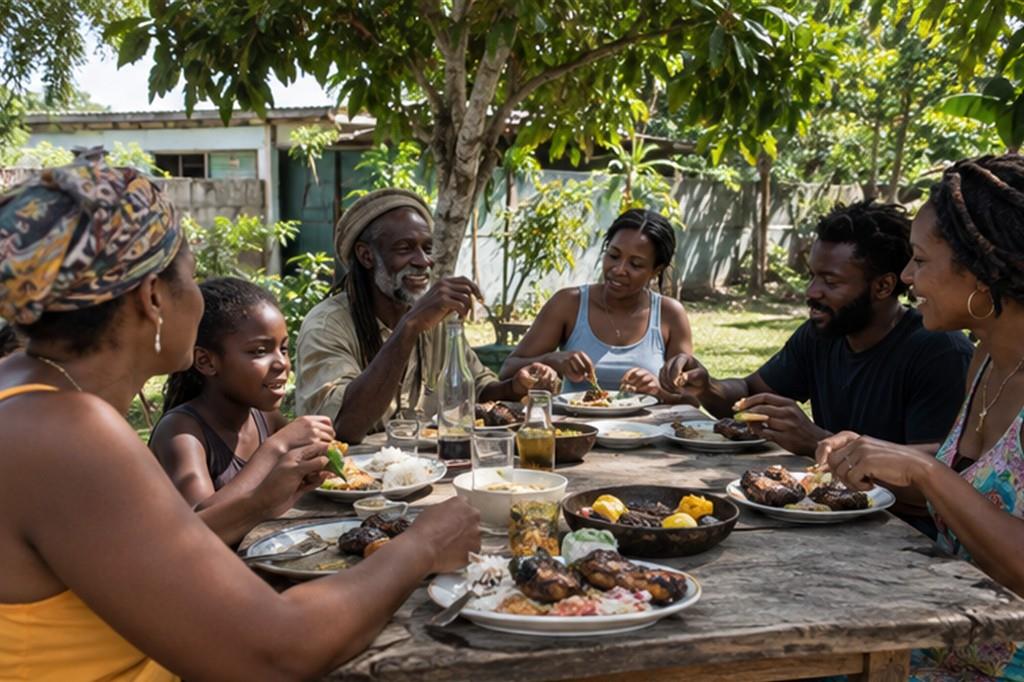 Jamaican jerk: the scent of pimento, the smoke pit and a community's living heritage
 Korean kimchi and banchan: the craft of fermentation and a table built on sharing
 Persian rice and tahdig: saffron, a crisp bottom layer and the sofreh
 Moroccan couscous and tagine: rhythm, hospitality and the flavours of North Africa
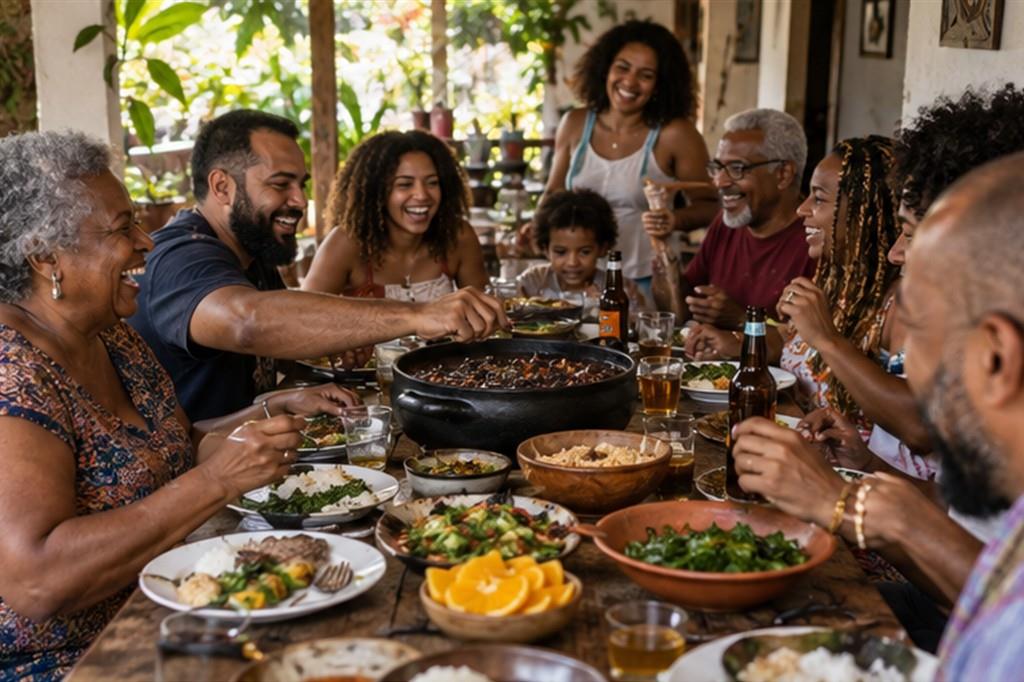 Brazilian feijoada: a pot of black beans, a weekend lunch and a story with many roots
 The Indian thali: a balanced tray that tells a regional story and a way of eating together
 Danish smørrebrød: the open sandwich and the art of composing a lunch
 Swiss raclette: melted cheese and a shared table in the cold season
Đăng nhập để bình luận: / Sign in to comment: