



The Indus Script and the Secrets of the Harappan Civilization
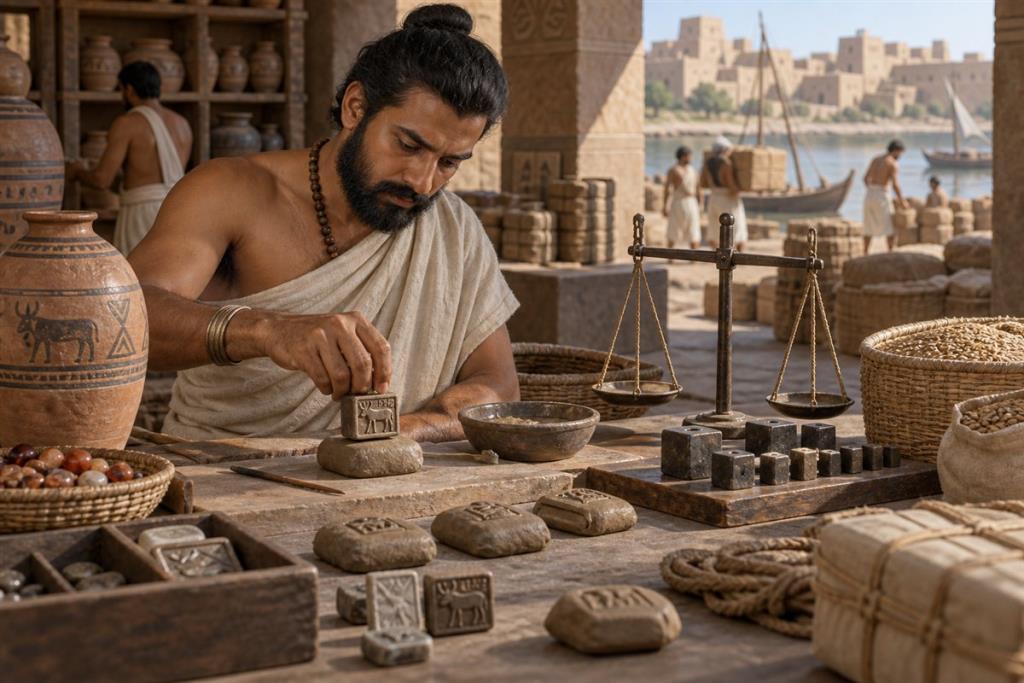
Thousands of seals and small tablets bearing symbols of the Harappan civilization have been found, but the extremely short sequences make language identification exceptionally difficult.
The Indus Valley Civilization flourished around 2600–1900 BCE in the region that is now Pakistan and India. Symbols appear on seals, tablets, pottery, and some trade items.
Verifiable Facts
1. Most symbol sequences are very short, usually just a few signs, with no long texts like chronicles or correspondence.
This fact helps narrow down speculation: a decipherment is only credible when it fits all artifacts, dating, symbol order, and archaeological or archival contexts. Finding a few words that seem to make sense is not enough to prove the entire system.
2. Certain symbols appear at the beginning or end positions with regular frequency, suggesting structure rather than random decoration.
This fact helps narrow down speculation: a decipherment is only credible when it fits all artifacts, dating, symbol order, and archaeological or archival contexts. Finding a few words that seem to make sense is not enough to prove the entire system.
3. Animal figures on the seals may relate to identity, office, goods, or rituals, but there is no certain way to assign meaning yet.
This fact helps narrow down speculation: a decipherment is only credible when it fits all artifacts, dating, symbol order, and archaeological or archival contexts. Finding a few words that seem to make sense is not enough to prove the entire system.
4. Harappan artifacts have appeared outside the core trade area, but no adequate bilingual text has been found.
This fact helps narrow down speculation: a decipherment is only credible when it fits all artifacts, dating, symbol order, and archaeological or archival contexts. Finding a few words that seem to make sense is not enough to prove the entire system.
5. Debate persists over whether the symbol system records a full language or represents non-linguistic administrative symbols.
This fact helps narrow down speculation: a decipherment is only credible when it fits all artifacts, dating, symbol order, and archaeological or archival contexts. Finding a few words that seem to make sense is not enough to prove the entire system.
Why Has It Not Been Deciphered Yet?
- The sequences are too short, allowing many different models to fit statistically.
- It is not known for certain what language the Harappans spoke.
- There are no continuous script descendants or bilingual texts for verification.
In historical cryptography, a lack of data is often more dangerous than a lack of computing power. Computers can try millions of keys, but they cannot automatically choose the right language, the right reading direction, and the right rules if those premises have not been established.
Main Hypotheses
Hypothesis 1
It records an ancient form of a Dravidian language.
Hypothesis 2
It is related to other languages in South Asia or West Asia.
Hypothesis 3
It is a system of symbols representing names, offices, commodity groups, and control rather than complete sentences.
What Is Often Exaggerated
No decipherment has achieved scholarly consensus. This topic is easily dragged into modern identity debates, so any linguistic connections must be presented as hypotheses, not conclusions.
A cautious approach is to separate three layers: what the artifacts directly show, what researchers reasonably infer, and what is merely popular imagination. These three layers can together make the story fascinating, as long as they are not conflated.
Conclusion
The value of a mystery lies not in choosing the most thrilling solution, but in the ability to test a hypothesis with independent data. Until a key, parallel texts, or a repeatable method emerges, this case must still be considered unresolved by consensus.



 Korean kimchi and banchan: the craft of fermentation and a table built on sharing
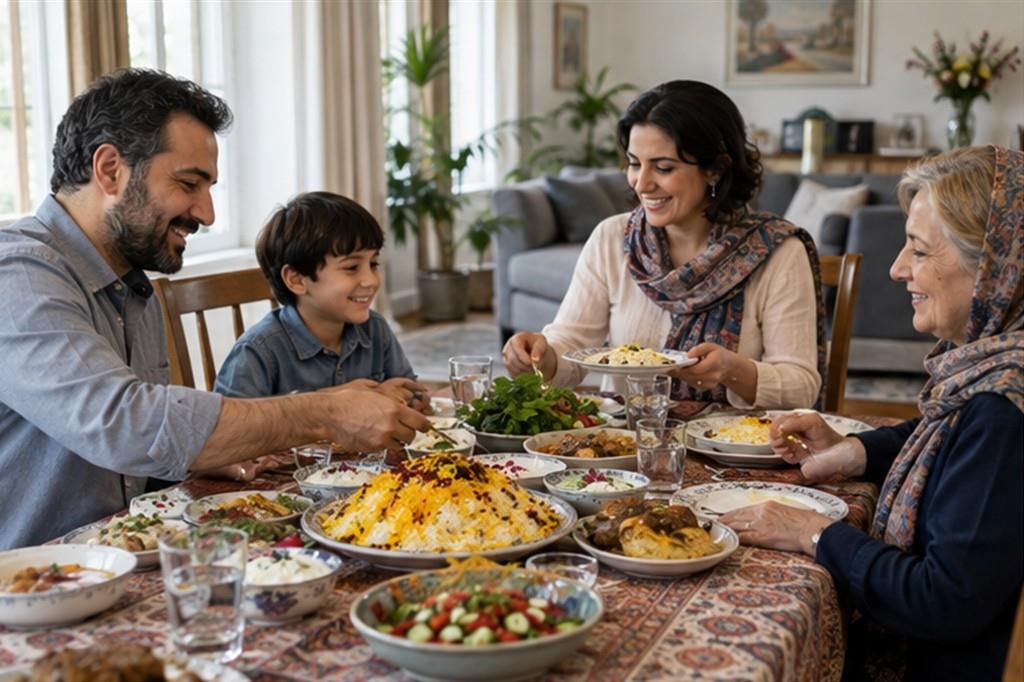 Persian rice and tahdig: saffron, a crisp bottom layer and the sofreh
 Moroccan couscous and tagine: rhythm, hospitality and the flavours of North Africa
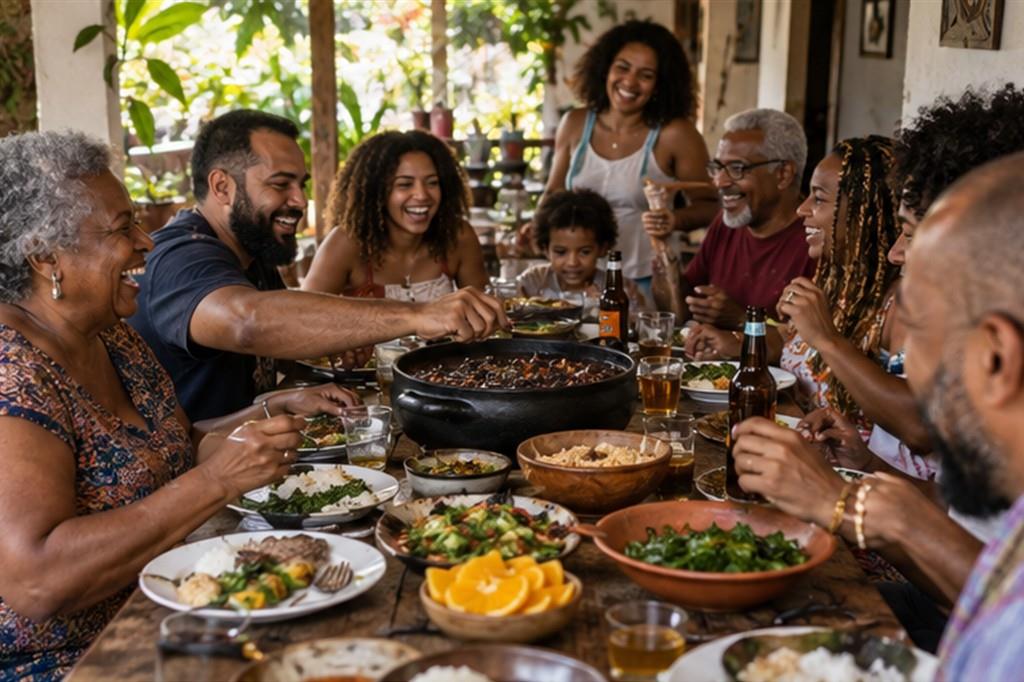 Brazilian feijoada: a pot of black beans, a weekend lunch and a story with many roots
 The Indian thali: a balanced tray that tells a regional story and a way of eating together
 Danish smørrebrød: the open sandwich and the art of composing a lunch
 Swiss raclette: melted cheese and a shared table in the cold season
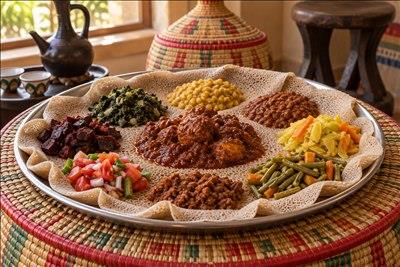 Injera in Ethiopia and Eritrea: the shared platter that binds a community
Đăng nhập để bình luận: / Sign in to comment: