



Northwest Wildflowers
Amidst the vast expanse of the Northwest forests, in the misty fog that seems to draw heaven and earth closer, somewhere along the roadside, amidst the wild grass, high atop treetops, or dangling from the rough bark of ancient trees, wild blossoms proudly stretch forth.

Some compare the scenery of the Northwest to a fairy-tale paradise, a harmonious blend of majestic endless mountain ranges and cool, clear streams, accented by the rustic, fragile, and exquisitely delicate touch of wild flowers. In every season, wild blossoms bloom brilliantly across forests that many assume are filled only with the peaceful green of vast foliage. Whether out of sentiment or deep affection, backpackers steadfastly insist that mountain flowers are more vibrant and beautiful than their lowland counterparts. Is it because Spring in the mountains is fresher? Summer more radiant? Autumn more brilliant? Or Winter more icy cold?
Indeed, for first-time visitors, the mountain scenery may seem familiar at first glance, but the further one ventures, the more wondrous it becomes. Meeting the highlanders at first might seem distant, yet the closer one gets, the warmer they feel. And the mountain flowers, though seemingly wild, grow more elegant and precious the more one comes to love them. Mountain flowers are much like mountain people: they must overcome countless hardships and challenges to survive, so once they bloom, they do so with vibrant brilliance and rich fragrance.
Every morning, as golden rays of sunlight pierce through the cold mist, the Northwest swiftly transforms into a poetic, romantic landscape.

Every season brings its own blossoms. In Spring, pure white plum and apricot blossoms, along with pink and crimson peach blossoms and ban flowers, adorn the hillsides... In Summer, mesmerizing purple Malabar gooseberry and rose myrtle blossoms enchant the eyes and heart... When Autumn arrives, forest patches and mountain slopes don a colorful coat woven from wild daisies, white daisies, and cosmos flowers... As Winter sets in, poinsettias and cockscombs bloom vigorously amidst the freezing weather...

Each region has its own distinctive blooms. Sa Pa is splendid and elegant with hundreds of brilliant wild orchid species. Delicate and wild buckwheat blossoms stretch across Ha Giang and Si Ma Cai. Dreamy and pure white plum blossoms and yellow mustard flowers blanket the Moc Chau plateau. Charming and fragile ban flower petals line every road leading to historical Dien Bien. Wild yet dazzling yellow wild sunflowers brighten rivers, streams, and villages, making the sunshine of Lai Chau clearer and warmer...

Quietly and unobtrusively, beggar-ticks and sensitive plants bloom all over mountain trails. Along roadsides and field edges, tiny, colorful grass flowers awaken to greet the warm sunlight... And countless nameless wild flowers of every hue patiently emit their fresh fragrance, embellishing the forest...
Living calmly and simply, as the crystallization of sun, wind, and morning mist, the wild flowers of the Northwest always exude a pure, alluring, fresh beauty, full of vitality and fragrant with the spirit of the vast mountain forests./.
Some compare the scenery of the Northwest to a fairy-tale paradise, a harmonious blend of majestic endless mountain ranges and cool, clear streams, accented by the rustic, fragile, and exquisitely delicate touch of wild flowers. In every season, wild blossoms bloom brilliantly across forests that many assume are filled only with the peaceful green of vast foliage. Whether out of sentiment or deep affection, backpackers steadfastly insist that mountain flowers are more vibrant and beautiful than their lowland counterparts. Is it because Spring in the mountains is fresher? Summer more radiant? Autumn more brilliant? Or Winter more icy cold?
Indeed, for first-time visitors, the mountain scenery may seem familiar at first glance, but the further one ventures, the more wondrous it becomes. Meeting the highlanders at first might seem distant, yet the closer one gets, the warmer they feel. And the mountain flowers, though seemingly wild, grow more elegant and precious the more one comes to love them. Mountain flowers are much like mountain people: they must overcome countless hardships and challenges to survive, so once they bloom, they do so with vibrant brilliance and rich fragrance.
Every morning, as golden rays of sunlight pierce through the cold mist, the Northwest swiftly transforms into a poetic, romantic landscape.
Every season brings its own blossoms. In Spring, pure white plum and apricot blossoms, along with pink and crimson peach blossoms and ban flowers, adorn the hillsides... In Summer, mesmerizing purple Malabar gooseberry and rose myrtle blossoms enchant the eyes and heart... When Autumn arrives, forest patches and mountain slopes don a colorful coat woven from wild daisies, white daisies, and cosmos flowers... As Winter sets in, poinsettias and cockscombs bloom vigorously amidst the freezing weather...
Each region has its own distinctive blooms. Sa Pa is splendid and elegant with hundreds of brilliant wild orchid species. Delicate and wild buckwheat blossoms stretch across Ha Giang and Si Ma Cai. Dreamy and pure white plum blossoms and yellow mustard flowers blanket the Moc Chau plateau. Charming and fragile ban flower petals line every road leading to historical Dien Bien. Wild yet dazzling yellow wild sunflowers brighten rivers, streams, and villages, making the sunshine of Lai Chau clearer and warmer...
Quietly and unobtrusively, beggar-ticks and sensitive plants bloom all over mountain trails. Along roadsides and field edges, tiny, colorful grass flowers awaken to greet the warm sunlight... And countless nameless wild flowers of every hue patiently emit their fresh fragrance, embellishing the forest...
Living calmly and simply, as the crystallization of sun, wind, and morning mist, the wild flowers of the Northwest always exude a pure, alluring, fresh beauty, full of vitality and fragrant with the spirit of the vast mountain forests./.



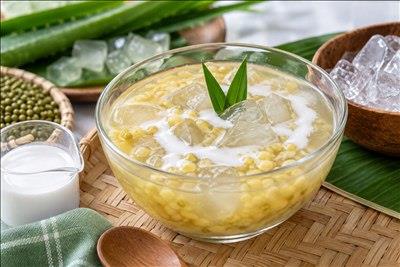 How to cook mung bean and aloe sweet soup: refreshing, with crisp aloe and no bitterness
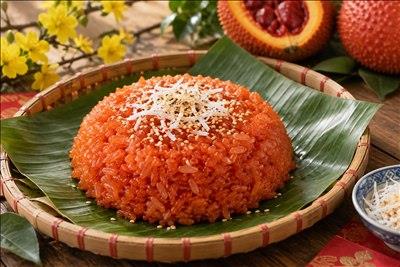 How to cook xoi gac: a beautiful red, chewy separate grains and never claggy
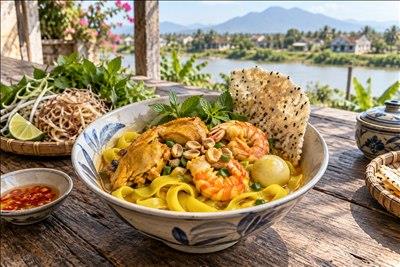 Mi Quang and the kitchens of Quang Nam: a bowl with little broth and a great deal of memory
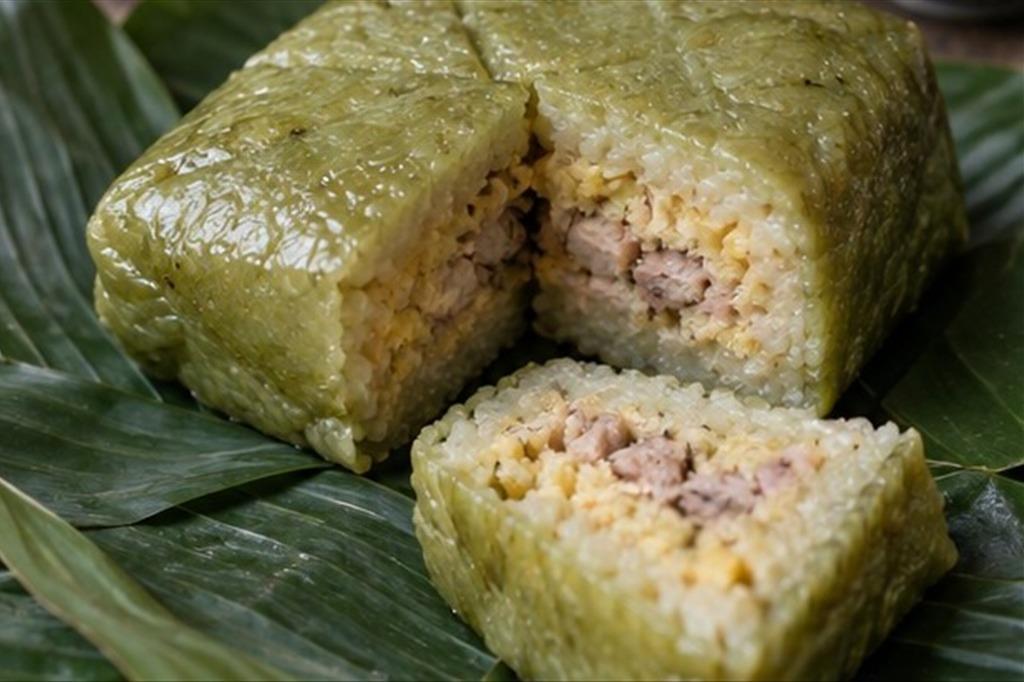 Bo Dau banh chung: the green square cake at the crossroads into Thai Nguyen
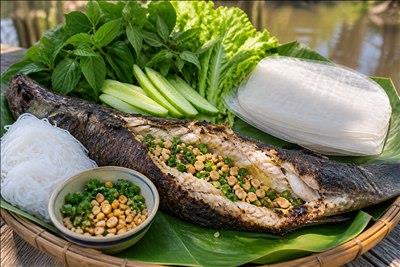 How to cook ca loc nuong trui: evenly done, juicy flesh and no taste of ash
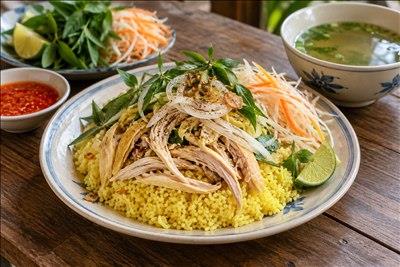 How to make Hoi An chicken rice: fluffy grains, juicy chicken and a crisp onion salad
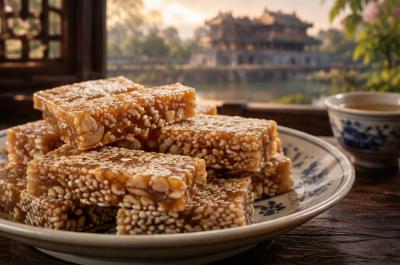 Me xung from Hue: chewy malt, toasted sesame and the slow rhythm of tea
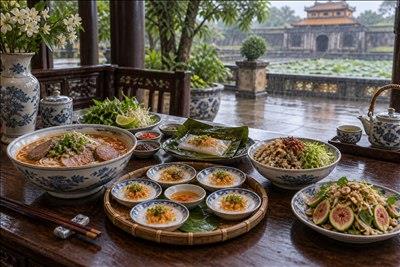 The food of Hue: where the royal kitchen, everyday dishes and small street stalls meet
Đăng nhập để bình luận: / Sign in to comment: