



The southern Vietnamese table: open-handed flavour from sour soup, braised fish and a basket of garden greens
The southern Vietnamese table tends to impress through its openness: a pot of sour soup, braised fish, a plate of greens and a bowl of dipping sauce set in the middle for everyone to share. The sweetness, sourness and saltiness, and the scent of the herbs, reflect a landscape of rivers and orchards and the adaptable rhythm of life in the south.
“The south” covers a wide area: cities, the eastern provinces, the Mekong Delta and many cultural communities. A meal in Tien Giang is not necessarily like one in Ca Mau or Saigon. The familiar dishes in this article are a way in, not a standard menu to be imposed on the whole region.
Quick facts
- Setting: the south-east, the south-west and the cities of the south.
- Flavour base: sour, sweet, salty and hot, balanced according to the dish and the household.
- Ingredients: fish, prawns, garden greens, sour fruit, coconut and fermented foods.
- How it is eaten: shared dishes in the middle, hot rice, and dipping sauce to adjust the flavour.
- Spirit: flexible with the water season, the market and whatever grows around the house.
Sour soup is a map of ingredients
The sourness can come from tamarind, wild grape, mangrove apple, fermented rice or something else depending on the place, and the greens change with the season. The fish goes in at the right moment so it is just cooked, and the aromatic herbs usually go in at the end. A good bowl is not merely “sweet and sour”: you can still pick out the layers of fish broth, sour fruit and herbs.
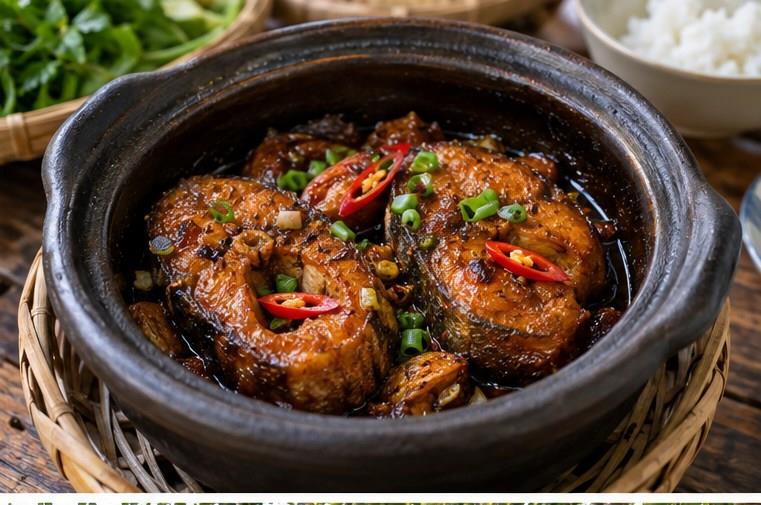
Braised fish and the value of a slow flame
A pot of braised fish turns a familiar ingredient into something you eat rice with, through seasoning soaking in and liquid reducing. A clay pot holds heat well but is not the only requirement; what matters is choosing fresh fish, cleaning it properly, packing the pot without crowding and managing the flame so the flesh does not break up. Each household's version differs in the caramel, the pepper, the chilli, the coconut water and how far they want it reduced.
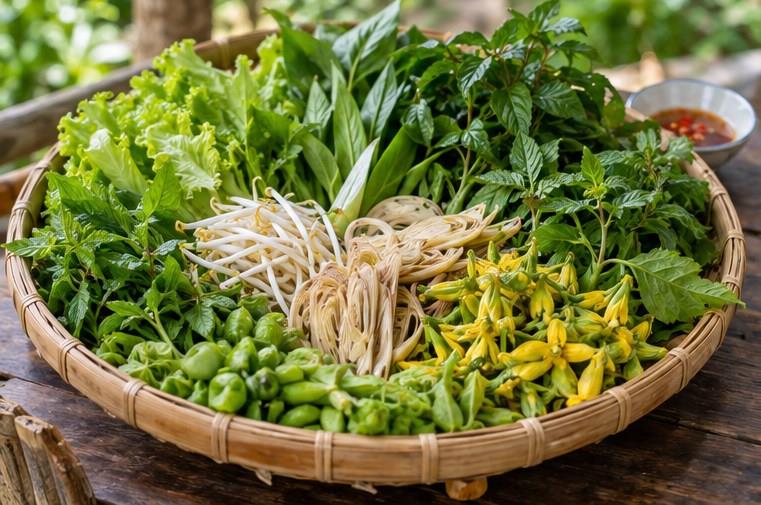
The basket of greens widens the table
Garden greens, field greens and seasonal blossoms bring freshness, bitterness, astringency or aroma to balance the braised dish. Identifying and preparing them is local knowledge; not everything that grows wild can be eaten. As water sources and the environment change, the safety of raw greens has to weigh as much as the charm of the phrase “from our own garden”.
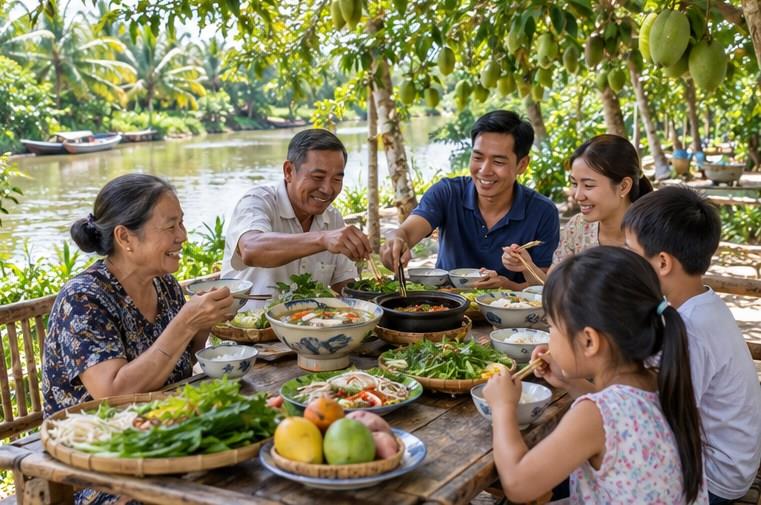
The dipping bowl is where everyone meets
Fish sauce, chilli, lime, garlic or a spoonful of the braising liquid lets each person adjust their own mouthful. A shared bowl expresses closeness, but a modern family may use separate bowls for hygiene or health reasons. Changing the crockery does not destroy the spirit of sharing, as long as people still look after one another around the table.
The water season and the ability to improvise
When the water changes, so do the fish, the blossoms and the greens. Drying, making fermented fish sauce, pickling and braising all extend how long things last. Southern cooking is therefore not only about bold flavour but about the capacity to improvise with the environment; today that story of sustainability also has to account for pressure on water supplies and a changing climate.
How to look at a living tradition
No region or community should be reduced to a single recipe. Ingredients, names and ways of serving shift with the season, the family, religion, occupation and patterns of migration. What is shared shows a history of exchange; what differs shows the capacity to adapt.
When you go and try it, use the right name for the dish and the region if you know them, listen to the people making it, ask before photographing private spaces, and avoid treating the word “authentic” as an absolute stamp. A new version still has value as long as it says what has changed and respects the people who keep the craft alive.
Common misunderstandings
Southern dishes are always very sweet
Tastes differ by area and by household; sugar is only one component in the structure of flavour, not a measure of identity.
Wild field greens are always safe
The water source, pesticides and the ability to identify a plant all matter. Unfamiliar greens need confirmation from someone experienced.
Practical suggestions and things to try
- Taste the soup before adding sugar or fish sauce.
- Use fish that is in season and legally sourced.
- Wash the greens properly and drain them before serving.
- Ask what is in the fermented sauce if you are allergic to fish or prawns.
- Order for the number of people and avoid an oversized spread.
- Learn the local names of the sour fruits and the greens.
- Do not take one restaurant's seasoning as representative of the whole region.
Observation checklist
- What context, season and audience is being talked about?
- Which details are facts, and which are impressions or personal choices?
- How do the ingredients, tools or setting affect the outcome?
- Are there any safety, allergy, cost or privacy risks to check?
- What small thing could you try today and review later?
Important note
Fish dishes, fermented sauces and seafood can contain allergens; anyone who needs to limit sodium should adjust the dipping sauce and the braised dishes.
Conclusion
The southern table draws you in through its ability to bring the landscape to the meal: sourness from fruit, fish from the rivers and the sea, greens from around the garden, and the techniques that carry food through the seasons. Its generosity is at its best in how people invite one another to take just enough, and look after the source together for the days ahead.


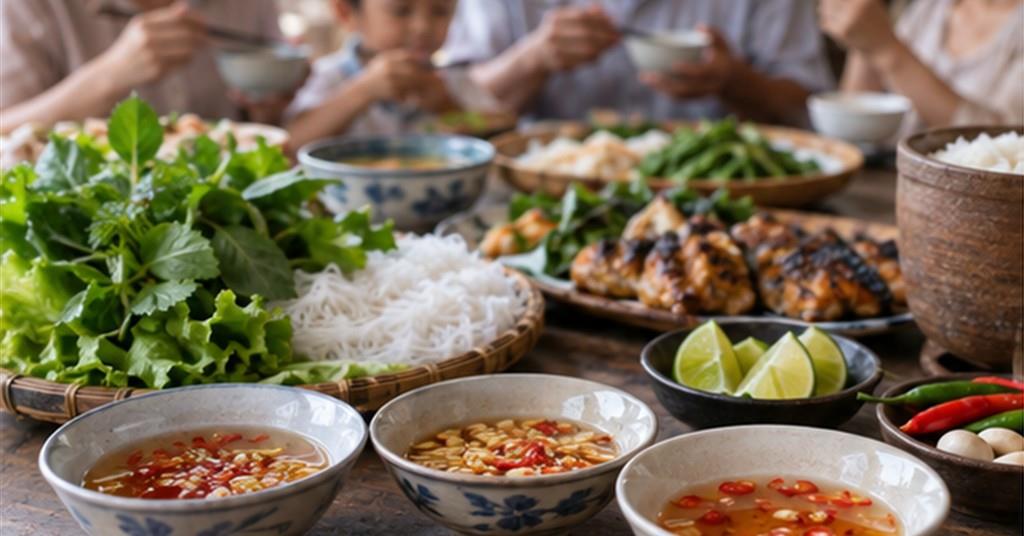 Fish sauce on the table across the three regions: from how it is mixed to what it is eaten with
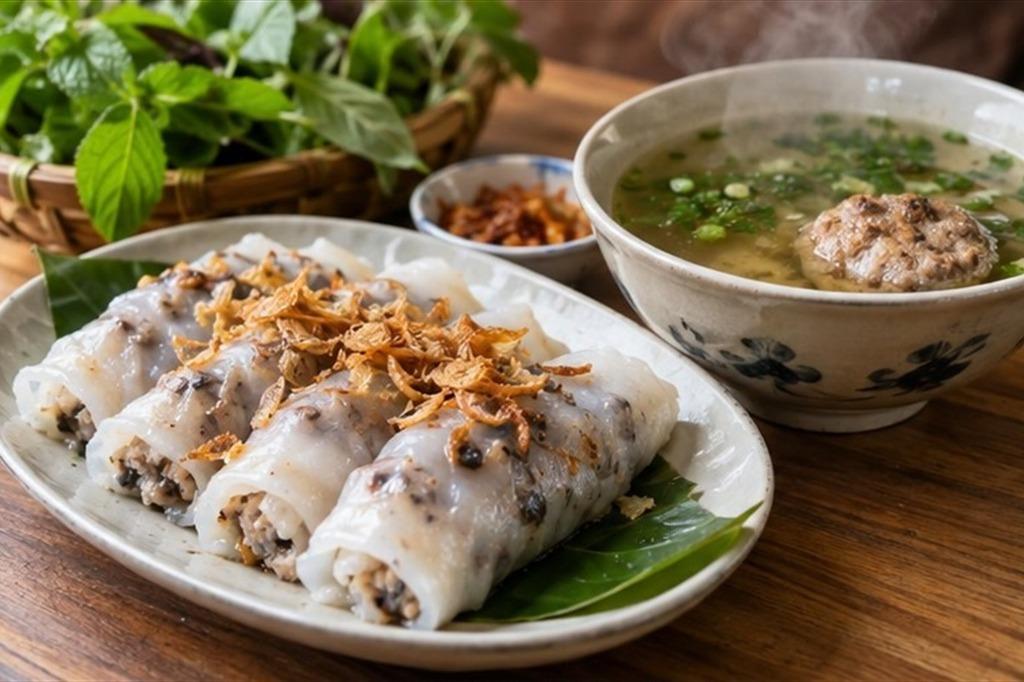 Cao Bang banh cuon: a thin rice sheet eaten with a bowl of hot broth on the frontier
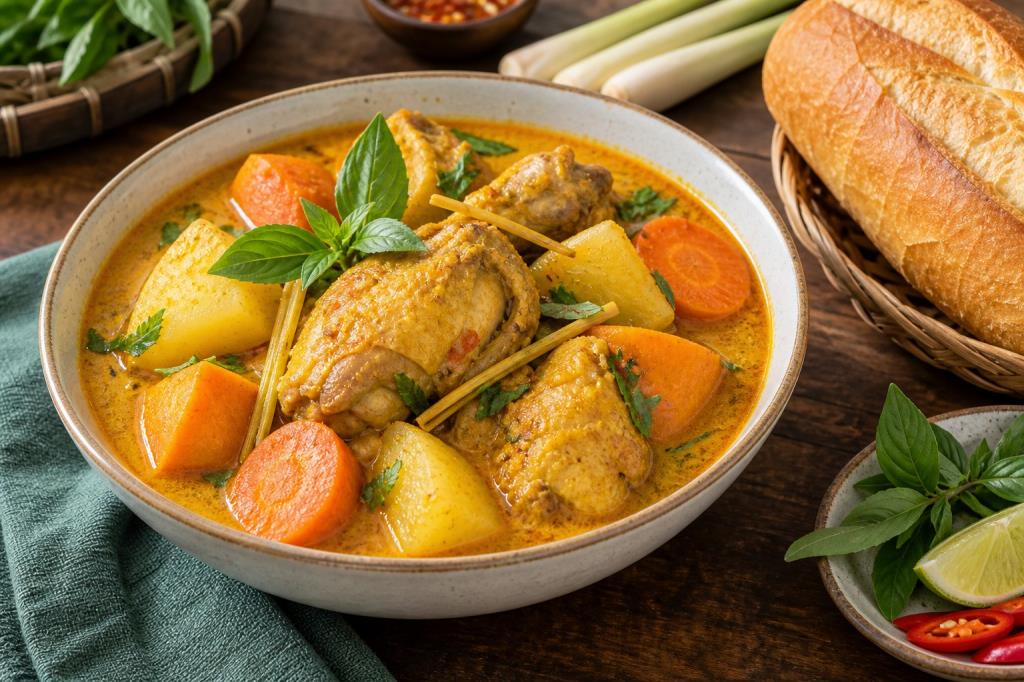 How to cook Vietnamese chicken curry: gently rich, tender meat and potatoes that hold together
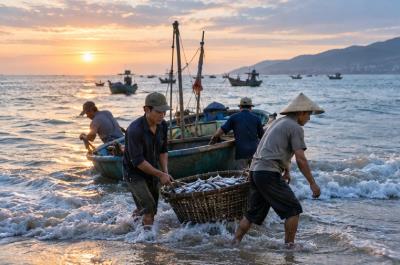 The coastal kitchen of central Vietnam: grilled fish, fermented sauce and getting through the storm season
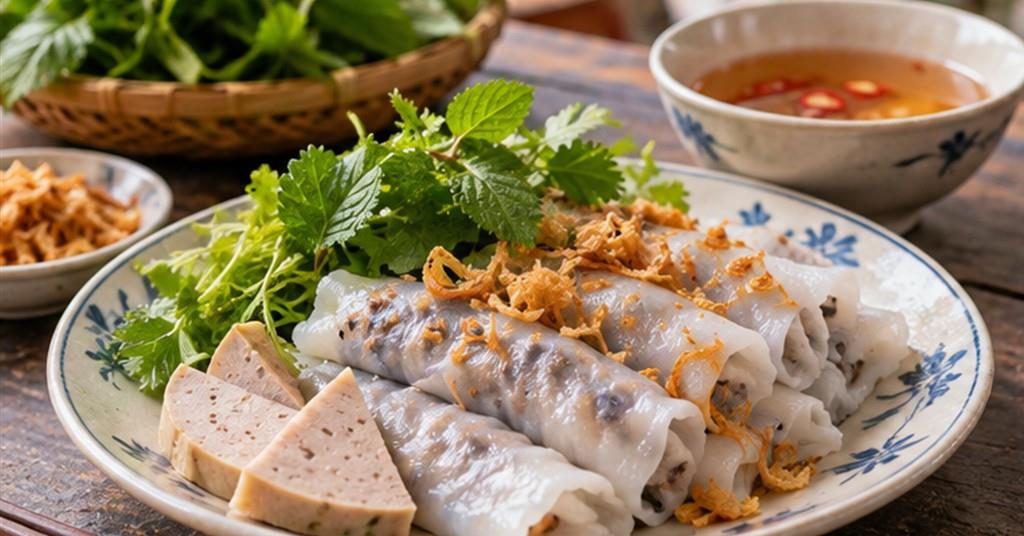 Bánh cuốn across the three regions: the same thin sheet, a different way of eating it
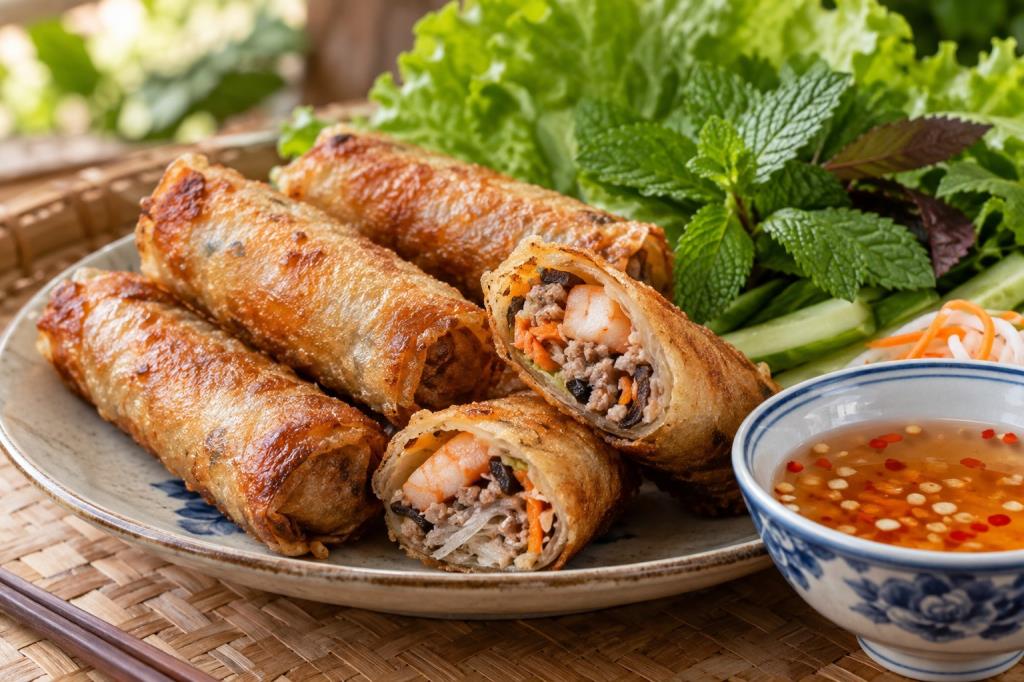 How to make cha gio that stays crisp, with an evenly cooked filling and no split wrappers
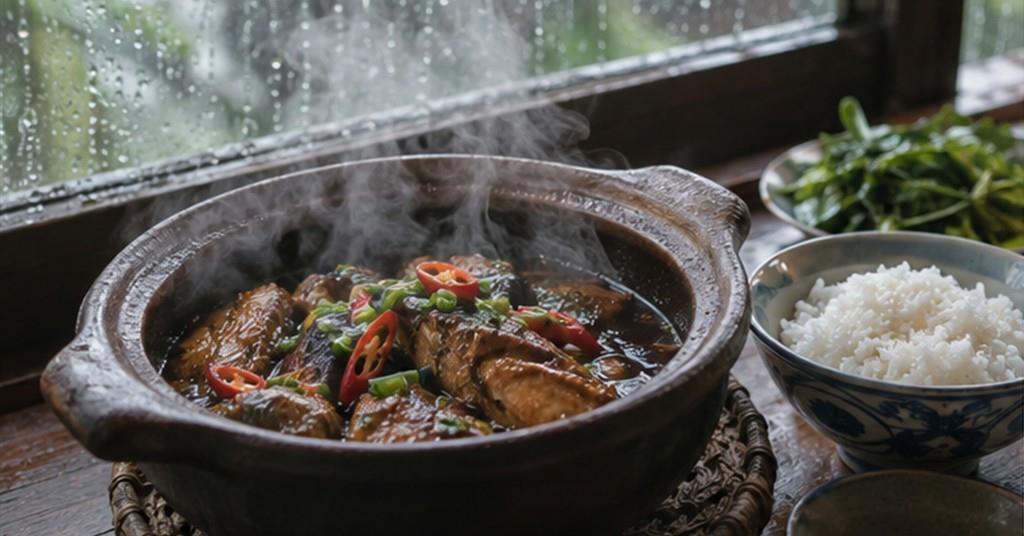 What is it about a Vietnamese rainy-season meal that people far from home never forget?
 Banh cay from Thai Binh: from toasted sticky rice and malt syrup to a sweet beside the teacup
Đăng nhập để bình luận: / Sign in to comment: