



Characteristics of Northern Vietnamese Cuisine
Vietnam is divided into three geographical regions: North, Central, and South. Although they share common traits in their dining styles, each region retains distinct characteristics, creating a unique signature that is unmistakable.
[i]Northern cuisine is characterized by its elaborate sophistication[/i]
A key feature of Northern Vietnamese cuisine is that it is generally not as spicy, fatty, or sweet as that of other regions; dishes have a balanced flavor, not overly strong, yet are vibrant in color. It primarily uses diluted fish sauce, shrimp paste, many vegetable dishes, and readily available freshwater seafood such as shrimp, crab, fish, clams, mussels, etc. Overall, due to an ancient tradition of poor agriculture, Northern cuisine in the past rarely featured dishes centered heavily on meat and fish.
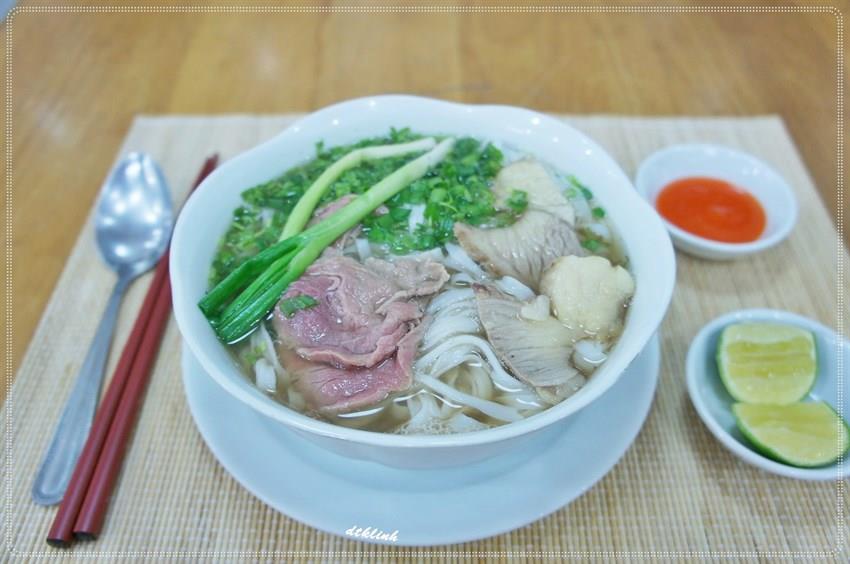
[i]Pho[/i]
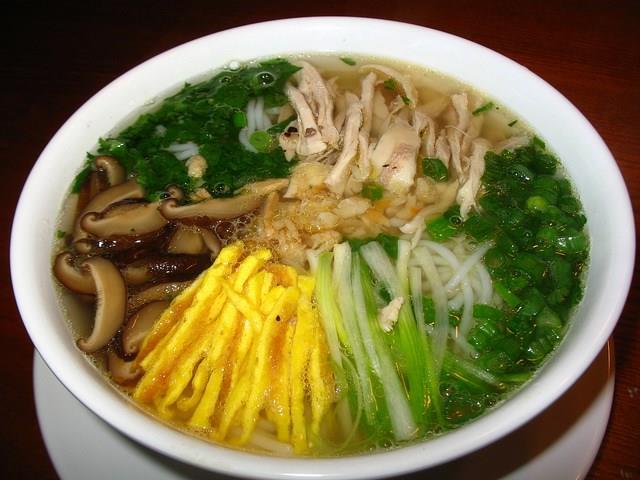
[i]Bun Thang[/i]
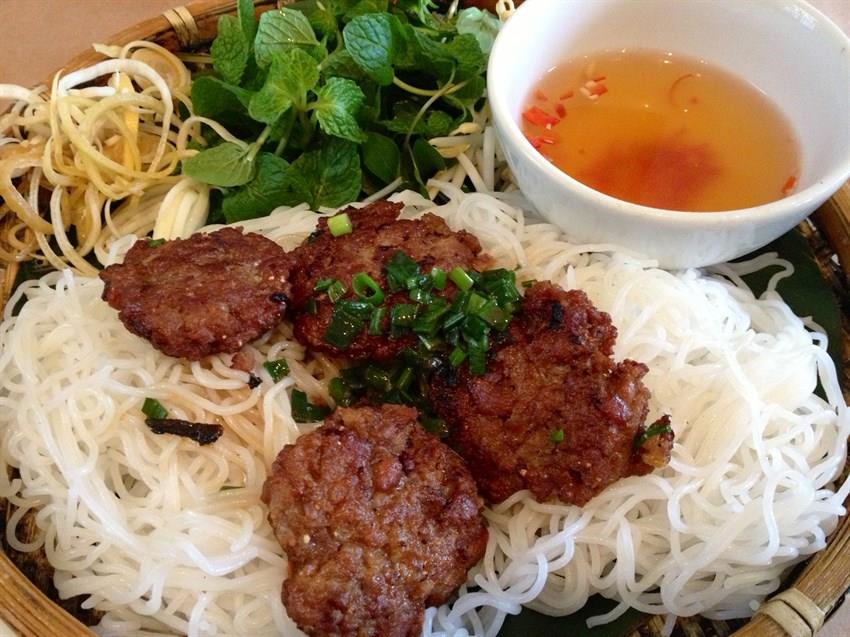
[i]Bun Cha[/i]
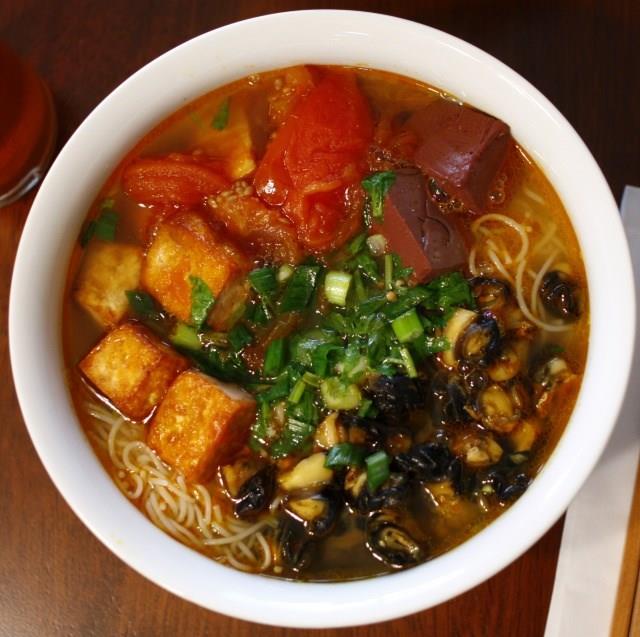
[i]Bun Oc (Snail Noodle Soup)[/i]
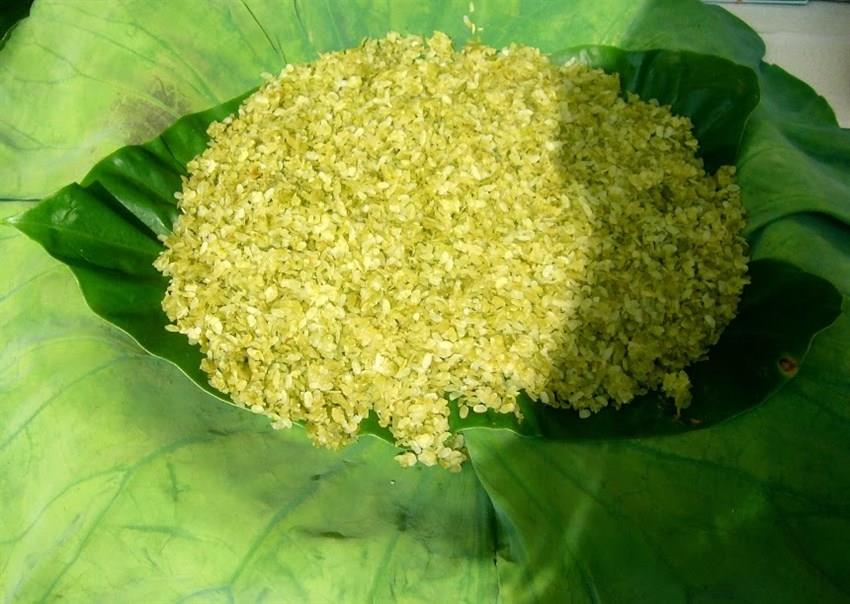
[i]Com Lang Vong (Vong Village Green Rice Flakes)[/i]
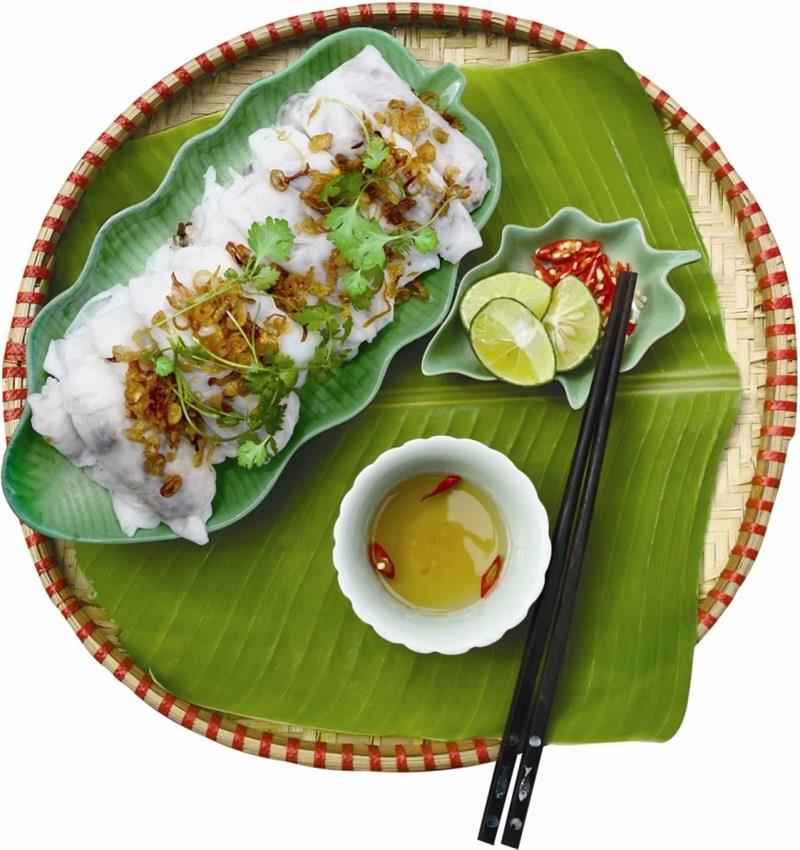
[i]Banh Cuon Thanh Tri (Thanh Tri Steamed Rice Rolls)[/i]
Northern cuisine deeply reflects the character of a long-standing culture. Coming to the destination that was once the capital of many dynasties, Hanoi is regarded as the essence of Northern cuisine with delicious dishes like pho, bun thang, bun cha, bun oc, Vong village green rice flakes, Thanh Tri steamed rice rolls, and unique seasonings such as giant water bug essence and Lang basil.
Northern cuisine not only carries a very distinctive character, but each dish also bears the imprint and trait of different localities, demonstrating skillful preparation, elaborate decoration, and refined appreciation. It is no coincidence that people of the past coined the saying eat Northern, dress Capital, perhaps because Northern dishes have a mild, delicate taste, are not harsh, and above all, respect the natural flavor of the ingredients.
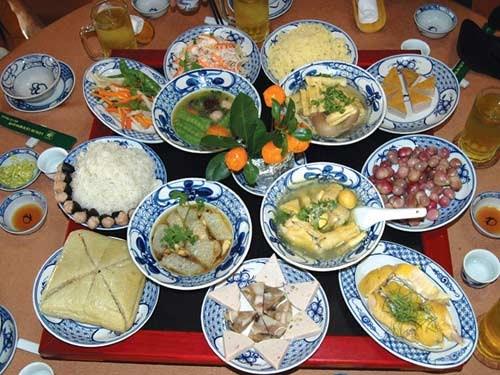
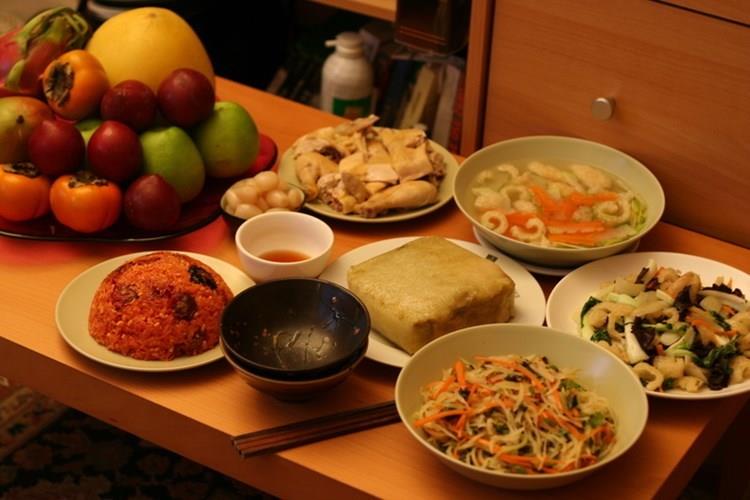
This stems from meticulousness, skill, and detail in cooking; especially during holidays and Tet, this ingenuity is showcased even more clearly with lavish banquets, where each tray must traditionally feature four bowls and six plates that are elaborately prepared, delicious, and eye-catching.
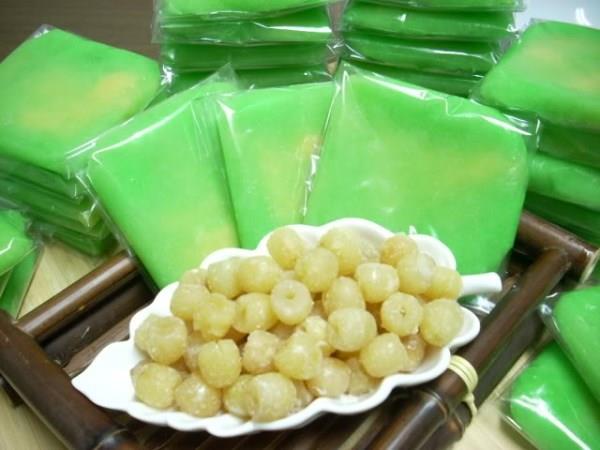
[i]Banh Com (Green Rice Cake)[/i]
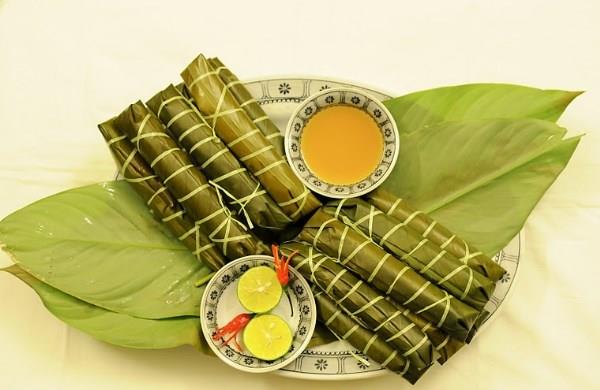
[i]Banh Te (Plain Rice Cake)[/i]
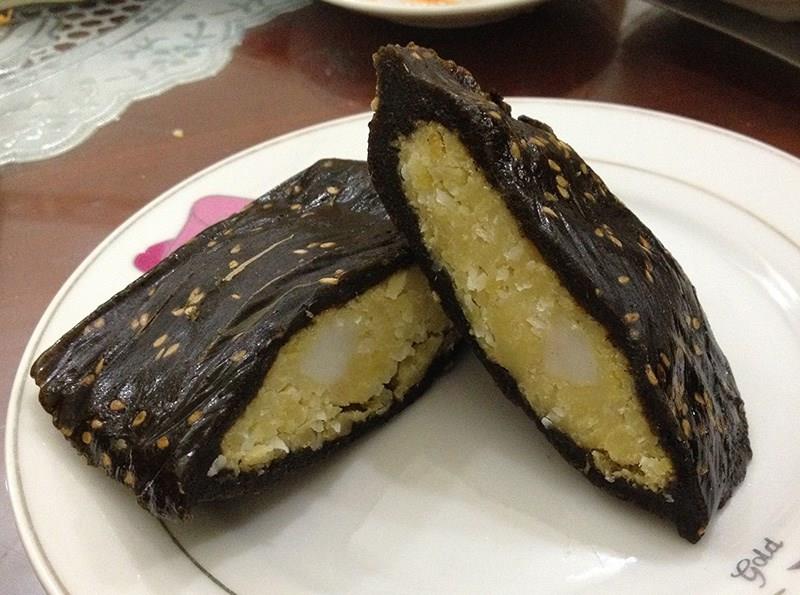
[i]Banh Gai (Thorn Leaf Cake)[/i]
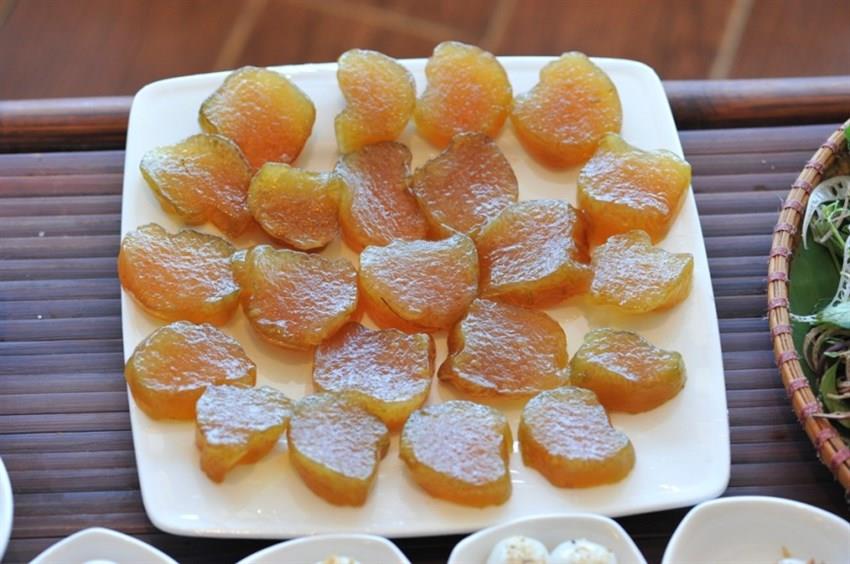
[i]Banh Gio (Ash Cake)[/i]
Northern cuisine focuses not only on festive holiday dishes, but another quintessential Northern characteristic lies in its traditional snacks and cakes. These cakes and snacks are not meant for filling the stomach, yet they bring great excitement, and above all, hold many beautiful childhood memories for the people of the North.
Northern Vietnamese cuisine is just like that: not overly extravagant or flashy, yet deeply emotional like an artistic poem. Above all, what people find beautiful and grand in Northern cuisine is warm human affection and a passionate love for the homeland.
[i]Compiled[/i]
[i]Northern cuisine is characterized by its elaborate sophistication[/i]
A key feature of Northern Vietnamese cuisine is that it is generally not as spicy, fatty, or sweet as that of other regions; dishes have a balanced flavor, not overly strong, yet are vibrant in color. It primarily uses diluted fish sauce, shrimp paste, many vegetable dishes, and readily available freshwater seafood such as shrimp, crab, fish, clams, mussels, etc. Overall, due to an ancient tradition of poor agriculture, Northern cuisine in the past rarely featured dishes centered heavily on meat and fish.
[i]Pho[/i]
[i]Bun Thang[/i]
[i]Bun Cha[/i]
[i]Bun Oc (Snail Noodle Soup)[/i]
[i]Com Lang Vong (Vong Village Green Rice Flakes)[/i]
[i]Banh Cuon Thanh Tri (Thanh Tri Steamed Rice Rolls)[/i]
Northern cuisine deeply reflects the character of a long-standing culture. Coming to the destination that was once the capital of many dynasties, Hanoi is regarded as the essence of Northern cuisine with delicious dishes like pho, bun thang, bun cha, bun oc, Vong village green rice flakes, Thanh Tri steamed rice rolls, and unique seasonings such as giant water bug essence and Lang basil.
Northern cuisine not only carries a very distinctive character, but each dish also bears the imprint and trait of different localities, demonstrating skillful preparation, elaborate decoration, and refined appreciation. It is no coincidence that people of the past coined the saying eat Northern, dress Capital, perhaps because Northern dishes have a mild, delicate taste, are not harsh, and above all, respect the natural flavor of the ingredients.
This stems from meticulousness, skill, and detail in cooking; especially during holidays and Tet, this ingenuity is showcased even more clearly with lavish banquets, where each tray must traditionally feature four bowls and six plates that are elaborately prepared, delicious, and eye-catching.
[i]Banh Com (Green Rice Cake)[/i]
[i]Banh Te (Plain Rice Cake)[/i]
[i]Banh Gai (Thorn Leaf Cake)[/i]
[i]Banh Gio (Ash Cake)[/i]
Northern cuisine focuses not only on festive holiday dishes, but another quintessential Northern characteristic lies in its traditional snacks and cakes. These cakes and snacks are not meant for filling the stomach, yet they bring great excitement, and above all, hold many beautiful childhood memories for the people of the North.
Northern Vietnamese cuisine is just like that: not overly extravagant or flashy, yet deeply emotional like an artistic poem. Above all, what people find beautiful and grand in Northern cuisine is warm human affection and a passionate love for the homeland.
[i]Compiled[/i]


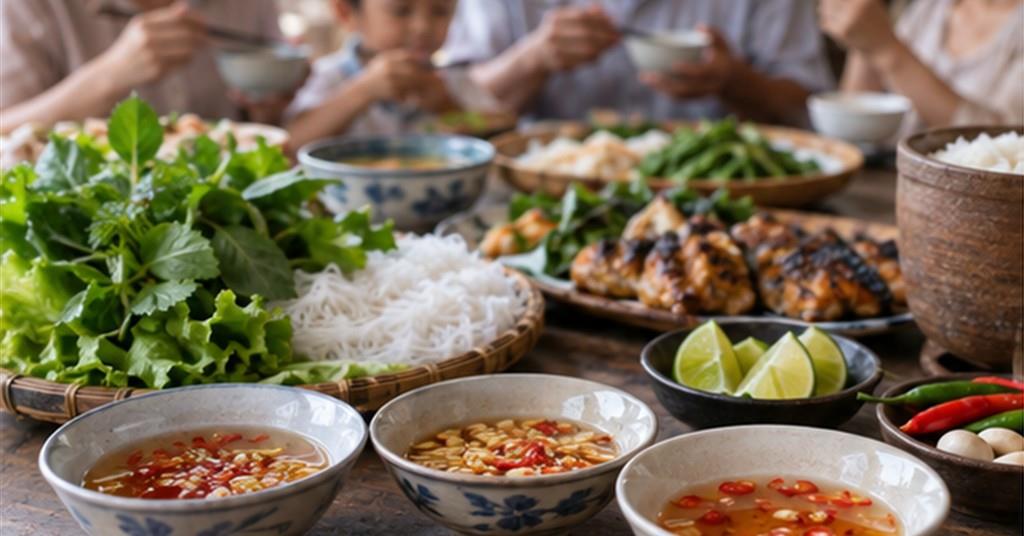 Fish sauce on the table across the three regions: from how it is mixed to what it is eaten with
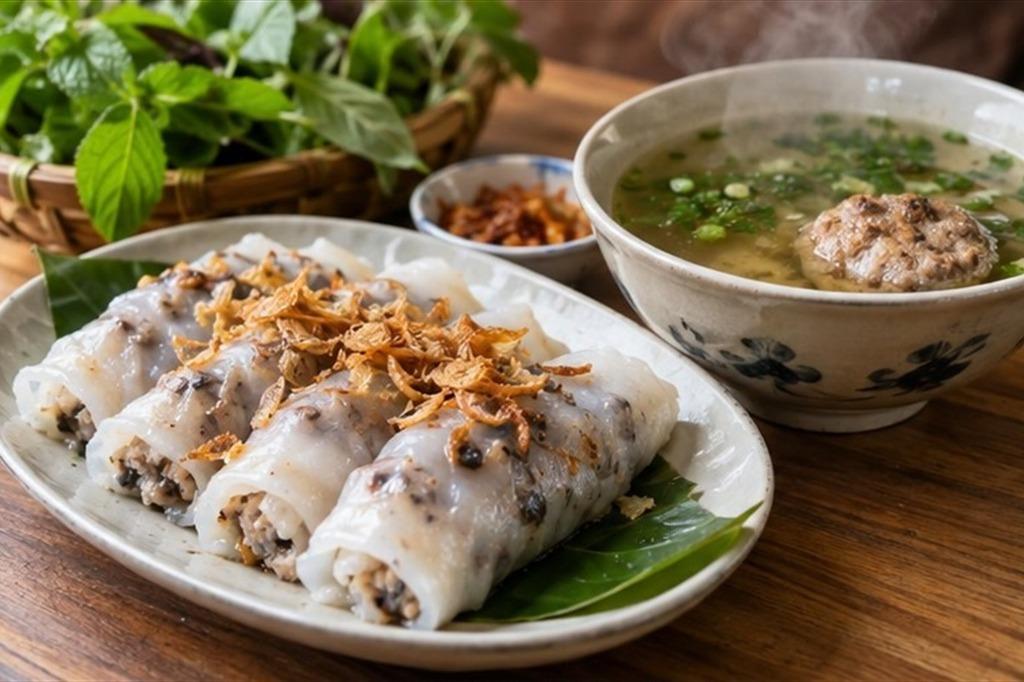 Cao Bang banh cuon: a thin rice sheet eaten with a bowl of hot broth on the frontier
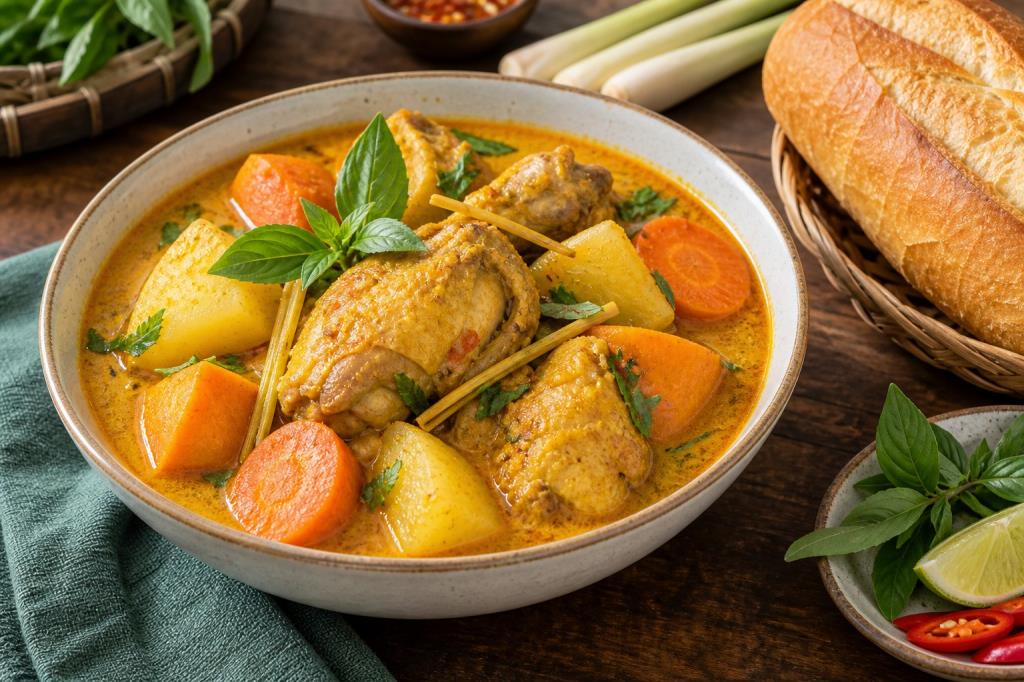 How to cook Vietnamese chicken curry: gently rich, tender meat and potatoes that hold together
 The coastal kitchen of central Vietnam: grilled fish, fermented sauce and getting through the storm season
 Bánh cuốn across the three regions: the same thin sheet, a different way of eating it
 How to make cha gio that stays crisp, with an evenly cooked filling and no split wrappers
 What is it about a Vietnamese rainy-season meal that people far from home never forget?
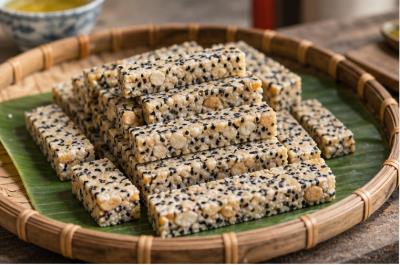 Banh cay from Thai Binh: from toasted sticky rice and malt syrup to a sweet beside the teacup
Đăng nhập để bình luận: / Sign in to comment: