



The Nazca Lines: who created them and what were they used for?
On the arid land between Nazca and Palpa in Peru, ancient people created hundreds of giant animal figures, plants, lines, and trapezoids. They were not first "discovered" from an airplane: local residents had always known about the markings, while aviation only helped to clearly see the scale of the entire landscape.
Most geoglyphs are associated with the Paracas and Nasca cultures between 500 BC and 500 AD. The creators simply cleared away the dark layer of stones on the surface to reveal the lighter soil underneath. The extremely dry climate, lack of strong winds, and minimal cultivation have helped these shallow features survive for a long time.
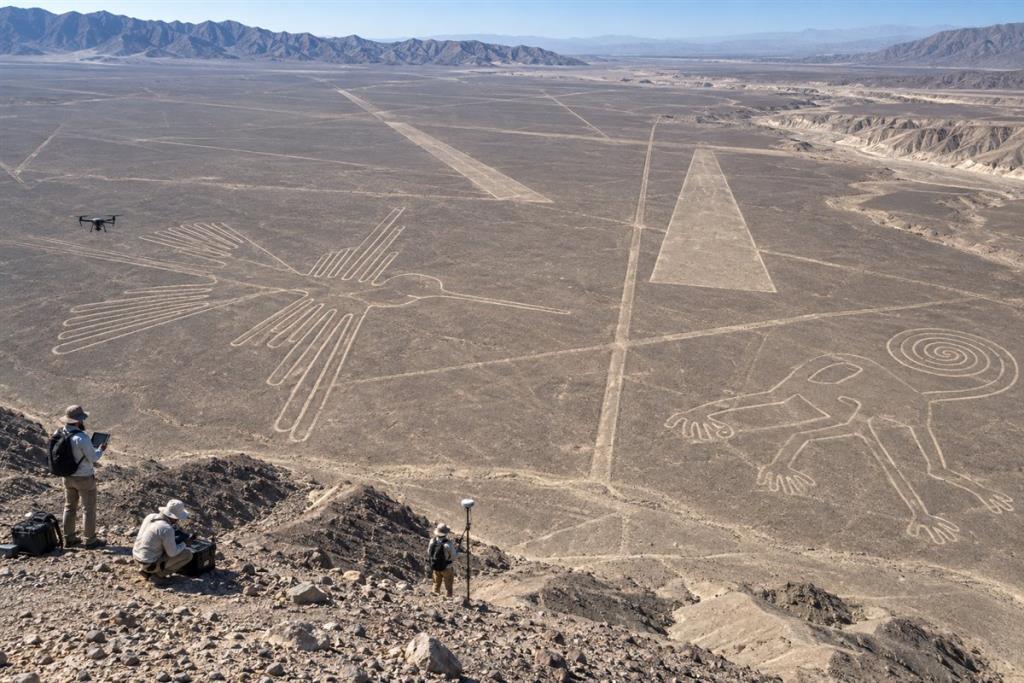
No flight technology needed for design
The lines could have been laid out using stakes, ropes, and observations from low mounds. Large figures were transferred from sketches using grids or reference points. Experiments show that small groups could create accurate lines; seeing the entire work from the sky was not a requirement for its construction or use.
Nazca is not a single painting. The figures were created over many generations, sometimes overlapping one another. Therefore, the idea of a single purpose for every line easily overlooks social changes and the differences between iconography, pathways, and ceremonial spaces.
Water, rituals, or astronomy?
Some lines are linked to water sources, ravines, and ceremonial points; broken pottery and traces of activity show that people once gathered or walked along them. Some orientations might coincide with astronomical phenomena, but there are so many lines that statistical coincidence must be controlled. A cautious interpretation is that many functions coexisted.
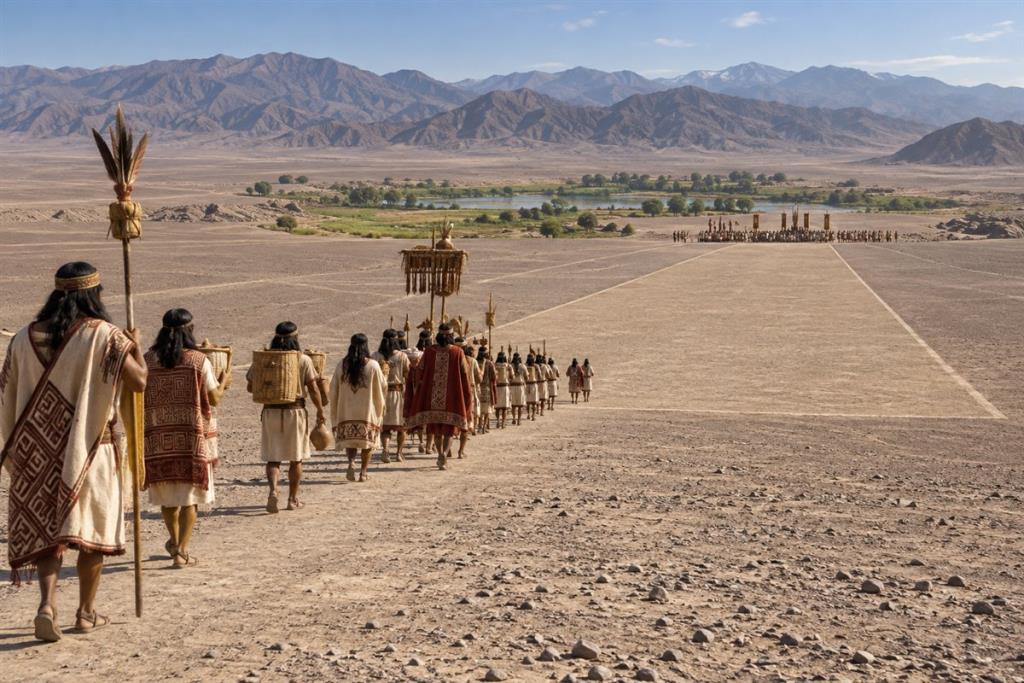
What archaeologists are still looking for
Satellite imagery, drones, and field surveys continue to discover smaller, faded figures. Direct dating is difficult because the lines themselves are earth and stone, so researchers rely on pottery, wooden stakes, overlapping relationships, and context. It is necessary to distinguish the date the material was used from the date the entire figure was completed.
The "alien runway" hypothesis fails to explain the simple techniques, human footprints, or local cultural connections. The truly amazing aspect lies in community organization and landscape memory, without needing to replace the indigenous authors with an imaginary force.
How to read an archaeological mystery?
A surprising object often leads to three different questions: how was it made, how was it used, and what does it mean? Experiments can prove a technique is possible, but they do not prove that the ancients chose that exact technique. To move from "possible" to "likely," the results must match the tool marks, materials, terrain, dating, and the context in which they were found.
Context is an irreplaceable part. An object found in a grave tells a different story than the same object in a workshop; a row of stones in situ contains information about orientation and distance that an item moved to a museum has lost. Therefore, documented excavation, in-situ preservation, and data publication are more important than quickly choosing an attractive solution.
Three levels of certainty
Known refers to facts confirmed by multiple measurements or independent records. Well-founded refers to models that explain many traces but still face competing alternatives. Speculative refers to ideas that have not yet provided testable evidence. This article keeps these three layers separate so that the unknown is not turned into an assertion.
Numbers also need a margin of error. Carbon dating measures organic material rather than directly measuring the creator's intent; stone sources indicate geological origin rather than recording transport routes; 3D models record the current shape after centuries of weathering. A good conclusion must clearly state what the data actually measures.
What could create a new breakthrough?
Tomography, 3D scanning, residue analysis, isotope measurement, mechanical simulation, and experimental archaeology are opening up parts that were previously unobservable. However, technology is only useful when samples have clear origins, procedures are published, and independent groups can verify them. A beautiful image on the internet does not replace a scientific report.
Future answers may not be a single function. Objects and structures live through many generations, being repaired, moved, and reinterpreted. Accepting a multi-stage history is often closer to reality than forcing every trace into a single moment of mystery.
Why is no supernatural explanation needed?
Saying that ancient people could not have created a structure often reflects an underestimation of their skills, time, and social organization. Ropes, wood, stone, metal, and simple mathematics can create large results when hundreds of people coordinate over many seasons. The part worth exploring is how knowledge was transmitted and how communities convinced each other to invest effort.
"Unknown" is a valid conclusion, not a blank space to fill with any story. A good hypothesis must make predictions: what traces to look for, where, and what measurements could refute it. It is the ability to be tested that helps a mystery become research rather than just an anecdote.
The role of conservation and the local community
Artifacts are not just data for researchers but also the heritage of the living community. Surveys, sampling, and exhibitions must respect local laws, indigenous knowledge, and conservation limits. Tourists also contribute by not touching, climbing, moving stones, or buying items of unknown origin. Preserving the context today is exactly so that future generations can test the questions that current technology cannot yet answer.



 Jamaican jerk: the scent of pimento, the smoke pit and a community's living heritage
 Korean kimchi and banchan: the craft of fermentation and a table built on sharing
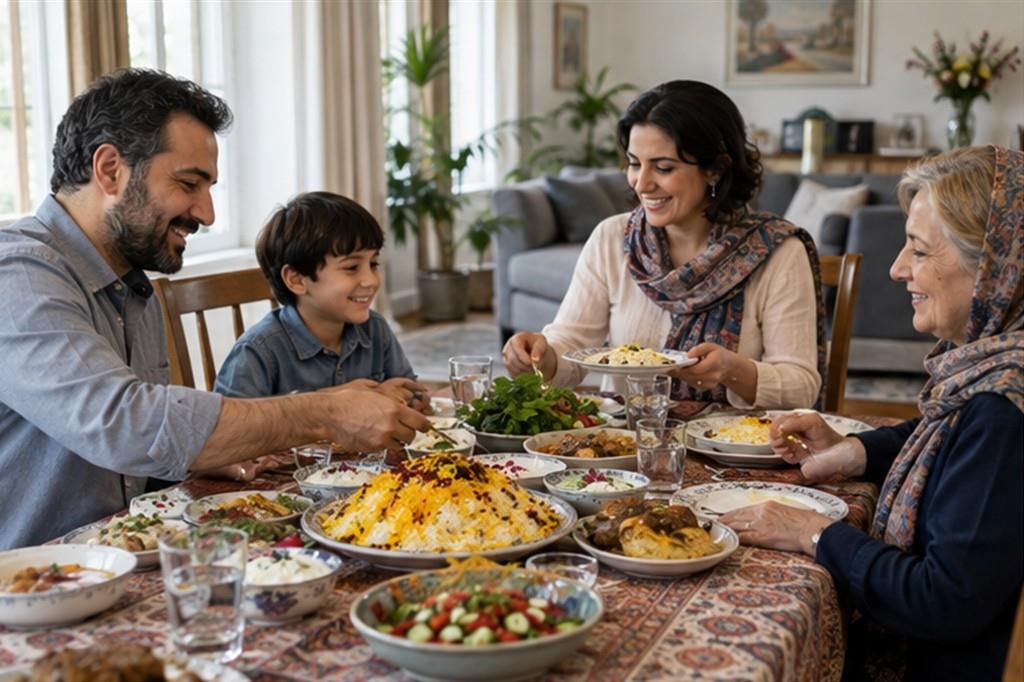 Persian rice and tahdig: saffron, a crisp bottom layer and the sofreh
 Moroccan couscous and tagine: rhythm, hospitality and the flavours of North Africa
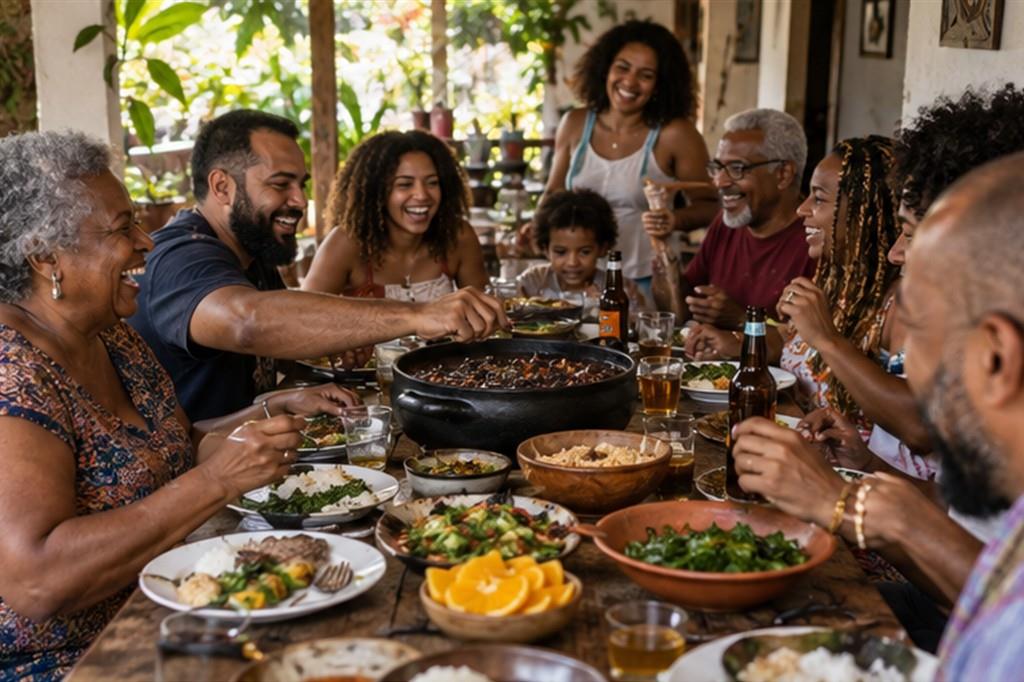 Brazilian feijoada: a pot of black beans, a weekend lunch and a story with many roots
 The Indian thali: a balanced tray that tells a regional story and a way of eating together
 Danish smørrebrød: the open sandwich and the art of composing a lunch
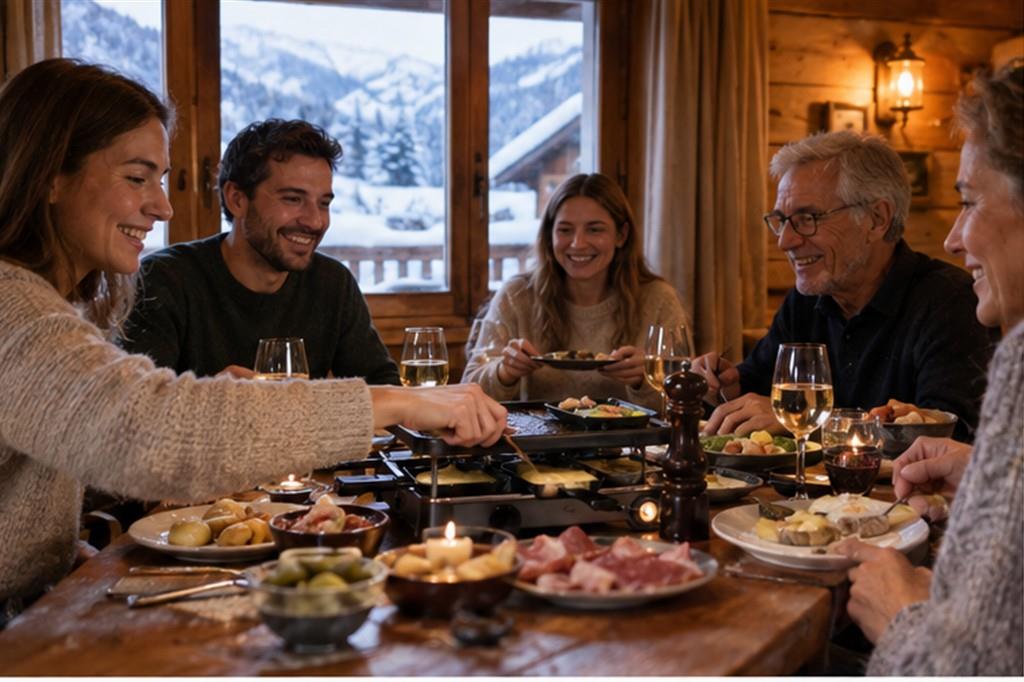 Swiss raclette: melted cheese and a shared table in the cold season
Đăng nhập để bình luận: / Sign in to comment: