



The most mysterious places in the world
There are many places in the world today that still hold mysteries for humanity. Science keeps advancing, yet researchers have still not found answers to these puzzles of the past, which leave anyone who visits them unsettled.
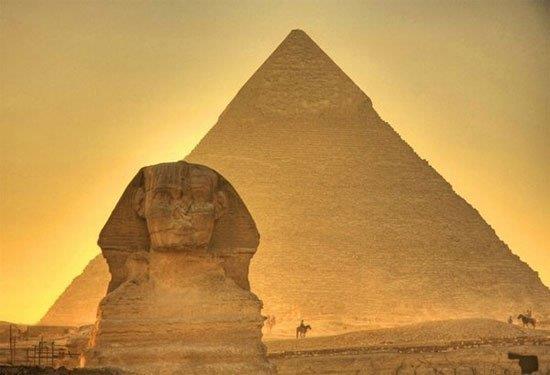
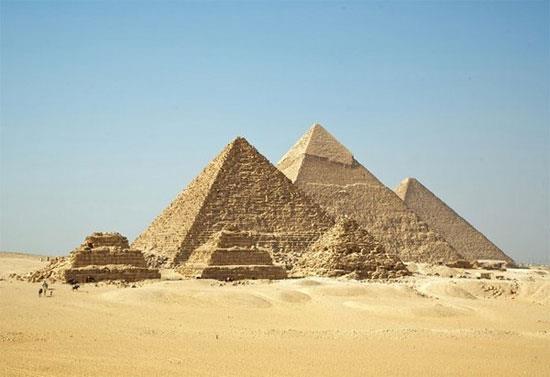
The Pyramids of Giza
The Pyramids of Giza and the colossal Sphinx
Along with the rise of ancient Egyptian civilisation came a dense concentration of monumental building. The Pyramids of Giza and the colossal Sphinx are a priceless gift - one of the seven wonders of the world that ancient Egypt left to humanity. Although time has damaged them in part, and the surrounding temples have fallen into ruin, the sheer scale of these structures still astonishes visitors. Marked as one of the most astonishing achievements in human history, the methods the ancient builders used remain a matter of considerable debate to this day.
The Stonehenge stone circle (Great Britain)

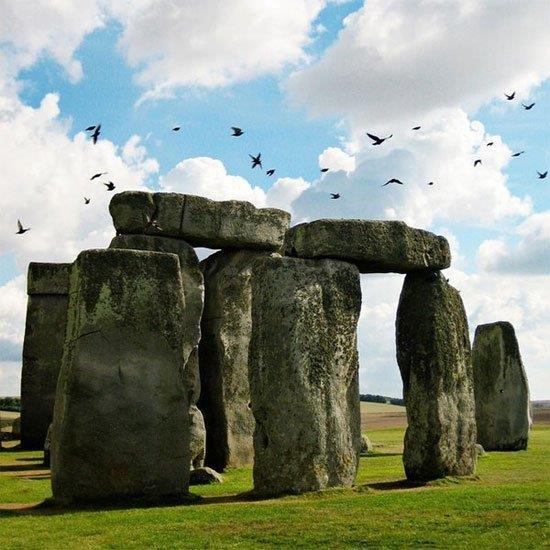

The oldest human traces here are the monuments on the hills of Wiltshire in England. They consist of large stones arranged in a circle, laid out according to an astronomical meaning from antiquity that remains one of the world's great mysteries and is still being explored. The Stonehenge stone circle was built around 2500 BC.
Easter Island (Chile)

The colossal human-shaped stone statues known as moai are said to be around 6,000 years old.
Easter Island lies in the south-eastern Pacific and belongs to Chile. It is famous for the colossal human-shaped stone statues known as moai, said to be around 6,000 years old. The Dutch explorer Jacob Roggeveen is believed to have been the first to come upon the island, on Easter Sunday in 1722, which is how it got its name. The statues scattered across the island were part of an ancestor cult. Why the ancient inhabitants were able to raise them remains a mystery to this day.
The megaliths of Baalbek (Lebanon)
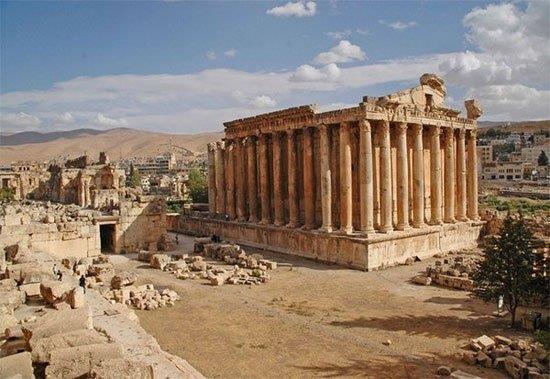
The ancient megaliths of Baalbek
Baalbek is a city in eastern Lebanon. It was a prosperous city when the Greeks took it in 331 BC, and it later became a colony of the Roman emperor Augustus. The Romans built three temples at Baalbek in Lebanon, on a site dated to 2000 BC. What makes this stonework so remarkable is the massive foundation of the Roman temples, which includes blocks weighing roughly 350 tonnes. The mystery is how they were quarried, dressed, carried for miles, and raised to a height of seven metres to sit on top of smaller stones.
The citadel of Machu Picchu (Peru)
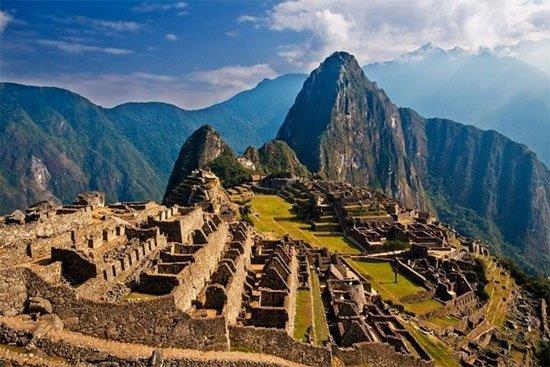
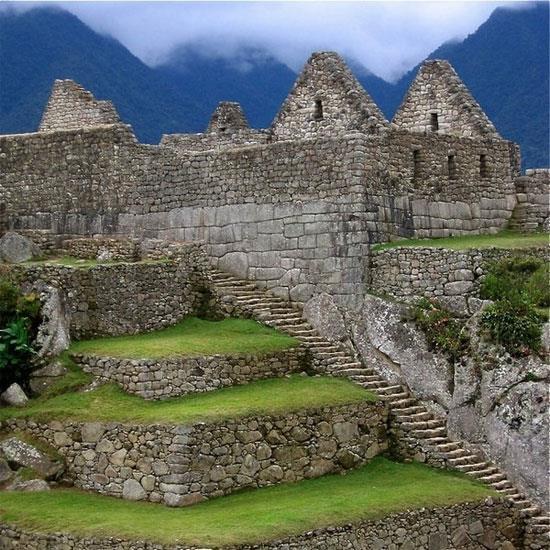
Machu Picchu is a pre-Columbian Inca site
Machu Picchu is a pre-Columbian Inca site at an altitude of 2,400 m, hidden in the Andes on a sharp-peaked mountain in the Urubamba valley of Peru. Forgotten by the outside world for centuries, though local people always knew of it, it was brought back to wider attention by the archaeologist Hiram Bingham in 1911.
The Nazca Lines (Peru)
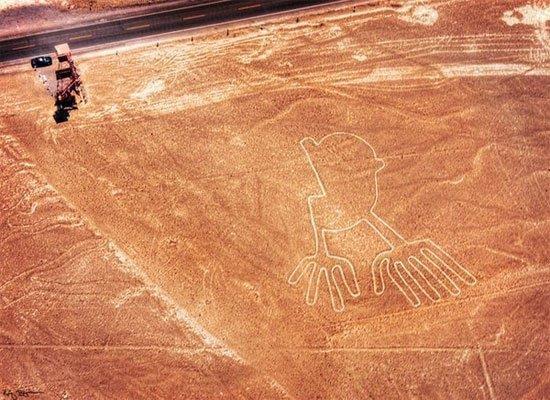

The Nazca Lines, found in the desert not far from Lima, Peru, are regarded as a deeply mysterious phenomenon.
The lines are remarkably precise, running dead straight and sometimes parallel to one another
The Nazca Lines, found in the desert not far from Lima, Peru, are regarded as a deeply mysterious phenomenon. They lie across a long, broad stretch of ground and were noticed in the early 1930s. The lines are remarkably precise, running dead straight and sometimes parallel to one another; from a distance they look like a runway or like the figure of a giant bird drawn on the earth. Various hypotheses suggest the figures were used to mark altitude, for weather prediction, or possibly for religious purposes.
Tiwanaku (Bolivia)
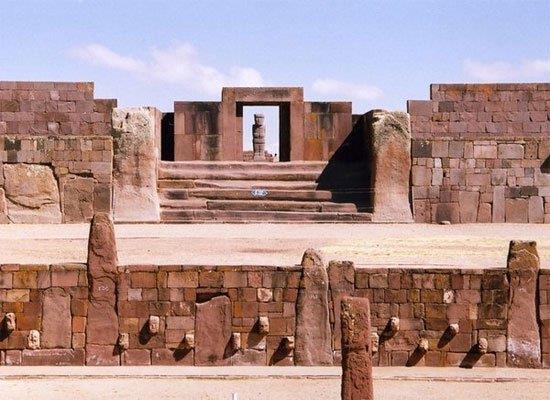
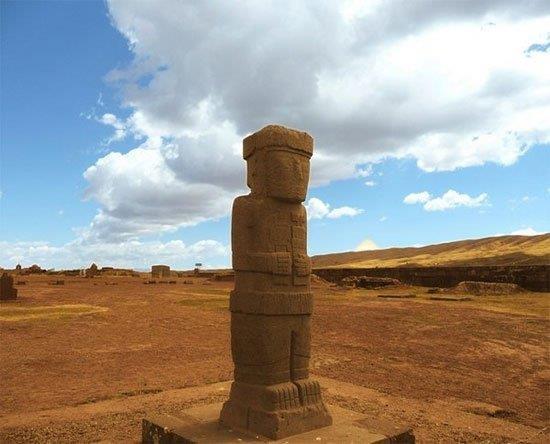
Tiahuanaco, also known as Tiwanaku, remains a great puzzle for world science
Many suggest that Tiahuanaco was a sanctuary for sacred ceremonies belonging to a culture that spread into many neighbouring areas.
Tiahuanaco, also known as Tiwanaku, remains a great puzzle for world science when it comes to its exact age; it is estimated to have been built between about AD 300 and 700, using stone and distinctive techniques. Many suggest that Tiahuanaco was a sanctuary for sacred ceremonies belonging to a culture that spread into many neighbouring areas. Those ancient people built a stone pyramid called Akapana, one of the greatest structures in South America before Columbus reached the "new world", and one that carried great spiritual meaning for the Tiwanaku civilisation.
Chichen Itza (Mexico)
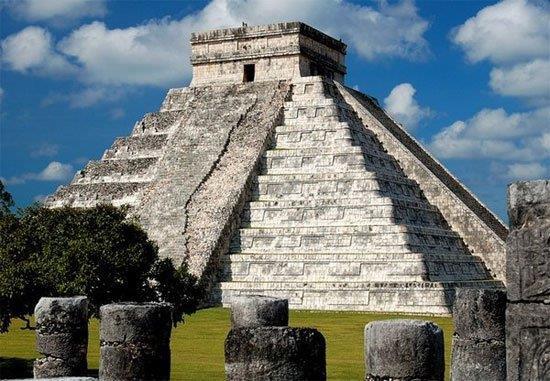
Chichen Itza is a pre-Columbian archaeological site

The true origin of the Itza people remains a mystery.
Chichen Itza is a pre-Columbian archaeological site built by the Maya civilisation, in the north-central Yucatán peninsula of Mexico. The site contains a wealth of very different major architectural styles, such as El Castillo (the temple of Kukulkán) and the Temple of the Warriors. It was built by a Maya group, the Itzá, in the ninth century and grew into the main regional capital until the twelfth century. The true origin of the Itza people remains a mystery.
The mysterious stone spheres (the Stone Spheres of Costa Rica)
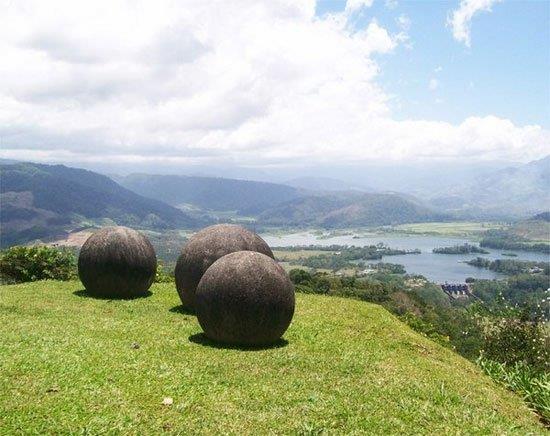
Since 1930, hundreds of these stone spheres have been found, ranging from a few centimetres to more than two metres across
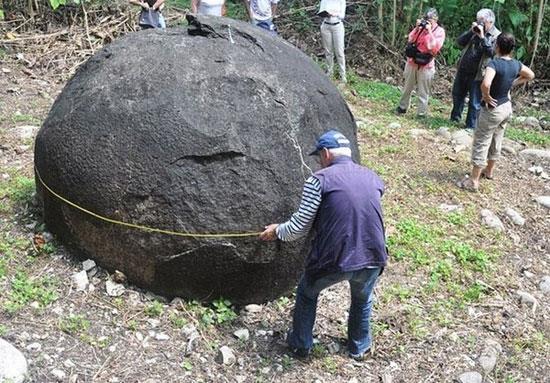
These large spheres are monolithic stone sculptures made by human hands.
One of the strangest mysteries was uncovered by archaeologists in the Diquís delta of Costa Rica. Since 1930, hundreds of these stone spheres have been found, ranging from a few centimetres to more than two metres across, some weighing as much as 16 tonnes. Scientists believe they were given this shape from around before 200 BC. These large spheres are monolithic stone sculptures made by human hands.
The underwater city in Japan
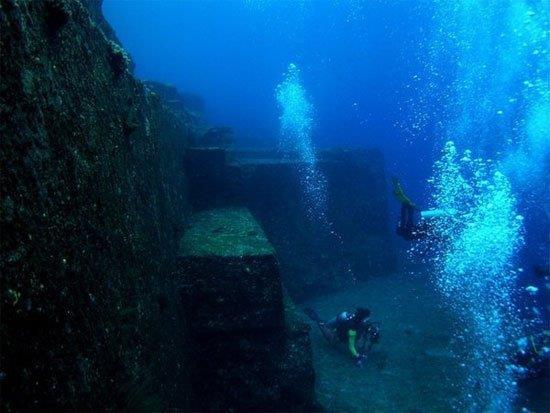
These submerged ruins are estimated to be about 8,000 years old
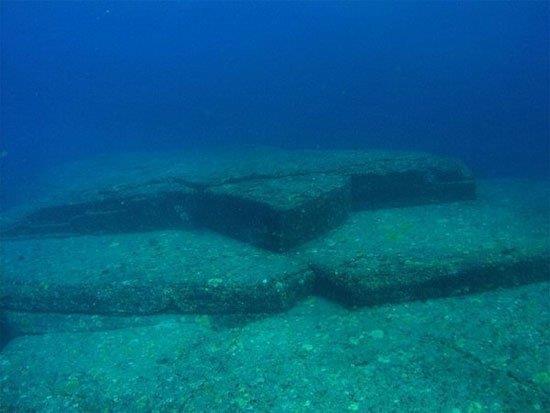
The underwater city in Japan
It was discovered by a diving guide some twenty years ago, off the southern coast of Yonaguni, Japan. These submerged ruins are estimated to be about 8,000 years old, and controversy has grown up around a mysterious pyramid found off the Japanese coast. The structures appear to have been carved directly into the rock, using tools previously thought unavailable to the ancient cultures of this region.
11. The Richat Structure, Mauritania

The Richat Structure, like an eye in the Sahara, has challenged scientists for many years.
The structure is 49 km across, which makes it visible from space. It was once thought that this strange formation was created by volcanic activity and a meteorite impact.
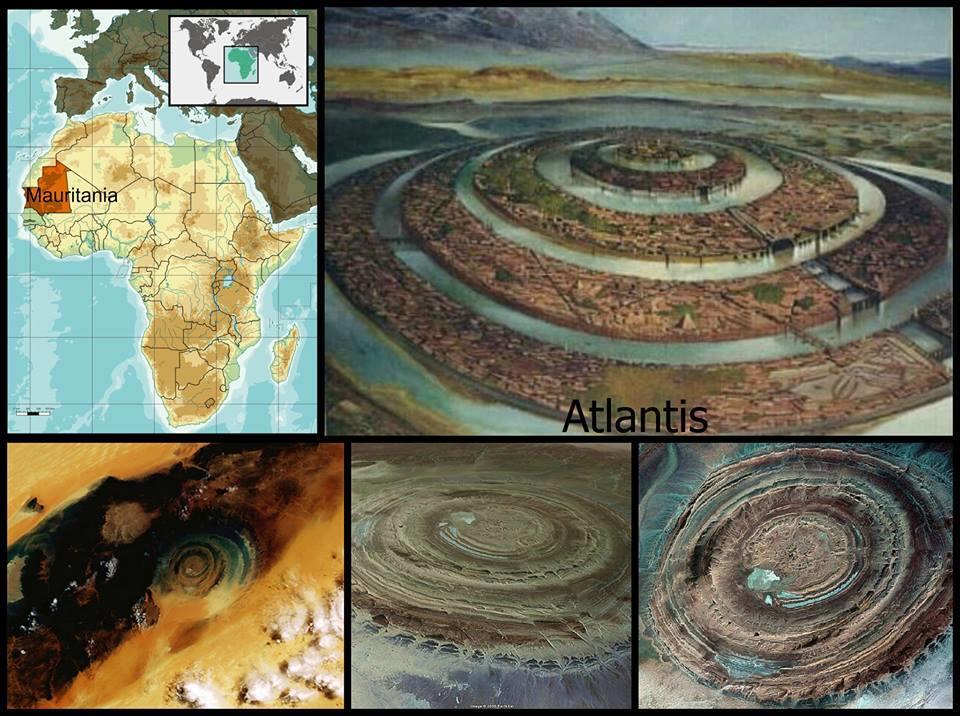
The Richat Structure, like an eye in the Sahara, has challenged scientists for many years.
Today some argue that erosion of the rock structure produced the rings.

It is very hard to explain how such perfect and evenly spaced concentric rings could form.
12. The lake of skeletons in India
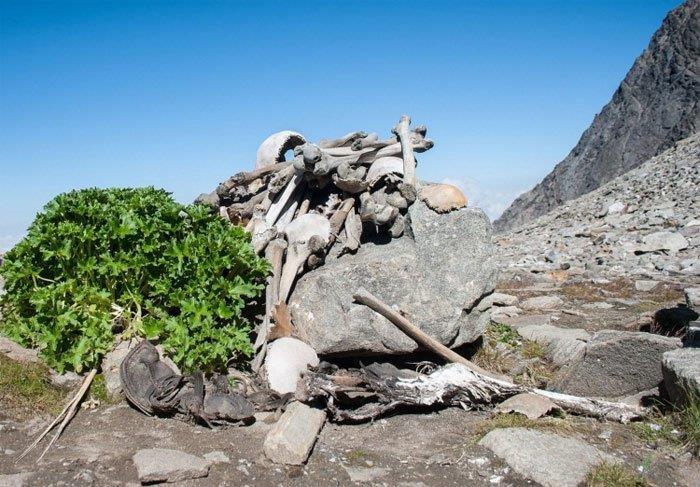
In 1942, something frightening was discovered at Roopkund in India, when the frozen lake melted to reveal 200 human skeletons within it.
At first the skeletons were thought to belong to Japanese soldiers, but testing showed they date from around AD 850.
The skeletons have been well preserved by the natural temperature of the lake. Nobody knows why so many people died together; it is only observed that each skull carries a small fracture, as if they had been killed by a blow.



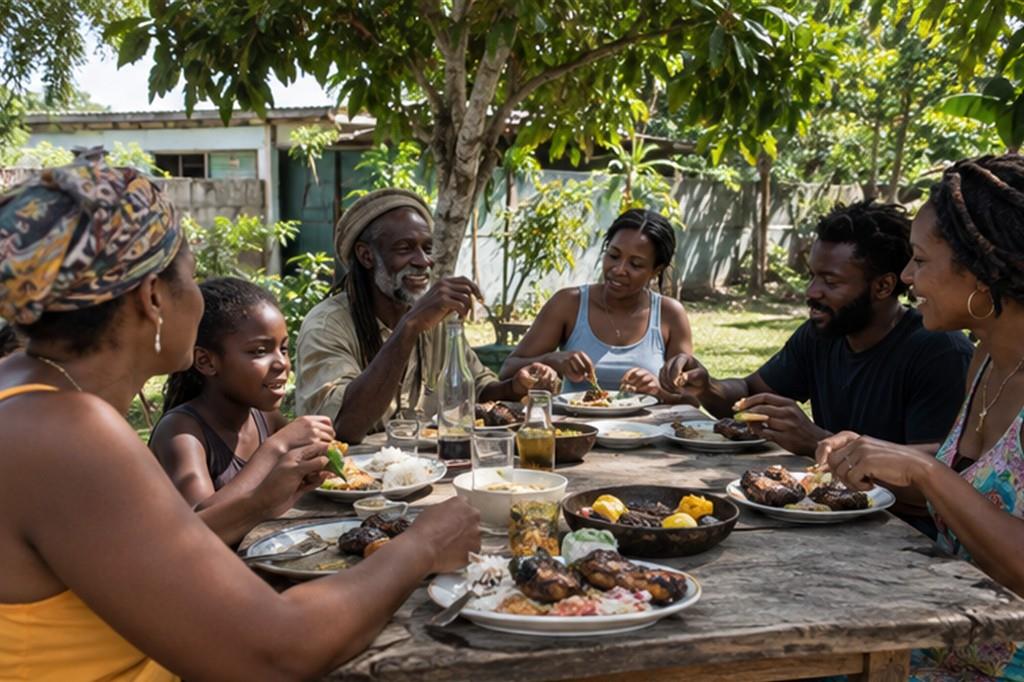 Jamaican jerk: the scent of pimento, the smoke pit and a community's living heritage
 Korean kimchi and banchan: the craft of fermentation and a table built on sharing
 Persian rice and tahdig: saffron, a crisp bottom layer and the sofreh
 Moroccan couscous and tagine: rhythm, hospitality and the flavours of North Africa
 Brazilian feijoada: a pot of black beans, a weekend lunch and a story with many roots
 The Indian thali: a balanced tray that tells a regional story and a way of eating together
 Danish smørrebrød: the open sandwich and the art of composing a lunch
 Swiss raclette: melted cheese and a shared table in the cold season
Đăng nhập để bình luận: / Sign in to comment: