



Roman Dodecahedron: Over 100 Artifacts but Not a Single Line of Instruction
More than a hundred dodecahedron-shaped bronze alloy objects have been found in the northwestern part of the Roman Empire. Each pentagonal face has a hole, and the vertices bear rounded knobs, but the sizes of the holes and the objects themselves are inconsistent. No surviving ancient texts name them or provide instructions for their use.
The artifacts primarily appear in Britain, Belgium, France, Germany, and surrounding areas, typically dating from the 2nd to 4th centuries. They are relatively absent from the central Mediterranean. This distribution may reflect a local practice within the diverse Roman world, rather than a standardized tool used across the entire empire.
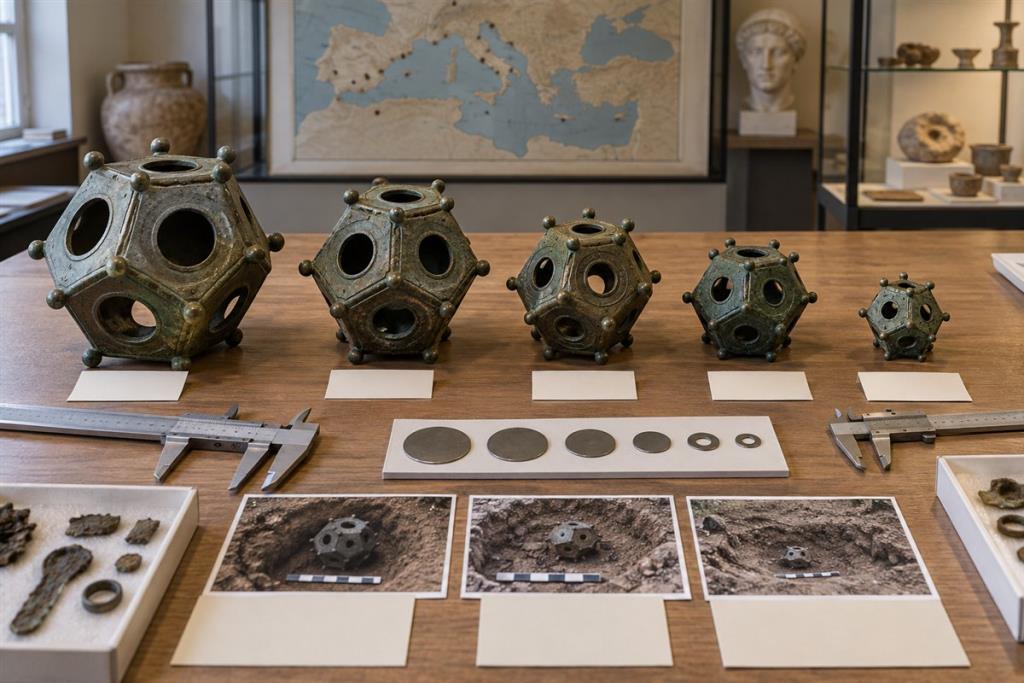
Why does the shape cause so much speculation?
Opposing pairs of holes have different diameters, the objects are hollow, and they lack clear scales. The rounded knobs might assist in placement or grip, but they could also be merely decorative. A military measuring tool would be more useful if sizes were standardized; the variation between artifacts is a major obstacle to this hypothesis.
Measuring distance, knitting gloves, or rituals?
Sighting through two holes could create a field of vision to estimate distance, but this would require knowing the specific pair of holes, the focal length, and a conversion table. Modern people can also knit woolen tubes around the knobs, yet there is no consistent evidence of wear or a textile workshop context. Objects found alongside coins or in hoards suggest that ritualistic, divinatory, or symbolic roles are still being considered.
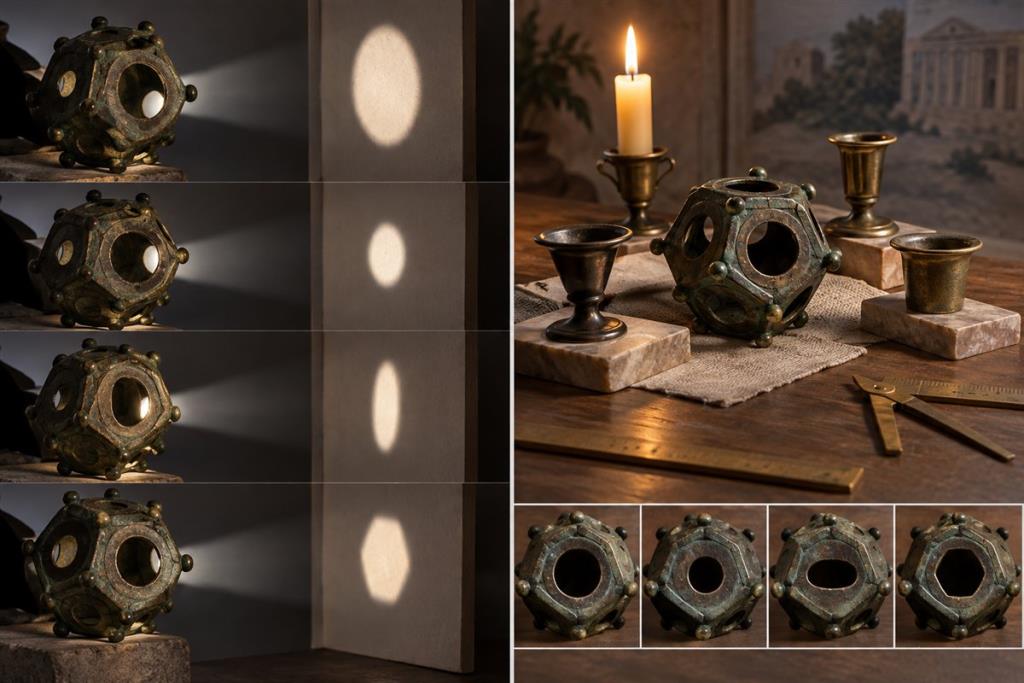
Context is more important than performance
A video demonstrating that a dodecahedron can perform a certain task only answers "it could," not "it did." Archaeologists require excavation records, residues, microwear patterns, manufacturing tolerances, and comparisons across all samples. Items that have lost their context due to metal detecting weaken the ability to verify theories.
It is possible they served multiple functions or that their meaning changed by location. It is also possible their name appears in texts but we do not recognize it due to different descriptions. The mystery exists not because the object exceeds Roman technology, but because the chain of connection between the object and the action has been broken.
How to read an archaeological mystery?
An object that causes surprise usually triggers three different questions: how was it made, how was it used, and what does it mean? Experiments can prove a technique is feasible, but they do not inherently prove that ancient people chose that specific technique. To move from "possible" to "probable," results must match tool marks, materials, terrain, dating, and the context of the find.
Context is irreplaceable. An object found in a grave tells a different story than the same object in a workshop; a row of stones in situ contains information about orientation and distance that an item moved to a museum has lost. Therefore, recorded excavations, in-situ preservation, and data publication are more important than quickly choosing an attractive solution.
Three levels of certainty
Known refers to facts confirmed by multiple measurements or independent records. Evidence-based refers to models that explain many traces but still have competing alternatives. Speculation refers to ideas that have not yet provided testable evidence. This article keeps these three layers separate so that the unknown is not turned into an assertion.
Numbers also need error margins. Carbon dating measures organic material, not directly the intent of the creator; the source of stone indicates geological origin, not the transport route; 3D models record the current shape after centuries of weathering. A good conclusion must clearly state what the data actually measures.
What could create a new breakthrough?
CT scans, 3D scanning, residue analysis, isotope measurement, mechanical simulation, and experimental archaeology are opening up parts that were previously unobservable. However, technology is only useful when samples have a clear provenance, procedures are published, and independent groups can re-test them. A beautiful image on the internet is no substitute for a scientific report.
The answer in the future may not be a single function. Objects and structures live through many generations, being repaired, moved, and reinterpreted. Accepting a multi-stage history is often closer to reality than forcing every trace into a single secret moment.
Why supernatural solutions are unnecessary?
Saying ancient people could not build a structure often reflects an undervaluation of their skills, time, and social organization. Rope, wood, stone, metal, and simple mathematics can produce grand results when hundreds of people coordinate over many seasons. The part worth exploring is how knowledge was transmitted and how communities persuaded each other to invest effort.
"Unknown" is a valid conclusion, not a void to be filled with any story. A good hypothesis must generate predictions: what signs to look for, where, and what measurements could refute it. It is the possibility of being proven wrong that turns a mystery into research rather than just an anecdote.
The role of conservation and local communities
Artifacts are not just data for researchers but also the heritage of living communities. Surveying, sampling, and exhibiting must respect local laws, indigenous knowledge, and conservation limits. Visitors also contribute by not touching, climbing, moving stones, or buying items of unknown origin. Preserving the context today is so that future generations can test questions that current technology cannot yet answer.



 Korean kimchi and banchan: the craft of fermentation and a table built on sharing
 Persian rice and tahdig: saffron, a crisp bottom layer and the sofreh
 Moroccan couscous and tagine: rhythm, hospitality and the flavours of North Africa
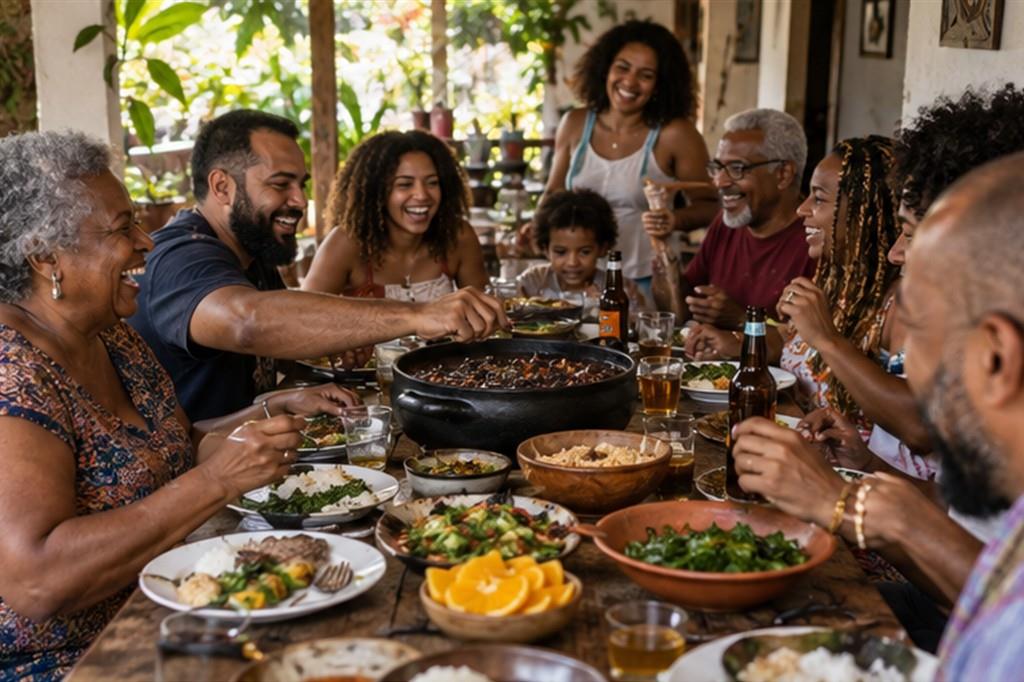 Brazilian feijoada: a pot of black beans, a weekend lunch and a story with many roots
 The Indian thali: a balanced tray that tells a regional story and a way of eating together
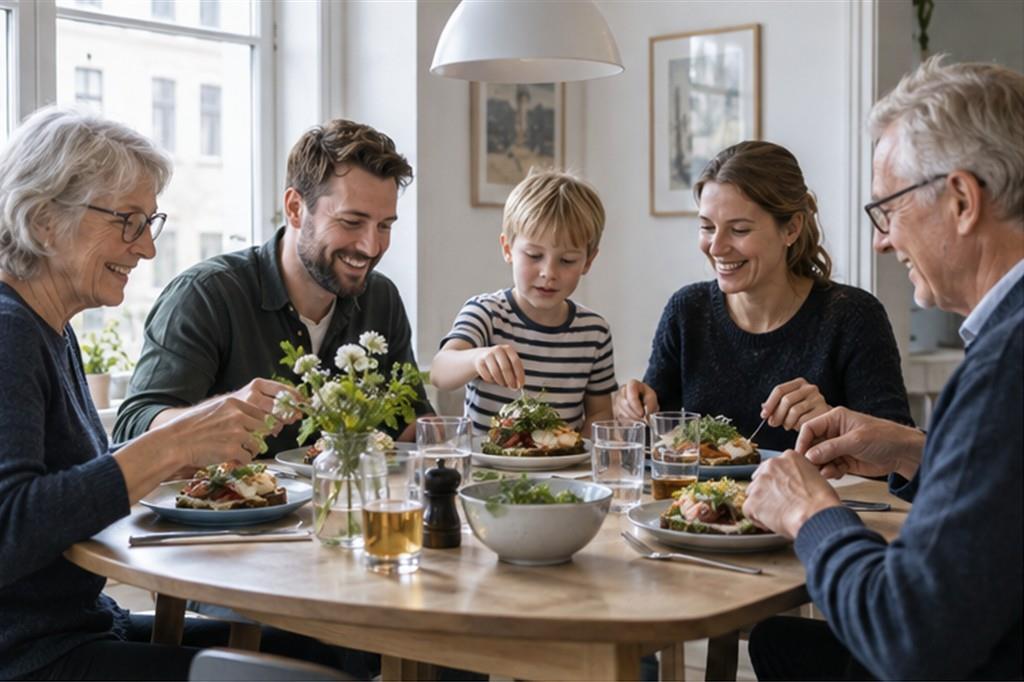 Danish smørrebrød: the open sandwich and the art of composing a lunch
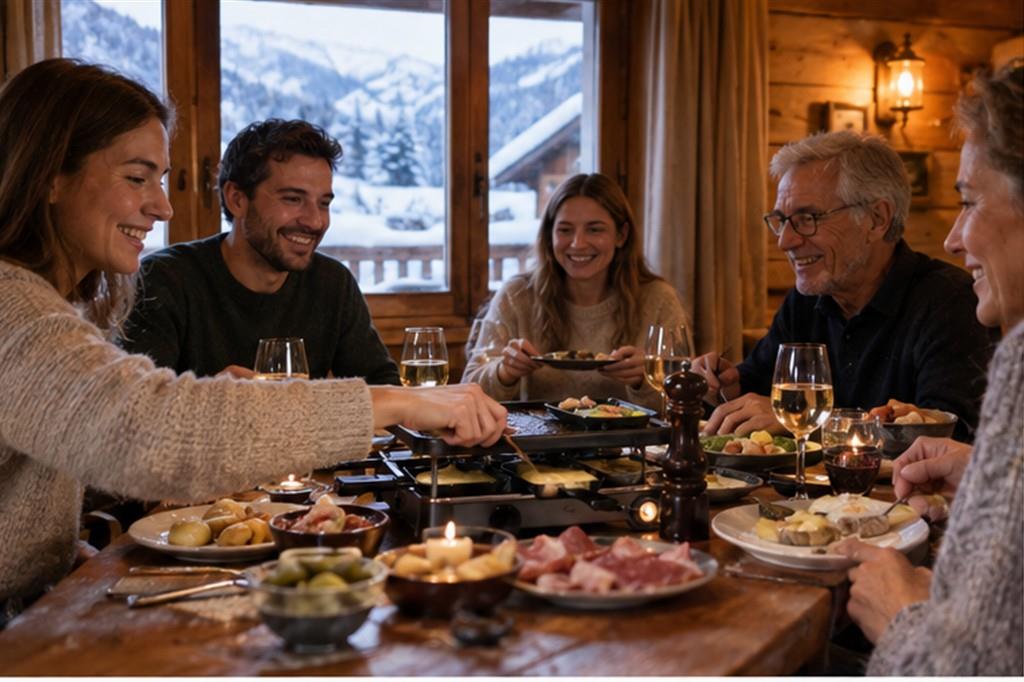 Swiss raclette: melted cheese and a shared table in the cold season
 Injera in Ethiopia and Eritrea: the shared platter that binds a community
Đăng nhập để bình luận: / Sign in to comment: