



Kryptos: The Final Cipher at CIA Headquarters
The first three sections of the artwork Kryptos have been solved, but K4 remains a unique case: the plaintext answer exists within the artist's records, but the decryption method and complete message have not been made publicly available.
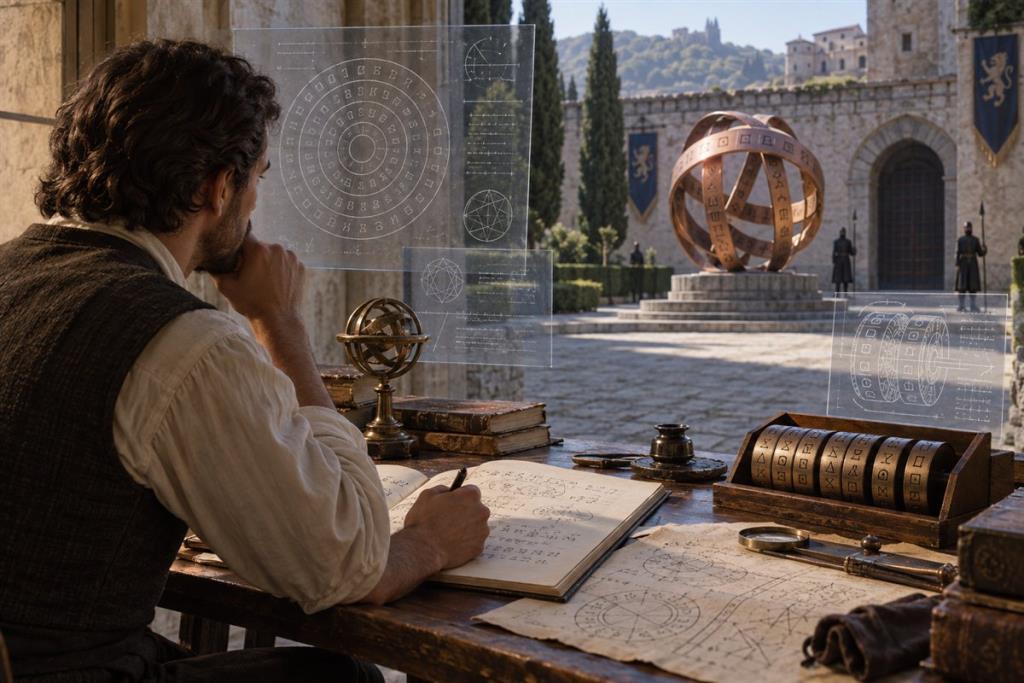
Kryptos is a sculpture by James Sanborn, unveiled at CIA headquarters in 1990. The S-shaped copper screen features 1,735 letters alongside elements of stone, petrified wood, a compass, and Morse code.
Verifiable Facts
1. K1, K2, and K3 were solved in the late 1990s using techniques related to the Vigenère cipher and transposition.
This fact helps narrow the scope of speculation: a proposed solution is only credible when it aligns with the entire artifact, its chronology, the order of characters, and its archaeological or archival context. Uncovering a few words that seem meaningful is not enough to prove an entire system.
2. K4 consists of 97 characters and has resisted the approaches used to solve the first three sections.
This fact helps narrow the scope of speculation: a proposed solution is only credible when it aligns with the entire artifact, its chronology, the order of characters, and its archaeological or archival context. Uncovering a few words that seem meaningful is not enough to prove an entire system.
3. Sanborn previously released the clues BERLIN, CLOCK, and NORTHEAST, yet they have not produced a publicly verified solution.
This fact helps narrow the scope of speculation: a proposed solution is only credible when it aligns with the entire artifact, its chronology, the order of characters, and its archaeological or archival context. Uncovering a few words that seem meaningful is not enough to prove an entire system.
4. In 2025, researchers discovered the plaintext in the artist's archival records; this was finding the answer, not deciphering the key and method independently.
This fact helps narrow the scope of speculation: a proposed solution is only credible when it aligns with the entire artifact, its chronology, the order of characters, and its archaeological or archival context. Uncovering a few words that seem meaningful is not enough to prove an entire system.
5. The archive along with the rights to the solution were auctioned to an anonymous buyer, meaning the secret is held by someone, but the public still does not know the full story.
This fact helps narrow the scope of speculation: a proposed solution is only credible when it aligns with the entire artifact, its chronology, the order of characters, and its archaeological or archival context. Uncovering a few words that seem meaningful is not enough to prove an entire system.
Why Has It Remained Unsolved Until Now?
- It is uncertain whether K4 employs the same family of techniques as the previous three sections.
- The physical sculpture, the orientation of light, and its positioning may form part of the key.
- Short clues generate too many potential paths without a confirmation mechanism.
In historical cryptography, a lack of data is often more dangerous than a lack of computing power. Computers can test millions of keys, but they cannot independently identify the correct language, reading direction, and rules unless those premises have already been established.
Major Hypotheses
Hypothesis 1
A multi-layered cipher system combining Vigenère, transposition, and spatial elements.
Hypothesis 2
The message is tied to the Berlin Clock or a specific location on the CIA campus.
Hypothesis 3
K4 requires a key embedded within the entire structure of the artwork, rather than just the 97 characters.
Common Misconceptions
As of 2026, claiming that "K4 has been publicly solved" is inaccurate. The plaintext was discovered in an archive and the solution dossier was sold, but the cryptography community still lacks the method and the public content needed for independent verification.
A prudent approach is to separate three tiers: what the artifact directly shows, what researchers reasonably infer, and what belongs merely to popular imagination. These three tiers can all make the story compelling, provided they are not conflated.
Conclusion
The value of a mystery does not lie in choosing the most thrilling explanation, but in the ability to test a hypothesis against independent data. Until a decryption key, parallel text, or repeatable method emerges, this dossier must still be regarded as lacking a consensus solution.



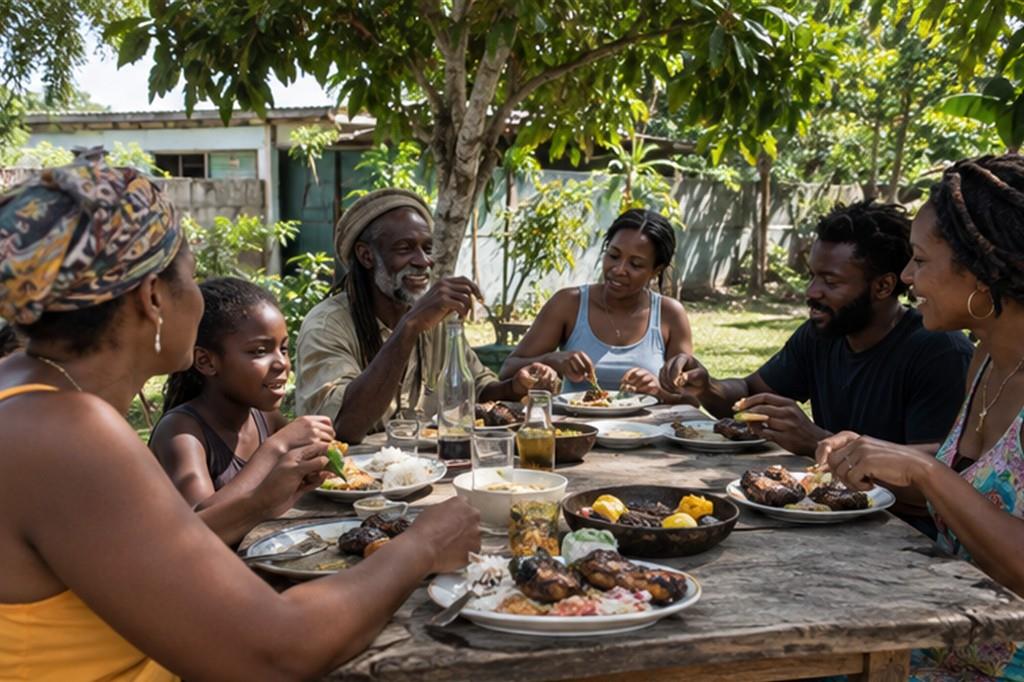 Jamaican jerk: the scent of pimento, the smoke pit and a community's living heritage
 Korean kimchi and banchan: the craft of fermentation and a table built on sharing
 Persian rice and tahdig: saffron, a crisp bottom layer and the sofreh
 Moroccan couscous and tagine: rhythm, hospitality and the flavours of North Africa
 Brazilian feijoada: a pot of black beans, a weekend lunch and a story with many roots
 The Indian thali: a balanced tray that tells a regional story and a way of eating together
 Danish smørrebrød: the open sandwich and the art of composing a lunch
 Swiss raclette: melted cheese and a shared table in the cold season
Đăng nhập để bình luận: / Sign in to comment: