



How Did Moai Statues "Walk" on Rapa Nui?
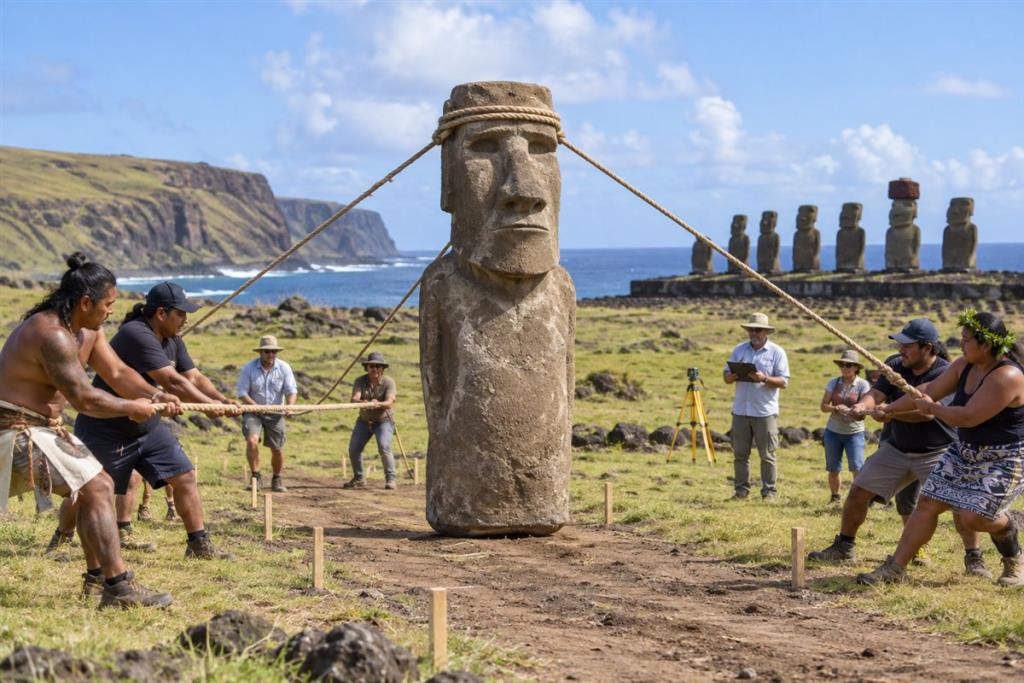
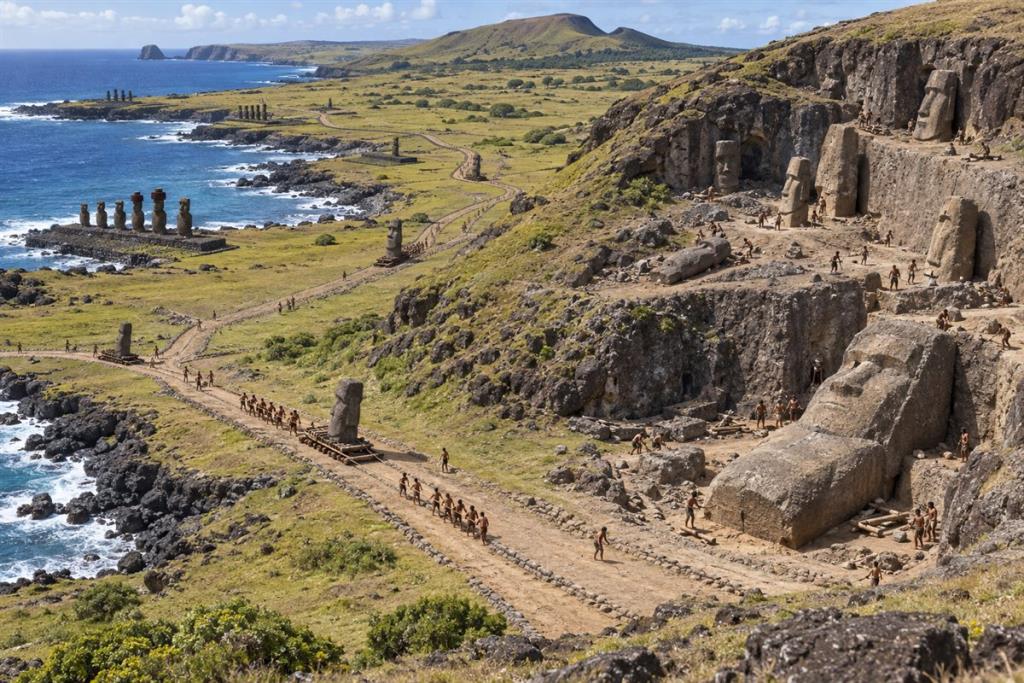
The Rapa Nui people say that the moai "walked" from the quarry to the stone platforms. This claim was once dismissed as legend, but modern experiments show that a statue with the right shape can be rocked alternately using ropes and move forward while still standing.
Hundreds of moai were carved from volcanic rock at Rano Raraku; many statues lie along the roads, while others were erected on ahu and face toward the community. Completed statues often received eyes and sometimes wore pukao. They represent ancestors and social power, not anonymous stone heads.
Two Families of Transport Methods
One group of hypotheses places the statues lying down on sleds or wooden frames and pulling them. Another group keeps the statues upright, tying ropes to the sides and back, alternately pulling to tilt and then rotate in small steps. Experiments with multi-ton replicas show that the standing method is feasible on suitable surfaces.
Feasibility does not mean every statue moved the same way. Sizes, centers of gravity, distances, and ages vary. Some statues fallen by the roadside have base shapes and centers of gravity suitable for the standing process; however, archaeology must still examine road marks, surface wear, and tools.
Shape as Part of the Technology
Statues in transit might lean slightly forward, with convex bases and wide bodies for stable oscillation. Upon reaching the ahu, the statue's base was modified to stand upright. If true, the craftsmen designed the object and the movement method simultaneously at the quarry, rather than solving the problem after carving was finished.
Is the Ecological Collapse Story Too Simple?
Pulling statues was once linked to a scenario of deforestation and social self-destruction. New research shows a more complex history: Polynesian rats, farming, climate, and colonial impacts were all important. The Rapa Nui adapted with rock gardens and continued their cultural life after the statue-building era.
Debates over technique should respect indigenous knowledge. "Walking moai" may be a technical memory preserved in language, not a myth requiring outsiders to correct. The open question is the prevalence of each technique and how teams coordinated on different types of terrain.
How to Read an Archaeological Mystery?
An object that causes surprise often leads to three different questions: how was it made, how was it used, and what does it mean? Experiments can prove a technique is feasible, but they do not inherently prove that ancient people chose that exact technique. To move from "possible" to "probable," results must match tool marks, materials, terrain, dates, and the context of discovery.
Context is irreplaceable. An object found in a grave tells a different story than the same object in a workshop; a row of stones in situ contains information about orientation and distance that an item moved to a museum has lost. Therefore, excavations with documentation, on-site preservation, and data publication are more important than quickly choosing an attractive solution.
Three Levels of Certainty
Known refers to facts confirmed by multiple independent measurements or records. Well-founded refers to models that explain many traces but still have competing options. Speculative refers to ideas that have not yet provided testable evidence. This article keeps these three layers separate so that the unknown is not turned into an assertion.
Numbers also need margins of error. Carbon dating measures organic material, not directly the intent of the creator; the stone source indicates geological origin, not the transport route; 3D models record the current shape after centuries of weathering. A good conclusion must clearly state what the data actually measures.
What Could Create New Progress?
Tomography, 3D scanning, residue analysis, isotope measurement, mechanical simulation, and experimental archaeology are opening parts that were previously unobservable. However, technology is only useful when samples have clear origins, procedures are published, and independent groups can re-examine them. A beautiful image online does not replace a scientific report.
Future answers may not involve a single function. Objects and structures live through many generations, being modified, moved, and reinterpreted. Accepting a multi-stage history is often closer to reality than forcing all traces into a single secret moment.
Why Supernatural Solutions Are Not Needed?
Saying ancient people could not build a structure often reflects an underestimation of their skills, time, and social organization. Ropes, wood, stone, metal, and simple mathematics can produce great results when hundreds of people coordinate over many seasons. The part worth exploring is how knowledge was transmitted and how communities persuaded each other to invest effort.
"Unknown" is a valid conclusion, not a gap to be filled with any story. A good hypothesis must generate predictions: what signs to look for, where, and what measurements could refute it. It is the possibility of being proven wrong that turns a mystery into research instead of just an anecdote.
The Role of Conservation and the Local Community
Artifacts are not just data for researchers but also the heritage of a living community. Surveying, sampling, and exhibiting must respect local laws, indigenous knowledge, and conservation limits. Tourists also contribute by not touching, climbing, moving stones, or buying items of unknown origin. Preserving the context today is so that future generations can test questions that current technology cannot yet answer.



 Korean kimchi and banchan: the craft of fermentation and a table built on sharing
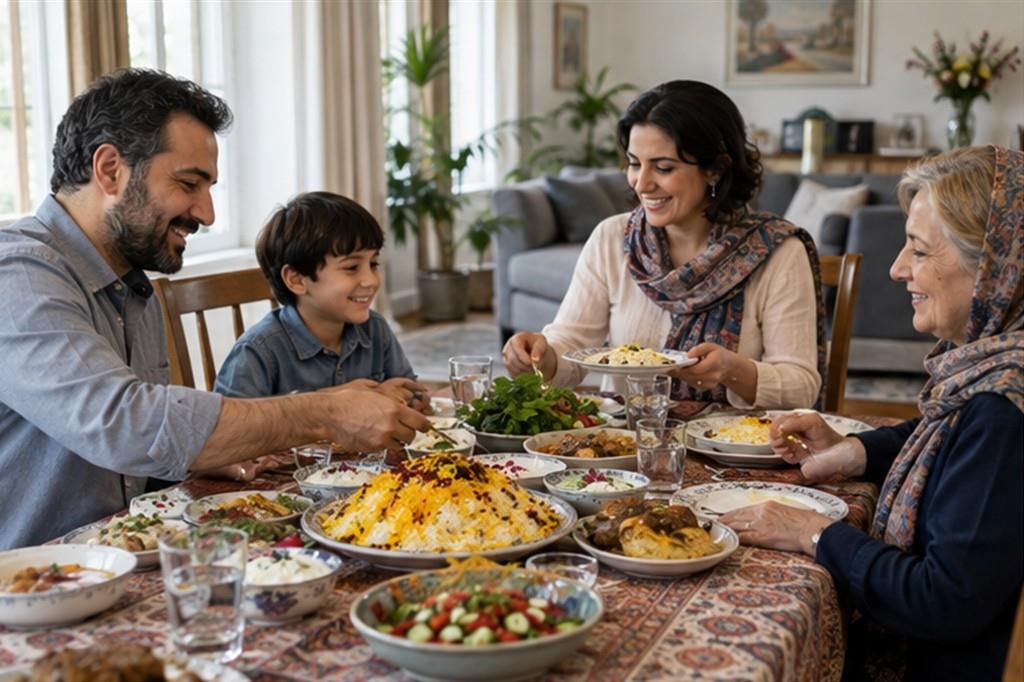 Persian rice and tahdig: saffron, a crisp bottom layer and the sofreh
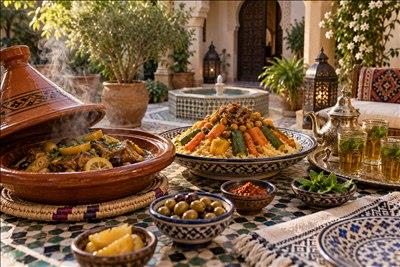 Moroccan couscous and tagine: rhythm, hospitality and the flavours of North Africa
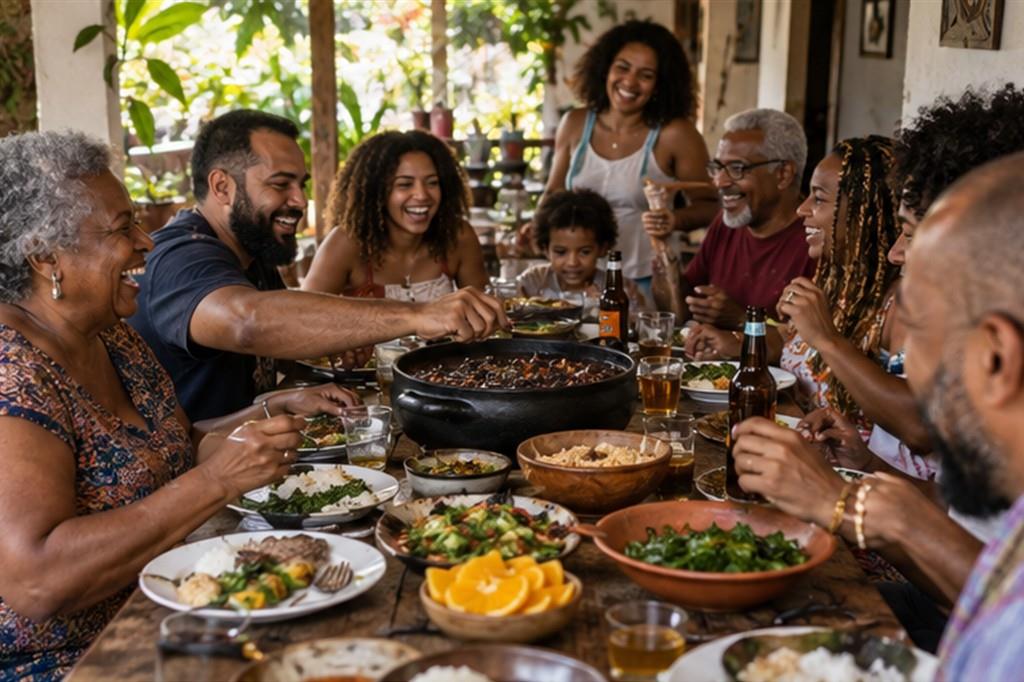 Brazilian feijoada: a pot of black beans, a weekend lunch and a story with many roots
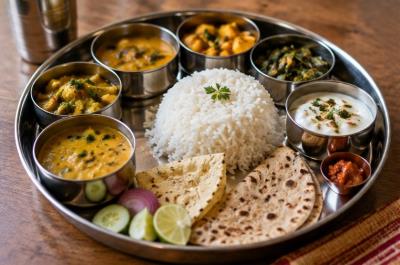 The Indian thali: a balanced tray that tells a regional story and a way of eating together
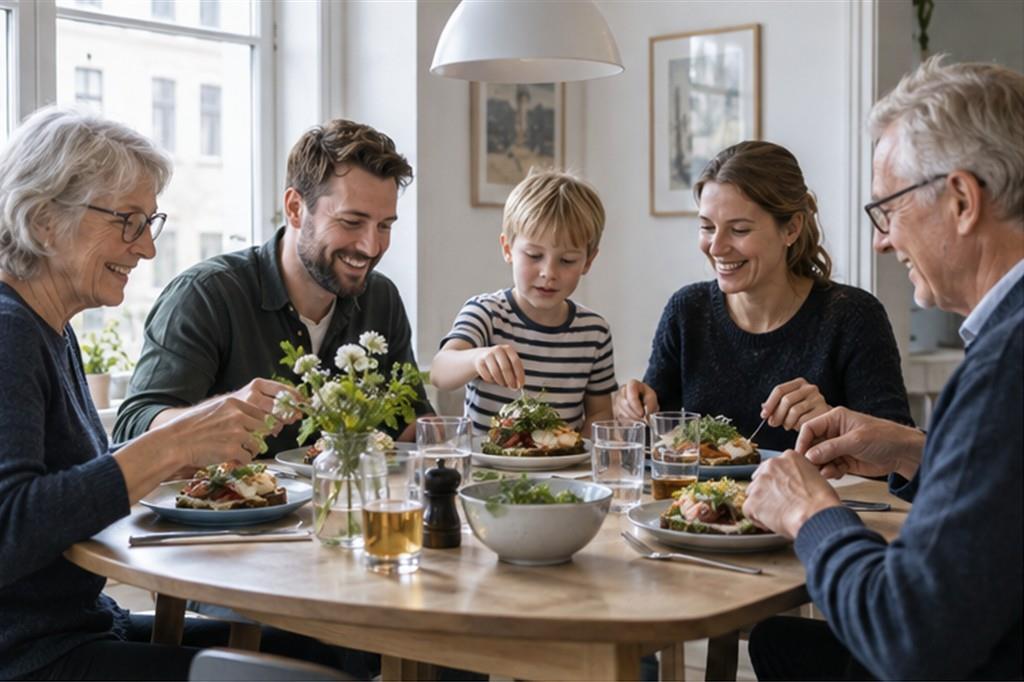 Danish smørrebrød: the open sandwich and the art of composing a lunch
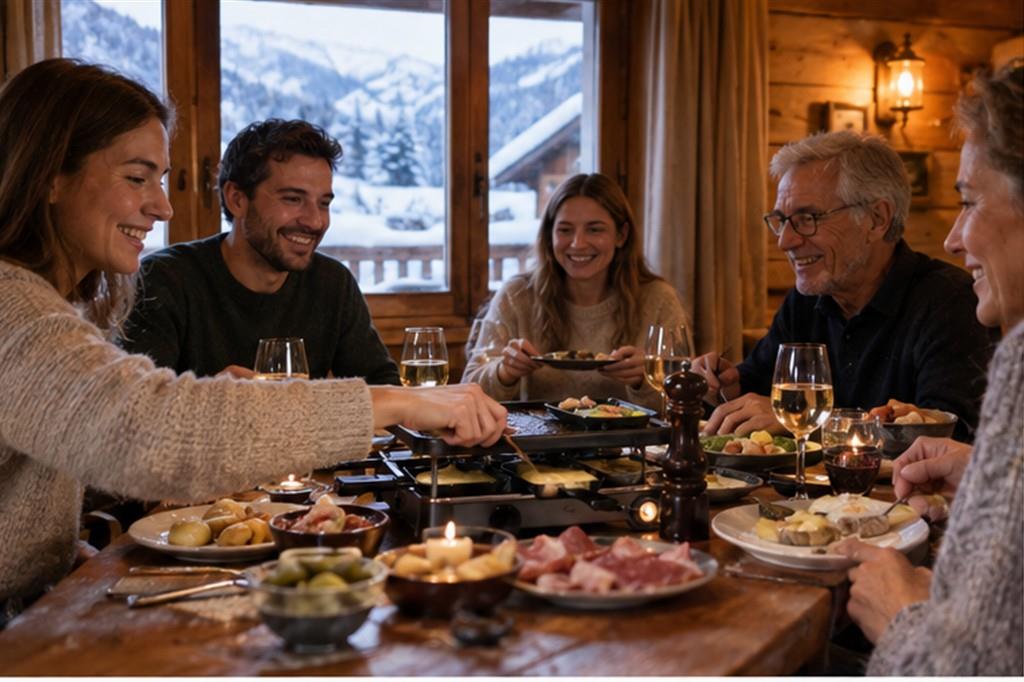 Swiss raclette: melted cheese and a shared table in the cold season
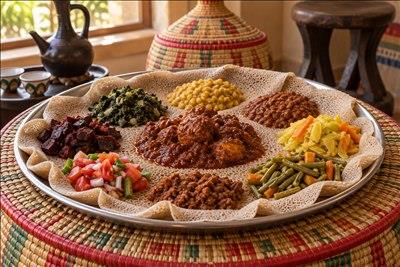 Injera in Ethiopia and Eritrea: the shared platter that binds a community
Đăng nhập để bình luận: / Sign in to comment: