



Southern Delicacies. Part 13: Tay Ninh
Although Trang Bang tapioca noodle soup and pork-rolled rice paper have appeared in many places, come all the way to Tay Ninh to savor the authentic taste of the Southeast region.
Trang Bang rice paper
Trang Bang is the land with the oldest settled population in Tay Ninh province. Today, even though the ancient village has turned into a bustling and lively urban area, it still preserves rustic dishes from times past. These include Trang Bang noodle soup, bamboo leaf pyramid dumplings...
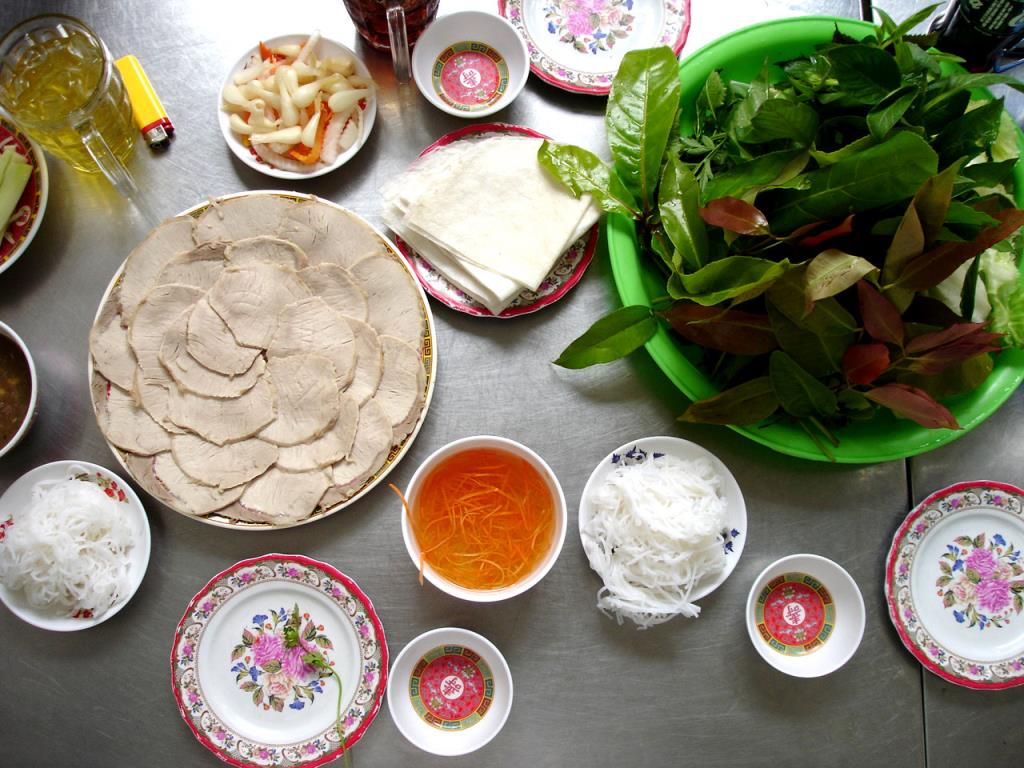
Most special of all is the dew-soaked rice paper. In Loc Du hamlet, Trang Bang town, there are many professional rice paper makers, which is why it is also known as the rice paper village.
The ingredient for making dew-soaked rice paper is simply rice flour, but it must be a special non-glutinous rice flour. To produce dew-soaked rice paper, one must go through several elaborate and meticulous steps. First, the rice is washed thoroughly. After that, it is ground with water into a wet batter, salted to taste, and then spread thinly over boiling steam in two layers. Once cooked, the rice paper is spread on bamboo racks to dry—just one day of good sunshine is enough. The next step is baking the rice paper. The oven resembles a large clay pot containing smoldering peanut shells inside. The baked rice paper puffs up evenly while still maintaining its white paper color… After baking, the rice paper is exposed to dew around dawn or at night; if there is heavy dew, it only takes fifteen minutes. Once exposed to the dew, it is wrapped tightly in fresh banana leaves to keep the rice paper soft and pliable.
The plate of boiled pork belly here is prepared very skillfully: fresh, high-quality meat is selected, boiled starting from cold water brought to a slow boil, removed as soon as it is just cooked, plunged into cooled boiled water to neutralize it, and then thinly sliced and arranged on a plate. The stack of rice paper is folded in half, as soft and pliable as a paper towel. When eating, you unfold it, add fillings, and roll it according to your preference without needing to dip it in water. White raw bean sprouts, translucent green cucumber cut into strips, pickled scallion heads—each on its own plate—and a small bowl of sweet and sour fish sauce with glistening white and red shreds of jicama and carrot. Plus a small bowl of ground black pepper. Finally, a platter of vibrant, fresh wild herbs and greens that look as if they were just plucked from the trees. It is precisely thanks to this tray of fresh herbs that Trang Bang's dew-soaked rice paper becomes nearly one of a kind, featuring herbs that seem to be found in full variety only in Trang Bang. Garden herbs include spearmint, water celery, perilla, fish mint, chives, cilantro, culantro... Wild herbs and young leaves growing in forests or along desolate riverbanks, streams, and canals include ambarella leaves, lantana leaves, cosmos leaves, wild almond leaves, sesame shoots, smilax shoots, fig shoots, cinnamon leaves... adding up to more than thirty types of herbs and young leaves.
When eating, one peels off a sheet of rice paper, lays it on a plate, and then layers preferred herbs, cucumber, and bean sprouts. Add one or two slices of pork, then roll it tightly to fit a bite size. Pour the fish sauce into a small bowl and pick up the roll to dip.
No one remembers exactly when Trang Bang dew-soaked rice paper originated, but it likely came after the noodle soup dish. Therefore, even though dew-soaked rice paper has become the main attraction, people still keep the name of noodle soup shops. That reputation has also brought Trang Bang noodle soup and rice paper to far-off regions and even exported them to several countries around the world. The people of Trang Bang take great pride in their homeland's dew-soaked rice paper, a specialty created from the creative intelligence and industrious hands of the land and people of Tay Ninh.
Dry noodle soup
Unlike the soup version, a bowl of dry tapioca noodle soup features the aroma of fried garlic oil, the rich taste of broth and peanuts, combined with the refreshing tang of pickles, served alongside colourful specialty herbs from the sun-drenched land of Tay Ninh.
Trang Bang noodle soup, dew-soaked rice paper... are dishes that many Saigonese have tried at least once and are familiar with by name. But what about dry tapioca noodle soup? It sounds unusual because people have always been accustomed to eating a hot bowl of noodle soup filled with noodles, herbs, bean sprouts, pork, and piping hot broth.
To make this dish, first blanch the tapioca noodles in broth so they absorb the flavor. Note that they are blanched in broth, not in plain boiling water. Blanch them just enough so the noodles become tender, toss them dry, and add finely minced pork. Afterwards, add fried garlic, roasted peanuts, pickles, herbs, cucumber, and finely shredded bean sprouts. Serve it with a small bowl of broth on the side.
Dry tapioca noodle soup is enjoyed with fresh green Tay Ninh specialty herbs, a fragrant custom-mixed dipping sauce, and a steaming bowl of broth containing pork hock or shank. This dish is suitable for diners who prefer eating dry noodles and soup separately, similar to dry hu tieu or dry egg noodles.
Mountain lizard: A new specialty found nowhere else in the world except Tay Ninh
For the first time, two new species of lizards were discovered, both belonging to the gecko family (Gekkonidae), genus Cyrtodactylus, found in the Ba Den Mountain area (Tay Ninh). Bachelor Nguyen Ngoc Sang (Institute of Tropical Biology, Ho Chi Minh City) was the first to discover and collect specimens. Mr. Sang and two Russian reptile and amphibian experts, Nikolai L. Orlov and Ilya S. Darevsky (Zoological Institute of St. Petersburg), described and named these two species.
The species Cyrtodactylus nigriocularis is locally known as thòi lòi (pop-eyed lizard) and the species Cyrtodactylus badenensis is named thằn lằn vạch (striped lizard)
. Both species live in rocky caves or on mountain cliffs and have only been recorded at elevations of 100–500 meters
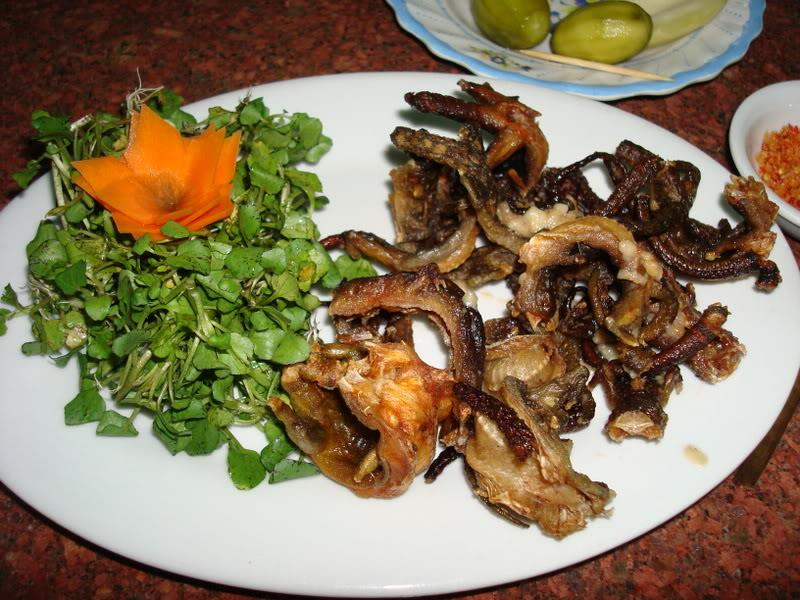
The striped lizard has white stripes on its back and tail, a yellow-brown head, and lives on rocky cliffs. The pop-eyed lizard has large black eyes. Compared to the striped lizard, the pop-eyed lizard is larger and harder to find because it usually hides deep inside rocky caves. Normally, the body of the pop-eyed lizard is brown, but its body color can change depending on light and living conditions.
[IMG alt=Mon ngon mien Nam. Part 13: Tay Ninh]http://khoanhkhacvietnam.vn/khampha/uploads/63%20Tinh%20thanh/52.%20T%C3%A2y%20Ninh/5.%20%E1%BA%A8m%20th%E1%BB%B1c/Mon%20ngon%205.jpg[/IMG]
The above discovery was published in the specialized Russian scientific journal Russian Journal of Herpetology, No. 3, Vol. 13, in 2006. According to experts, these two lizard species are completely new and had never been found anywhere else before. This new discovery shows that Ba Den Mountain is very unique not only in culture and history but also in biodiversity. Therefore, this area needs to be preserved and protected.
Although newly discovered species, local residents have already updated them into the list of local delicacies on par with monitor lizards, turtles, pangolins... because as reptiles, their meat is delicious and carries an authentic mountain flavor. Having said that, not only tourists visiting Tay Ninh but even residents from other parts of Tay Ninh rarely get a chance to taste this dish, as it is usually not sold commercially; one must place orders with mountain gatherers. Catching these tricky creatures requires tricks and patience akin to fishing: first spreading termites as bait in their habitat, then using a specialized fishing rod while hiding behind rock crevices, jerking them up one by one.
Ba Mountain xu snails
Tay Ninh has many hills and mountains, but xu snails live exclusively in the Ba Den Mountain region. Locals usually boil xu snails with lemongrass or steam them with ginger, intentionally preserving the characteristic flavor of mountain snails. Xu snail meat is chewy and crunchy, but it must be chewed slowly to fully appreciate its unique flavor. Dipping xu snails in lime pepper salt, taking a bite of lemongrass base or young ginger, chewing a few Vietnamese coriander leaves, and pairing them with Trang Bang sticky rice wine tastes absolutely marvelous.
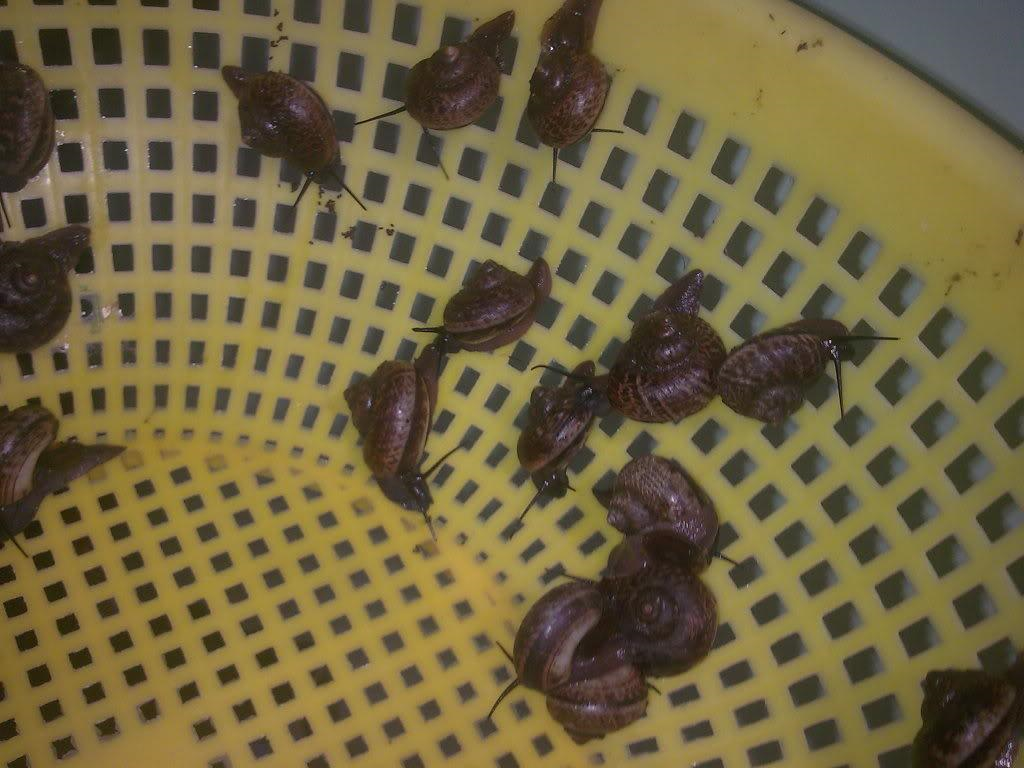
To get a steaming, mouth-watering plate of snails, snail gatherers must exert a lot of effort. They have to climb the mountain very early with tools consisting of a woven basket, a pole about one meter long, and a flashlight. Whenever they spot decaying leaves, they shine the light, use the pole to poke around, and... pick up snails.
Only during the breeding season or cool weather do mountain snails venture out to find mates and roam around. Normally, they hide deep under rock crevices and decaying leaves, making them very hard to find. Out of necessity, many people risk danger digging through those leaf layers, where they might easily encounter a cobra residing there. Mountain snails cannot be brought home for commercial farming because they only thrive in the natural mountain forest environment. Tay Ninh has a commercial snail farm, but it has only succeeded with apple snails and pond snails; for Ba Mountain snails, research and trial breeding are still ongoing.
Tay Ninh shrimp chili salt
This simple, rustic salt has become famous, adding a rich, savory flavor to Vietnamese meals. True to its name, the main ingredients for making this unique shrimp chili salt include three main components: coarse sea salt, chili, and dried shrimp.
The coarse salt must be cleanly processed—not just any coarse salt will do. Alongside are additional ingredients depending on the product variety, such as garlic, lemongrass, or monosodium glutamate (MSG). The second ingredient is fresh chili. Fresh chilies must be evenly ripe red. But the trick and beauty lies in choosing chilies grown in Tay Ninh soil, as they offer a mild spice without overpowering the palate. At large production facilities, incoming chilies have their stems removed and are washed with ozone water for disinfection. The indispensable third ingredient is dried shrimp. Experienced salt makers say: Dried shrimp is easy to choose, any type works, as long as it is clean and dry.

These three main ingredients are finely ground and mixed together. During the mixing process, depending on the product or the unique flavor recipe of each facility, makers add other seasonings like garlic, lemongrass, or MSG to create various distinct salt products.
An important step in producing shrimp chili salt is drying. In the past, workshops dried the salt manually by roasting it over a medium wood fire. Today, large facilities handle this step using drying ovens. Each processing facility holds its own secrets to craft the final finished product.
Grapefruit rind fermented roll (Nem bưởi)
Nem chay (the common name for grapefruit rind fermented roll) is a delicious and long-standing vegetarian dish in Tay Ninh. Beyond appearing on the four treasures platter at elegant vegetarian banquets, vegetarian nem is also found at markets and bus stations as an enticing snack that everyone can enjoy.
The main ingredient is naturally grapefruit rind, combined with finely shredded dried green papaya. Secondary ingredients include sour star fruit, bird's eye chili, peppercorns, Erythrina leaves, gooseberry shoots, banana leaves, and seasonings. After trimming off the outer green skin, the white grapefruit pith is thinly sliced and soaked in water for about an hour to swell evenly. It is then kneaded and rinsed repeatedly until it no longer tastes bitter, then squeezed dry in a press. Sour star fruit is thinly sliced, squeezed for juice, strained of seeds, and mixed thoroughly with the grapefruit rind before steaming.

It must be mixed thoroughly; if it doesn't absorb the star fruit juice, the grapefruit rind won't break down into a smooth paste, making the nem coarse and unappetizing. Once pounded, the grapefruit paste is placed in a bowl, seasoned to taste, and drizzled with annatto oil or shrimp-red food coloring for a pleasing shade. To make the nem crunchy and chewy, shredded papaya is mixed in.
The finished rolls can be eaten after about 4–5 hours, but they are not at their best yet. To be delicious, they should sit overnight for 10 hours or more. A good piece of nem is rosy pink, pleasantly chewy, with a blend of salty, sour, sweet, black pepper heat, and sharp chili spice... all coming together to create an unmistakable, unique flavor of vegetarian grapefruit rind nem.
Ba Den Four-Seasons Mango
Tay Ninh has many famous specialties such as rice paper, tapioca noodle soup, soursop, jackfruit... attracting tourists to visit. Now there is another trademarked specialty recognized by traders and consumers for its unique flavor found only in Tay Ninh: Ba Den Four-Seasons Mango, featuring a logo depicting the highest mountain in the South and conquering even demanding customers...

Visitors who have the opportunity to visit Bau Ra hamlet in Thanh Bac commune, Tan Bien district, more than ten kilometers from Highway 793, will encounter the four-seasons mango orchard of the four brothers of Mr. Nguyen Van Hien. Originally from Tra Vinh, they brought the variety here to plant and bought land to start a business, gaining recognition among residents of Tan Bien and Tan Chau districts since this fruit was first trial-sold at local markets. The trial sales were intended to test the market, as four-seasons mangoes command a higher price than other varieties. Many consumers have affirmed that it surpasses even Hoa Loc sand mangoes from the Mekong Delta. Notably, Ba Den Four-Seasons Mango is best enjoyed when semi-ripe, as fully ripe fruit is not as delicious; because four-seasons mangoes have little fiber, high starch, thin skin, and small seeds, ripe fruits bruise easily and become mushy. Since four-seasons mangoes bear fruit continuously year-round, they are called tứ quý (four seasons).
Ba Den Four-Seasons Mango has been trademarked and favored by most consumers; it should be propagated and expanded to supply consumption and exports to earn foreign exchange for the country. Many overseas Vietnamese, after trying Ba Den Four-Seasons Mango, have affirmed that Thai mangoes cannot compare with it./.
Trang Bang rice paper
Trang Bang is the land with the oldest settled population in Tay Ninh province. Today, even though the ancient village has turned into a bustling and lively urban area, it still preserves rustic dishes from times past. These include Trang Bang noodle soup, bamboo leaf pyramid dumplings...
Most special of all is the dew-soaked rice paper. In Loc Du hamlet, Trang Bang town, there are many professional rice paper makers, which is why it is also known as the rice paper village.
The ingredient for making dew-soaked rice paper is simply rice flour, but it must be a special non-glutinous rice flour. To produce dew-soaked rice paper, one must go through several elaborate and meticulous steps. First, the rice is washed thoroughly. After that, it is ground with water into a wet batter, salted to taste, and then spread thinly over boiling steam in two layers. Once cooked, the rice paper is spread on bamboo racks to dry—just one day of good sunshine is enough. The next step is baking the rice paper. The oven resembles a large clay pot containing smoldering peanut shells inside. The baked rice paper puffs up evenly while still maintaining its white paper color… After baking, the rice paper is exposed to dew around dawn or at night; if there is heavy dew, it only takes fifteen minutes. Once exposed to the dew, it is wrapped tightly in fresh banana leaves to keep the rice paper soft and pliable.
The plate of boiled pork belly here is prepared very skillfully: fresh, high-quality meat is selected, boiled starting from cold water brought to a slow boil, removed as soon as it is just cooked, plunged into cooled boiled water to neutralize it, and then thinly sliced and arranged on a plate. The stack of rice paper is folded in half, as soft and pliable as a paper towel. When eating, you unfold it, add fillings, and roll it according to your preference without needing to dip it in water. White raw bean sprouts, translucent green cucumber cut into strips, pickled scallion heads—each on its own plate—and a small bowl of sweet and sour fish sauce with glistening white and red shreds of jicama and carrot. Plus a small bowl of ground black pepper. Finally, a platter of vibrant, fresh wild herbs and greens that look as if they were just plucked from the trees. It is precisely thanks to this tray of fresh herbs that Trang Bang's dew-soaked rice paper becomes nearly one of a kind, featuring herbs that seem to be found in full variety only in Trang Bang. Garden herbs include spearmint, water celery, perilla, fish mint, chives, cilantro, culantro... Wild herbs and young leaves growing in forests or along desolate riverbanks, streams, and canals include ambarella leaves, lantana leaves, cosmos leaves, wild almond leaves, sesame shoots, smilax shoots, fig shoots, cinnamon leaves... adding up to more than thirty types of herbs and young leaves.
When eating, one peels off a sheet of rice paper, lays it on a plate, and then layers preferred herbs, cucumber, and bean sprouts. Add one or two slices of pork, then roll it tightly to fit a bite size. Pour the fish sauce into a small bowl and pick up the roll to dip.
No one remembers exactly when Trang Bang dew-soaked rice paper originated, but it likely came after the noodle soup dish. Therefore, even though dew-soaked rice paper has become the main attraction, people still keep the name of noodle soup shops. That reputation has also brought Trang Bang noodle soup and rice paper to far-off regions and even exported them to several countries around the world. The people of Trang Bang take great pride in their homeland's dew-soaked rice paper, a specialty created from the creative intelligence and industrious hands of the land and people of Tay Ninh.
Dry noodle soup
Unlike the soup version, a bowl of dry tapioca noodle soup features the aroma of fried garlic oil, the rich taste of broth and peanuts, combined with the refreshing tang of pickles, served alongside colourful specialty herbs from the sun-drenched land of Tay Ninh.
Trang Bang noodle soup, dew-soaked rice paper... are dishes that many Saigonese have tried at least once and are familiar with by name. But what about dry tapioca noodle soup? It sounds unusual because people have always been accustomed to eating a hot bowl of noodle soup filled with noodles, herbs, bean sprouts, pork, and piping hot broth.
To make this dish, first blanch the tapioca noodles in broth so they absorb the flavor. Note that they are blanched in broth, not in plain boiling water. Blanch them just enough so the noodles become tender, toss them dry, and add finely minced pork. Afterwards, add fried garlic, roasted peanuts, pickles, herbs, cucumber, and finely shredded bean sprouts. Serve it with a small bowl of broth on the side.
Dry tapioca noodle soup is enjoyed with fresh green Tay Ninh specialty herbs, a fragrant custom-mixed dipping sauce, and a steaming bowl of broth containing pork hock or shank. This dish is suitable for diners who prefer eating dry noodles and soup separately, similar to dry hu tieu or dry egg noodles.
Mountain lizard: A new specialty found nowhere else in the world except Tay Ninh
For the first time, two new species of lizards were discovered, both belonging to the gecko family (Gekkonidae), genus Cyrtodactylus, found in the Ba Den Mountain area (Tay Ninh). Bachelor Nguyen Ngoc Sang (Institute of Tropical Biology, Ho Chi Minh City) was the first to discover and collect specimens. Mr. Sang and two Russian reptile and amphibian experts, Nikolai L. Orlov and Ilya S. Darevsky (Zoological Institute of St. Petersburg), described and named these two species.
The species Cyrtodactylus nigriocularis is locally known as thòi lòi (pop-eyed lizard) and the species Cyrtodactylus badenensis is named thằn lằn vạch (striped lizard)
. Both species live in rocky caves or on mountain cliffs and have only been recorded at elevations of 100–500 meters
The striped lizard has white stripes on its back and tail, a yellow-brown head, and lives on rocky cliffs. The pop-eyed lizard has large black eyes. Compared to the striped lizard, the pop-eyed lizard is larger and harder to find because it usually hides deep inside rocky caves. Normally, the body of the pop-eyed lizard is brown, but its body color can change depending on light and living conditions.
[IMG alt=Mon ngon mien Nam. Part 13: Tay Ninh]http://khoanhkhacvietnam.vn/khampha/uploads/63%20Tinh%20thanh/52.%20T%C3%A2y%20Ninh/5.%20%E1%BA%A8m%20th%E1%BB%B1c/Mon%20ngon%205.jpg[/IMG]
The above discovery was published in the specialized Russian scientific journal Russian Journal of Herpetology, No. 3, Vol. 13, in 2006. According to experts, these two lizard species are completely new and had never been found anywhere else before. This new discovery shows that Ba Den Mountain is very unique not only in culture and history but also in biodiversity. Therefore, this area needs to be preserved and protected.
Although newly discovered species, local residents have already updated them into the list of local delicacies on par with monitor lizards, turtles, pangolins... because as reptiles, their meat is delicious and carries an authentic mountain flavor. Having said that, not only tourists visiting Tay Ninh but even residents from other parts of Tay Ninh rarely get a chance to taste this dish, as it is usually not sold commercially; one must place orders with mountain gatherers. Catching these tricky creatures requires tricks and patience akin to fishing: first spreading termites as bait in their habitat, then using a specialized fishing rod while hiding behind rock crevices, jerking them up one by one.
Ba Mountain xu snails
Tay Ninh has many hills and mountains, but xu snails live exclusively in the Ba Den Mountain region. Locals usually boil xu snails with lemongrass or steam them with ginger, intentionally preserving the characteristic flavor of mountain snails. Xu snail meat is chewy and crunchy, but it must be chewed slowly to fully appreciate its unique flavor. Dipping xu snails in lime pepper salt, taking a bite of lemongrass base or young ginger, chewing a few Vietnamese coriander leaves, and pairing them with Trang Bang sticky rice wine tastes absolutely marvelous.
To get a steaming, mouth-watering plate of snails, snail gatherers must exert a lot of effort. They have to climb the mountain very early with tools consisting of a woven basket, a pole about one meter long, and a flashlight. Whenever they spot decaying leaves, they shine the light, use the pole to poke around, and... pick up snails.
Only during the breeding season or cool weather do mountain snails venture out to find mates and roam around. Normally, they hide deep under rock crevices and decaying leaves, making them very hard to find. Out of necessity, many people risk danger digging through those leaf layers, where they might easily encounter a cobra residing there. Mountain snails cannot be brought home for commercial farming because they only thrive in the natural mountain forest environment. Tay Ninh has a commercial snail farm, but it has only succeeded with apple snails and pond snails; for Ba Mountain snails, research and trial breeding are still ongoing.
Tay Ninh shrimp chili salt
This simple, rustic salt has become famous, adding a rich, savory flavor to Vietnamese meals. True to its name, the main ingredients for making this unique shrimp chili salt include three main components: coarse sea salt, chili, and dried shrimp.
The coarse salt must be cleanly processed—not just any coarse salt will do. Alongside are additional ingredients depending on the product variety, such as garlic, lemongrass, or monosodium glutamate (MSG). The second ingredient is fresh chili. Fresh chilies must be evenly ripe red. But the trick and beauty lies in choosing chilies grown in Tay Ninh soil, as they offer a mild spice without overpowering the palate. At large production facilities, incoming chilies have their stems removed and are washed with ozone water for disinfection. The indispensable third ingredient is dried shrimp. Experienced salt makers say: Dried shrimp is easy to choose, any type works, as long as it is clean and dry.
These three main ingredients are finely ground and mixed together. During the mixing process, depending on the product or the unique flavor recipe of each facility, makers add other seasonings like garlic, lemongrass, or MSG to create various distinct salt products.
An important step in producing shrimp chili salt is drying. In the past, workshops dried the salt manually by roasting it over a medium wood fire. Today, large facilities handle this step using drying ovens. Each processing facility holds its own secrets to craft the final finished product.
Grapefruit rind fermented roll (Nem bưởi)
Nem chay (the common name for grapefruit rind fermented roll) is a delicious and long-standing vegetarian dish in Tay Ninh. Beyond appearing on the four treasures platter at elegant vegetarian banquets, vegetarian nem is also found at markets and bus stations as an enticing snack that everyone can enjoy.
The main ingredient is naturally grapefruit rind, combined with finely shredded dried green papaya. Secondary ingredients include sour star fruit, bird's eye chili, peppercorns, Erythrina leaves, gooseberry shoots, banana leaves, and seasonings. After trimming off the outer green skin, the white grapefruit pith is thinly sliced and soaked in water for about an hour to swell evenly. It is then kneaded and rinsed repeatedly until it no longer tastes bitter, then squeezed dry in a press. Sour star fruit is thinly sliced, squeezed for juice, strained of seeds, and mixed thoroughly with the grapefruit rind before steaming.
It must be mixed thoroughly; if it doesn't absorb the star fruit juice, the grapefruit rind won't break down into a smooth paste, making the nem coarse and unappetizing. Once pounded, the grapefruit paste is placed in a bowl, seasoned to taste, and drizzled with annatto oil or shrimp-red food coloring for a pleasing shade. To make the nem crunchy and chewy, shredded papaya is mixed in.
The finished rolls can be eaten after about 4–5 hours, but they are not at their best yet. To be delicious, they should sit overnight for 10 hours or more. A good piece of nem is rosy pink, pleasantly chewy, with a blend of salty, sour, sweet, black pepper heat, and sharp chili spice... all coming together to create an unmistakable, unique flavor of vegetarian grapefruit rind nem.
Ba Den Four-Seasons Mango
Tay Ninh has many famous specialties such as rice paper, tapioca noodle soup, soursop, jackfruit... attracting tourists to visit. Now there is another trademarked specialty recognized by traders and consumers for its unique flavor found only in Tay Ninh: Ba Den Four-Seasons Mango, featuring a logo depicting the highest mountain in the South and conquering even demanding customers...
Visitors who have the opportunity to visit Bau Ra hamlet in Thanh Bac commune, Tan Bien district, more than ten kilometers from Highway 793, will encounter the four-seasons mango orchard of the four brothers of Mr. Nguyen Van Hien. Originally from Tra Vinh, they brought the variety here to plant and bought land to start a business, gaining recognition among residents of Tan Bien and Tan Chau districts since this fruit was first trial-sold at local markets. The trial sales were intended to test the market, as four-seasons mangoes command a higher price than other varieties. Many consumers have affirmed that it surpasses even Hoa Loc sand mangoes from the Mekong Delta. Notably, Ba Den Four-Seasons Mango is best enjoyed when semi-ripe, as fully ripe fruit is not as delicious; because four-seasons mangoes have little fiber, high starch, thin skin, and small seeds, ripe fruits bruise easily and become mushy. Since four-seasons mangoes bear fruit continuously year-round, they are called tứ quý (four seasons).
Ba Den Four-Seasons Mango has been trademarked and favored by most consumers; it should be propagated and expanded to supply consumption and exports to earn foreign exchange for the country. Many overseas Vietnamese, after trying Ba Den Four-Seasons Mango, have affirmed that Thai mangoes cannot compare with it./.



 Fish sauce on the table across the three regions: from how it is mixed to what it is eaten with
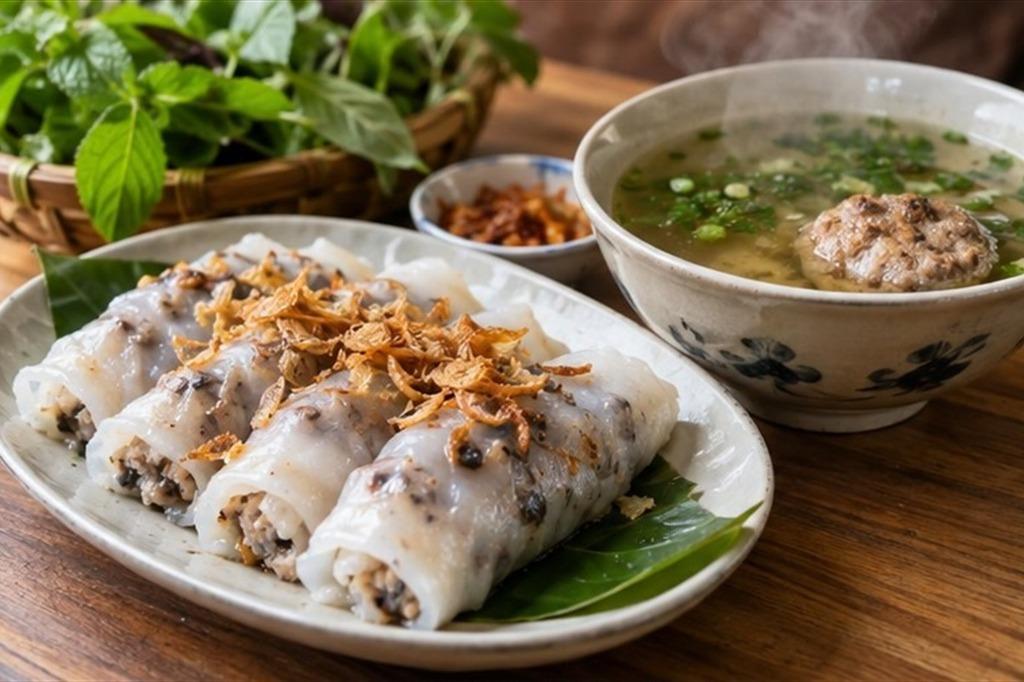 Cao Bang banh cuon: a thin rice sheet eaten with a bowl of hot broth on the frontier
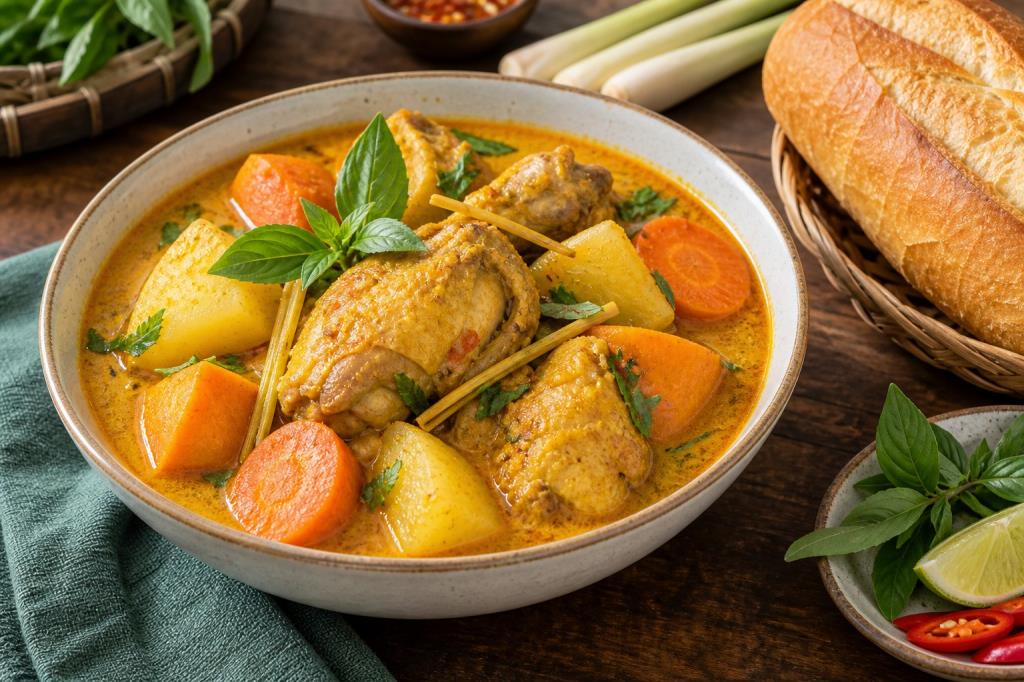 How to cook Vietnamese chicken curry: gently rich, tender meat and potatoes that hold together
 The coastal kitchen of central Vietnam: grilled fish, fermented sauce and getting through the storm season
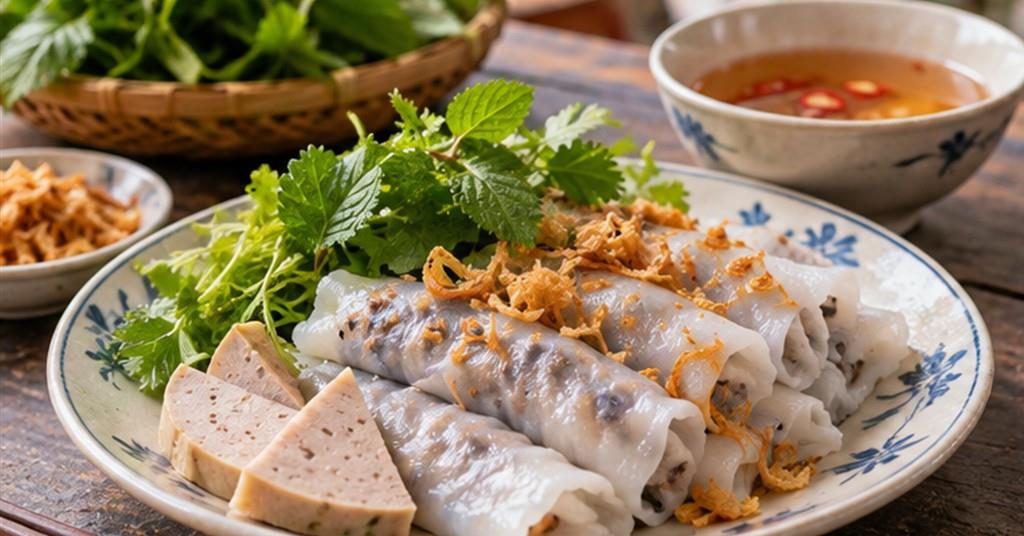 Bánh cuốn across the three regions: the same thin sheet, a different way of eating it
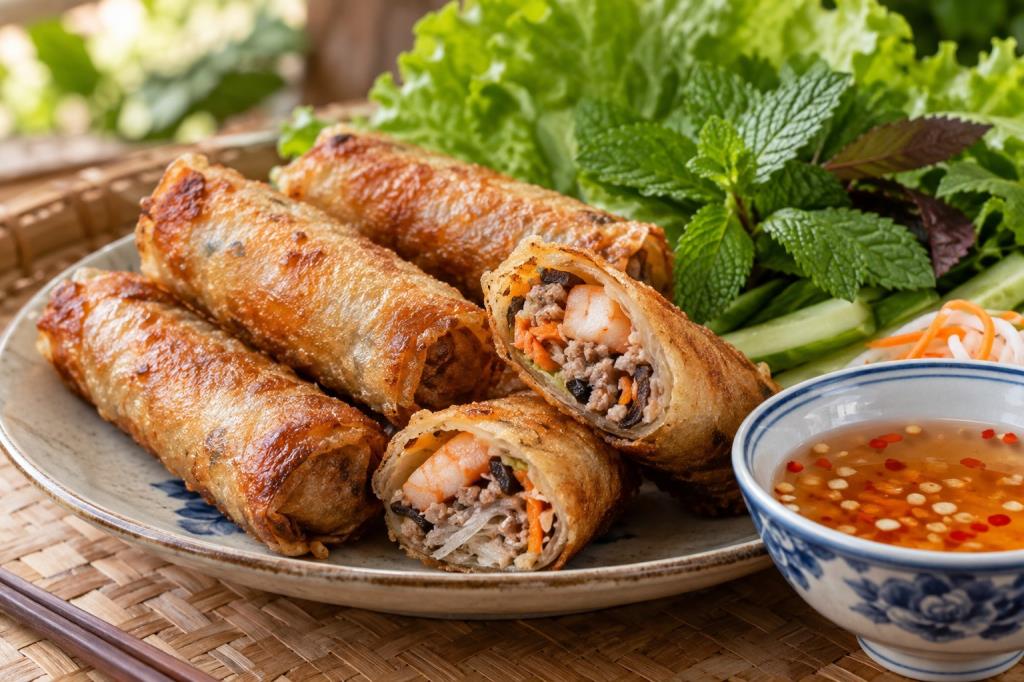 How to make cha gio that stays crisp, with an evenly cooked filling and no split wrappers
 What is it about a Vietnamese rainy-season meal that people far from home never forget?
 Banh cay from Thai Binh: from toasted sticky rice and malt syrup to a sweet beside the teacup
Đăng nhập để bình luận: / Sign in to comment: