



Ba Mu: A Cultural Icon of Vietnamese Folklore
In the treasure trove of Vietnamese folklore, Ba Mu (the birth goddesses) are a very familiar image closely tied to folk beliefs, especially in customs related to childbirth and childcare. Ba Mu are not only characters in fairy tales but also a profound symbol deeply imbued with humanistic values and respect for traditional values.
Who are Ba Mu?
Ba Mu are among the important figures in Vietnamese folk beliefs. According to legend, Ba Mu are deity goddesses tasked with protecting and assisting mothers during childbirth, while also caring for and nurturing babies from the moment they are born. In folk beliefs, Ba Mu are regarded as guardian deities of life, bringing good luck and peace to children.
There are various legends regarding the number and roles of the Ba Mu goddesses, but the most popular version speaks of three main goddesses: the first is the birth mother goddess – who assists the mother in delivering the baby; the second is the foster goddess – who cares for the newborn after birth, protecting and nurturing the child; and the third is the teaching goddess – who imparts life lessons to help the child grow up healthy and strong.
Beliefs and Rituals Related to Ba Mu
In folk life, Ba Mu are venerated through traditional rituals and ceremonies. One of the most special rituals is the Cung Mu ceremony (full-month ritual) – an offering ritual held when a baby reaches one month of age, aimed at praying for protection, good health, and peaceful development for the child. This ritual is usually prepared very meticulously by the family with an offering tray consisting of items such as betel leaves and areca nuts, boiled chicken, sticky rice, and various fruits.
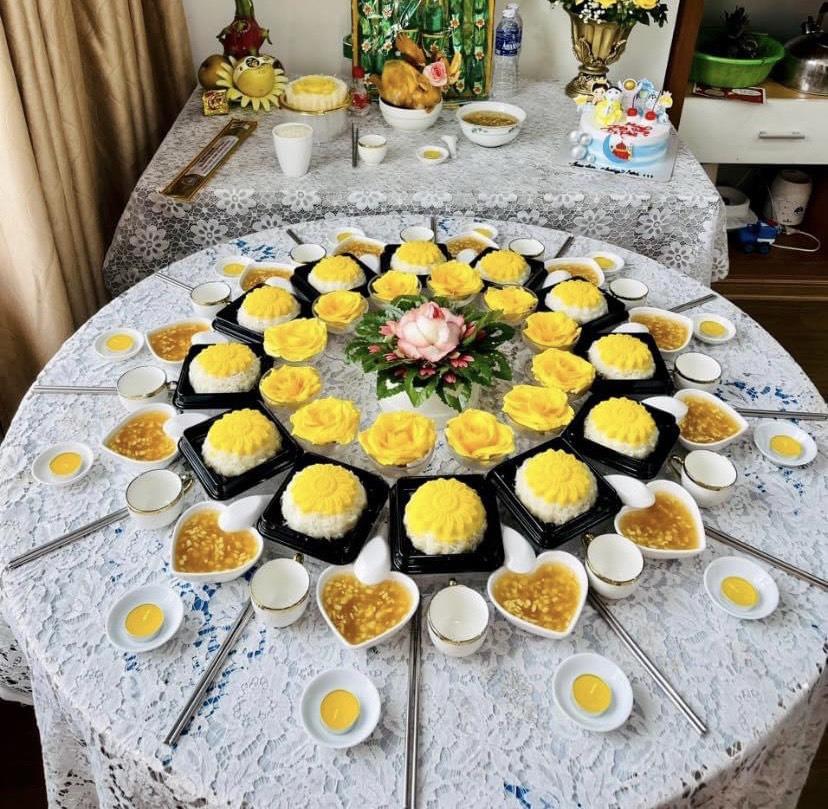
In addition, Ba Mu are also venerated in other rituals, such as offerings on special occasions when a child is born into a family. There are also unique customs specific to Vietnam, such as shaping figures of Ba Mu out of cakes or fruits on a child's birthday to pray for good luck.
Ba Mu and Concepts of Childbirth and Family
The image of Ba Mu reflects traditional concepts regarding the role of women in the family, particularly in nurturing life and sustaining future generations. Ba Mu embody maternal love, sacrifice, and protection. In ancient society, when medicine was not yet advanced, the role of midwives and Ba Mu was extremely crucial in ensuring the survival of both mother and child during childbirth.
This also demonstrates the Vietnamese people's deep respect for mothers, who have dedicated themselves to their families and communities. Thus, Ba Mu are not merely mythical figures, but also symbols of the strength and sacrifice of women in traditional society.
Ba Mu in the Modern World
Although modern society has undergone many changes in medicine and reproductive healthcare, the image of Ba Mu remains preserved in the minds of many generations of Vietnamese people. Offering rituals for Ba Mu and stories about them are still passed down within families, especially when a new child is born.
Therefore, Ba Mu are not only characters from ancient legends but also an integral part of the spiritual life of many Vietnamese people. Respect and gratitude toward Ba Mu reflect a long-standing cultural tradition, where every newborn child is embraced in loving arms and protected by sacred deities.
Conclusion
Ba Mu are a distinctive cultural symbol of the Vietnamese nation, closely linked to noble humanistic values and profound beliefs concerning childbirth, childcare, and the role of women in the family. The image of Ba Mu holds value not only in tradition but also reflects views on life, love, and child protection that every generation of Vietnamese people cherishes and preserves.
ola88.com


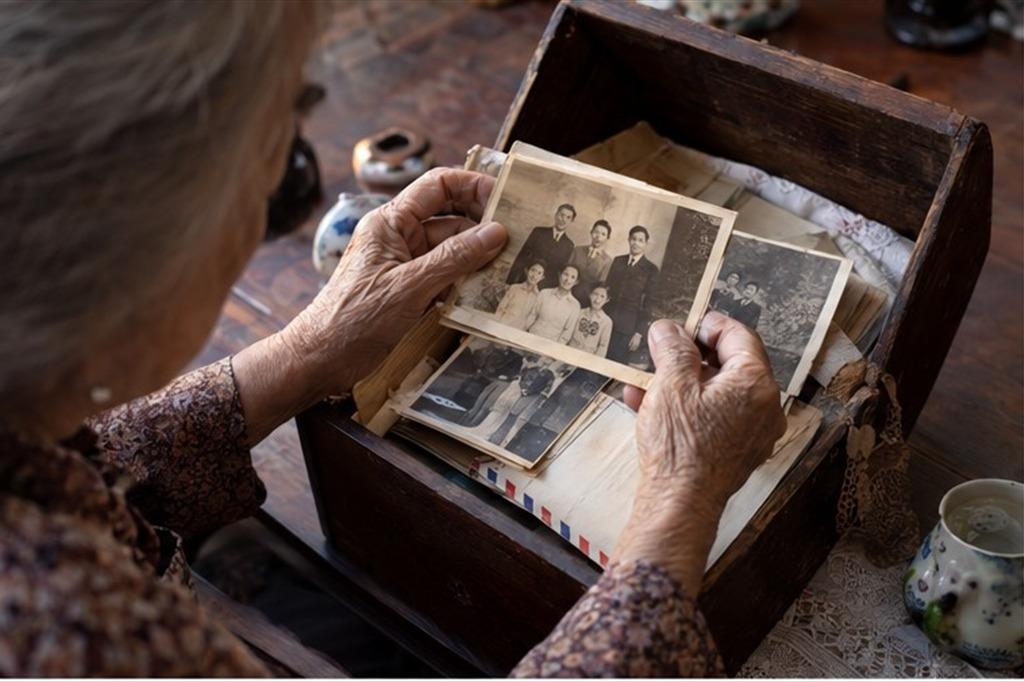 Letters, photographs and keepsakes: learning gratitude for earlier generations through family memory
 Easing neck and shoulder tension at a desk: adjusting your setup and changing position
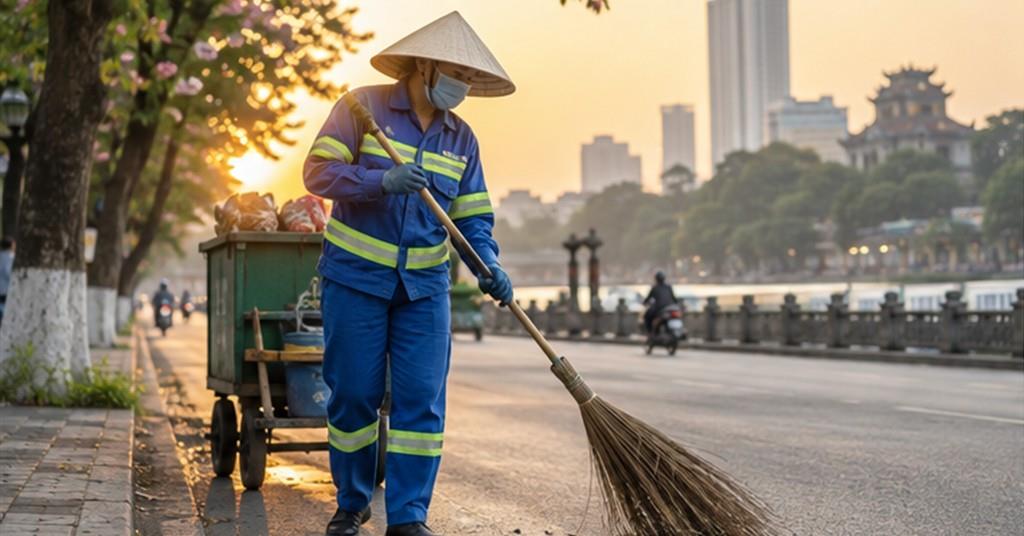 A city is clean and safe because of people who start their working day before we do
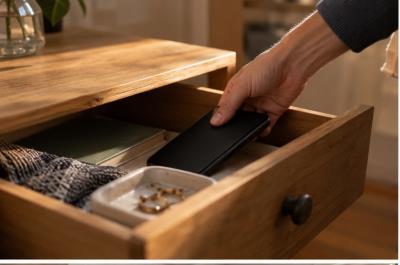 One phone-free hour a day: a small gap for returning to real life
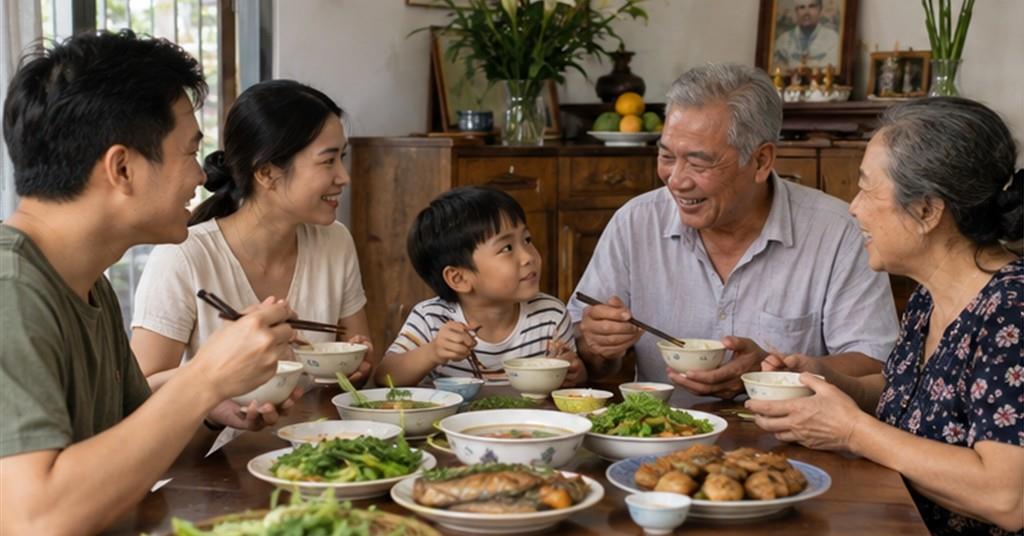 Small rituals that keep a family close inside a busy schedule
 Morning light and your sleep rhythm: building a steadier wake-up schedule
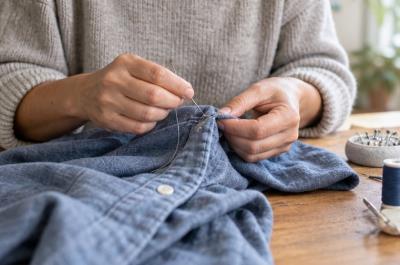 Repair instead of replacing in a hurry: a small habit for a sturdier home and less waste
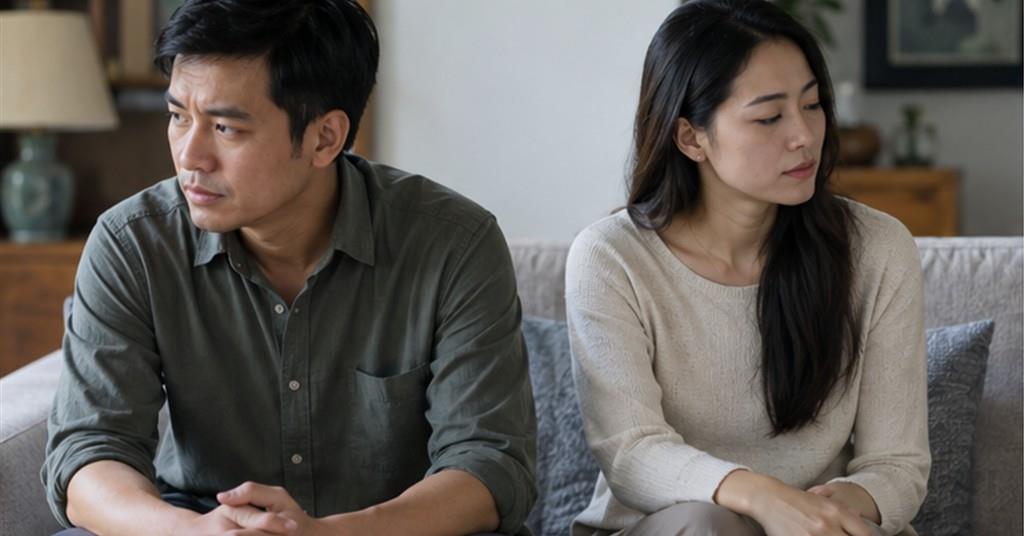 A happy family is not a family that never argues
Đăng nhập để bình luận: / Sign in to comment: