



Thonis–Heracleion: The Egyptian Trading Port Rediscovered Beneath Aboukir Bay
For centuries, Thonis in Egyptian texts and Heracleion in Greek sources were considered two different places. Stelae and ruins beneath Aboukir Bay reveal that they were two names for the same trading port that once controlled the maritime gateway to Egypt.
The city was located at the mouth of the Canopic branch of the Nile, about seven kilometers off the current coastline. Before the rise of Alexandria, ships from the Greek world entered Egypt through a system of harbors, canals, and temple complexes here. Soft delta soil, earthquakes, liquefaction, and changing water levels contributed to the areas sinking.
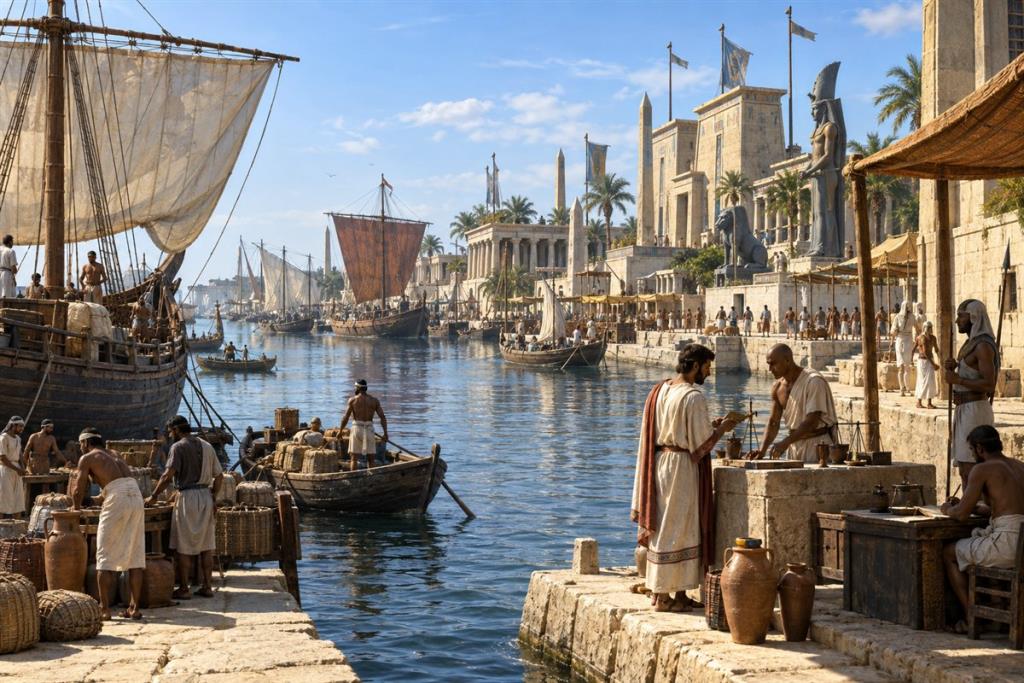
Which discovery confirmed the city's identity?
A granodiorite stela from the era of Nectanebo I carries an edict on taxes for goods passing through Thonis. The content is nearly parallel to a stela found at Naukratis, providing an anchor point for the name and economic function. Thus, the debate over whether Thonis and Heracleion were two cities or one city with two names was resolved based on texts at the site itself.
An international port emerges from the mud
Surveys recorded harbor basins, anchors, shipwrecks, statues, coins, ritual objects, and merchandise. More than 60 shipwrecks along with hundreds of anchors reflect dense activity over many centuries. Egyptian and Greek objects located in the same space show trade and cultural contact, rather than a city belonging entirely to a single community.
Why did the city disappear?
It was not necessarily a single night that submerged all of Thonis–Heracleion. Water-rich clay layers in the delta can lose their load-bearing capacity during tremors, causing heavy structures to subside and collapse. Relative sea-level rise, erosion, and the shifting of Nile branches continued the area's decline, while the commercial role shifted to Alexandria.
Which mysteries have been solved, and which remain?
The identity and basic location of the city now have strong evidence. The remaining work is to date each harbor area, reconstruct environmental developments, and understand the lives of the resident communities. Calling this the “Atlantis of Egypt” sounds appealing but obscures the unique story that archaeology has reconstructed.
Unanswered questions
- The exact sequence of subsidence and flooding events is still being studied.
- Most of the urban area remains under sediment, causing functional maps to change with each survey season.
- Many artifacts were displaced when structures collapsed, so the location where they were found is not always the original location of use.
Conclusion
Thonis–Heracleion is no longer an “undiscovered” city. The greatest mystery has been solved through inscriptions, geophysical surveys, and underwater excavations; what is fascinating now is how a multicultural trade gateway lived, weakened, and gradually sank in a volatile delta environment.



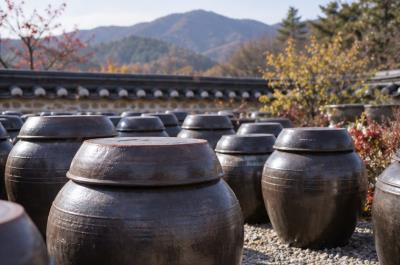 Korean kimchi and banchan: the craft of fermentation and a table built on sharing
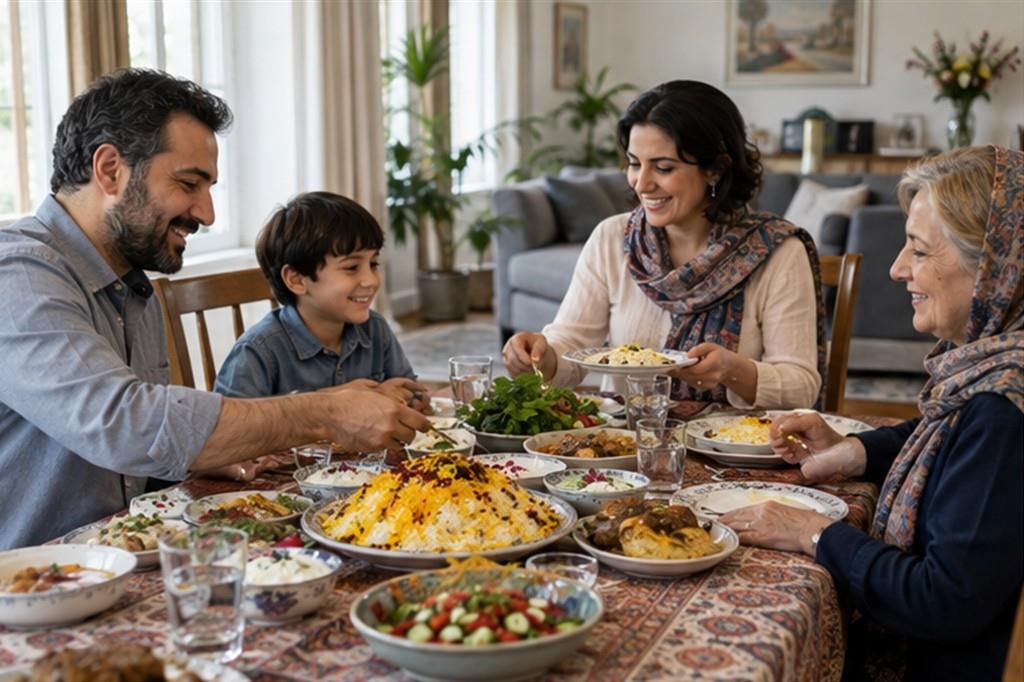 Persian rice and tahdig: saffron, a crisp bottom layer and the sofreh
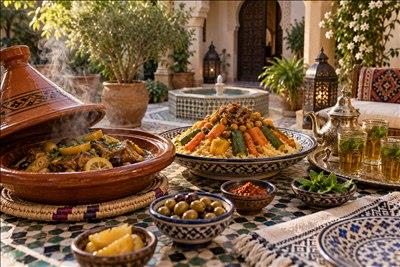 Moroccan couscous and tagine: rhythm, hospitality and the flavours of North Africa
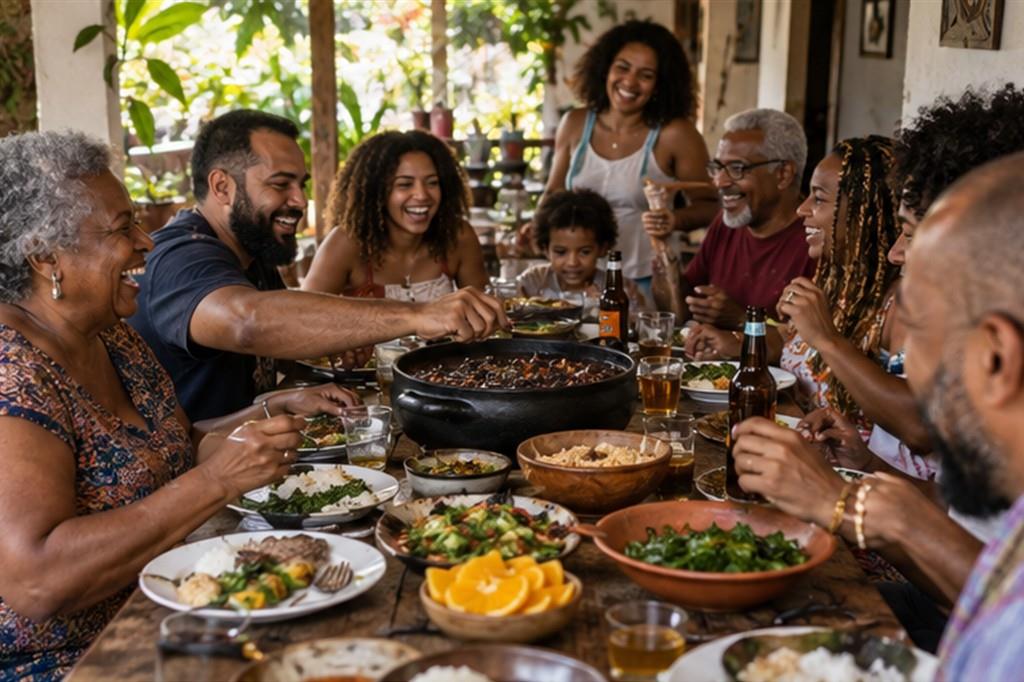 Brazilian feijoada: a pot of black beans, a weekend lunch and a story with many roots
 The Indian thali: a balanced tray that tells a regional story and a way of eating together
 Danish smørrebrød: the open sandwich and the art of composing a lunch
 Swiss raclette: melted cheese and a shared table in the cold season
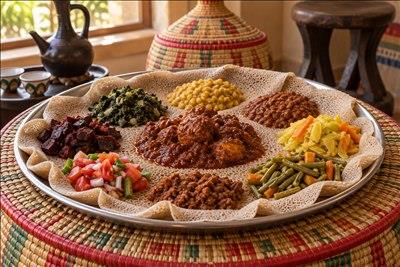 Injera in Ethiopia and Eritrea: the shared platter that binds a community
Đăng nhập để bình luận: / Sign in to comment: