



The City of Z and Percy Fawcett's Final Journey into the Amazon
In 1925, Percy Fawcett, along with his son Jack and Raleigh Rimell, entered Mato Grosso to find a place he called ‐Z‑. The three men never returned, leaving behind two often-conflated questions: what happened to them, and did the ancient Amazon ever host complex urban centers?
Fawcett was an experienced surveyor who had mapped parts of South America. He believed colonial records, terrain features, and pottery shards he encountered pointed to an ancient center in the jungle. Wanting to limit a dangerous rescue operation, the group traveled light and kept their route secret; this very decision has made reconstructing their final journey difficult.
The final traces of the expedition
The last messages were sent from an area Fawcett called Dead Horse Camp. After that, no journals, remains, or belongings have been definitively confirmed as belonging to the three men. Many search parties heard various accounts, but the passage of time, translation issues, and the motives of the storytellers make it impossible to piece together a single conclusion.
Was ‐Z‑ a city of stone?
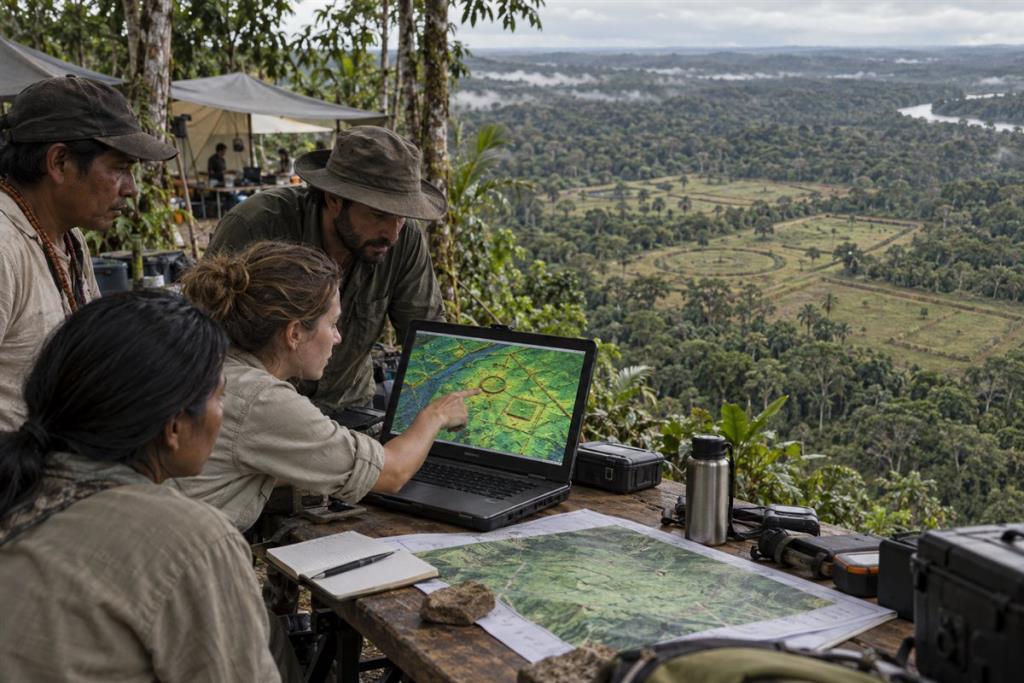
Fawcett's vision was influenced by early 20th-century notions that a large city must have monumental stone structures. Modern archaeology shows that many Amazonian communities built with earth and organic materials: causeways, moats, plazas, and planned residential areas still leave traces even though the houses have decomposed. Therefore, while the hypothesis of a complex society is true in a broad sense, it does not mean his specific City of Z has been found.
How has Lidar changed the picture of the Amazon?
Aerial surveys and lidar have identified thousands of house mounds, causeways, and geometric structures across many regions of the Amazon. These findings debunk the prejudice that the pre-European contact forest was a nearly empty space. However, they belong to many different cultures and eras, and are located at varying distances from where Fawcett disappeared; they cannot all be tied to a single ‐Z‑ label.
Plausible scenarios for the disappearance
Accidents, disease, starvation, or conflict could all have occurred in such harsh geographical conditions. No current scenario has decisive physical evidence. Attributing responsibility to a specific indigenous community without evidence is both inaccurate and repeats the colonial biases found in many old adventure stories.
Unanswered questions
- The exact route after the final telegram remains unknown.
- Accounts regarding the fate of the Fawcett party lack independent physical evidence for verification.
- It is unclear whether ‐Z‑ was a specific location or a composite image from various reports of Amazonian ruins.
Conclusion
Fawcett and his two companions remain an unsolved disappearance. Today's science simultaneously confirms a larger idea: the Amazon once hosted complex settlement networks. Both things can be true without needing to claim a new ruin is specifically Z.



 Korean kimchi and banchan: the craft of fermentation and a table built on sharing
 Persian rice and tahdig: saffron, a crisp bottom layer and the sofreh
 Moroccan couscous and tagine: rhythm, hospitality and the flavours of North Africa
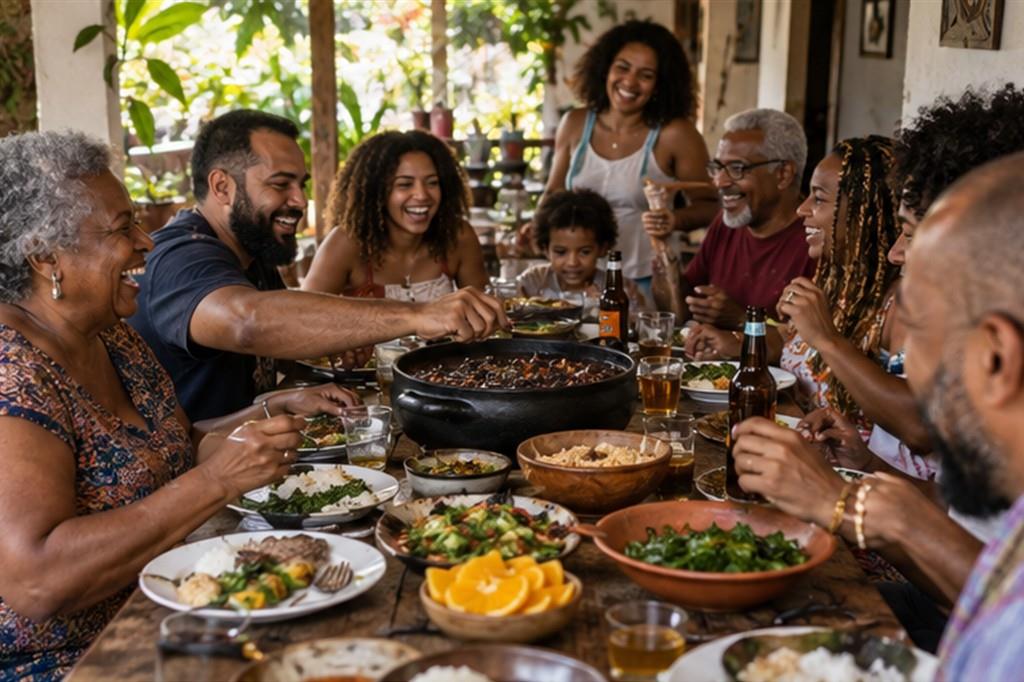 Brazilian feijoada: a pot of black beans, a weekend lunch and a story with many roots
 The Indian thali: a balanced tray that tells a regional story and a way of eating together
 Danish smørrebrød: the open sandwich and the art of composing a lunch
 Swiss raclette: melted cheese and a shared table in the cold season
 Injera in Ethiopia and Eritrea: the shared platter that binds a community
Đăng nhập để bình luận: / Sign in to comment: