



Japanese washoku: a philosophy of the seasons and the art of balance at the table
Washoku is not simply a list of familiar Japanese dishes. It is a way of watching the seasons, choosing ingredients, combining colours and arranging a meal so that it feels harmonious. A tray that looks plain can tell a story about climate, land, festivals, preserving techniques and the relationship between the person who cooks and the person who eats.
Sushi, tempura and ramen now appear all over the world, but looking only at a few famous dishes makes it hard to see the whole spirit of washoku. The idea is broader than a recipe: it takes in the rhythm of eating, how dishes are divided, the vessels, the greetings before and after a meal, restraint in seasoning, and an awareness of not wasting what nature has given.
How should washoku be understood?
In modern usage, washoku generally means the traditional food culture of Japan. The syllable “wa” points to what belongs to Japan, while “shoku” has to do with eating. Even so, its boundaries are not fixed. Family meals, festival dishes, fermentation techniques, table manners and the changes brought by international exchange all contribute to a face that keeps moving.
What matters is not turning washoku into an unchanging or overly perfect image. People in different parts of Japan have different climates, produce and family memories. An everyday meal is also far simpler than an elaborate kaiseki menu. What links them is a way of thinking about balance: between rice and the dishes, between deep flavours and clear ones, between fresh food and fermented food, between beauty and practicality.
The four seasons present at the table
Japan's seasons change sharply, so the idea of shun — the moment an ingredient reaches its characteristic best — matters a great deal. Young bamboo shoots and mountain vegetables announce spring; ayu, eel and cooling vegetables belong to summer; mushrooms, chestnuts, saury and root vegetables appear in autumn; daikon, napa cabbage, fatty fish and hotpots bring warmth to winter.
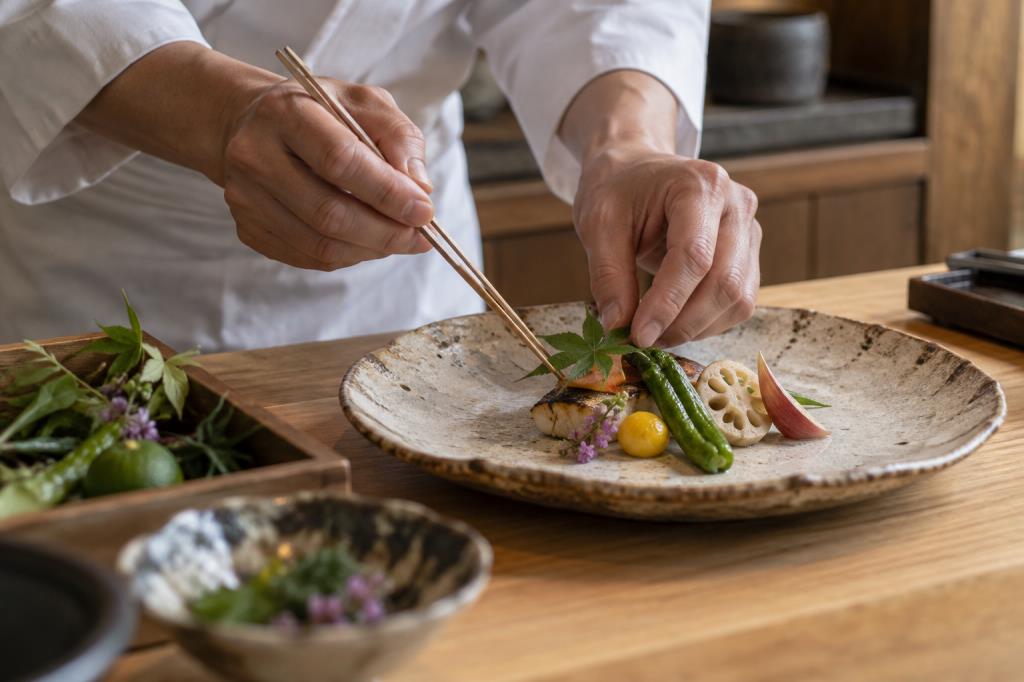
Eating with the seasons is not only about finding the best flavour. It is also a way of registering time. A maple leaf set beside grilled fish, a bowl with a cherry blossom pattern, a piece of vegetable cut into the shape of a leaf — each can evoke a season without explanation. Still, any decoration has to be safe and purposeful; the beauty of washoku lies in sufficiency, not in piling on symbols.
The structure of a balanced meal
A model often mentioned is ichiju sansai: one soup and three accompanying dishes, eaten with rice and pickles. It is a frame for understanding how a meal distributes its roles, not a hard rule for every household. Among the three, there may be one protein-rich main and two smaller dishes of vegetables, beans, seaweed or roots. Rice is the axis, while the dishes around it shift with the season and what the household has.
This structure lets the eater move between flavours and textures: a rich bite of grilled fish, a sip of clear soup, a little crisp pickle, then back to rice. Each vessel usually holds one dish, so the flavours do not blend too early and the eater sets their own order. A sense of abundance therefore does not have to come from a large portion.
Five colours, five tastes and many ways of cooking
One familiar way of looking is to seek variety across white, black, red, yellow and green; across sweet, sour, salty, bitter and umami; and across raw, simmered, grilled, steamed and fried. Not every meal needs to tick every box, but this way of thinking helps a cook avoid monotony of colour, taste or texture.
The colours come mainly from the ingredients: rice, daikon, seaweed, sesame, carrot, squash, leafy greens, miso and fish. The combination both pleases the eye and reflects a meal drawing on several food groups. At home, use what is in season and available rather than copying the look with artificial colour or inedible decoration.
Spring, through bamboo shoots and mountain vegetables
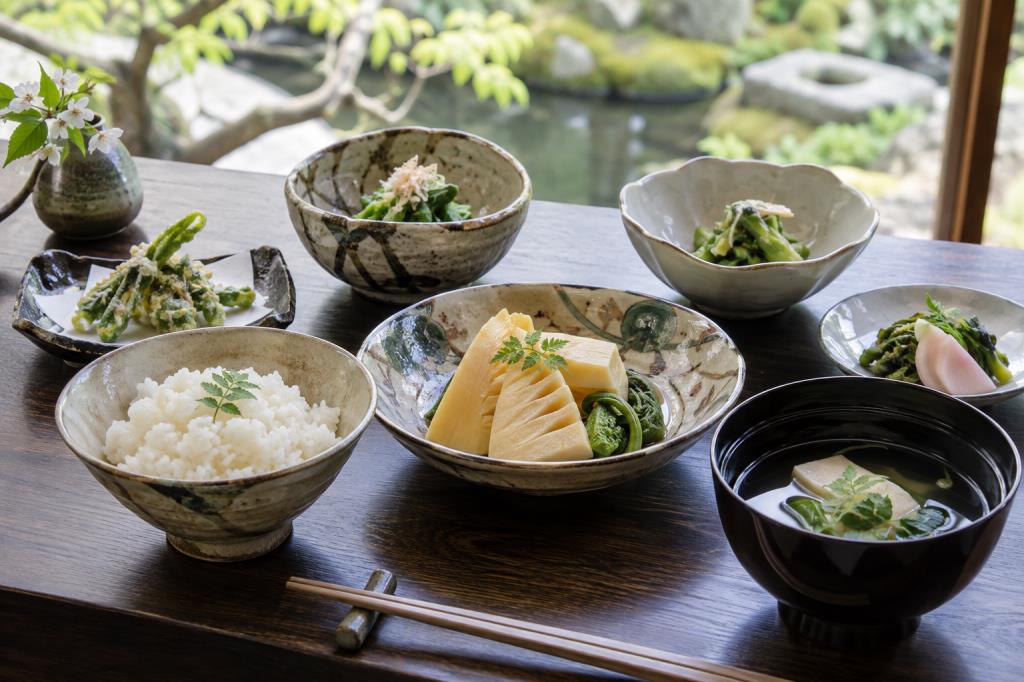
In spring, the slight bitterness of mountain vegetables is taken as a sign that body and appetite are stepping out of winter. Bamboo shoots need preparing to reduce their harshness; young shoots can be blanched, dressed, made into soup or turned into tempura. The seasoning is usually kept light so that the particular character of the young ingredient comes through.
A spring meal also shows how much timing matters. Bamboo shoots change flavour fairly quickly after being cut; young greens overcooked lose their colour and texture. The cook has to watch, taste and stop at the right moment. The technique is not there to show off but to bring the ingredient to the table at its best.
Dashi and a discreet layer of umami
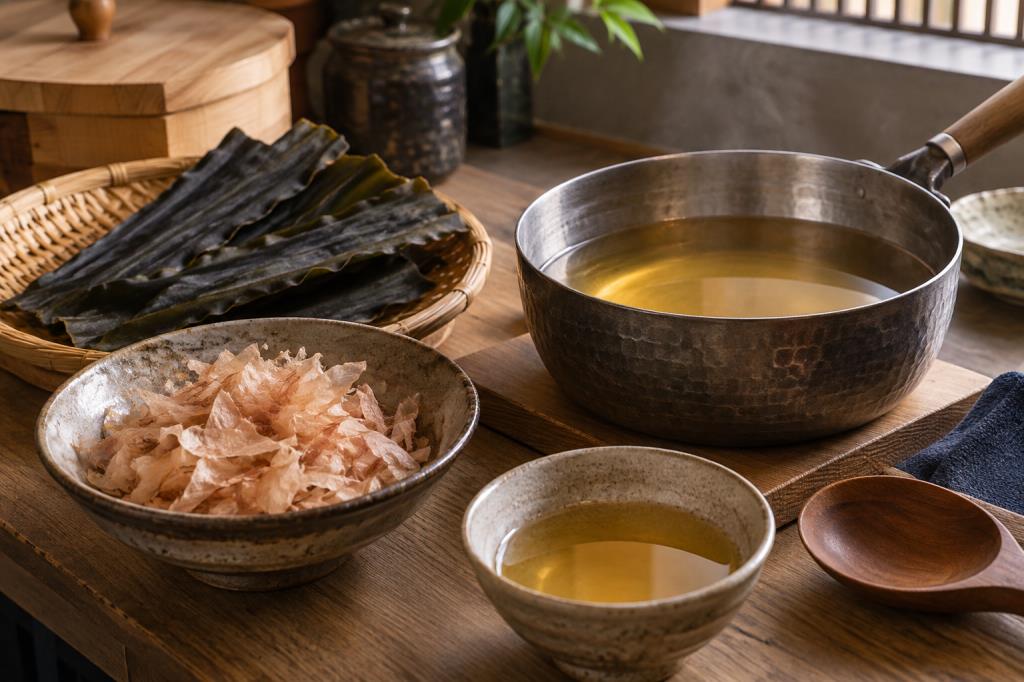
Dashi is the flavour base of many soups, simmered dishes and sauces. One common form pairs kombu with katsuobushi flakes; there are also dashi made from dried sardines, shiitake or vegetables. The aim is usually not a heavy stock but a layer of umami strong enough to lift the main ingredient without covering it.
With kombu, water boiled too long can make the taste coarse and the liquid cloudy. Katsuobushi is usually steeped briefly and then strained. The clear, fragrant first extraction can go into a clear soup; the remaining solids are sometimes used for a second extraction or a side dish. Using them more than once reflects a spirit of thrift and respect for the ingredients.
Seasonings: few, but not simple
Soy sauce, miso, mirin, sake, rice vinegar, salt and sugar are the familiar components, but what decides the result is proportion and timing. Miso should not always be boiled hard once stirred into soup; soy sauce added too early can lose its aroma; mirin needs time for its flavour to round out. A clean-tasting dish is not the same as a bland one: its layers are controlled so that no single element takes over.
Fermentation gives washoku a depth of its own. Miso and soy sauce carry flavours tied to the beans, the grain, the culture, the time and the region where they were made. Pickles help balance a meal, but the sodium still needs watching. Respecting tradition does not mean ignoring an individual's health needs; salt can be cut with good dashi, aromatic ingredients and sensible portions.
The vessels take part in the story too
Ceramic, lacquer, wood, bamboo and glass are chosen to suit the dish and the season. A deep bowl keeps soup hot; a long plate suits fish; glass brings coolness in summer; rough ceramics in muted colours suggest the cold months. A set need not match. Controlled difference creates rhythm, giving each dish its own space while the whole tray still holds together.
The empty space on a plate is usually treated as part of the composition. Food does not have to cover the surface. The direction the fish faces, the height of the vegetables and a small point of colour all guide the eye. Even so, function comes first: the bowl must be easy to hold, the chopsticks must reach, and the arrangement must not let the food go cold or become awkward to eat.
The words before and after a meal
The phrase itadakimasu before eating is generally understood as receiving something with gratitude; gochisousama afterwards acknowledges the effort that made the food. Behind a bowl of rice stand the growers, the fishers, the transporters and the cooks. These words are not only courtesy towards those at the table; they also recall the chain of labour and of life that made the meal.
While eating, do not stand chopsticks upright in rice, do not pass food directly from one pair of chopsticks to another, and use the chopstick rest when one is provided. A rice bowl or a small soup bowl is usually lifted close to the mouth. In a restaurant or someone's home, watching the host and asking gently is the best approach, since the etiquette can vary with the situation.
Washoku at festivals and in community life
The new year brings osechi ryori, dishes arranged in tiered boxes, each carrying a wish. Ozoni soup varies considerably by region — the kind of mochi, its shape, whether it is grilled, and the base of the broth. That very variation shows that “Japanese cuisine” is not a single uniform block.
Other observances have their own dishes tied to the time of year: red bean rice, seasonal wagashi, eel on certain summer days, soba on New Year's Eve. Once a dish takes part in a shared memory, its value goes beyond nutrition. A smell and a taste can carry someone back to a family kitchen or to an important moment in their life.
Regions give washoku many faces
Hokkaido stands out for seafood, dairy and the produce of a cold climate; Kansai is often mentioned for its clear broths and the food culture of Kyoto; Kyushu has its own styles of seasoning, noodles and stews; Okinawa carries a history of exchange along with subtropical ingredients. Even within one prefecture, home cooking and restaurant cooking can differ.
So naming the region, the community or the specific type of dish where you know it makes the account more accurate. A dish altered through migration and trade does not lose its value for that. Tradition survives through its capacity to adapt, as long as whoever tells the story does not erase the origins and the hands that kept it alive.
The spirit of not wasting
The idea of mottainai expresses regret when something still useful is thrown away. In the kitchen, peels and vegetable stems can add flavour to stock; the kombu and bonito left after making dashi can become furikake; leftover rice turns into ochazuke or grilled rice balls. Using things up does not mean eating food that is no longer safe: it means planning ahead and handling ingredients properly while they are still good.
Sustainability today is more complicated than finishing your food. Fish stocks, climate impact, packaging, energy and the future of farming are all involved. A spirit of respect for nature only means something when it comes with responsible choices, sensible portions and concern for the people who produce the food.
Common misconceptions
Washoku is just sushi and sashimi
Raw fish is only a small part. Rice, soup, cooked vegetables, tofu, grilled dishes, fermented foods and thousands of local dishes make up the wider picture. A family meal usually leans heavily on cooked dishes and ordinary ingredients.
Japanese food is always low in calories and healthy
Variety and portion size can support a balanced diet, but fried dishes, noodles, fatty meat, sweets and salt all still count. Attaching a health label to an entire cuisine while ignoring the specific dish and how it is actually eaten is a mistake.
The more elaborate the plating, the truer to the spirit
The beauty of washoku usually comes from observing the ingredients and from restraint. Too many accessories, unsafe flowers and leaves, or shapes with no connection to the food can pull the focus away. A bowl of properly cooked rice, a plate of fragrant grilled fish and a clear soup can already express care very plainly.
A more respectful way to experience washoku
- Learn the name of the dish, the region and the season instead of calling everything “Japanese food”.
- Watch how it is served before adding a lot of soy sauce or seasoning.
- Ask about raw fish, gluten, soy, sesame, egg and other allergens when you need to.
- Do not assume every vegetable dish is vegan, since dashi may contain fish.
- Order a sensible amount and add more later, to avoid leaving food.
- Ask permission before photographing cooks, private spaces or rituals.
- Respect the difference between a home meal, a casual eatery and a formal restaurant.
Ideas for a meal inspired by washoku
You might start with rice, a bowl of vegetable or miso soup, grilled fish or tofu as the main, blanched greens dressed with sesame and a little pickle. Pick two or three natural colours, use vessels that fit the dish and leave empty space. If Japanese ingredients are missing, use local vegetables in season and say clearly that this is an inspired version, not an “authentic” copy.
What is most worth learning is not how to buy a great many imported seasonings, but how to look closely at the ingredients in front of you: which vegetable is fresh today, whether the weather calls for something warm or cooling, which flavour is already enough, what can be done with the leftovers. When those questions lead the way, even a simple meal can touch the harmony that washoku is after.
Conclusion
Washoku is compelling because it turns a meal into a dialogue between people and time. The season is present in the ingredients, the vessels and the colours; technique lifts flavour without covering it; the rituals recall gratitude; and restraint lets each dish keep its own voice. Understanding washoku therefore does not stop at recognising Japanese dishes: it means learning to eat more slowly, to look more closely and to value the road the food took to the table.


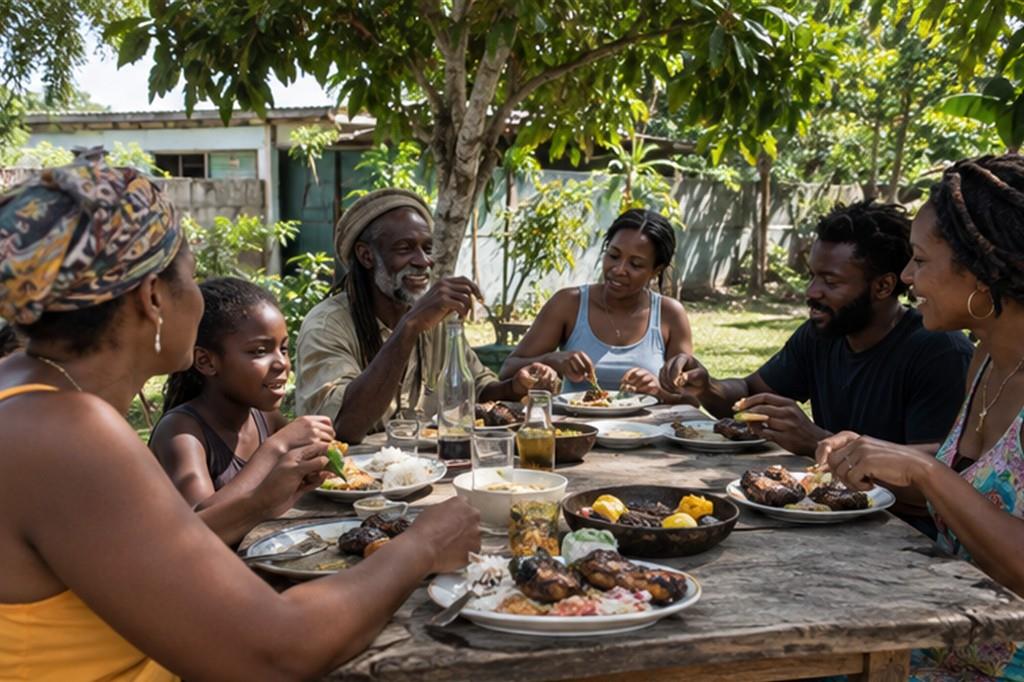 Jamaican jerk: the scent of pimento, the smoke pit and a community's living heritage
 Korean kimchi and banchan: the craft of fermentation and a table built on sharing
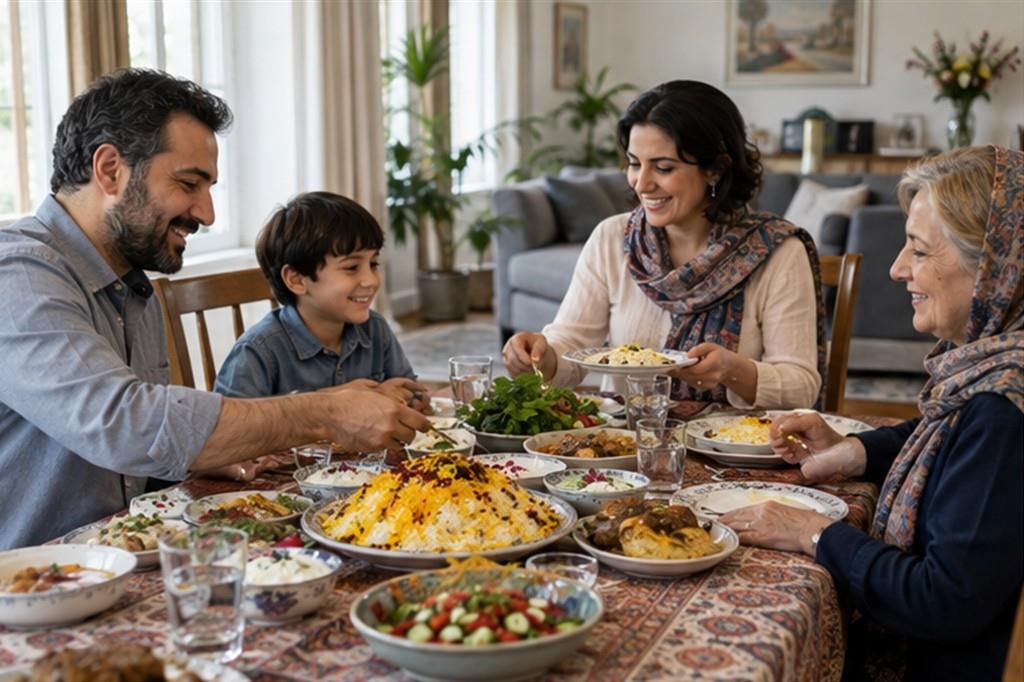 Persian rice and tahdig: saffron, a crisp bottom layer and the sofreh
 Moroccan couscous and tagine: rhythm, hospitality and the flavours of North Africa
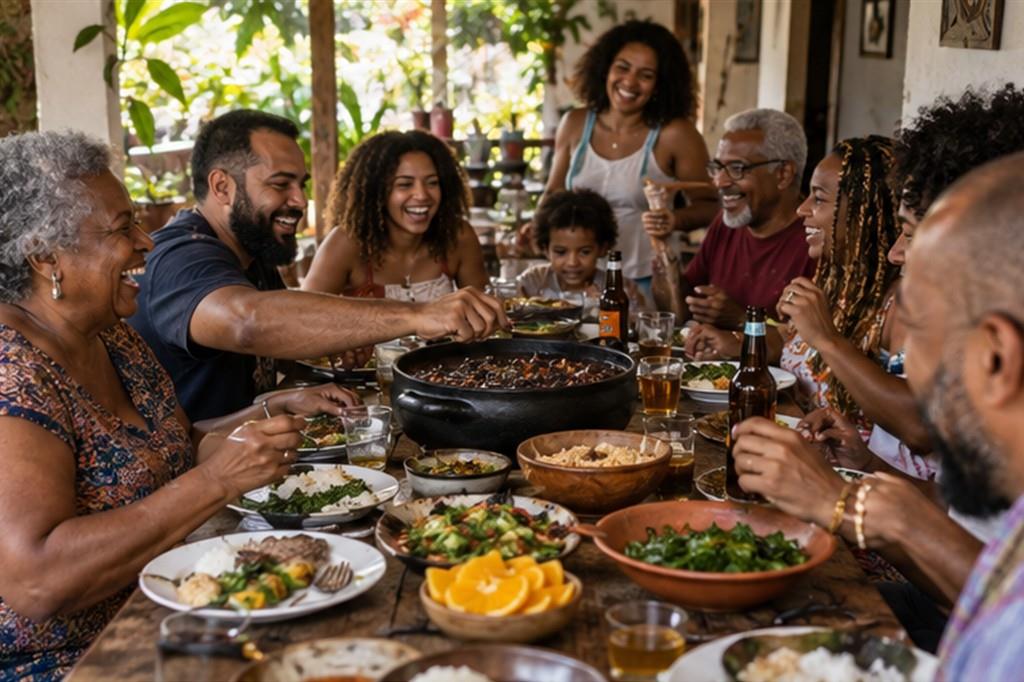 Brazilian feijoada: a pot of black beans, a weekend lunch and a story with many roots
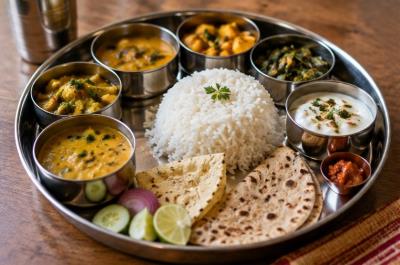 The Indian thali: a balanced tray that tells a regional story and a way of eating together
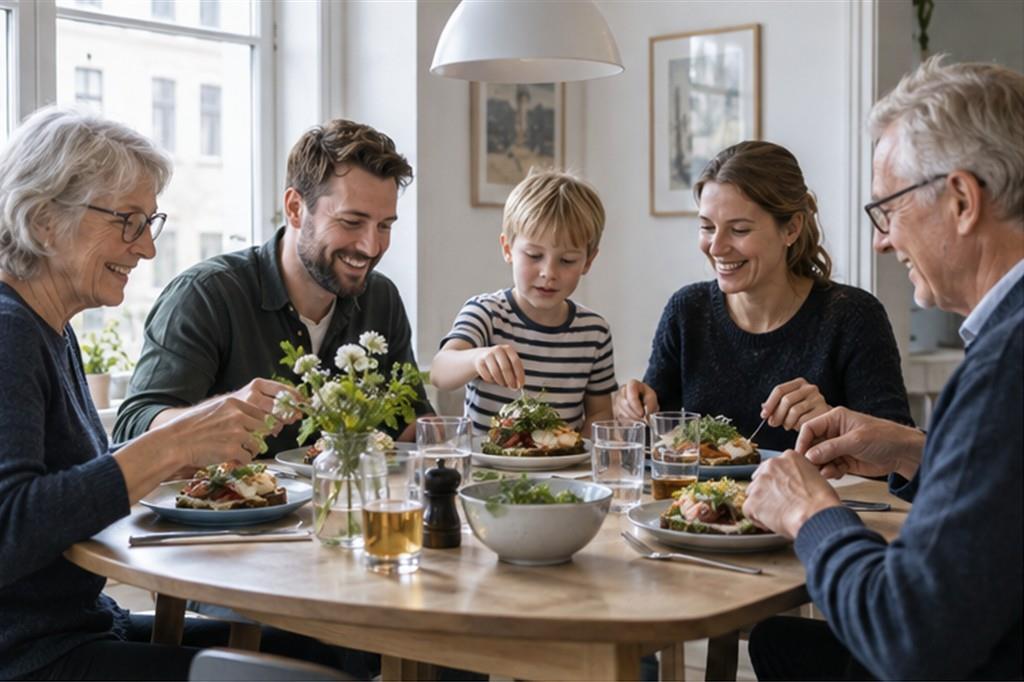 Danish smørrebrød: the open sandwich and the art of composing a lunch
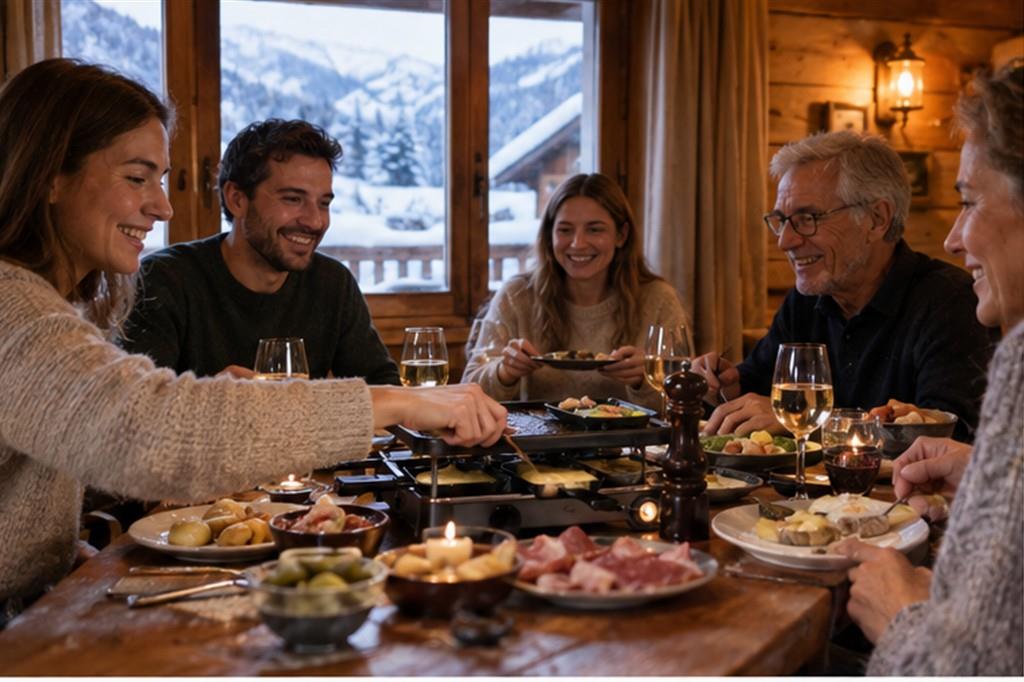 Swiss raclette: melted cheese and a shared table in the cold season
Đăng nhập để bình luận: / Sign in to comment: