



Peruvian ceviche: the sea, lime and the moment freshness decides everything
Peruvian ceviche brings together fish, lime juice, red onion, chilli and herbs in a dish that looks minimal but depends strictly on freshness, temperature and the moment it is served. The acid changes the texture of the surface of the fish, but it does not take the place of proper safety control for raw seafood.
Ceviche has many variants within Peru and across Latin America. The fish, the accompaniments, the heat, the marinating time and even the name differ. This article focuses on its cultural role and on the principles of experiencing it safely, rather than treating one restaurant plate as the only standard.
Quick facts
- Associated area: the Peruvian coast, with many regional variants.
- Familiar ingredients: fish, lime, red onion, chilli and coriander.
- Accompaniments: corn, sweet potato and local ingredients depending on the place.
- Serving: made close to eating time and kept cold.
- Risk: raw seafood can carry microorganisms or parasites.
From the landing to the plate
Quality starts before the kitchen: the right species, how it was caught and the cold chain decide the texture. Strong lime and chilli can mask the signs of decline, so a reliable supply matters more than any marinating secret. Whoever prepares it must keep the utensils used for raw fish apart from other ready-to-eat food.
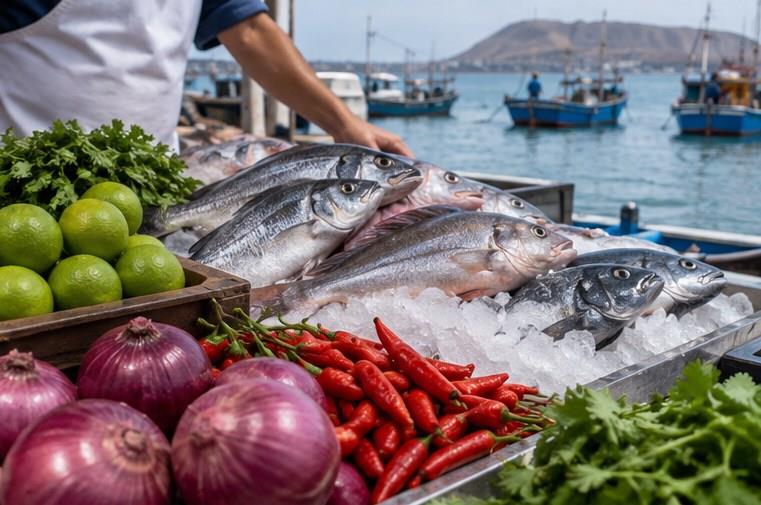
Lime changes the fish but does not cook it safe
Acid denatures the proteins at the surface, turning the fish white and firm. That process does not guarantee the destruction of every pathogen the way heating does. So the phrase “the lime cooks the fish” describes a sensation and some surface chemistry, not a promise of safety.
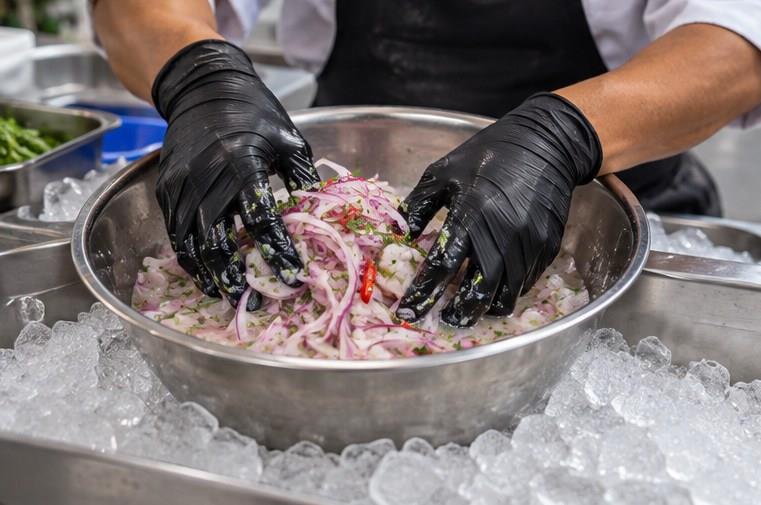
Leche de tigre and the structure of flavour
The cloudy, fragrant liquid that forms from the fish juices, lime, onion, chilli and seasonings is usually called leche de tigre. It ties together salt, acidity, heat and umami. The proportions vary from cook to cook; drinking it or serving it on its own carries the same risks if it has been in contact with raw fish.
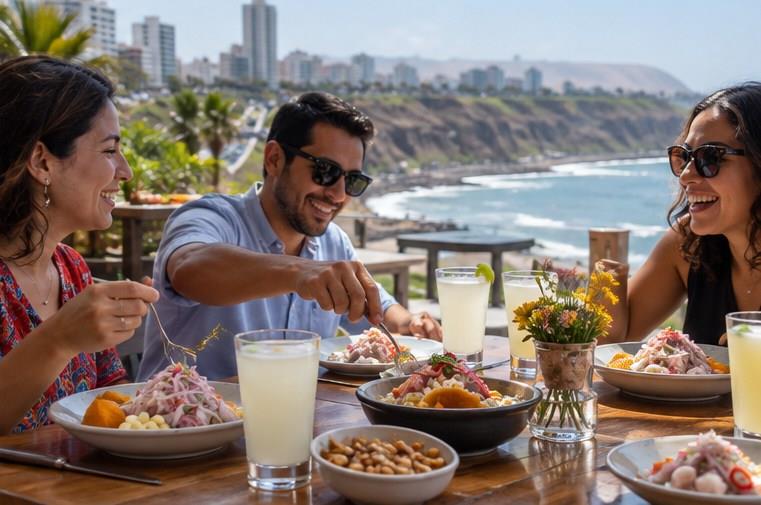
Corn and sweet potato balance the plate
Sweet potato brings sweetness and corn brings either starchiness or crunch, softening the lime and the chilli. The accompaniments are not decoration; they set a rhythm of texture. Through them, ceviche tells a story that links the sea with crops and with Peru's other ecological zones.
Eating ceviche as an experience of timing
It is usually at its best right after it is tossed: left too long, the fish can turn tough, the onion loses its crunch and the lime goes flat. Choose a place with steady custom, a clean kitchen and ingredients kept cold. Anyone in a higher-risk group should avoid raw seafood and choose fully cooked dishes instead.
How to look at a living tradition
No region or community should be reduced to a single recipe. Ingredients, names and ways of serving shift with the season, the family, religion, occupation and patterns of migration. What is shared shows a history of exchange; what differs shows the capacity to adapt.
When you go and try it, use the right name for the dish and the region if you know them, listen to the people making it, ask before photographing private spaces, and avoid treating the word “authentic” as an absolute stamp. A new version still has value as long as it says what has changed and respects the people who keep the craft alive.
Common misunderstandings
Lime juice kills all bacteria and parasites
Acid is no substitute for proper freezing procedures, a cold chain and safe heating.
The longer the fish marinates, the safer it is
A longer marinade mainly makes the texture tougher; it does not turn a raw dish into a safely cooked one.
Practical suggestions and things to try
- Choose a place with a clear cold chain.
- Ask what fish it is and when it was prepared.
- Eat it as soon as it has been tossed.
- Do not leave the plate in the sun or at room temperature for long.
- Declare any fish or shellfish allergy.
- Higher-risk groups should choose cooked dishes.
- Do not make it yourself with fish that is not clearly fit to eat raw.
Observation checklist
- What context, season and audience is being talked about?
- Which details are facts, and which are impressions or personal choices?
- How do the ingredients, tools or setting affect the outcome?
- Are there any safety, allergy, cost or privacy risks to check?
- What small thing could you try today and review later?
Important note
Young children, pregnant people, older adults and anyone with a weakened immune system should avoid raw seafood. Anyone allergic to fish or shellfish should ask specifically about cross-contact.
Conclusion
Ceviche impresses through immediacy: the sea, the lime and the cook's hands meet within a few minutes. That very simplicity demands a high degree of transparency about ingredients and safety, so that freshness is a real experience rather than just a line of advertising.


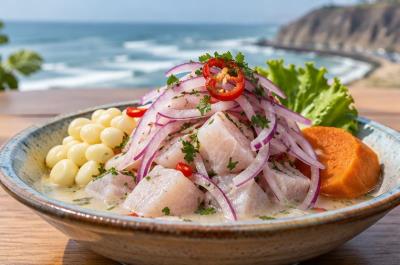 Peruvian ceviche: the sea, lime and the moment freshness decides everything
 Swedish fika: why a cup of coffee can become a social pause
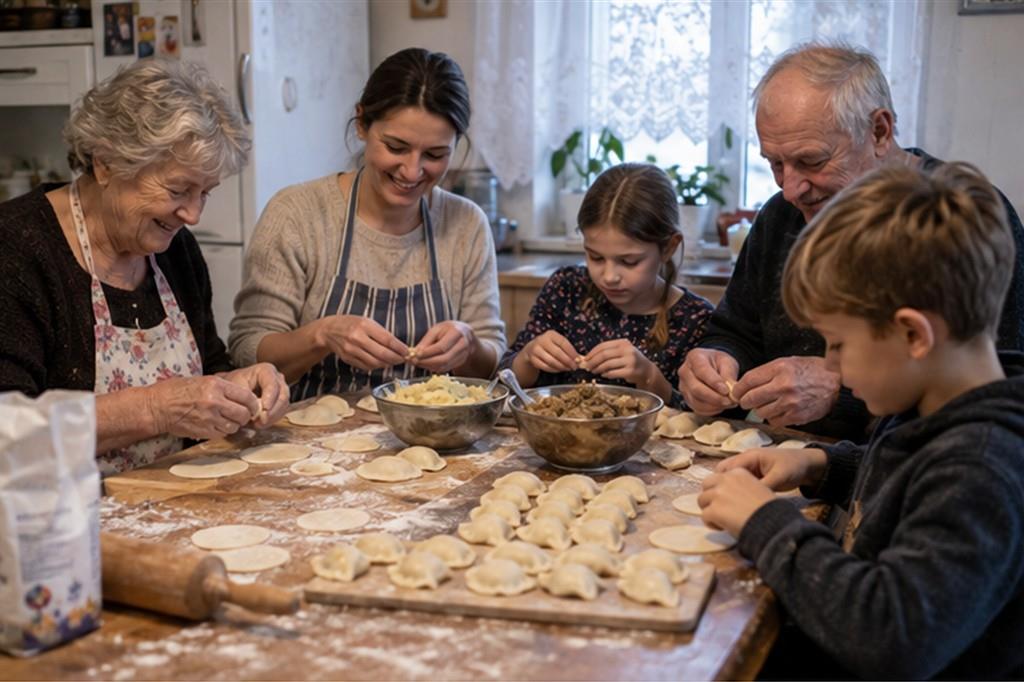 Polish pierogi: small folds of dough and the memory passed around a kitchen table
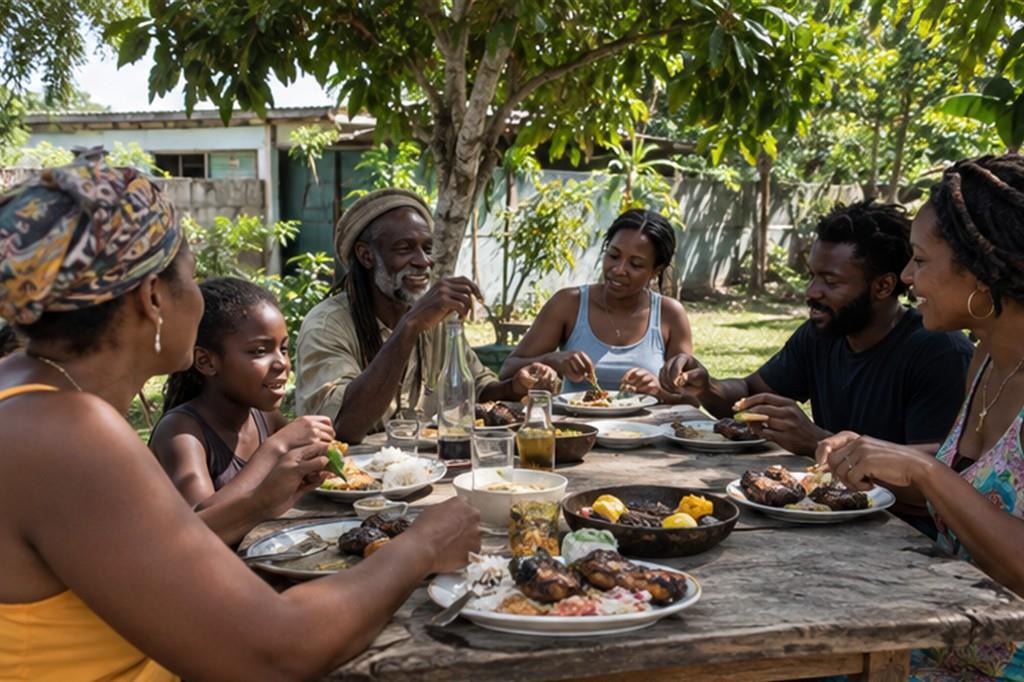 Jamaican jerk: the scent of pimento, the smoke pit and a community's living heritage
 Korean kimchi and banchan: the craft of fermentation and a table built on sharing
 Persian rice and tahdig: saffron, a crisp bottom layer and the sofreh
 Moroccan couscous and tagine: rhythm, hospitality and the flavours of North Africa
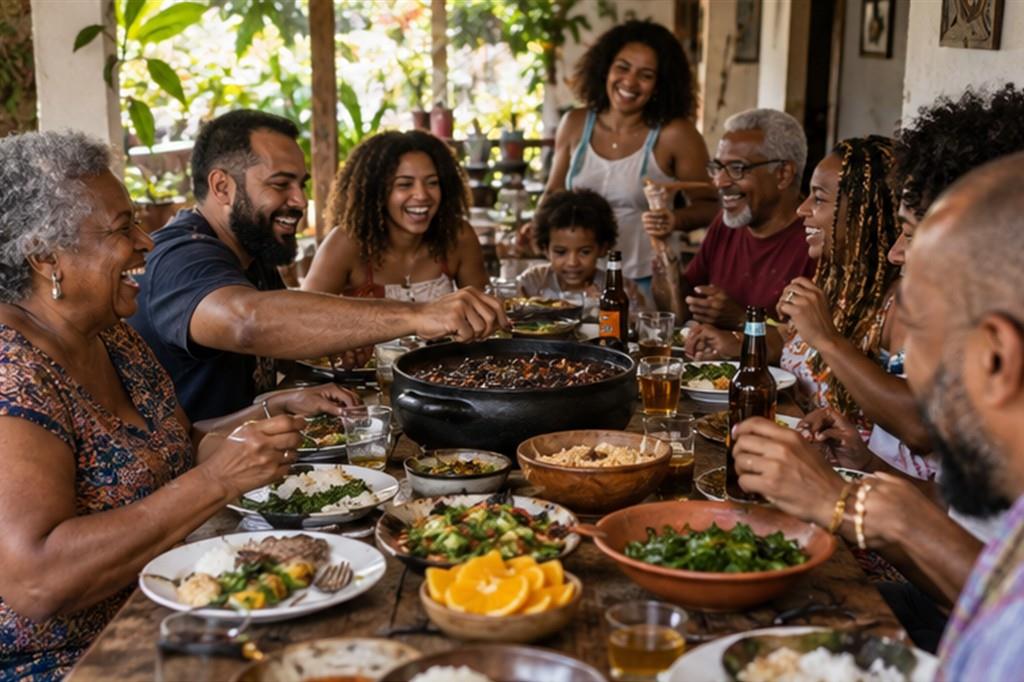 Brazilian feijoada: a pot of black beans, a weekend lunch and a story with many roots
Đăng nhập để bình luận: / Sign in to comment: